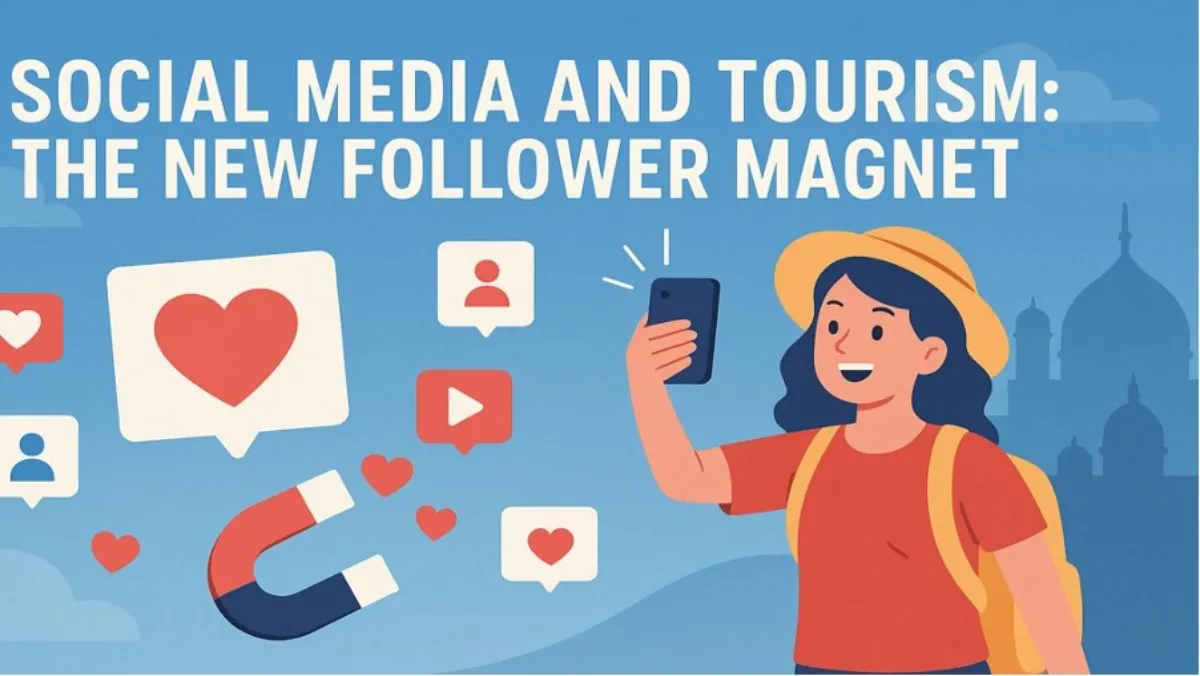
In today’s digital world, social media and tourism content have become “partners in crime” across platforms. Fashion comes and goes, memes flash briefly, and tech reviews grow stale in an instant, but something is always enticingly out there: the allure of elsewhere.
Travel isn’t really something to be experienced—it’s a narrative to be created, shared, and exaggerated for maximum impact. And in that narrative, fans aren’t just onlookers; they’re dreamers, planners, and aspiring travelers waiting.
The Social Need to Find Out
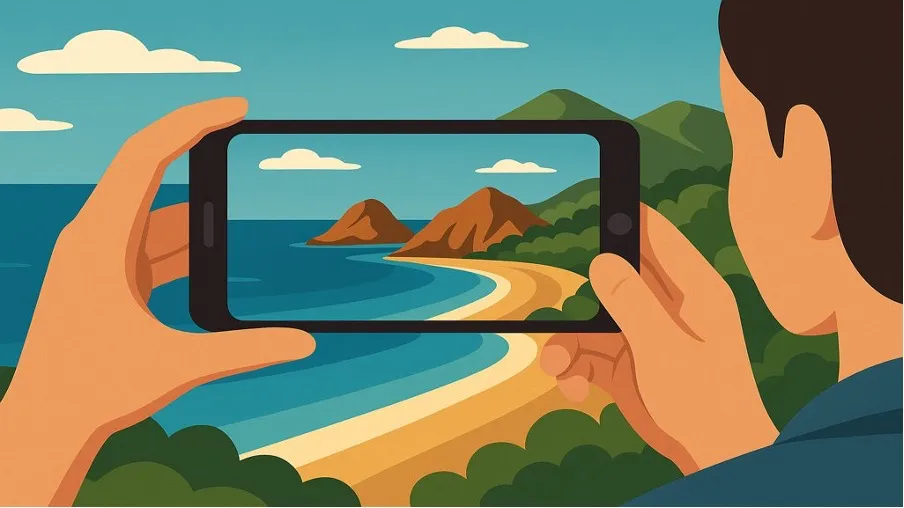
There’s a reason “wanderlust” hashtags flood Instagram and YouTube are full of day-in-the-life vlogs in foreign cities. On the most basic level, travel content speaks of something primal: the urge to know what lies beyond. In the algorithmic feed, a stunning vista is a temporary respite. A swarming street scene elsewhere in the world is contrast, culture, and color.
Social media feeds emotional cues, and tourism employs a handful of them: beauty, aspiration, novelty, and even identity. Tweeting your vacation is not just documentation of where you’ve been—it’s a discreet flex of discovery, an aesthetic presentation, and a virtual stamp of taste.
And this visual curiosity to find out is across the board. Whether a Gen Z student is watching European train travel vlogs or a 40-something entrepreneur is booking beach villas, tourism content speaks to demographics and geographies. To the algorithm, it’s pure gold.
From Places to Platforms
Places no longer exist on maps but on feeds. The Eiffel Tower no longer only lives in Paris but on your Explore page, recontextualized daily by a thousand fresh angles. The Amalfi Coast is as much a lifestyle template as a travel destination. Even off-the-beaten-path places like Lake Bled in Slovenia or Chefchaouen in Morocco are now players in the global tourism game, not through billboards, but through reels and stories. This digital visibility often translates into a competitive landscape where destinations and content creators strive for enhanced reach and perceived influence. In an effort to rapidly accelerate their online presence and stand out in crowded feeds, some resort to strategies that include the option to buy followers.
But this isn’t an accident. Today, destinations are conscious of the importance of being “Instagrammable.” Urban design is evolving—restaurants create food to be photographed, hotels create interiors to be shot by drones, and municipal governments sponsor creator campaigns. Tourism boards don’t market just to airlines and agents anymore; they market to influencers.
What’s shared is what’s caught. And what’s caught is what sells.
The Traveling Visibility Boost

That’s where creative storytelling intersects with digital strategy. Even the most gorgeous video of the sun rising in Cappadocia is not visible if it doesn’t appear to the right people at the right time. That’s the reality of the content ecosystem today: quality is important, but discoverability determines reach.
When a new content creator uploads a travel video that’s glossy, real, and insightful, it should be seen. But the algorithm won’t be aware unless there’s engagement.
From Screens to Streets: The Local Impact of Travel Content
When a video becomes viral, a city notices it. Ask the people of Hallstatt, Austria, who now control tourist traffic after the village became a Pinterest sensation. Or Thai café operators whose tranquil beachside hut became a destination on TikTok. The economic effect of tourism material is real, especially in the developing world or during off-season destinations.
For rural towns and small companies, a single well-written piece of good content can generate months of bookings. Not about views, but viability. That handcrafted dumpling cafe can be 5,000 miles from the viewer, but when the content is well-written and shown to the right people, overnight the cafe is a bucket list destination.
That is the power of tourism writing when amplified with intent. It does not merely present a narrative. It invites action.
The Future of Tourism Is Digital-First
Tourism originally began with guidebooks and ended with postcards. It now begins with a scroll and stays in the cloud. The entire travel process—dreaming and planning, booking, and remembering—is intermediated by content.
This shift is not just cultural; it’s structural. Airlines collaborate with vloggers. Boutique hotels hire drone videographers. Even traditional travel agencies now commit to TikTok planning. Places are becoming content creators themselves, and travelers are becoming their unpaid ambassadors—photographing, tagging, and posting every experience.
But with more places competing for attention and more makers flooding timelines with travel stories, being seen takes science and art. Strategy meets spontaneity. And tools that help you get seen—judiciously, sparingly—become part of the toolkit, not the trick.
FAQs
Why does travel content connect so powerfully on social media?
Travel content speaks to human emotions—curiosity, escapism, and inspiration. Its visual appeal also makes it suitable for social media platforms such as Instagram, TikTok, and YouTube, where aspirational content performs well.
How do destinations benefit from social media exposure?
Even smaller or less frequented destinations can experience tourism booms because of viral content. Increased exposure usually means more tourists and economic returns, especially to local businesses.
Is content creation using visibility tools ethical?
Utilized responsibly to bring forward genuine, quality content, visibility tools level the playing field, and you are good to go—especially for the small creators who don’t have giant marketing budgets.