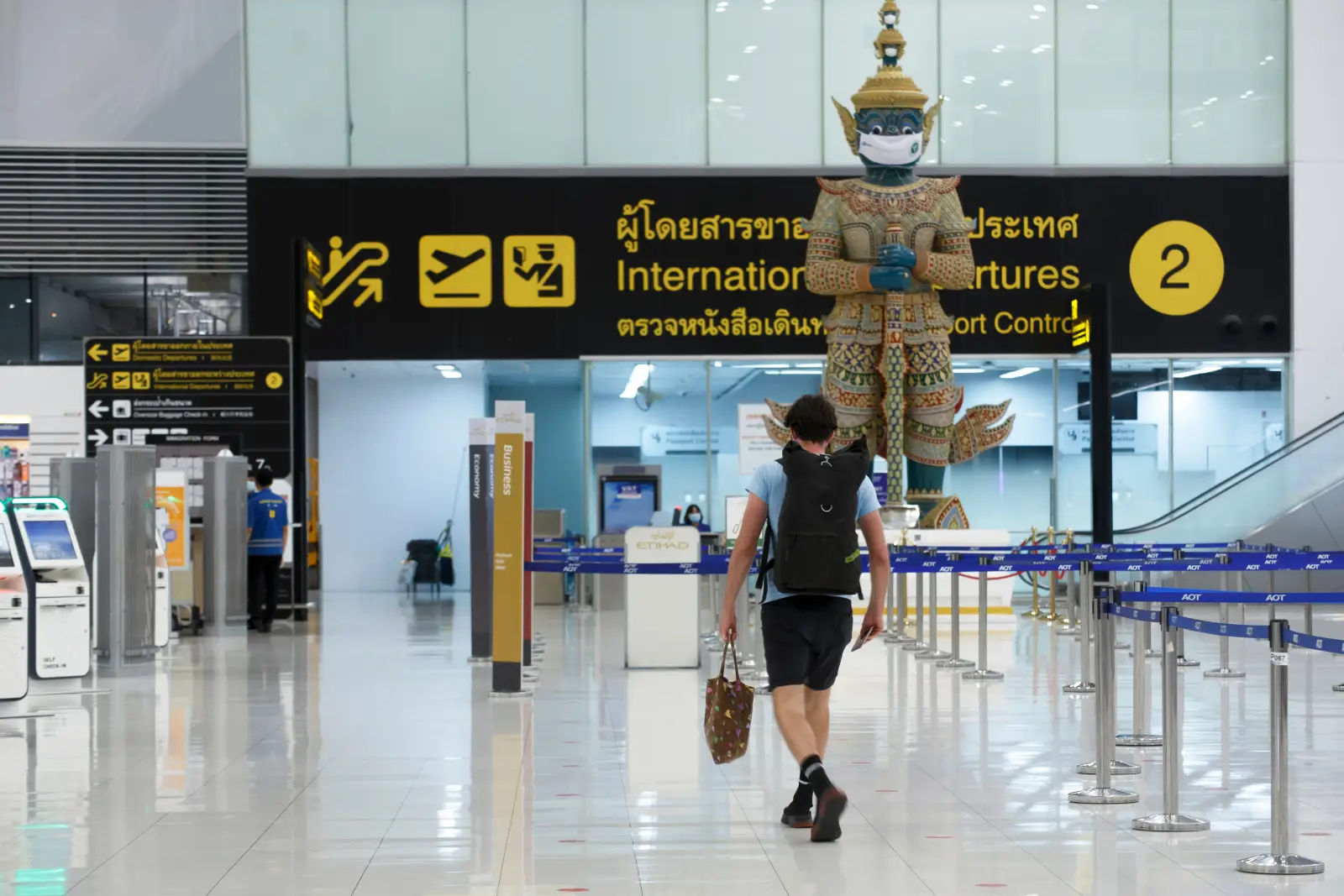
Thailand has recorded a decline in foreign tourist arrivals in 2025, with government data showing a 7.44% year-on-year drop between 1 January and 21 September.
The National Economic and Social Development Council (NESDC) said total arrivals reached 23.45 million during the period, leading to a downward revision of the full-year forecast.
The state planning agency now expects 33 million visitors for the year, down from an earlier target of 37 million. Officials said the decline reflects weaker demand in key markets and the impact of the Thai baht’s strong appreciation, which has reduced the country’s competitiveness compared to regional peers.
The lower-than-expected arrivals follow a recovery trend that has slowed in recent months. Despite strong performance from neighboring markets, growth has been offset by weaker numbers from long-haul destinations, particularly the United States. Analysts note that the appreciation of the baht has made Thailand less affordable relative to competing destinations in Southeast Asia.
The revised forecast highlights the challenge of sustaining momentum in a sector that is vital to the Thai economy. Tourism accounts for a significant share of national GDP and serves as a key source of employment. A shortfall of 4 million visitors against earlier projections represents a substantial loss in potential revenue.
Currency Pressure on Competitiveness
The Bank of Thailand has acknowledged the rapid movements of the baht in recent months. Officials confirmed that interventions have taken place to limit volatility, while emphasizing that structural factors continue to support the currency’s strength. According to Reuters, the central bank said it had “acted to ensure the baht doesn’t move too fast.”
Market participants link the appreciation partly to capital inflows and Thailand’s current account performance. While a strong baht can signal economic stability, it also raises the cost of travel and spending for foreign visitors. The currency effect has been visible in falling arrivals from high-spending markets, where travelers are sensitive to relative price changes.
Economic and Industry Implications
The tourism slowdown has direct implications for Thailand’s growth outlook. A reduction in visitor spending is expected to weigh on hospitality, retail and transport sectors. The NESDC has signaled that it will monitor the situation closely and adjust forecasts as needed to account for external and domestic factors.
Tourism operators have expressed concern that pricing pressures could discourage repeat visitors and shift demand toward lower-cost destinations in the region. Industry groups are urging authorities to consider targeted measures to support competitiveness, including marketing campaigns and incentives for airlines and tour operators.
Despite the weaker numbers, Thailand remains one of the most visited countries in Asia. Officials continue to emphasize long-term strategies focused on diversifying markets and promoting higher-value segments. However, in the near term, the combination of declining arrivals and currency strength presents a challenge for sustaining recovery momentum in the tourism sector.