Food is increasingly shaping where people choose to travel, and 2026 is emerging as a defining year for culinary-led trips.
Across Europe, the Middle East, Asia, and North America, new Michelin Guides, major sporting events, and high-profile hotel openings are redirecting attention to destinations that blend strong local identity with rising international appeal.
The Michelin Guide highlights 16 places travellers should visit now, before reservations become harder to secure and prices rise. The list spans established heavyweights such as Venice and the Amalfi Coast, alongside fast-emerging destinations including Breslavia in Poland, Cebu in the Philippines and Jiangsu in China, with timing driven by events such as the Winter Olympics in the Dolomites and the centenary of Route 66.
Europe
Venice, Italy
A wave of luxury hotel openings from international hospitality groups is reshaping how travellers experience Venice, especially its dining scene. Neighbourhoods such as Cannaregio and Giudecca prepare for new openings that promise high-profile chefs and more refined restaurant concepts, while quieter winter travel offers easier reservations and fewer crowds.

There are 62 Michelin-listed restaurants across the city, including 2 with two Stars and 8 with one Star. Travellers seeking variety can balance discreet family-run trattorias with emerging fine dining.
Where to stay: Options range from the grand Aman Venice on the Grand Canal to intimate boutique properties such as Madama Venice.
Czechia (beyond Prague)
The country’s first national Michelin Guide shifts attention toward spa towns, rural inns and forested regions. Menus rely heavily on potatoes, freshwater fish and wild mushrooms, reflecting strong seasonality and local sourcing.
South Moravia, Karlovy Vary and the lake regions of South and Central Bohemia stand out between late spring and early autumn.
Where to stay: Elegant options include Villa Julius and Emma – Luxury Boutique Retreat in Carlsbad, alongside the modern W Prague.
The Dolomites, Italy
Hosting the Winter Olympics from 6–22 February brings infrastructure upgrades, refined mountain hotels and a more ambitious alpine food scene built around buckwheat, speck and mountain cheeses. Summer rewards hikers and diners with longer days and diverse produce.
There are 149 Michelin-recognised restaurants across the region, including one with three Stars.
Where to stay: FORESTIS Dolomites offers wellness-led luxury, while De LEN in Cortina delivers contemporary chalet style.
Breslavia (Wrocław), Poland
The arrival of the Michelin Guide positions Breslavia as one of Central Europe’s most exciting emerging food cities. Young chefs reinterpret Silesian traditions such as pierogi, game and fermentation, supported by a lively student population.
Riverfront cafés and wine bars add to the city’s relaxed appeal, especially in late spring and early autumn.
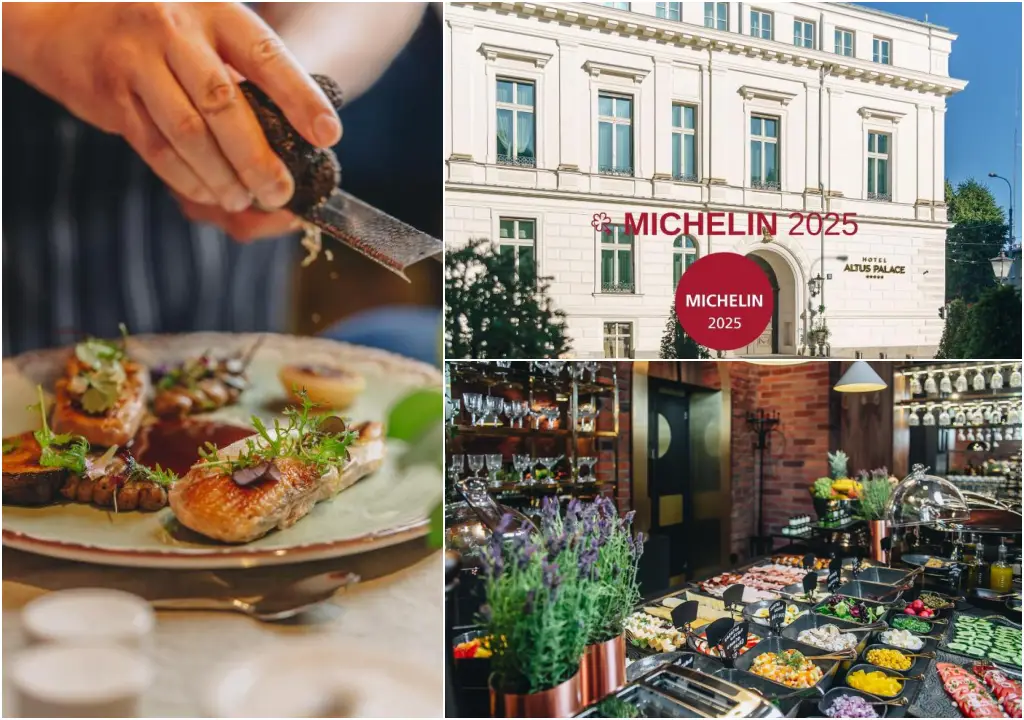
Where to stay: Hotel Altus Palace delivers historic grandeur, while PURO Wrocław Stare Miasto offers a modern urban base.
Amalfi Coast, Italy
A new Belmond rail service launching in May improves access to the coast, supporting renewed interest in its seafood-driven cuisine. Anchovies, lemons and handmade pasta dominate menus when kitchens follow the rhythm of the seasons.
May and late September balance good weather with manageable visitor numbers.
Where to stay: Il San Pietro di Positano offers landmark luxury, while Casa Buonocore provides a boutique alternative.
Middle East
Saudi Arabia
The country’s first Michelin Guide confirms Riyadh and Jeddah as serious culinary destinations. Local rice dishes, grilled meats and Red Sea seafood sit alongside expanding Japanese, Lebanese, Chinese and French influences.
Cooler months from November to February suit outdoor dining and cultural exploration.
Where to stay: Caravan by Habitas AlUla delivers desert immersion, while Nujuma, a Ritz-Carlton Reserve, offers island luxury.
Asia
Cappadocia, Turkey
Cappadocia’s Michelin debut moves attention beyond its famous balloon-filled skies. Farm-to-table menus showcase clay-pot stews, Anatolian grains, fermentation and local wines, often served inside cave hotels.
April–May and October offer cooler temperatures and dramatic landscapes.
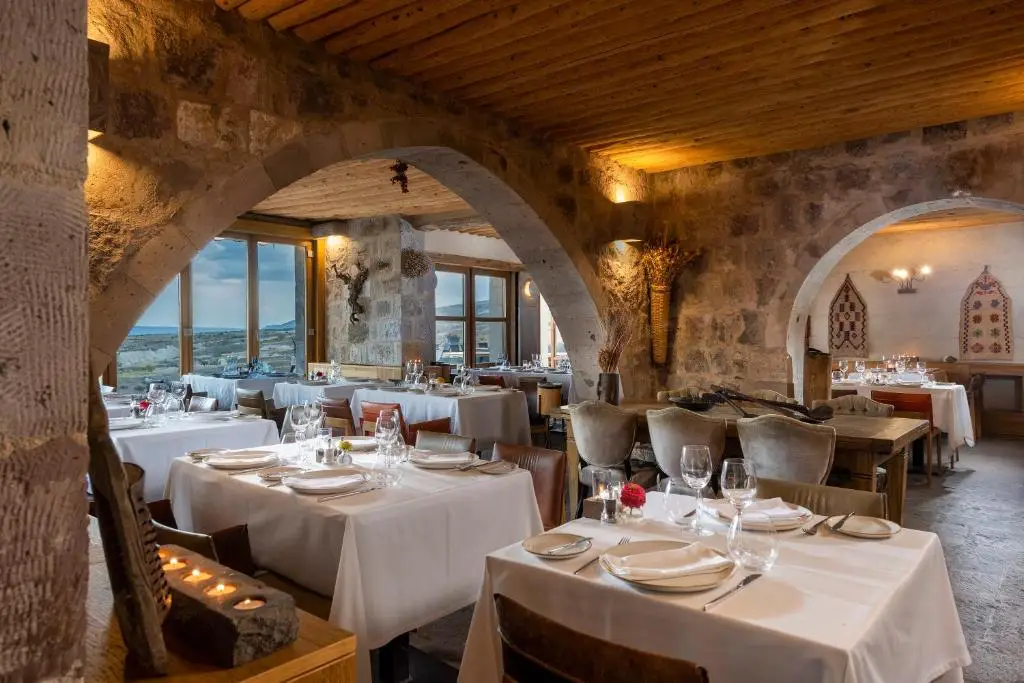
Where to stay: Argos in Cappadocia combines heritage and luxury, while Signature Cave Cappadocia provides boutique charm.
Jiangsu Province, China
Known for refined freshwater fish dishes and delicate seasoning, Jiangsu balances garden culture with serious dining in Suzhou and Nanjing. Spring and autumn bring comfortable temperatures and peak seasonal produce.
The province remains comparatively affordable for international travellers.
Where to stay: HUALUXE Nanjing Yangtze River and Andaz Nanjing Hexi offer contemporary comfort.
Philippines (Manila and Cebu)
International recognition shines a spotlight on Filipino cuisine, blending traditional dishes such as adobo and sinigang with modern techniques. Manila’s urban energy contrasts with Cebu’s seafood-driven coastal dining.
January to March offers the most reliable weather conditions.
Where to stay: Grand Hyatt Manila and Shangri-La The Fort provide upscale city bases.
North America
Route 66, United States
The centenary of Route 66 brings restored diners, motels and roadside restaurants across its 3,938 km route. Events stretch from spring through summer, supported by the launch of a new Michelin Guide for the US Southwest.
Late spring and early autumn deliver the best driving conditions.
Where to stay: ARRIVE Albuquerque offers retro revival charm, while Chicago’s Pendry and Los Angeles’ Hotel Bel-Air deliver luxury endpoints.
The Southern United States
A new Michelin Guide reframes the South’s culinary identity, from Alabama and Mississippi’s refined regional cooking to Atlanta’s innovation and Louisiana’s Creole traditions. Tennessee strengthens its barbecue legacy.
Autumn brings cooler temperatures and harvest-driven menus.
Where to stay: Michelin-selected hotels vary widely across the region.
Florida, United States
Florida’s statewide Michelin Guide expands attention beyond Miami toward Tampa, Orlando and the Gulf Coast, reinforcing the state’s seafood-led momentum. January to March delivers ideal weather and new openings.
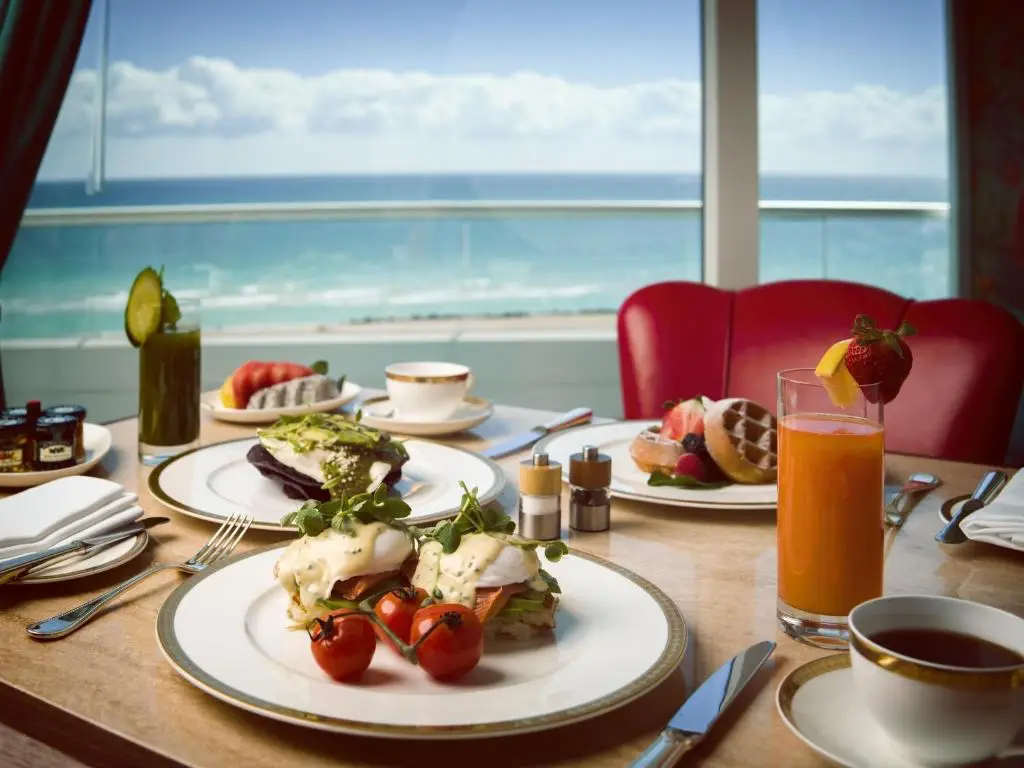
Where to stay: Little Palm Island Resort & Spa in the Keys and Faena Hotel Miami Beach offer standout luxury.
Boston, United States
A new generation of chefs modernises New England seafood traditions while hotel openings energise neighbourhoods such as South End and Fort Point. The city also marks the 250th anniversary of the American Revolution.
Where to stay: The Whitney Hotel Boston and The Newbury Boston both hold Michelin Keys.
Philadelphia, United States
Philadelphia’s confident neighbourhood restaurants gain national recognition, blending immigrant traditions with seasonal Atlantic produce. The city co-hosts the Football World Cup and celebrates 250 years of independence.
Where to stay: ROOST Midtown and Anna and Bel offer stylish central bases.
Quebec, Canada
Seasonal cooking shaped by French influence highlights maple, game and cold-water seafood across Montreal and rural regions. September delivers peak harvest flavours.
Where to stay: Hôtel Place d’Armes and Le Petit Hotel provide refined comfort.
Vancouver, Canada
As a 2026 Football World Cup host city, Vancouver strengthens its global profile while showcasing Pacific seafood, Asian influences and Indigenous cuisine. Summer supports outdoor dining and waterfront exploration.
Where to stay: Rosewood Hotel Georgia and Wedgewood deliver premium central locations.
Across all 16 destinations, the common advantage lies in timing. Visiting before global events, expanded Michelin coverage and rising demand reshape pricing and availability allows travellers to experience emerging food scenes at their most authentic, accessible and locally grounded.