Rome introduces a new 30km/h speed limit across its historic centre as city officials roll out a major road safety initiative aimed at reducing accidents, injuries and pollution.
The measure applies within the Zona a traffico limitato (ZTL) and covers major central arteries including Corso Vittorio Emanuele, Via del Teatro Marcello and the Traforo.
The policy officially begins this week, following approval by the Capitoline Council on 13 November, with a transition period running until 15 February focused on public awareness and driver adjustment. Authorities confirm that enforcement will increase during this phase as the city prepares to expand similar limits across hundreds of additional streets.
Why Rome is slowing traffic in its historic centre
Mayor Roberto Gualtieri frames the initiative as a cultural shift in how residents and visitors move through the capital. “Romans must learn to drive slower,” said Roberto Gualtieri, Mayor of Rome. The administration says slower speeds reduce collision severity, protect pedestrians and cyclists, and make historic streets more livable.
Rome’s Mobility Councillor Eugenio Patanè explains that the first weeks will focus on communication rather than penalties. “Until February 15th, there will be an adjustment phase and a communication campaign for citizens,” said Eugenio Patanè, Mobility Councillor. Local police will increase roadside monitoring to support compliance. “Checks will be strengthened,” said Mario De Sclavi, Commander of the Municipal Police.
The safety push follows a difficult year on Rome’s roads. In 2025, the city recorded 124 fatalities and more than 30,000 traffic accidents, reinforcing the urgency behind speed reduction measures. City planners aim to extend 30km/h limits to 1,000 additional streets over time, creating calmer neighbourhoods and safer crossings.
Technology will also play a role. Five new speed cameras are scheduled for Via Cristoforo Colombo, adding to existing devices on the Tangenziale and Viale Isacco Newton, which reportedly flagged around 1,500 violations per day during their initial rollout.

What travellers should expect when visiting Rome
For visitors hiring cars or using taxis, the new speed limit may slightly extend travel times through the historic centre, especially during peak hours. Drivers unfamiliar with Italian urban traffic should pay close attention to signage and camera-controlled zones to avoid fines.
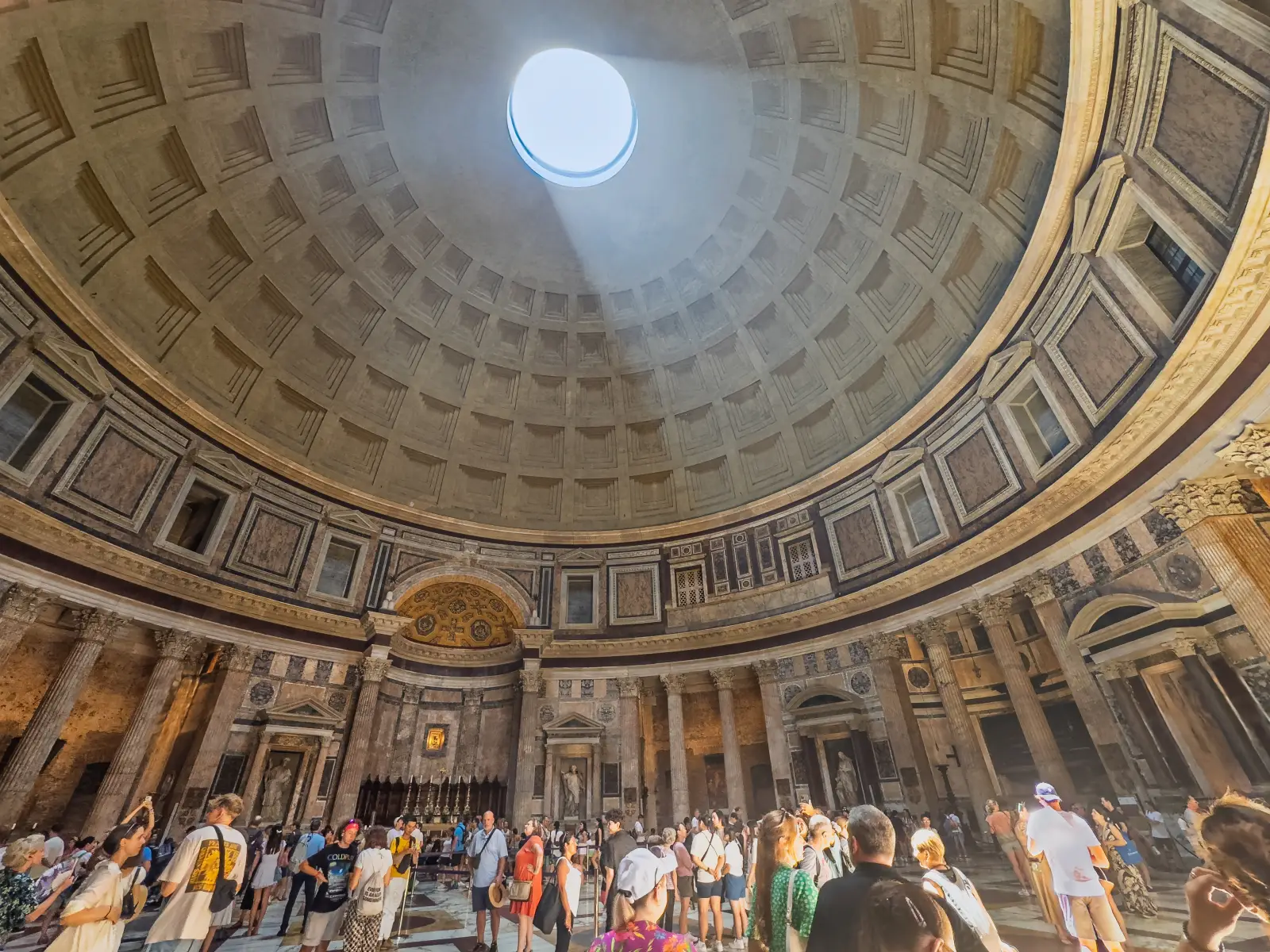
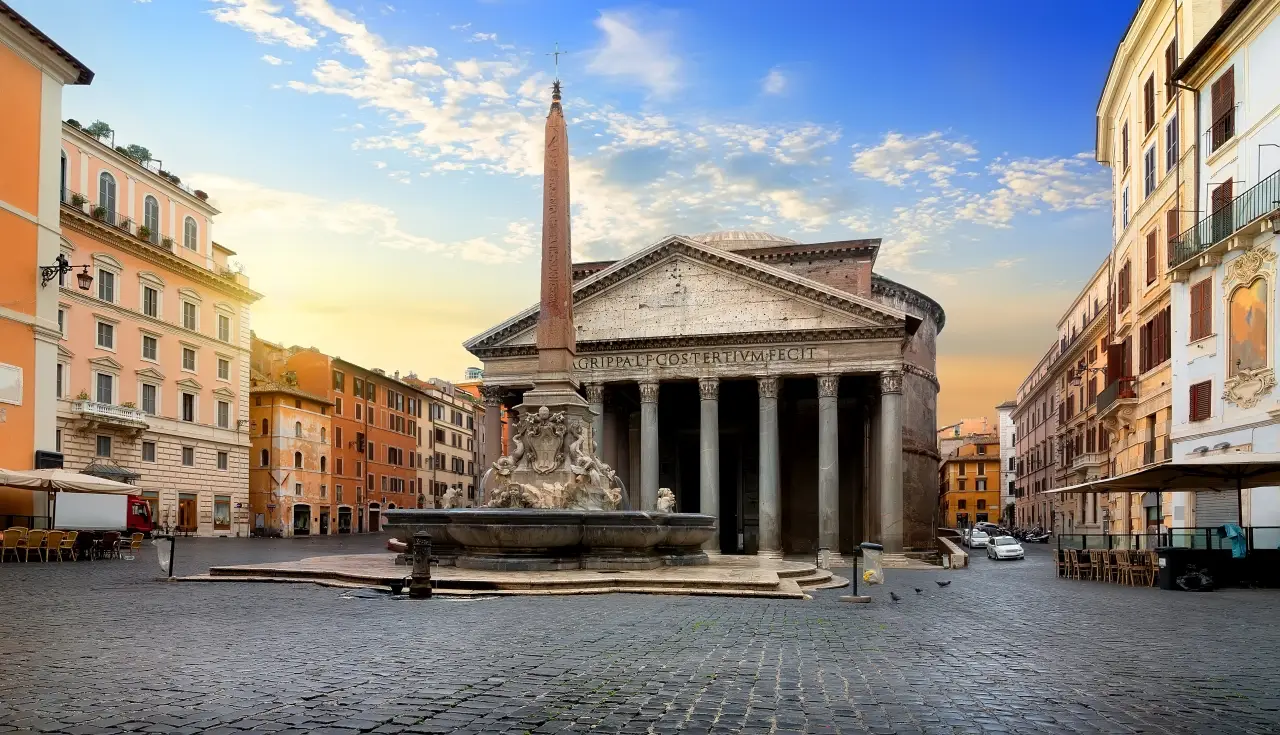
Many travellers may notice quieter streets near major landmarks such as the Pantheon, Piazza Venezia, and the Roman Forum, where pedestrian activity is already dense. Slower traffic improves walkability, makes crossings safer and reduces noise in tightly packed historic corridors.
Tourists relying on buses may experience modest timetable adjustments as public transport adapts to lower speeds on central routes. However, city officials expect smoother flow and fewer accident-related delays over time.
The policy has generated political debate locally. Critics from opposition parties describe the move as overly ideological and argue that infrastructure investment should take priority over speed limits. Supporters counter that similar initiatives in other Italian cities have produced measurable safety and environmental gains.
Bologna was the first major city in Italy to adopt widespread 30km/h limits. Officials there reported fewer fatalities, fewer accidents, reduced pollution and increased cycling and public transport use after implementation. Milan, Turin and Lecce are also moving toward broader low-speed zones.
For travellers, the shift reflects a wider European trend toward people-first city centres, where walking, cycling and public transport increasingly take precedence over private cars. Visitors exploring Rome on foot or by bike may find the experience more relaxed, safer and more immersive as traffic speeds ease.
Whether navigating the city by taxi, rental car or tour coach, travellers are encouraged to allow extra time for transfers and to factor in the evolving traffic rules when planning itineraries. Rome’s ancient streets are entering a slower era — one designed to protect both residents and the millions of visitors who explore the Eternal City each year.
Top Photo Credit: givaga / Shutterstock.com