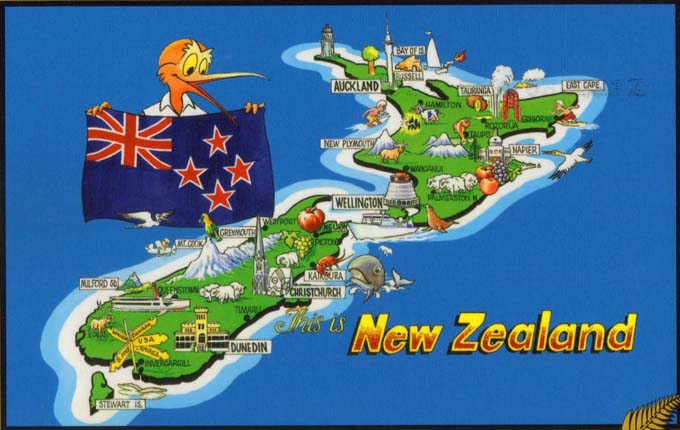
For much of its history, New Zealand has depended on tourism that brought visitors to see its breathtaking scenery and rich culture, unique wildlife evolving in isolation from the rest of the world’s ecosystems.
This paper outlines the development of tourism in New Zealand, current trends, and prospects for its economic potential. It also discusses challenges faced by the industry and sustainable practices that support local communities and nature. We aim to provide an unfiltered view on tourism today by offering transparent truths and realistic facts.
For players interested in exploring New Zealand’s gaming sector, there are all Slots Casino voucher code no deposit offers for new accounts, which provide practical insight into how bonuses and engagement work in this part of the local gaming economy.
Trends Shaping New Zealand Tourism Today
Changing faces of New Zealand tourist visitors in the past 5 years. There’s also a growing number of international visitors from Asian markets, including China and India, as well as consistent growth from Australia. Domestic tourism post surge even with the halt of international travel, as Kiwis explored local destinations in record numbers.
Rather than hanging on to the scent of the traditional traveler, visitors are Google searching for an all-immersive experience. Adventure tourism, eco-tours and cultural interactions are now the predominant interest. Travelers crave over-hands-on experiences, everything from Maori cultural tours to walking off the beaten track in Foreland.
Travel planning has increasingly centered on digital tools. Apps for booking, reviews and itineraries make traveling around this country in Eastern Europe relatively painless. Destination is also strongly influenced by the social media, powerful enough to create travel trends through visual story telling rather than typical marketing efforts.
Economic Impact and Opportunities of Tourism
Tourism is one of the largest industries in New Zealand, contributing around 5–6% to GDP before the pandemic. Recent recovery has driven tourism sales back towards pre-pandemic levels, but foreign money remains down while domestic travel cushions up-and-down economic stability.
The industry supports hundreds of thousands of jobs in hospitality, transport and the adventure pursuits sector. The seasonal work patterns are challenged in summer months, when there is a surge in the requirement for guides and workers on accommodation providers and restaurant staff.
Entrepreneurs have a chance in tourism. A boom in eco-lodges, boutique tour operators and other cultural experience providers is coming together quickly, attracting interest from investors looking to cash in on the post-pandemic travel rebound.
Let’s use the tourism to diversify our economy away from the main cities. Destinations such as Queenstown, Rotorua, and Northland benefit not just from the visitors’ spending but also the existing infrastructure, which provides a multiplier effect that helps local communities.
Challenges Facing the Tourism Industry
New Zealand tourism is very seasonal, with summer peaks causing strains on transport, accommodation, and attractions. In many destinations, the visitor counts can be hard to handle without damaging infrastructure or local ecosystems.
Talent in the hospitality and tour operations sector is a continuous struggle to attract. Employee retention, training, and making sure wages are competitive will continue to be essential as we grow. Progressive model for sustainable tourism planning:
- Assess peak seasons and identify pressure points on infrastructure and ecosystems.
- Implement visitor caps or timed entry to protect sensitive sites.
- Provide eco-friendly means of transport and accommodation.
- Educate employees on sustainability and customer service.
- Preserve environment and adapt policies as necessary.
- Engage local communities in planning and decision-making.
- Overburden iconic sites shift tourism focus to more diverse attractions.
Following these guidelines would be a way to ensure that tourism growth is controlled, sustainable and of real benefit to both tourists and local people.
Sustainable and Community-Focused Travel Practices
As tourism providers prioritize green and eco-friendly solutions from low-emission transportation to eco-certified accommodation, more tourists start following their steps. Conservation-based tours, especially in vulnerable natural environments, can both educate visitors and reduce impact.
Tourism can bring so much good to a destination, supporting local businesses, offering employment and providing cultural experiences. Community involvement guarantees that the wealth generated by tourism is equally distributed.
Visitors are asked to honor cultural protocols, adhere to trail signs and pack out what you pack in. Signage and awareness campaigns at important sites help reinforce habits that protect not just people but landscapes.
Long-Term Strategy
Nowadays, tourism sustainability becomes a key strategic target for national and regional bodies. Policies promote innovation, sustainability of low impact travel and support of the UN Sustainable Development Goals that will ensure tourism is a positive force for generations to come. Sustainability means destinations can develop and protect natural and cultural assets AND support more visitor enjoyment. Key approaches to sustainable tourism:
- Promote eco-friendly transportation and accommodations
- Encourage responsible visitor behavior and education
- Support local businesses and small communities
- Protect natural habitats, wildlife, and heritage sites
- Monitor and reduce carbon footprints from tourism activities
- Align tourism development with long-term environmental and social goals
Such measures ensure that growth in travel benefits both humans and the planet.
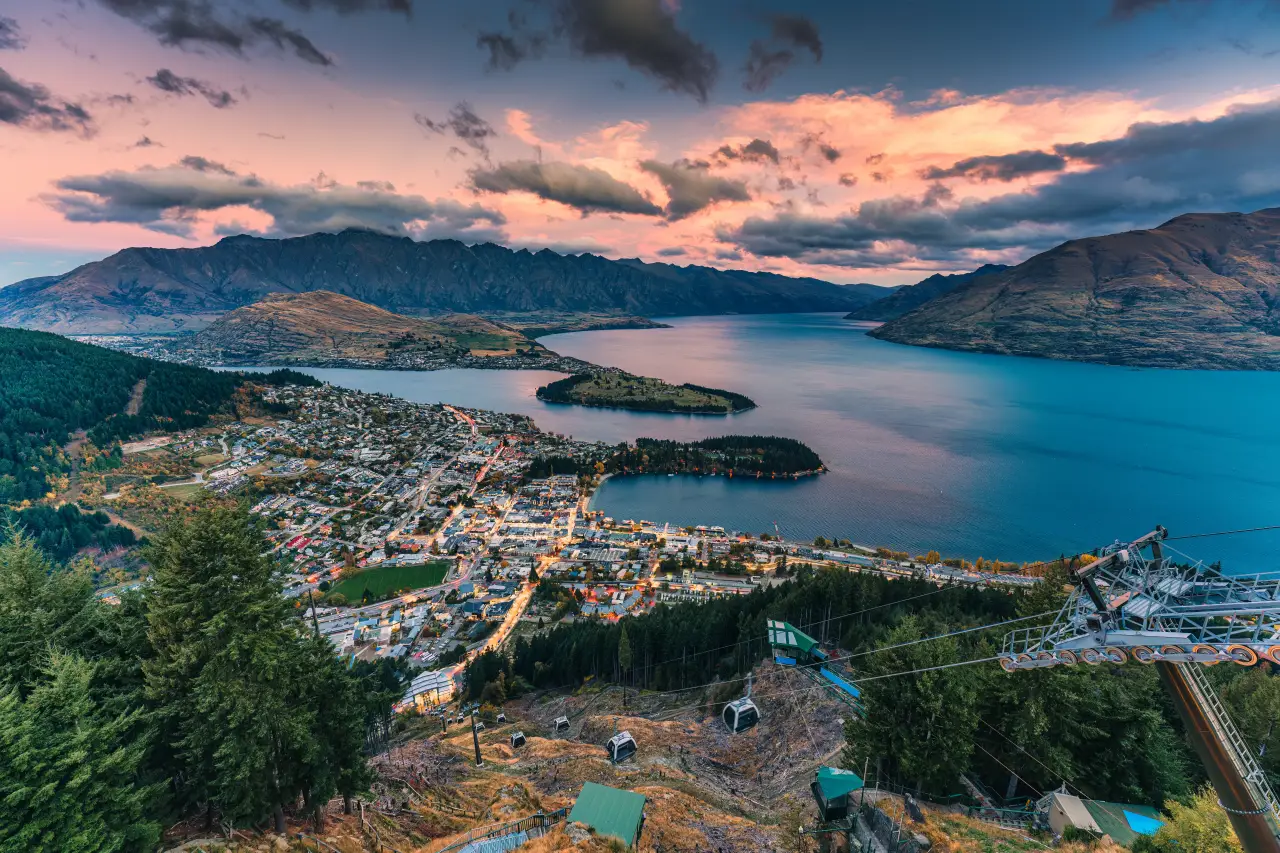
Photo Credit: Mumemories / Shutterstock.com