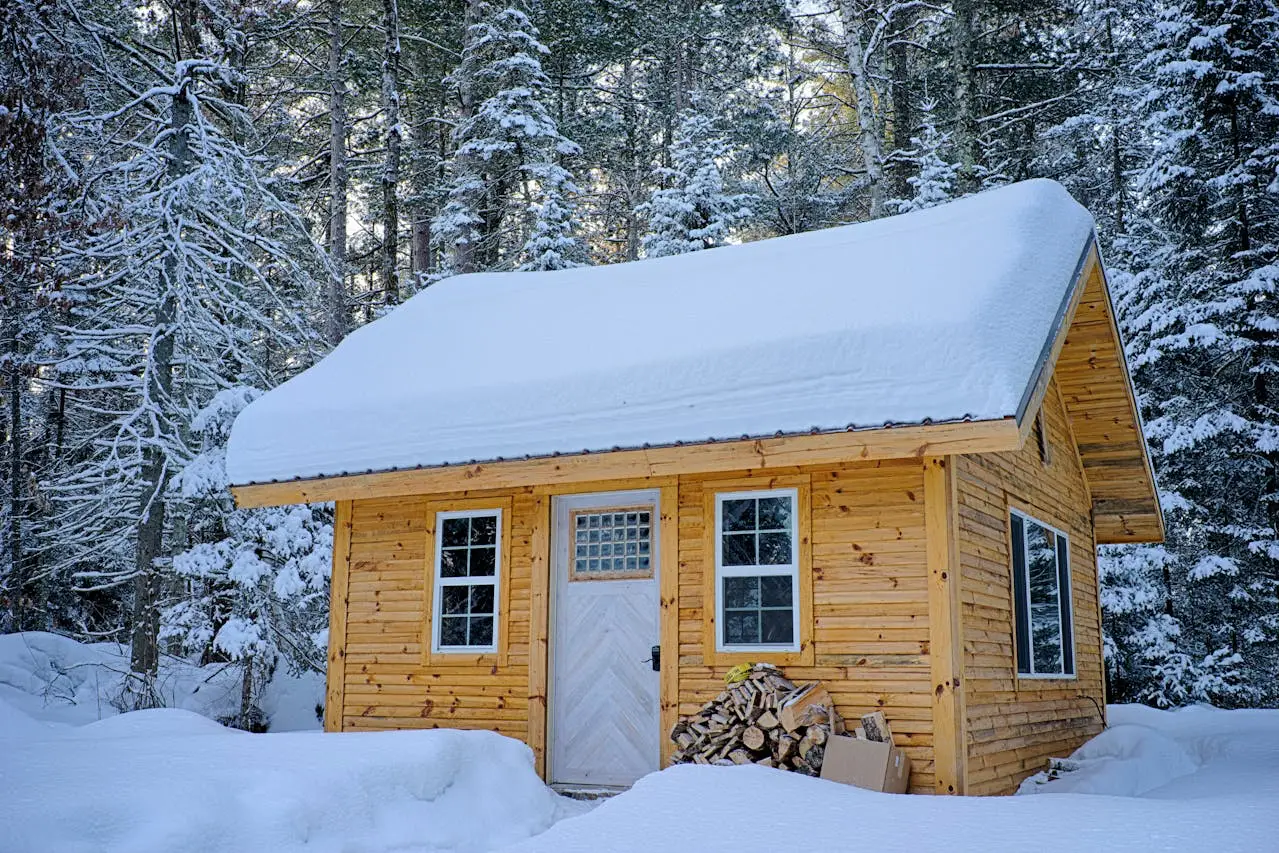
Wet boots pile up by the door, and the cabin starts to warm up fast. The kettle hums, dinner cooks, and the pace of the day eases. That shift feels simple, but it often shapes the whole trip. A rustic cabin stay works best when you lean into that slower rhythm.
That is why many travelers still love quiet cabin breaks. They offer comfort, but they also keep things simple and grounded. Places like North Beach cabin rentals in Haida Gwaii fit that kind of trip well. These small cedar longhouses give guests warmth, shelter, and a close connection to the outdoors.
A stay like this feels different from a regular hotel visit. You may bring your own bedding and towels, and use less water. You may also work with modest power and a smaller cooking space. Once you know that early, the trip feels easier and more relaxed.
Pack For Comfort And Daily Use
A rustic stay starts before you arrive. The way you pack affects how smooth the trip feels. When your bag covers the basics well, the cabin feels more comfortable right away. You spend less time adjusting and more time enjoying the place.
Focus On The Items You Will Use Most
Start with the things that shape sleep, warmth, and daily routines. Those items do more for comfort than extra outfits ever will. At Hiellen Village Longhouses, guests should bring bedding and towels. That makes smart packing a big part of the stay.
Keep your bag practical with items like these
- Warm bedding that suits cool nights
- Towels and basic personal care items
- Layers that dry fast after rain or beach walks
- Indoor shoes or thick socks for cold floors
- A flashlight for evening trips outside
- Simple food supplies for easy meals
These choices help more than people expect. They cut stress on the first night and save time later. They also keep the cabin from feeling cluttered. In a small space, every item should earn its spot.
Keep Clothing And Gear Simple
It helps to pack around the weather, not around outfit ideas. A rustic trip usually calls for repeat wear and useful layers. A waterproof jacket, warm sweater, and sturdy shoes often go further. That kind of packing fits the trip better and keeps your bag easier to manage.
Learn The Cabin Setup Early
The first few hours shape the rest of the stay. When guests rush through arrival, small issues often pile up fast. A little time spent settling in can save effort later. It also helps the cabin feel calm from the start.
Before you head back outside, get familiar with the basics. Check the heat source, the cooking area, and where damp clothes should go. Look at the bathroom setup and any notes about water use. When you learn the cabin rhythm early, the rest feels more natural.
A small cabin is a lot nicer when everything has its place. You can put your bags in one corner and your food in another spot. It is an idea to line up your shoes near the door. When your gear gets wet you can hang it up where it can dry without being in the way. This way the paths are clear. You can walk around easily. When you get into the habit of doing this the cabin will stay neat and tidy, by itself. Your mornings will also be a little easier.
This approach fits a wider travel shift toward simpler stays with fewer extras. You can see that idea in coverage of affordable eco-friendly destinations. Travelers often enjoy these trips more when they expect less noise and more real comfort. That kind of mindset pairs well with a rustic cabin stay.
Plan Meals That Fit The Space
Food can make or break a cabin weekend. Good meal planning saves time, cuts waste, and keeps cleanup easy. In a rustic setting, simple food usually works best. You do not need a big menu to eat well.
Build A Short And Easy Meal Plan
A small kitchen calls for meals with few steps. One pot dishes, sandwiches, soup, pasta, and oatmeal all work well. These foods travel easily and need less gear. They also keep cleanup from taking over your evening.
A simple meal plan helps in a few ways
- It lowers prep time after long outdoor days
- It reduces the number of tools you need
- It keeps the sink and counters easier to manage
- It helps you shop with less waste
- It makes shared meals smoother in a small space
Try to prep some items before the trip. Cut vegetables at home, portion snacks, and store food in reusable containers. That saves effort once you arrive. It also makes the cabin feel more organized from the start.
Keep Food Storage Safe And Clean
Clean food habits matter even more in nature focused places. Parks Canada advises visitors to store food properly and keep campsites free of attractants. That helps reduce wildlife contact and keeps guest areas safer. It also keeps your cabin fresher and easier to live in.
Wash dishes soon after eating, and wipe down cooking surfaces right away. Seal leftovers well and avoid leaving snacks out overnight. Even simple habits can make a big difference. A clean setup feels better and supports safer travel.
Respect Water, Power, And The Area Around You
A rustic stay often asks guests to use shared resources with care. That is part of the experience, not a burden. When you use less and waste less, the stay feels smoother for everyone. You also leave a lighter footprint on the place you came to enjoy.
Some cabins, including those in Haida Gwaii, ask guests to conserve water. That request reflects real conditions in many travel areas. British Columbia also encourages water conservation during dry periods and throughout the year. Small actions inside the cabin support that goal in a practical way.
Here are a few good habits to keep in mind
- Take shorter showers when water use is modest
- Wash only full loads of dishes when possible
- Turn off lights and heat when you do not need them
- Bring reusable bottles and food containers
- Keep outdoor areas clean and free of food scraps
These habits support the stay without taking much effort. They also help protect the quality of the place around you.The Leave No Trace principles support the same idea through waste control and wildlife respect. Those basics still go a long way on any cabin trip.
Let The Place Set The Pace
Many travelers try to plan too much during a short cabin stay. They pack the day with stops, meals, and side trips. Then they miss the quiet part they came for. A rustic cabin works best when the pace stays loose.
You do not need to fill every hour. One long beach walk, a slow breakfast, and a quiet evening can be enough. That is often where the best part of the trip shows up. You notice more when you stop rushing.
That same focus on comfort over excess also appears in travel coverage about campground upgrades that boost comfort and cleanliness. Guests remember the stays that feel easy to settle into. They remember good sleep, warm meals, and a place that supports rest. Rustic cabins can offer all of that when you approach them with the right expectations.
A good cabin trip does not need a packed schedule or a lot of extra stuff. It usually feels better when you come prepared, respect the space, and keep your plans simple. Bring what helps you stay comfortable, think through a few easy meals, and get familiar with the cabin right away. Once those basics are in place, the whole stay feels easier and far more relaxing.