Japan posts strong international tourism growth in 2025, welcoming 42,683,600 overseas visitors, a 15.8% increase compared with 2024, according to figures released by the Japan National Tourism Organization (JNTO).
Türkiye emerges as one of the fastest-growing source markets, with 107,800 travellers visiting Japan during the year, marking a sharp 73.6% year-on-year increase.
The expansion is driven by improved air connectivity and major international events that stimulate long-haul travel demand. A key catalyst is the launch of All Nippon Airways’ direct Tokyo Haneda–Istanbul route in February 2025, the first nonstop service operated by a Japanese airline between the two countries, alongside increased global visibility from Expo 2025 Osaka, Kansai, which runs from April to October.
Direct air links and global events reshape demand
For many Turkish travellers, the introduction of a nonstop flight significantly lowers the barriers to visiting East Asia. Shorter travel times, fewer transfers and more predictable schedules make Japan a more practical destination for leisure holidays, cultural exploration and business travel alike. Airlines often play a decisive role in opening new markets, and the Tokyo–Istanbul route creates a direct bridge between two major international hubs.
Expo 2025 Osaka, Kansai further strengthens travel interest. The 184-day event welcomes approximately 29 million visitors from Japan and overseas and focuses on innovation, sustainability and future lifestyles. Large-scale international expos typically generate extended travel itineraries, encouraging visitors to explore multiple regions beyond the host city and supporting nationwide tourism flows.
Türkiye’s national pavilion adds another layer of visibility by highlighting the country’s historical legacy and cultural influence. The pavilion functions as a cultural showcase that deepens mutual awareness between Turkish and Japanese audiences, strengthening long-term tourism curiosity in both directions.
Seasonality also plays a role in sustaining visitor momentum. During the second half of the year, travellers increasingly align trips with summer festivals and autumn foliage viewing, two experiences that consistently rank among Japan’s most popular seasonal attractions. These periods provide vibrant local events, regional food culture and natural scenery that appeal to long-haul visitors seeking immersive experiences.
Four seasons, regional travel and sustainable growth
Japan’s year-round tourism offer remains a major competitive advantage. Winter travel introduces illuminated snow landscapes, ice scenery tours and drift ice walks along the Okhotsk Sea in Hokkaido, attracting adventure-focused visitors and photographers. These niche experiences diversify tourism beyond major metropolitan areas while extending demand into colder months.

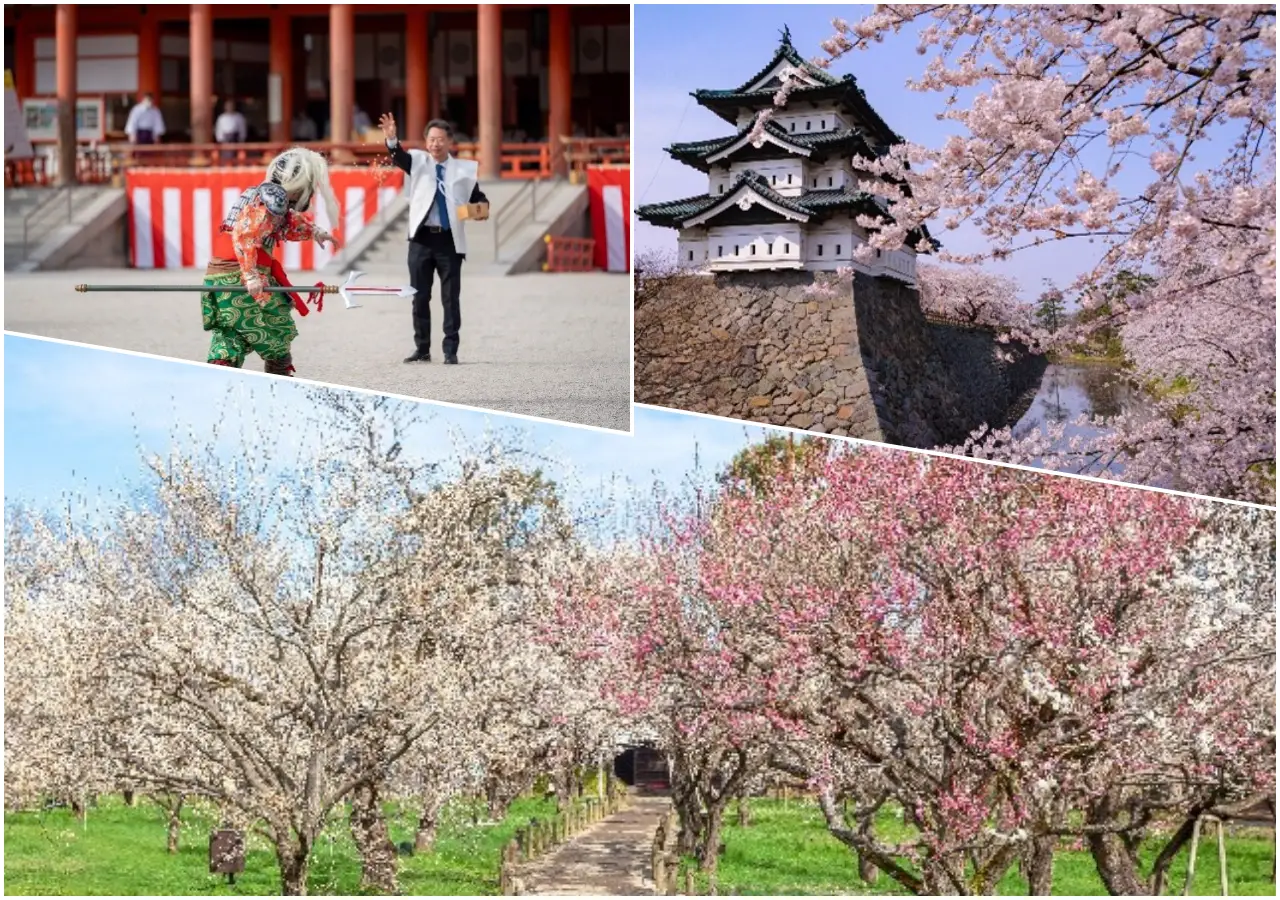
As winter transitions into spring, traditional events anchor travel planning. Setsubun in early February marks the symbolic arrival of spring through community celebrations that emphasize renewal and good fortune. From mid-February to late March, the Plum Blossom Festival in Mito, Ibaraki Prefecture, showcases more than 3,000 plum trees across over 100 varieties within Kairakuen Garden, one of Japan’s Three Great Gardens.
Cherry blossom season remains the country’s most globally recognized travel draw. Blooming begins in subtropical Okinawa in late January before gradually moving north and reaching Hokkaido by late April. Travellers who carefully track regional bloom forecasts can distribute travel across less crowded destinations while maintaining access to peak viewing periods. Hirosaki Park in Aomori Prefecture hosts one of Japan’s most celebrated cherry blossom festivals from late April to early May, framed by more than 2,600 cherry trees surrounding Hirosaki Castle.
Looking ahead to 2026, JNTO anticipates further expansion in air capacity and a strategic shift toward promoting lesser-known regional destinations. The approach aims to distribute visitor flows more evenly, reduce congestion in major cities and create stronger economic benefits for rural communities. Local experiences, seasonal travel and cultural depth increasingly shape destination marketing strategies as travellers prioritize authenticity and sustainability.
For Turkish travellers, rising accessibility, diversified seasonal products and expanding regional discovery opportunities strengthen Japan’s appeal beyond traditional city itineraries. The sustained growth in visitor numbers reflects evolving consumer confidence in long-haul travel and the effectiveness of air connectivity in reshaping destination choice. If capacity continues to expand and regional promotion remains consistent, Japan is positioned to maintain momentum in the Turkish market while supporting balanced, long-term tourism development.
Photo Credit: JNTO