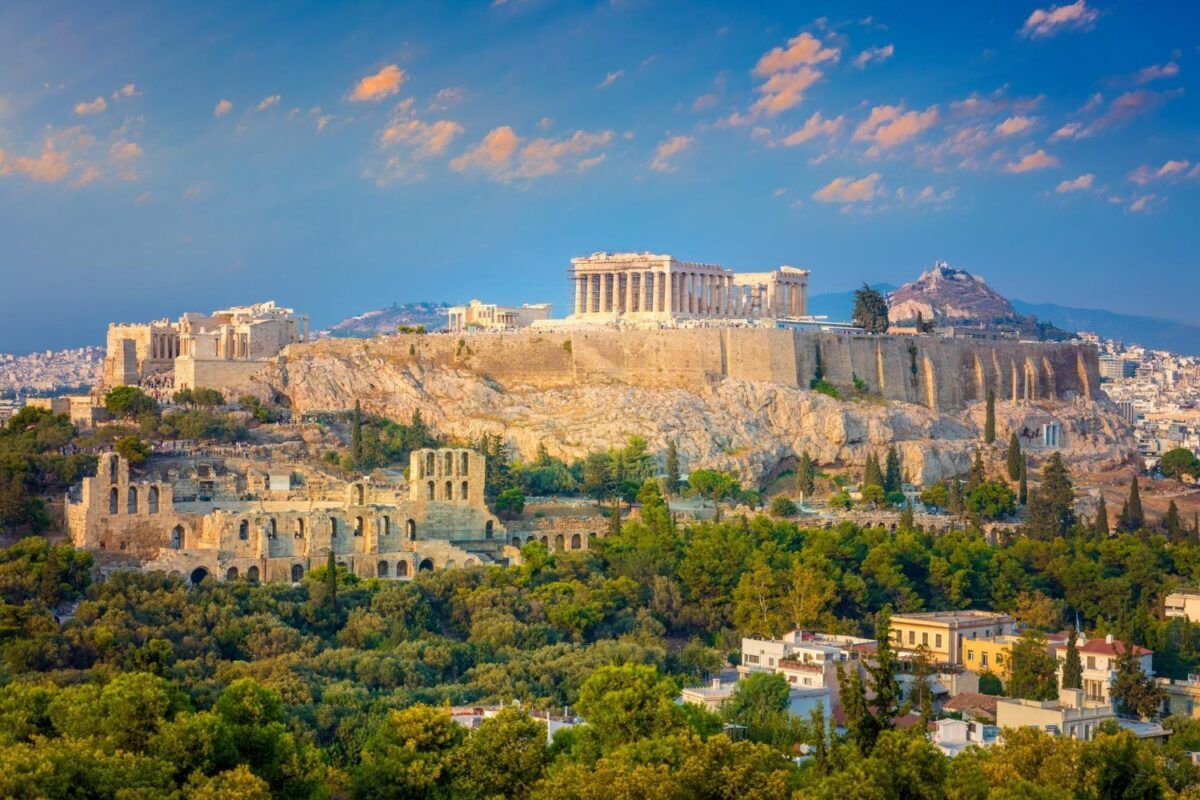
Greece tourism arrivals and receipts show strong growth in 2025 as the country continues its post-pandemic recovery with encouraging results across air arrivals, travel spending, and the short-term rental sector.
The latest monthly Statistical Bulletin released by INSETE Intelligence, based on data from the Hellenic Civil Aviation Authority (CAA), Athens International Airport (AIA), border stations, and the Bank of Greece, paints a detailed picture of the tourism industry’s solid momentum through the first five months of the year. This data underscores Greece’s position as one of Europe’s most resilient and attractive destinations, combining its diverse regional offerings with strategic planning and sustained demand.
For the period January–May 2025, Greece saw 6.3 million international air arrivals, marking an increase of +5.9% or approximately 351,000 more passengers compared to the same period in 2024. Travel receipts in January–April also grew by an impressive +10.6%, reaching €2,157 million. These numbers are not only evidence of Greece’s enduring appeal among global travellers but also highlight the country’s ongoing success in extending the tourism season and diversifying its markets. They come at a time when tourism remains a critical driver of the Greek economy, supporting employment, investment, and regional development across the mainland and islands alike.
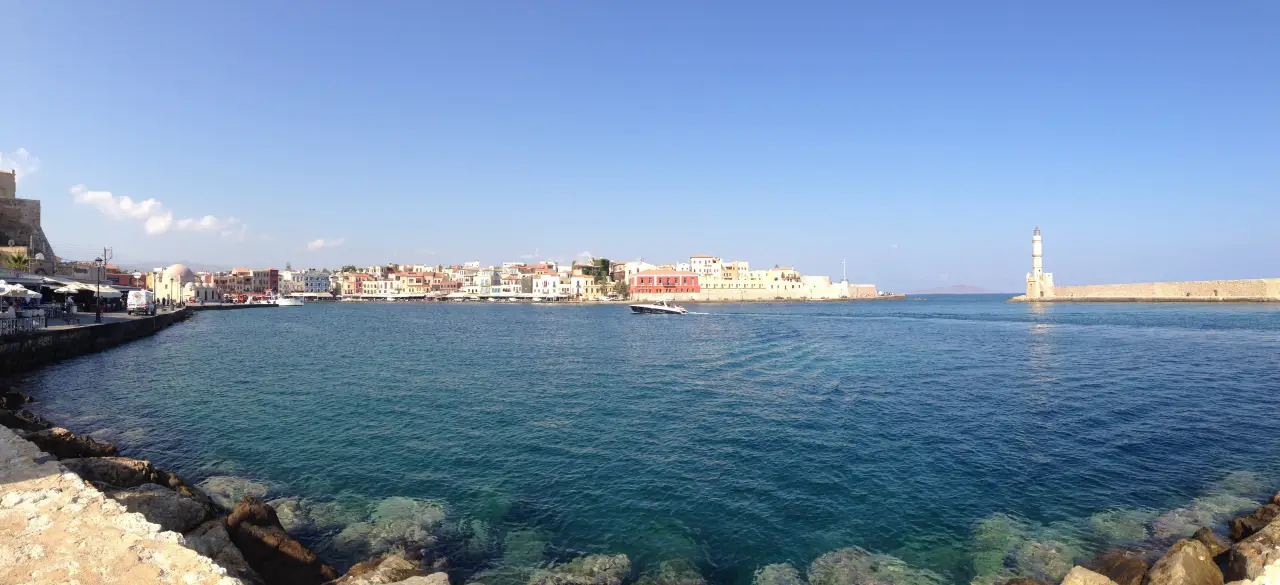
Greece Tourism Arrivals and Receipts Show Strong Growth in 2025 Across Key Regions
Breaking down the January–May 2025 international air arrivals figures reveals robust performance across nearly all major Greek tourism regions. Crete led the way with 1.0 million passengers, reflecting a +5.6% increase (an additional 54,000 arrivals compared to the same period in 2024). This strong growth demonstrates Crete’s continued role as a flagship destination, renowned for its blend of historical sites, natural beauty, and well-developed hospitality infrastructure.
The Dodecanese followed with 786,000 international arrivals, up by +3.3% (+26,000), while the Ionian Islands recorded 547,000 arrivals, growing by +5.2% (+27,000). These gains show the importance of balanced regional tourism strategies, which have helped distribute visitor flows more evenly across the country’s many island chains. In the Peloponnese, international air arrivals reached 38,000 passengers, marking a remarkable +16.0% increase (+5,000). This double-digit growth signals success in attracting new markets to lesser-known areas and underscores efforts to promote authentic experiences beyond the classic island destinations.
One outlier was the Cyclades, which recorded a decline of -15.3%, with 133,000 international air arrivals—24,000 fewer than in the same period last year. This dip highlights the need for continued marketing and infrastructure improvements in certain regions, as well as the challenges posed by seasonality, capacity constraints, and the evolving preferences of visitors seeking alternative, less-crowded experiences.
May 2025 Brings Further Positive Signals
Focusing on the month of May itself, international air arrivals in Greece totalled 3.0 million, representing an increase of +5.3% (+153,000 passengers) compared to May 2024. This month-by-month growth is especially important as it signals an early start to the high season, a priority for Greek tourism policymakers and businesses aiming to extend the traditional summer window and distribute tourism benefits more evenly throughout the year.
These May figures underline the effectiveness of Greece’s strategies to promote travel during shoulder months, manage visitor density, and sustain local economies beyond the peak July–August period. For many regions, early summer bookings and arrivals are vital to the viability of small businesses, local attractions, and hospitality workers who rely on consistent demand. The positive trends in May point to growing success in reshaping Greece’s tourism calendar to better match traveller expectations for authenticity, affordability, and less crowded experiences.
Indeed, the data confirms that Greece continues to attract a broad international market. Air arrivals are counted regardless of nationality or residence, reflecting both repeat visitors and new travellers from established and emerging markets. This diversity of source markets is critical for long-term resilience, helping the industry weather challenges such as economic fluctuations or geopolitical uncertainties that might affect individual countries or regions.
Travel Receipts Point to High-Value Tourism
Equally encouraging are the figures on travel receipts, which show not only more visitors but also higher spending. In the period January–April 2025, travel receipts reached €2,157 million, up by +10.6% over the same period in 2024. This significant growth underscores Greece’s ability to attract high-value visitors and maintain strong tourism revenue streams even as competition in the Mediterranean intensifies.
Interestingly, the breakdown of receipts reveals dynamic shifts in source markets. Receipts from residents of other countries outside the European Union rose by +26.0%, amounting to €1,040 million. This reflects Greece’s success in diversifying its tourism base beyond traditional European markets, appealing to long-haul travellers and new source markets seeking safe, welcoming, and culturally rich destinations. Meanwhile, receipts from residents of European Union countries showed a slight decline of -1.8%, amounting to €1,026 million, a trend that merits continued monitoring and targeted marketing efforts.
Within the EU, the euro area markets contributed €862 million (-5.7%), while non-euro area EU countries increased their spending by +25.4% to €164 million. This nuanced picture suggests both challenges and opportunities: while some traditional euro area markets appear to be spending less, other EU countries are discovering or rediscovering Greece, delivering growth that balances out overall performance. It also highlights the importance of adapting marketing strategies and product offerings to changing economic conditions and consumer preferences across Europe.

Source Market Highlights and Strategic Implications
A closer look at individual source markets provides valuable insights into Greece’s current tourism dynamics. Receipts from Germany, Greece’s historically largest market, increased slightly by +0.8% to €297 million, maintaining its crucial role in sustaining arrivals and revenue. France, however, recorded a sharp decline of -25.0%, with receipts falling to €110 million. Similarly, receipts from Italy decreased by -6.6%, also reaching €110 million. These drops suggest areas where Greece may need to reinvigorate marketing and promotional activities to restore momentum and address potential barriers to travel.
On the positive side, receipts from the United Kingdom rose robustly by +23.4% to €168 million, while receipts from the United States jumped by an impressive +36.8% to €325 million. These gains from key non-EU markets highlight Greece’s ability to position itself as a destination of choice for English-speaking travellers seeking a mix of history, culture, nature, and hospitality. The growth from the U.S. market is particularly significant given the strategic efforts to strengthen transatlantic connections, including direct flights and targeted promotional campaigns.
Such shifts underline the importance of maintaining a balanced, multi-market strategy that mitigates risks while capitalising on new opportunities. Greece’s tourism authorities and private sector partners will need to continue adapting their offerings and marketing messages to match evolving traveller expectations, from sustainability and local authenticity to premium experiences and family-friendly options.
Short-Term Rentals See Record Early-Year Growth
Beyond traditional hotels and resorts, Greece’s short-term rental market also demonstrated strong growth during the first five months of 2025. The second quarter began with solid momentum: in April, 228,000 accommodation units were recorded, an increase of +16,000 compared to April 2024. In May, the figure rose further to 236,000 units, marking an additional +18,000 year-on-year. This growth reflects continued demand for flexible, self-catered options that appeal to a wide range of travellers, from families and groups to remote workers and adventure seekers.
Even more striking is the steady increase in available beds. At the national level, April recorded 1.008 million beds, up by +73,000 compared to 935,000 in April 2024. May saw the number of beds reach 1.038 million, showing an increase of +76,000 compared to 962,000 in May 2024. Notably, 2025 marks the first time that Greece surpassed 1 million available beds as early as April—a threshold that in previous years was only reached in July, typically the peak tourism month. This shift indicates successful efforts to extend the season and adapt capacity planning to match demand patterns.
The growth in short-term rentals aligns with broader trends in global travel. Many visitors seek authentic local experiences, privacy, and flexibility that traditional hotels may not always provide. This segment also supports local economies, particularly in smaller towns and less-developed regions, by distributing tourism revenue beyond established hotspots. For policymakers, ensuring sustainable growth in this sector will be key, balancing visitor needs with community interests and regulatory frameworks that maintain quality and safety standards.
In summary, Greece tourism arrivals and receipts show strong growth in 2025 thanks to a mix of strategic planning, market diversification, and product evolution that continues to reinforce the country’s position as a premier global destination. With continued collaboration between public and private stakeholders, Greece is well-positioned to build on this momentum, delivering memorable, sustainable experiences to millions of visitors in the months and years ahead.