International travelers planning a trip to the United States after October 1, 2025, will face a surprising new expense: a $250 “Visa Integrity Fee.” This additional charge, part of a broader U.S. federal budget measure, aims to enhance compliance with immigration rules while funding border and visa enforcement initiatives.
The announcement has already sparked conversation across the global tourism sector, as it substantially increases the cost of visiting the United States. From backpackers to business travelers, the new policy affects millions—except for a select few exemptions.
What Is the Visa Integrity Fee?
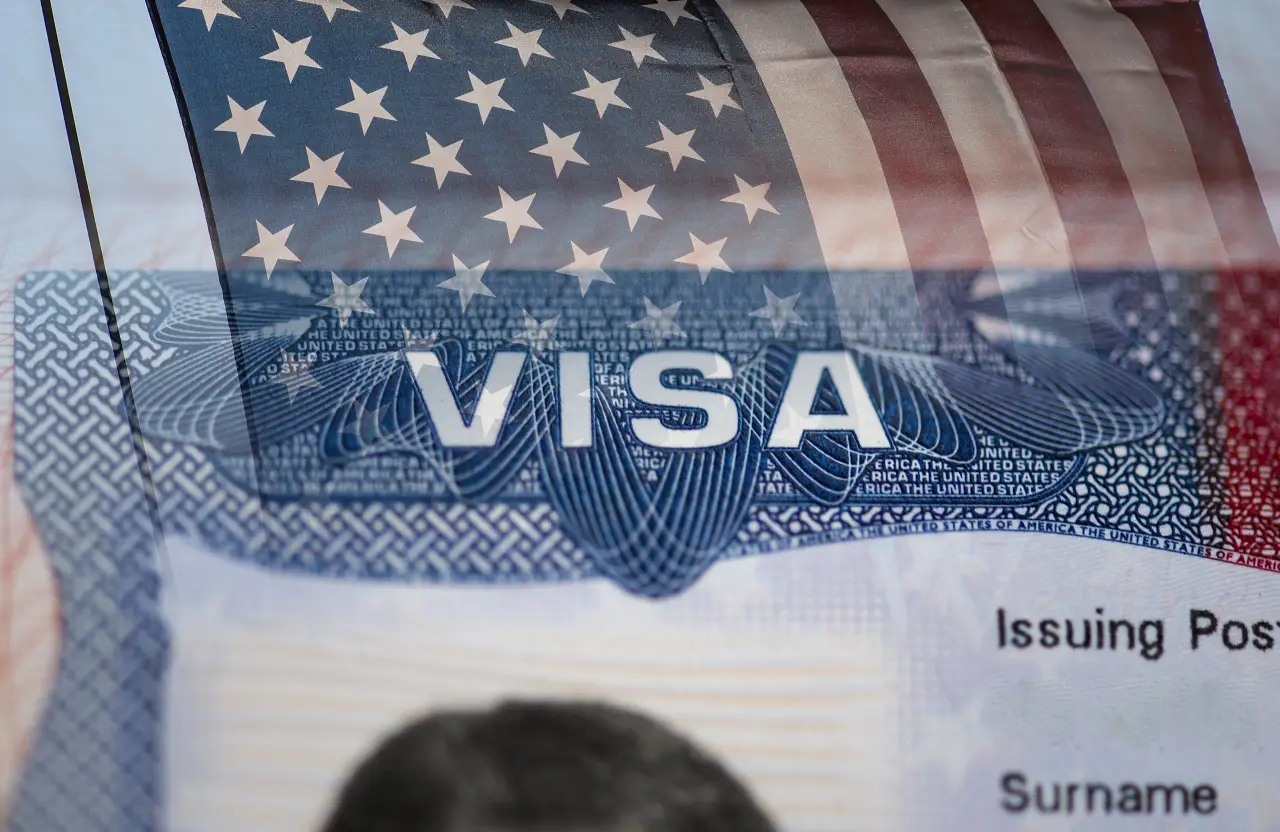
The Visa Integrity Fee is a new mandatory payment introduced by the U.S. Department of Homeland Security. It applies to all non-immigrant visa applicants, including tourists (B-1/B-2), international students (F-1), temporary workers, and others seeking short-term entry into the U.S. The policy is slated to begin on October 1, 2025.
Applicants from countries under the Visa Waiver Program (ESTA)—including much of Western Europe, Japan, South Korea, and a few others—will not be subject to this fee. Likewise, individuals holding diplomatic visas (categories A and G) are exempt.
The fee was approved as part of a sweeping federal budget package signed into law in mid-2025. Officials argue that this charge is designed not only to offset administrative costs but also to enforce immigration compliance.
Refunds for Rule Followers
There’s a unique twist to the fee: eligible travelers may receive a refund. According to the Department of Homeland Security, the $250 will be returned to visitors who comply fully with U.S. immigration laws—leaving before their visa expires, refraining from unauthorized employment, and avoiding any immigration violations.
However, if a traveler overstays their visa, works illegally, or breaches any immigration regulations, the refund will be forfeited. This conditional structure is aimed at incentivizing lawful behavior while discouraging visa misuse.
Higher Visa and Entry Costs
With the new charge added to the existing visa processing fee, the total cost for a standard U.S. tourist visa will exceed $435. Here’s how the cost breaks down:
| Item | Previous Cost | New Cost (as of Oct 2025) |
|---|---|---|
| Tourist Visa (B-1/B-2) | $185 | $185 |
| Visa Integrity Fee | N/A | $250 |
| I-94 Entry Form | $6 | $24 |
| Total Estimated Cost | $191 | $459 |
For travelers on a budget, these increases could be significant. The cost jump is particularly impactful for families, students, and those making repeat visits.
Industry Reactions and Global Concerns
Tourism industry insiders and travel advocates are raising red flags over how this new fee might affect inbound travel to the United States. For many, the country is already considered a premium destination, and higher entry costs may deter potential visitors.
While the fee’s refundability may soften the blow for some, concerns remain that the high upfront cost will discourage first-time travelers or cause them to opt for more affordable destinations.
U.S. travel operators and hospitality businesses—already recovering from the COVID-19-era slowdowns—fear a drop in international visitor numbers, especially from price-sensitive markets in Latin America, Southeast Asia, and Africa.
Global Mobility at a Crossroads
The move underscores a broader global trend of tightening border controls and rising visa fees. From Europe’s upcoming ETIAS system to Australia’s strict visa screening protocols, many countries are balancing tourism growth with domestic security and immigration management.
Still, the U.S. remains one of the most visited countries on Earth, welcoming tens of millions of international travelers each year. How this new fee affects those numbers—and whether it achieves its intended goal of curbing visa violations—remains to be seen.
For now, prospective travelers should be aware of the new rules and budget accordingly. And perhaps more importantly, those planning to visit the U.S. in the coming year may want to do so before October 1, when the new policy kicks in and the cost of American adventure takes a leap.
Photo Credit: Savvapanf Photo / Shutterstock.com