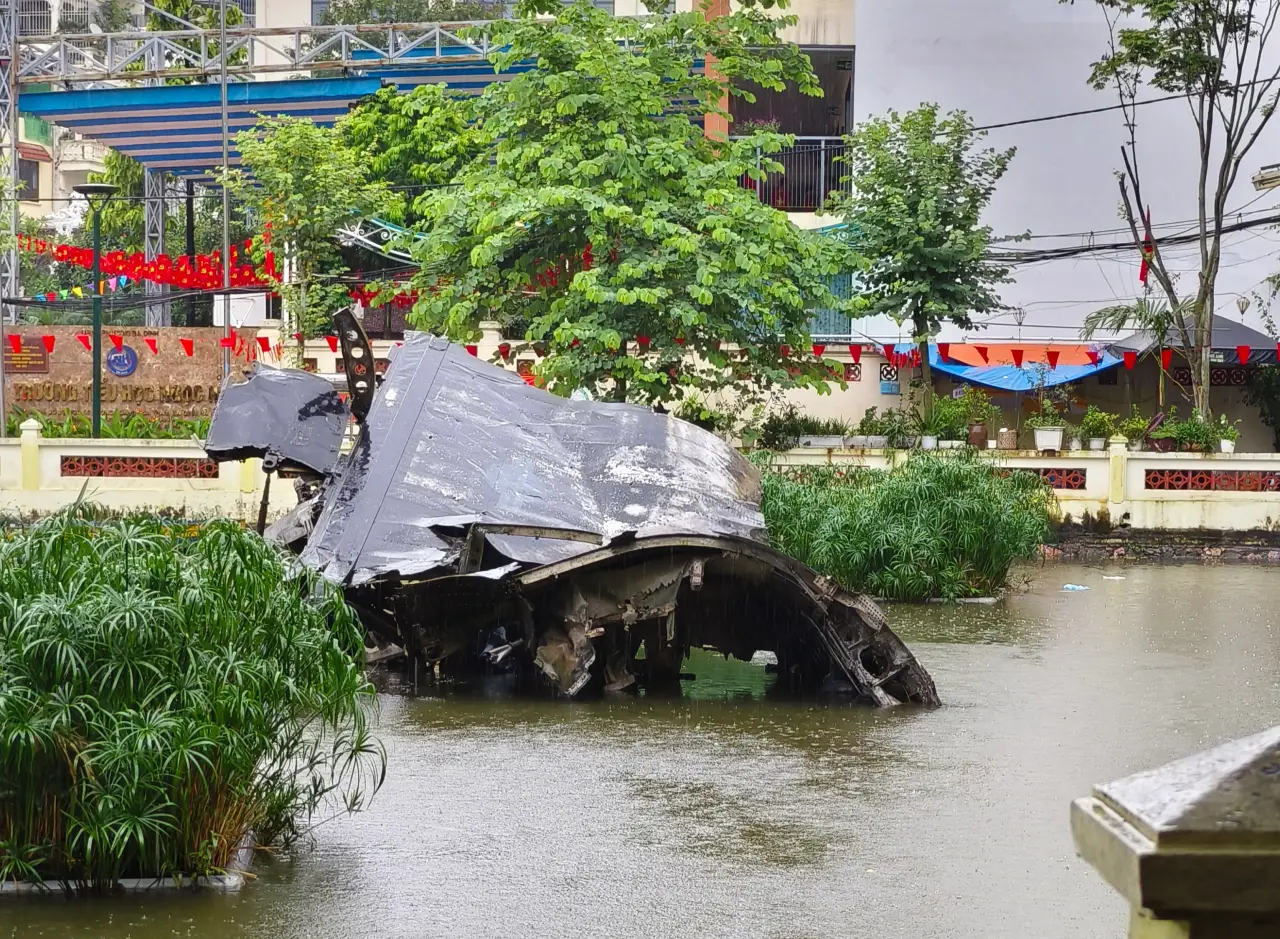
The B-52 Lake Hanoi offers a small piece of history but carries great symbolic significance for Vietnam, so much so that it has kept part of this American aircraft on display in the lake where it was shot down in 1972 during the Vietnam War.
Visitors need to navigate narrow alleyways and corridors, zig-zagging between people’s homes, local shops selling fruits and spices as well as mini convenience stores for about 15 to 20 minutes before arriving at the lake, which is located in the middle of a residential area, where homes have since been built around the lake.
I felt a sense of anticipation whilst walking towards the lake. It was a bit surreal when I arrived and saw the wreckage’s undercarriage and wheels partially submerged in the lake, undisturbed for over 50 years. Due to the rain, there were no other visitors there. The quietness and peaceful surroundings give it an air of serenity but at the same time, it also serves as a grim reminder of the Vietnam War.
History
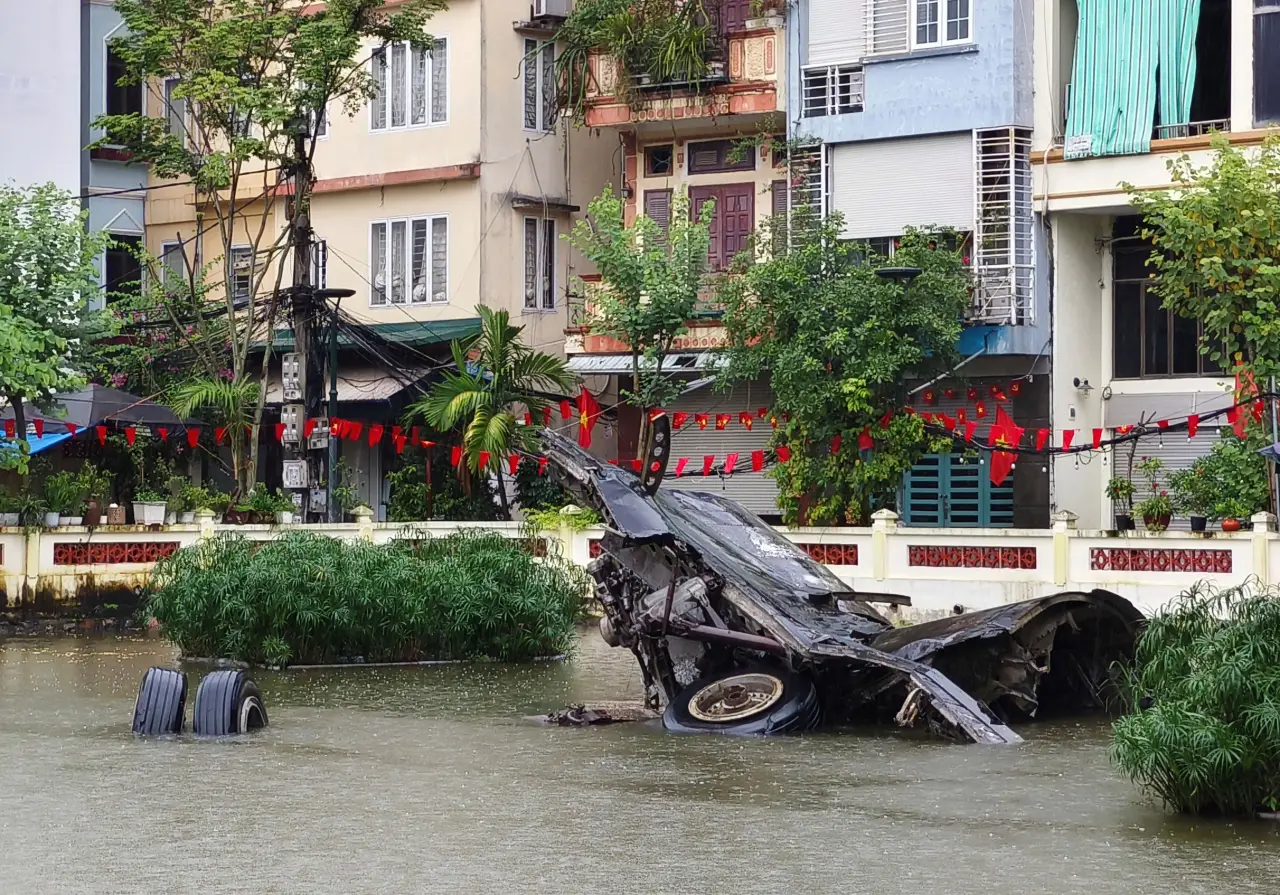
On 27 December, 1972, during a U.S. aerial bombing campaign, a B-52 bomber was hit by a surface-to-air missile while flying over Hanoi. The missile caused severe damage to the aircraft and led it to crash into the lake. It had six crew members, out of whom five survived and were taken to jail at Hoa Lo Prison (also known as ‘Hanoi Hilton’).
Even though it has been in the lake for 50 years, the fuselage shows no signs of rust. A tree is even sprouting from the fuselage and is growing well. A concrete block has been installed to prop up the wreckage so that it does not sink. The rest of the aircraft, such as the wings and fuselage, are located at a museum near the edge of the lake, the B-52 Victory Museum.
You can view more photos here.
Vietnam Military Museum
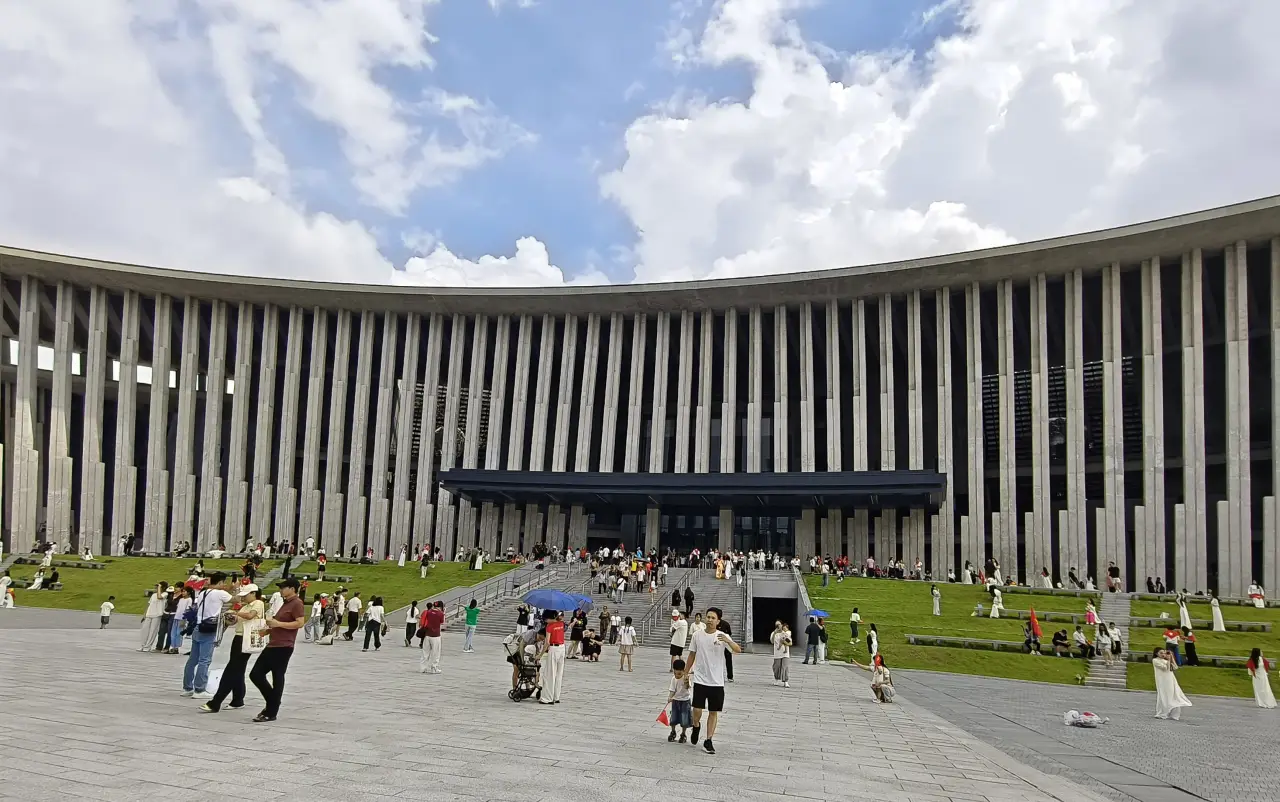
The Vietnam Military Museum is a source of national pride for Vietnam and showcases the country’s struggles for independence as well as its military history from ancient times to the present.
I visited during the week leading to Vietnam’s 80th anniversary, which was on 2 September 2025, celebrating the country’s independence from French colonial rule. Thus, there were thousands of local people, most of them wearing colourful traditional costumes, visiting the museum, which was a delight to see.
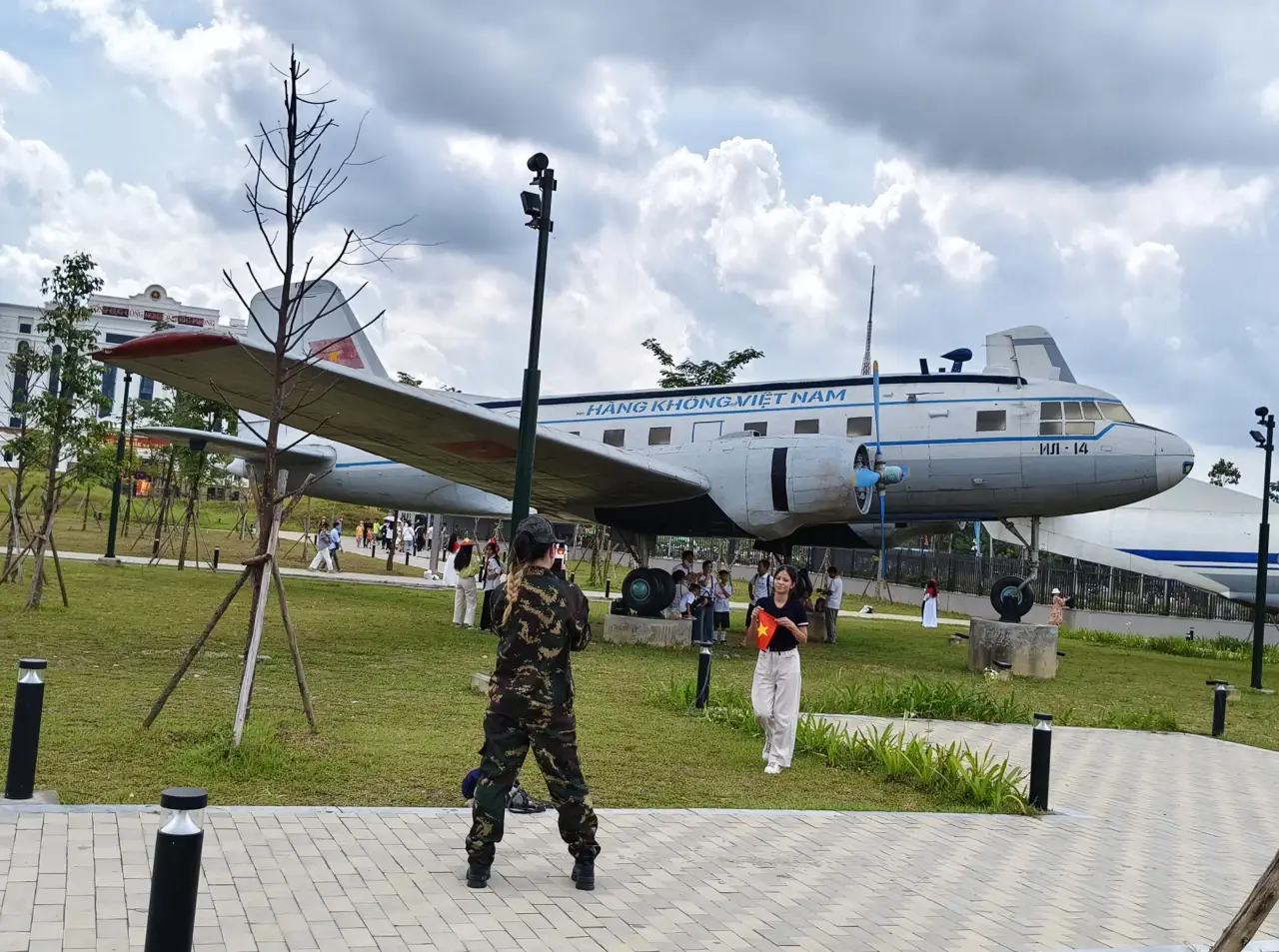
The museum features over 150,000 artifacts displayed in outdoor and indoor areas covering different periods of Vietnam’s history and from both the French and American wars.
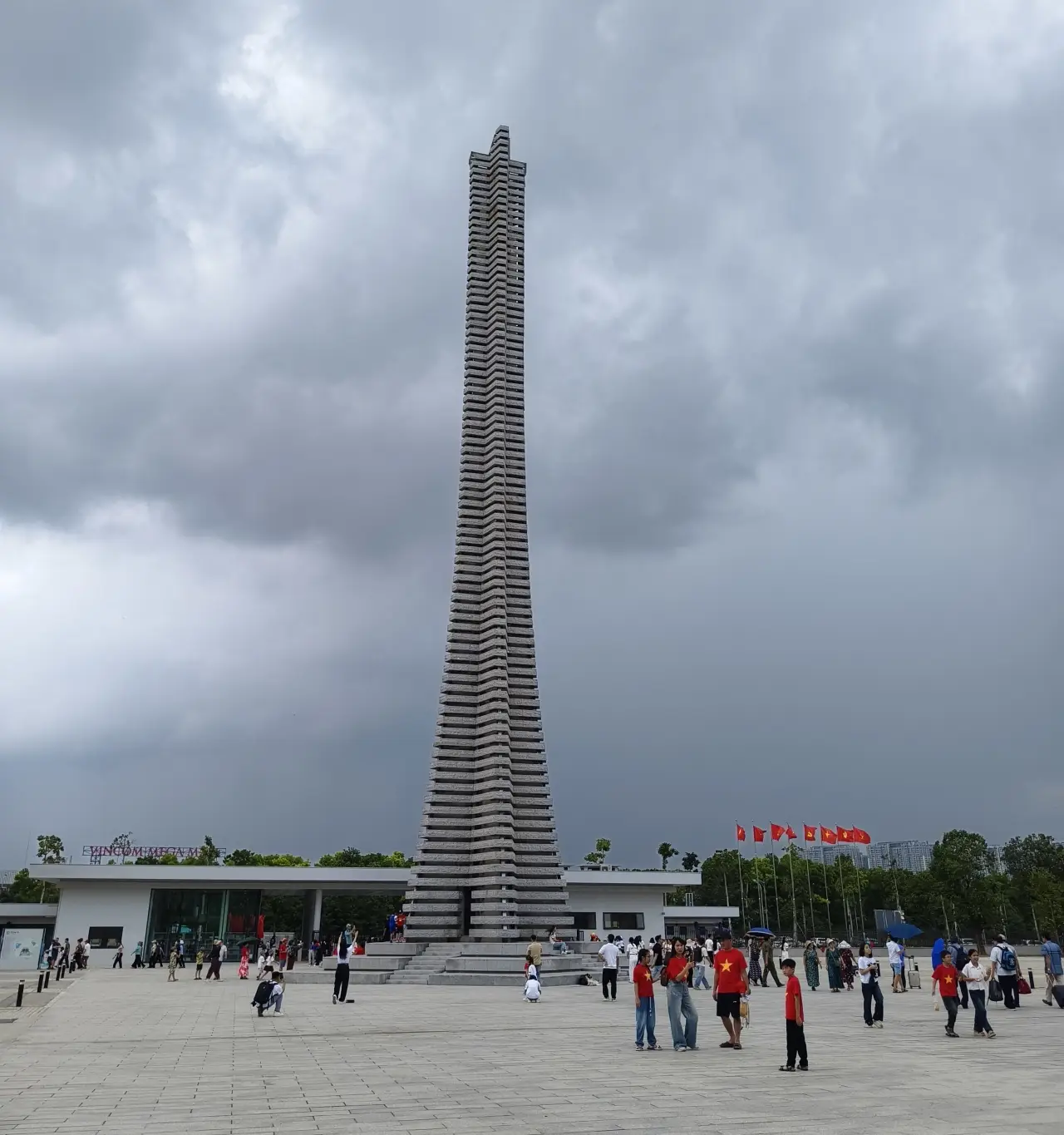
Vietnam’s independence from France in 1945 is marked by the 45m tall Victory Tower, which welcomes visitors once they enter the gates to the museum.
Outdoor exhibits
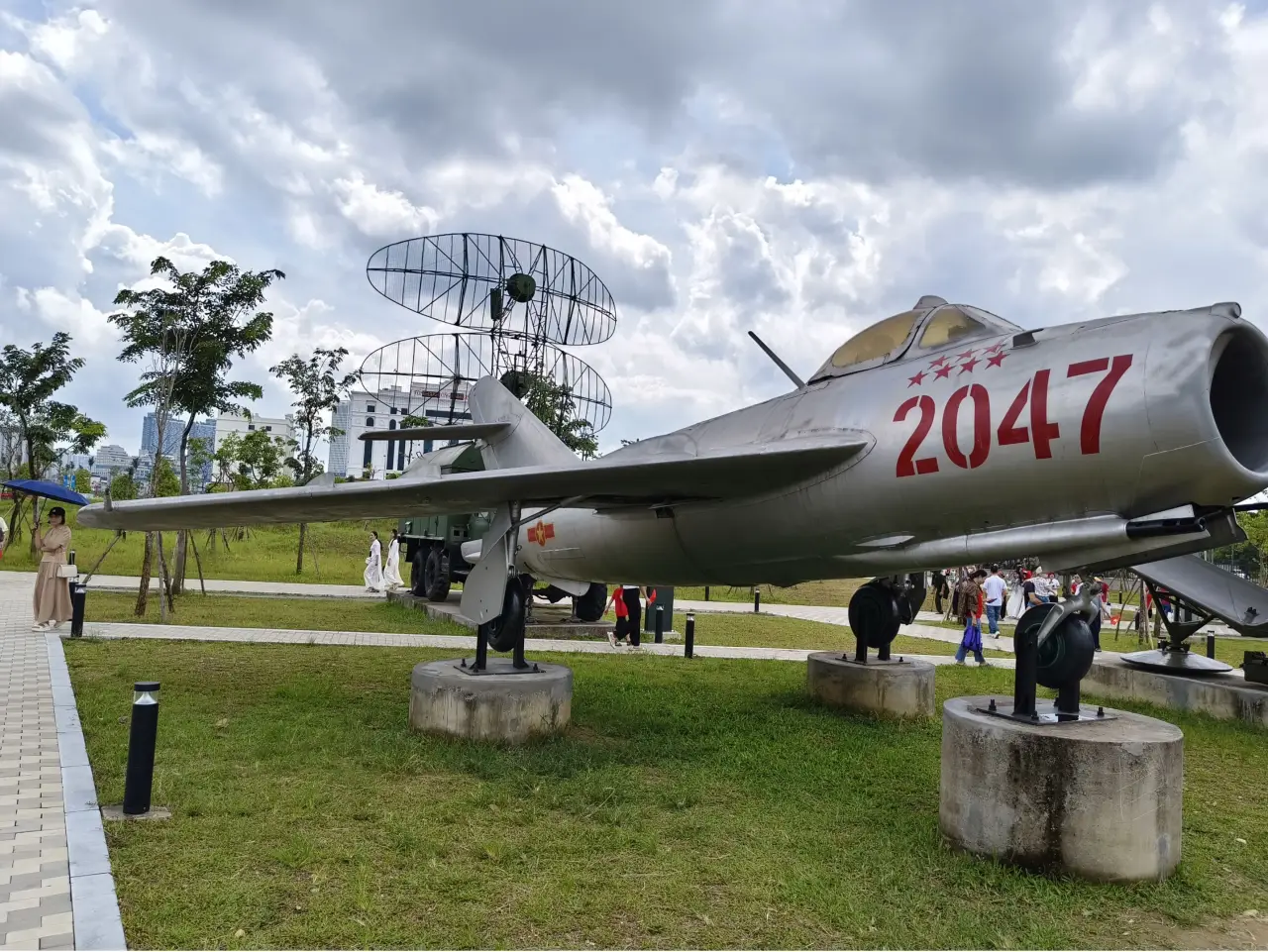
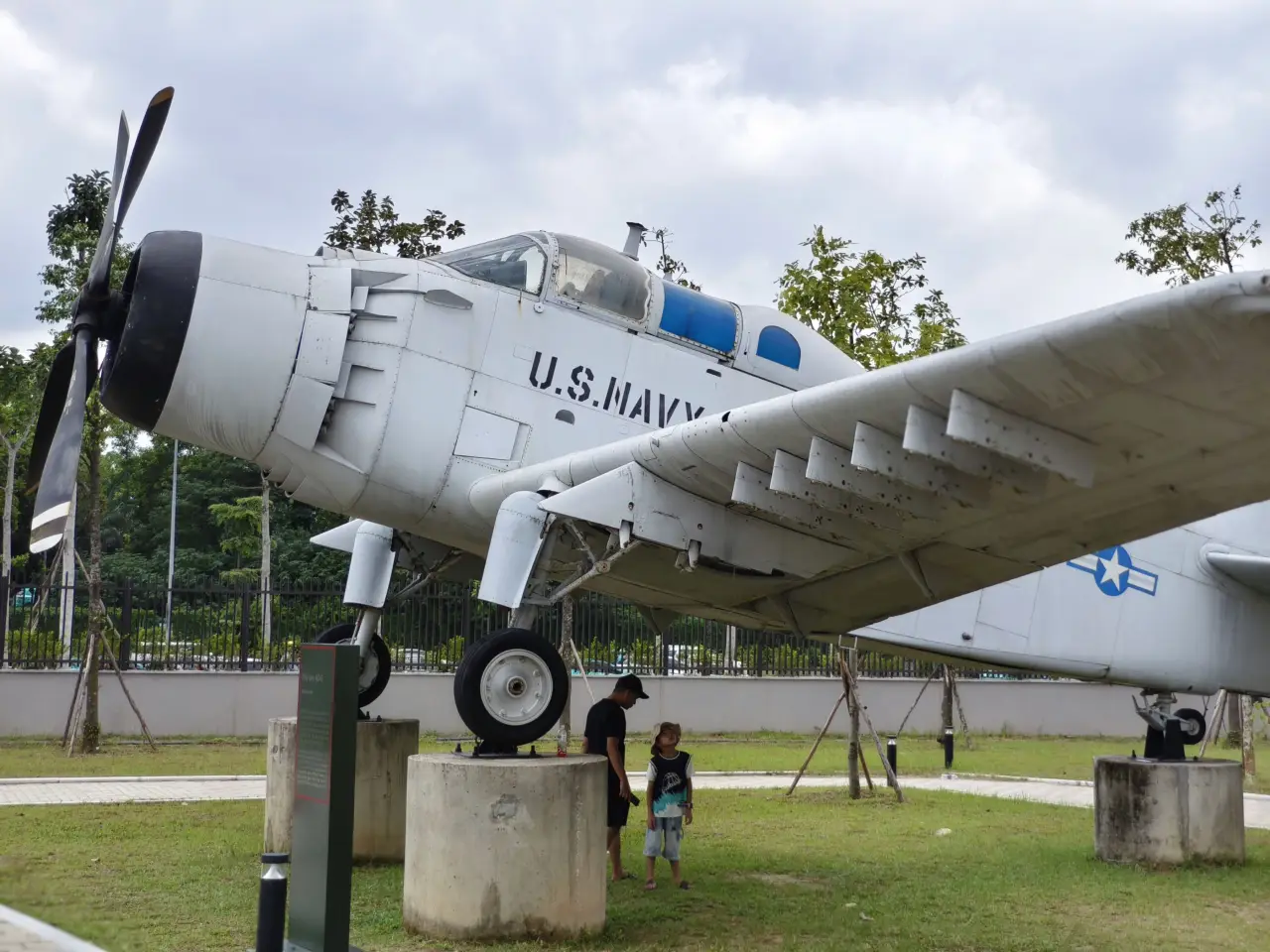
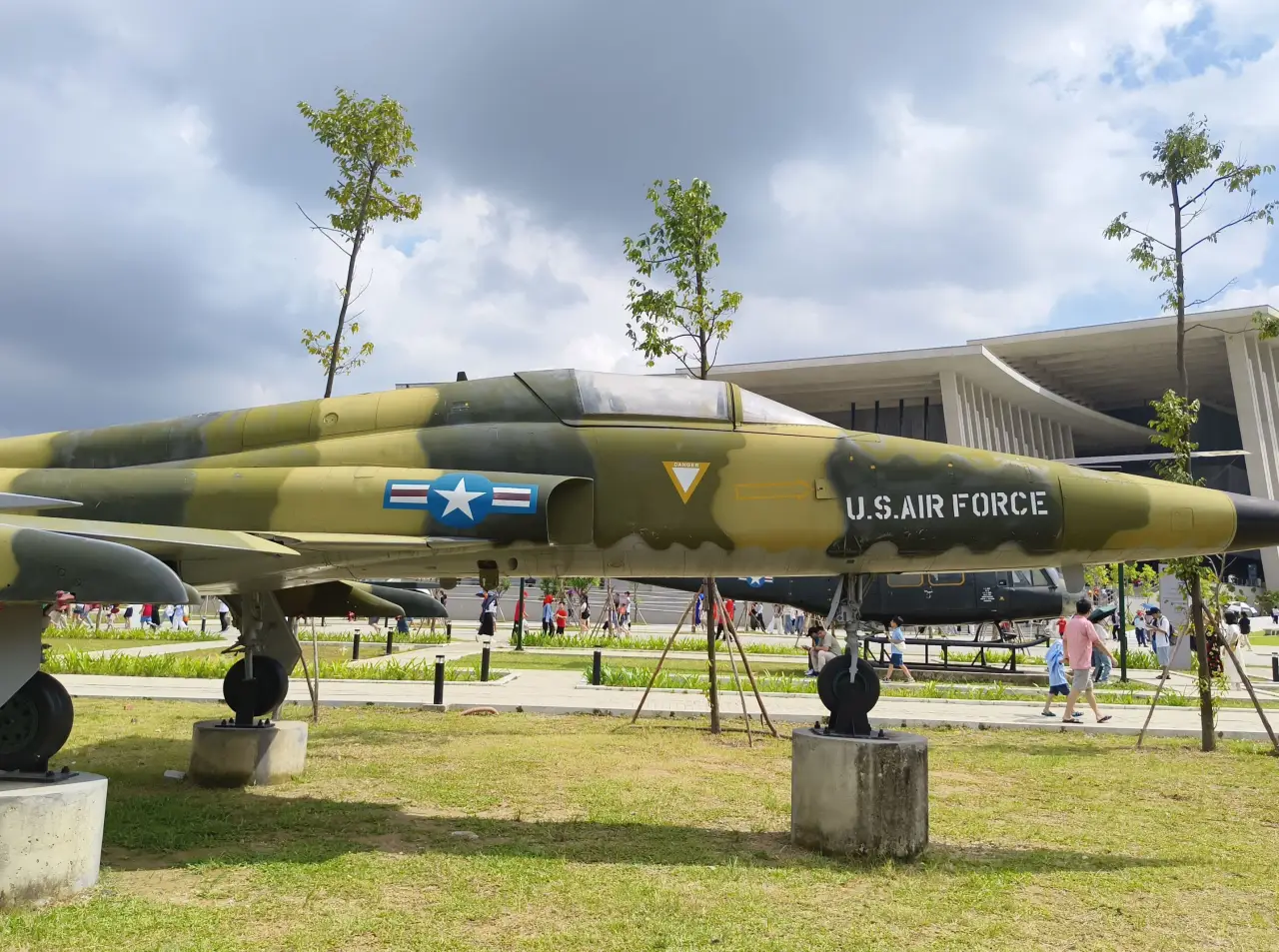
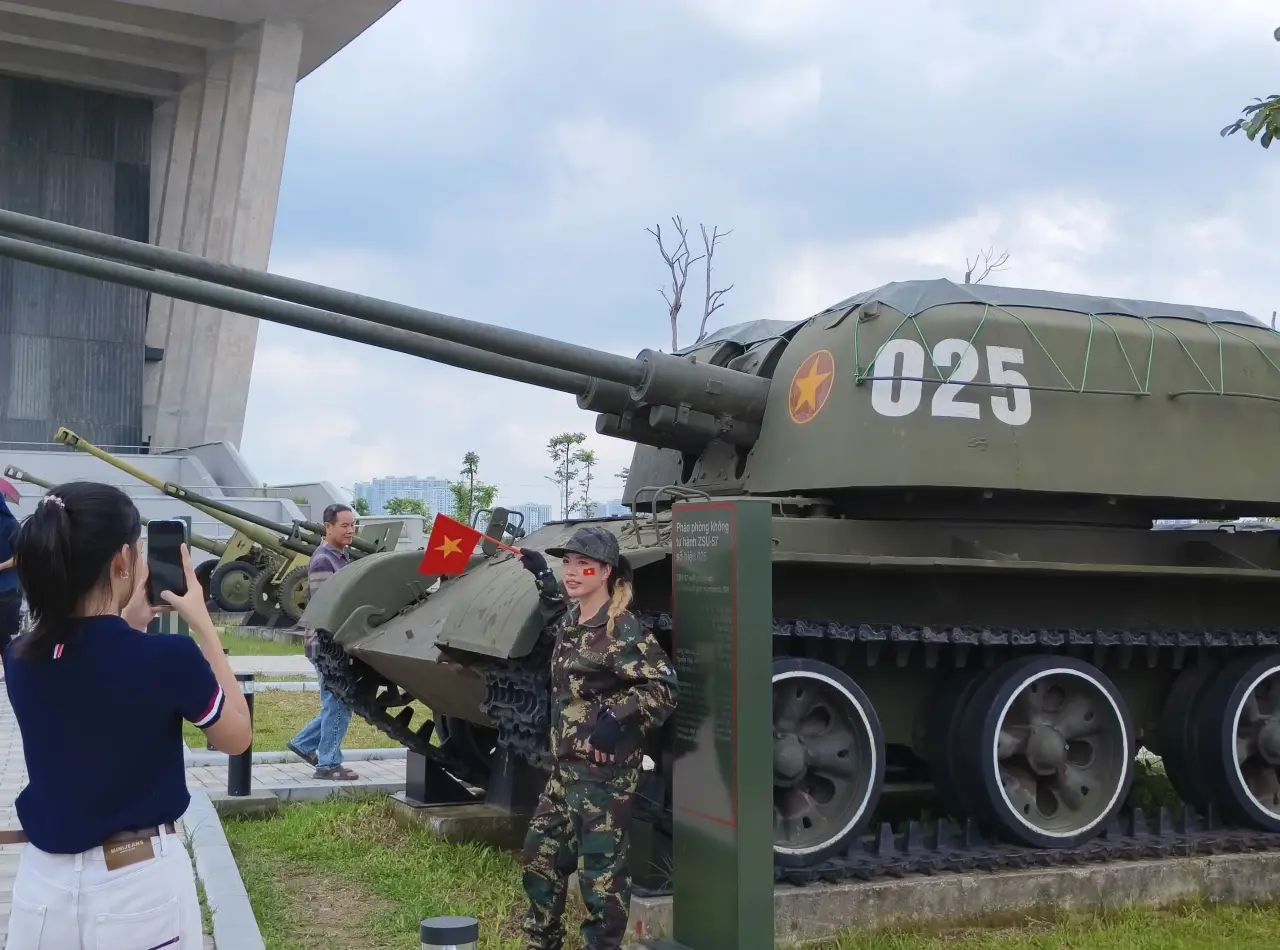
On the left and right of the museum are outdoor exhibition zones displaying a range of military equipment used during the wars against France and the Vietnam War. Even though there was a convivial atmosphere, the Soviet and Chinese tanks, fighter jets, and an assortment of artillery pieces stand as silent witnesses to history and war.
Indoor exhibits
The indoor exhibition is organised into six themed galleries, each corresponding to a pivotal era in Vietnam’s military history.
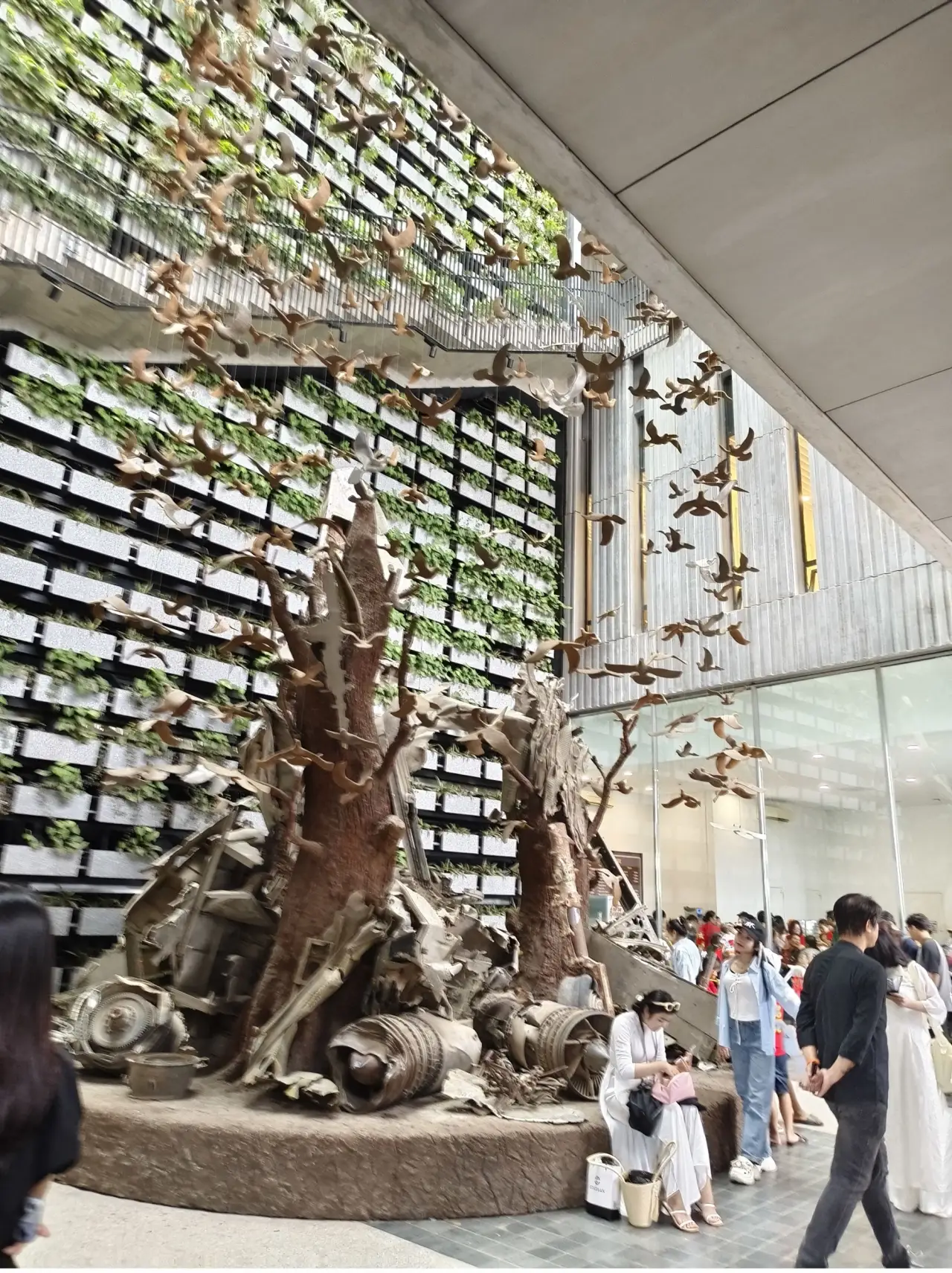
The Peace Monument rises from the wreckage of a B-52 bomber, featuring tree branches, green sprouts, and doves.
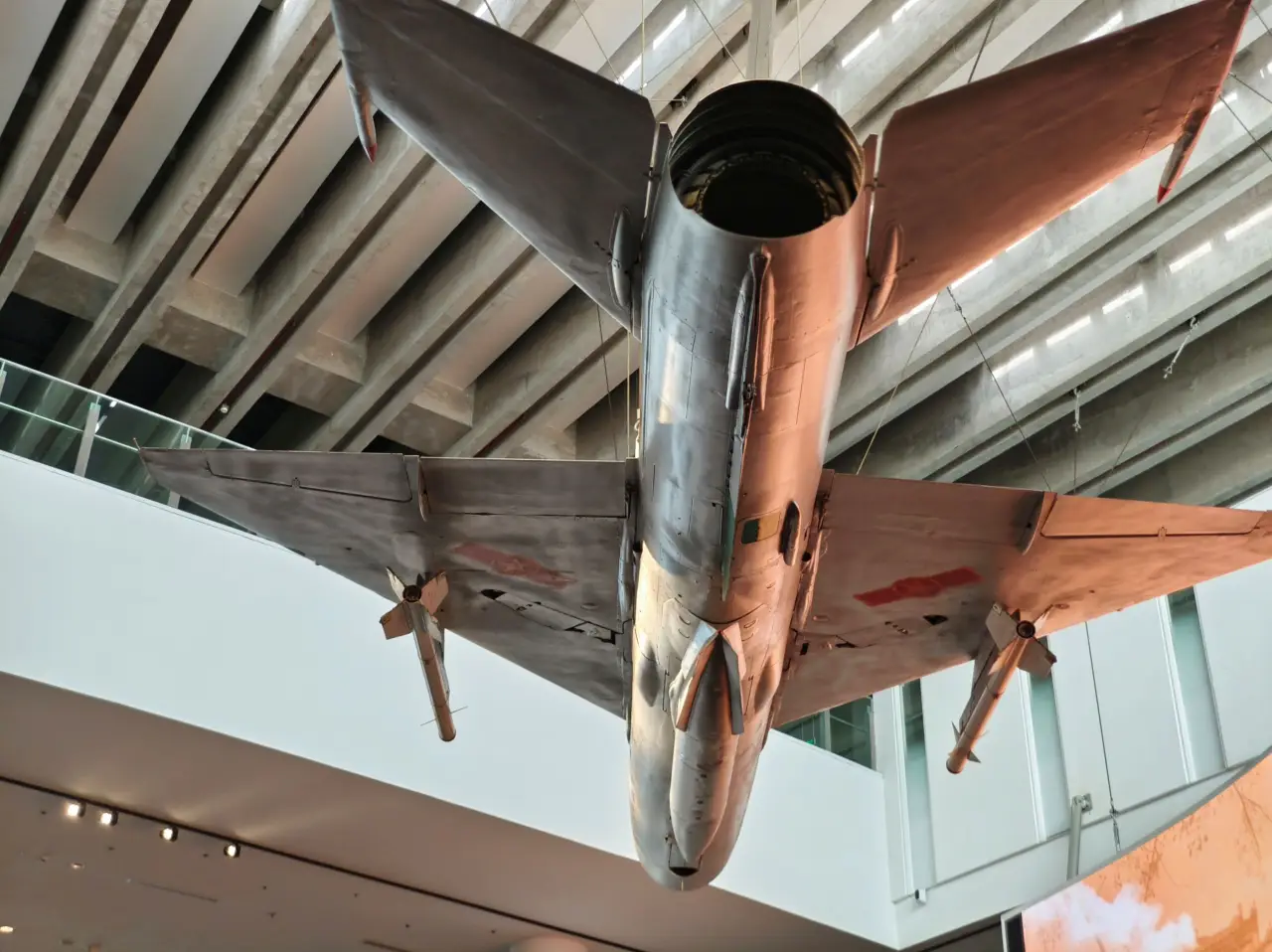
This indoor area also houses several items called national treasures, which include the Soviet-made MiG 21 aircraft, nicknamed the ‘silver swallow’, referencing its swift, swallow-like shape, that is suspended from the ceiling. This jet downed 14 planes during the war with the U.S. thus it has 14 red stars painted on it.
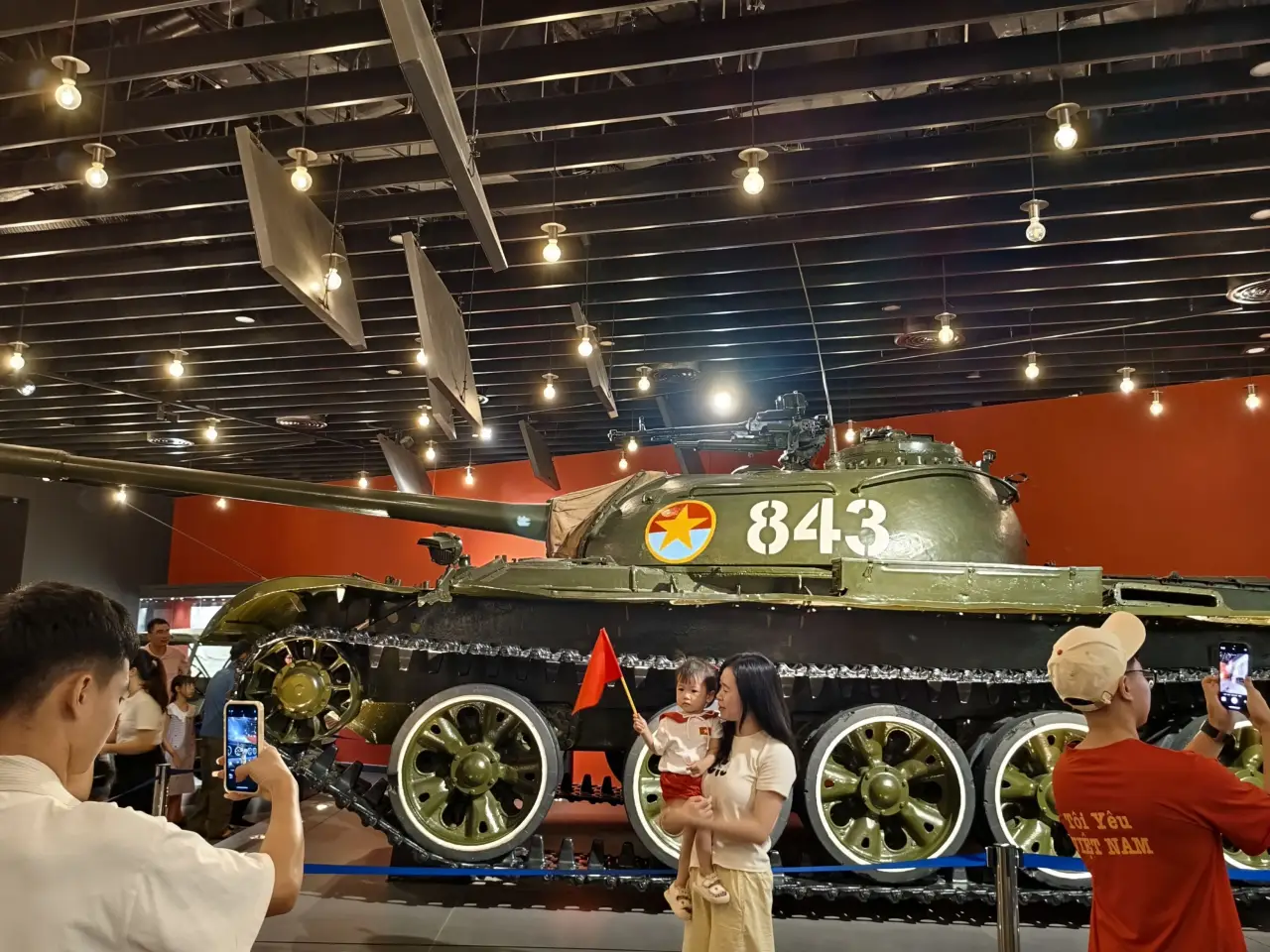
Another iconic exhibit is the Soviet-made tank T-54B number 843 that crashed through the gates of the Independence Palace on April 30, 1975, effectively ending the Vietnam War.
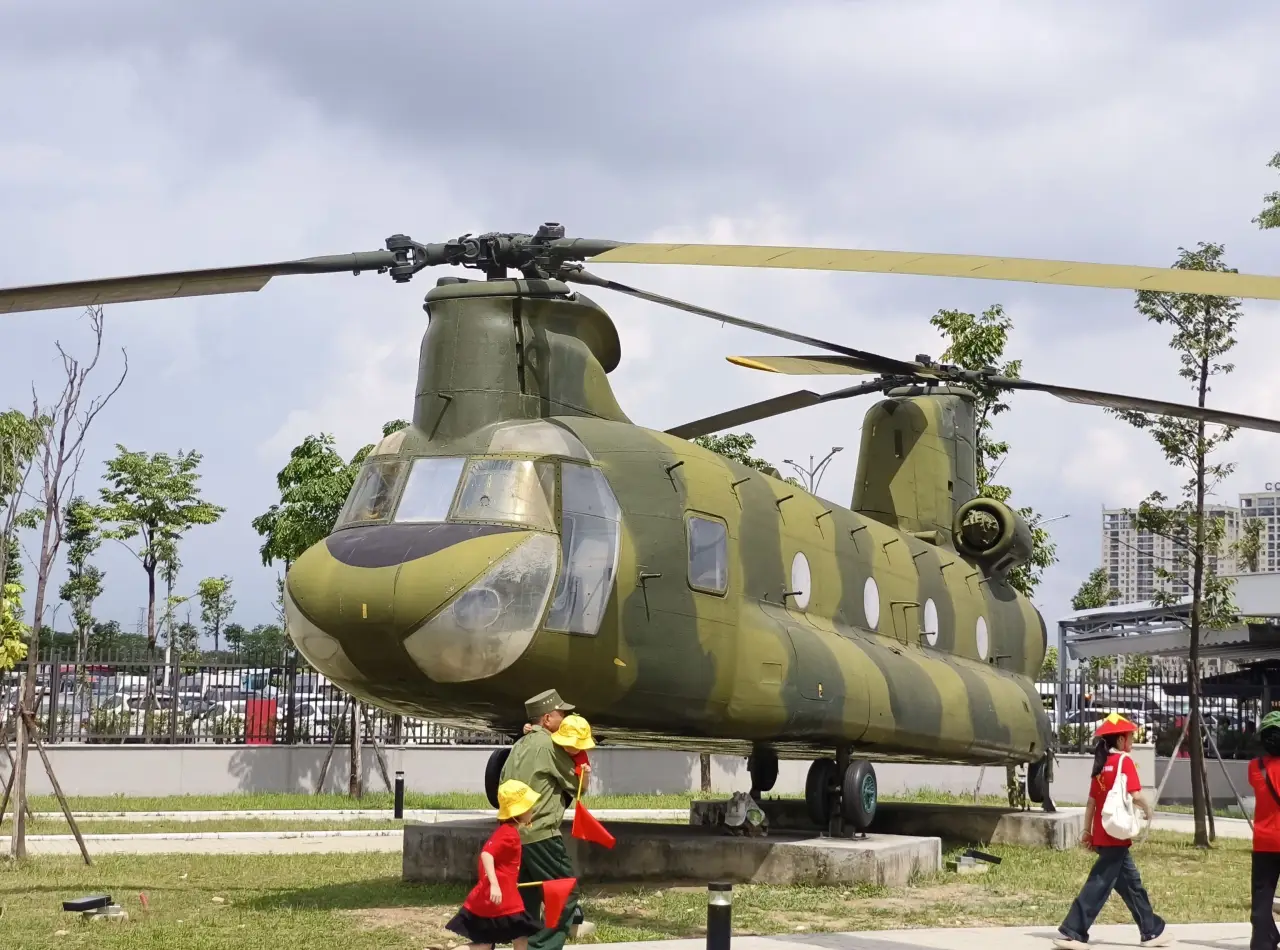
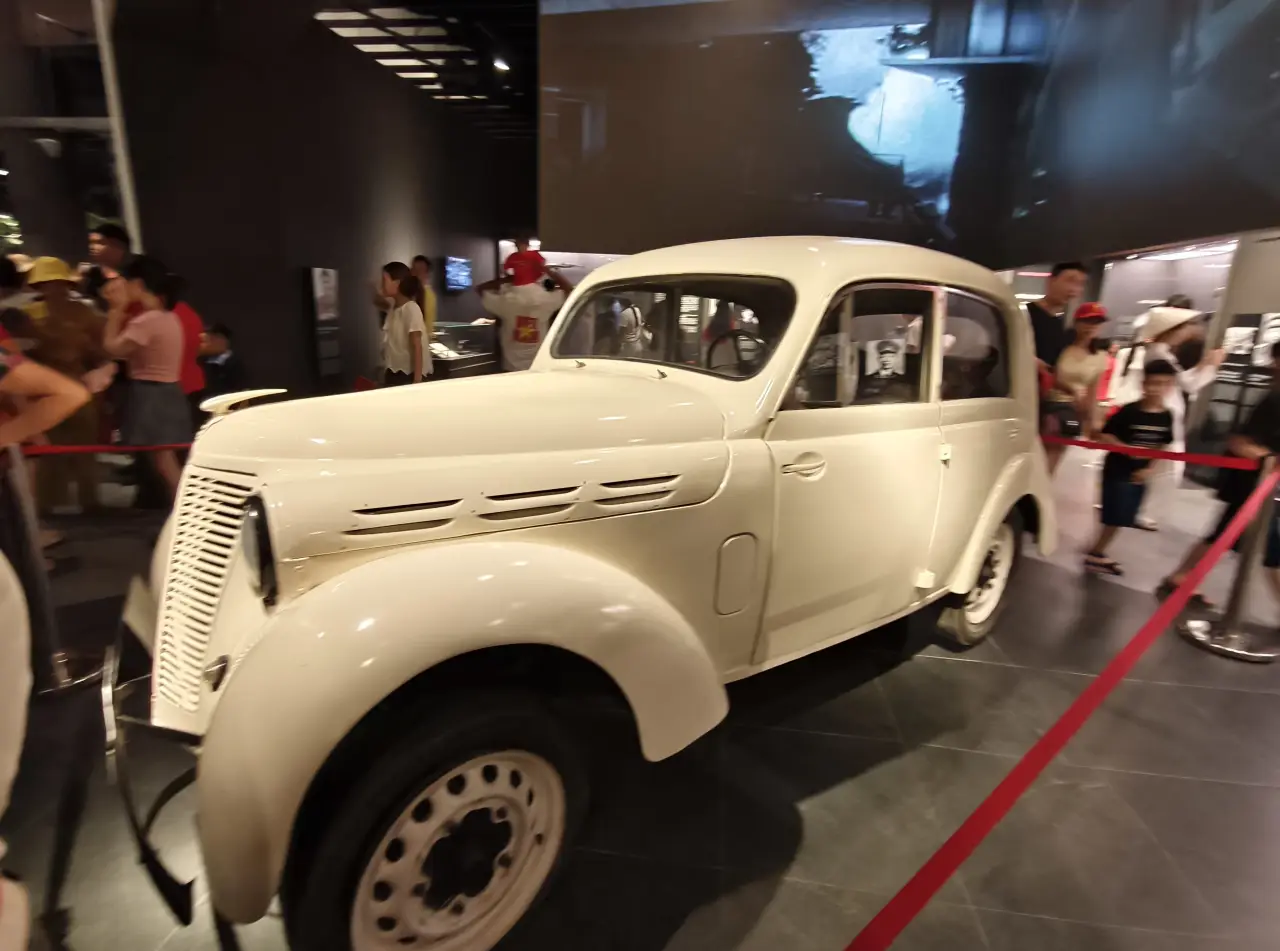
The exhibits now serve an educational purpose, even though most of them were killing machines in the wars.
The museum is closed on Mondays and Fridays, and it is closed during lunch time as well. You need to buy a ticket to enter, which costs about $1.50. The museum has no cafes or convenience stores, so do bring along your own food and drink if required.
You can watch a video of the museum here.
Hoa Lo Prison – Maison Centrale or ‘Hanoi Hilton’
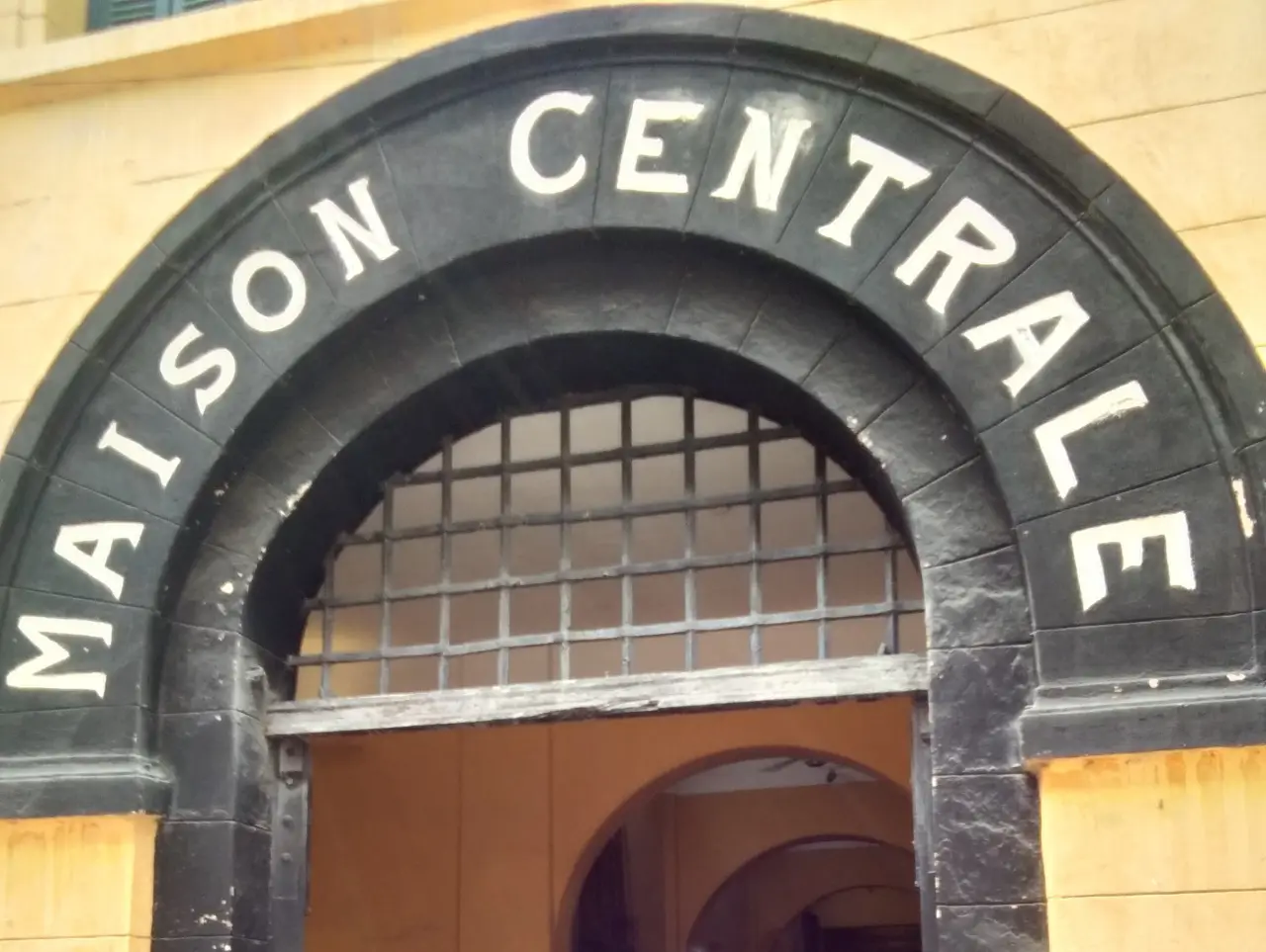
Originally built by the French in 1896, Hoa Lo Prison and was known as Maison Centrale, serving as a high-security detention centre for Vietnamese revolutionaries.
The Hoa Lo Prison was sarcastically called the ‘Hanoi Hilton’ by the American prisoners-of-war who were imprisoned there during the Vietnam War. Amongst its grim exhibits are a giant French guillotine, life-sized statues of Vietnamese prisoners in shackles and dungeons. I found all these quite morbid but fortunately, there is a serene garden there for meditation and self-reflection.
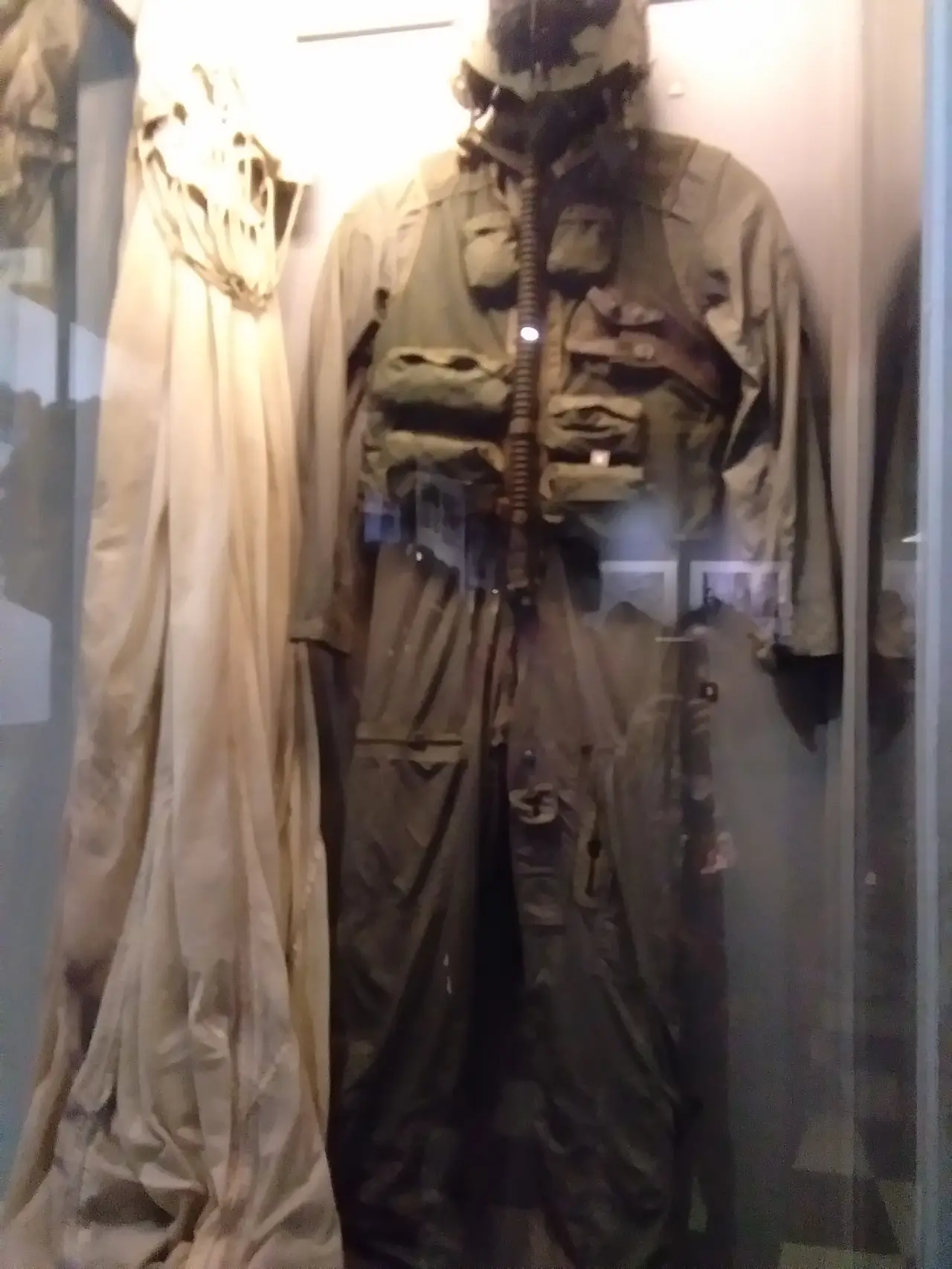
The highlight of the museum is John McCain’s flight suit, helmet, and parachute displayed in a glass case. While on a bombing mission over Hanoi in 1967, his aircraft was shot down and he was captured by the North Vietnamese. He was imprisoned there for five and a half years, until his release in 1973. He went on to become a U.S. senator and became famous for unsuccessfully running for president twice.
You can view more photos here.