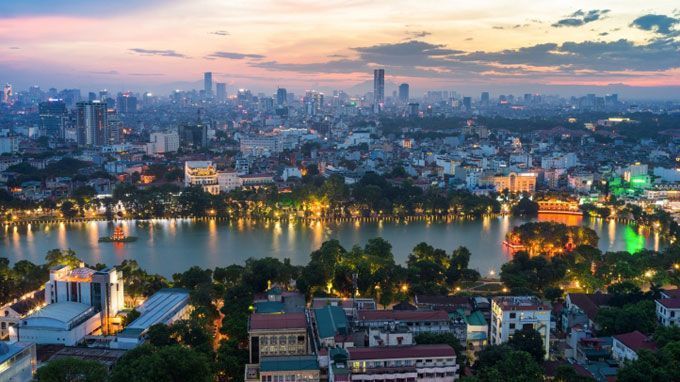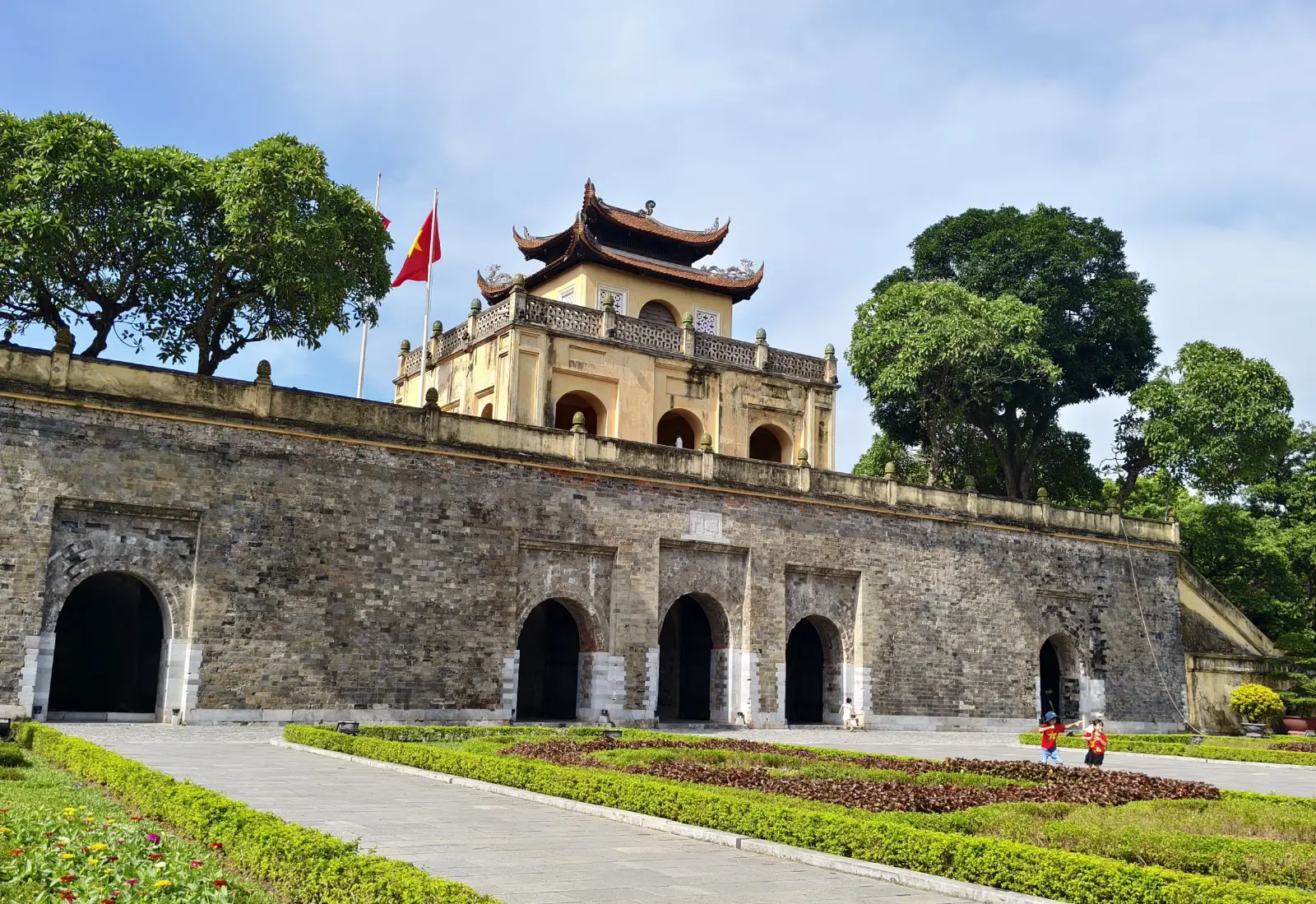
The Imperial Citadel of Thang Long, once home to the King of Vietnam, is an ancient architectural wonder that is also a UNESCO World Heritage Site. Beyond its historical and archaeological importance, the Citadel of Thang Long is a cultural treasure that showcases Vietnam’s imperial and cultural heritage and is located right in the heart of the capital city of Hanoi.
For nearly 1,300 years, the Citadel of Thang Long, which means ‘Rising Dragon’, was the residence of emperors, the centre of governance, and a site of crucial military strategies. During the French colonial period, the citadel’s structures suffered damage and demolition, yet its significance never faded. Today, it remains a symbol of Vietnam’s resilience and rich past.
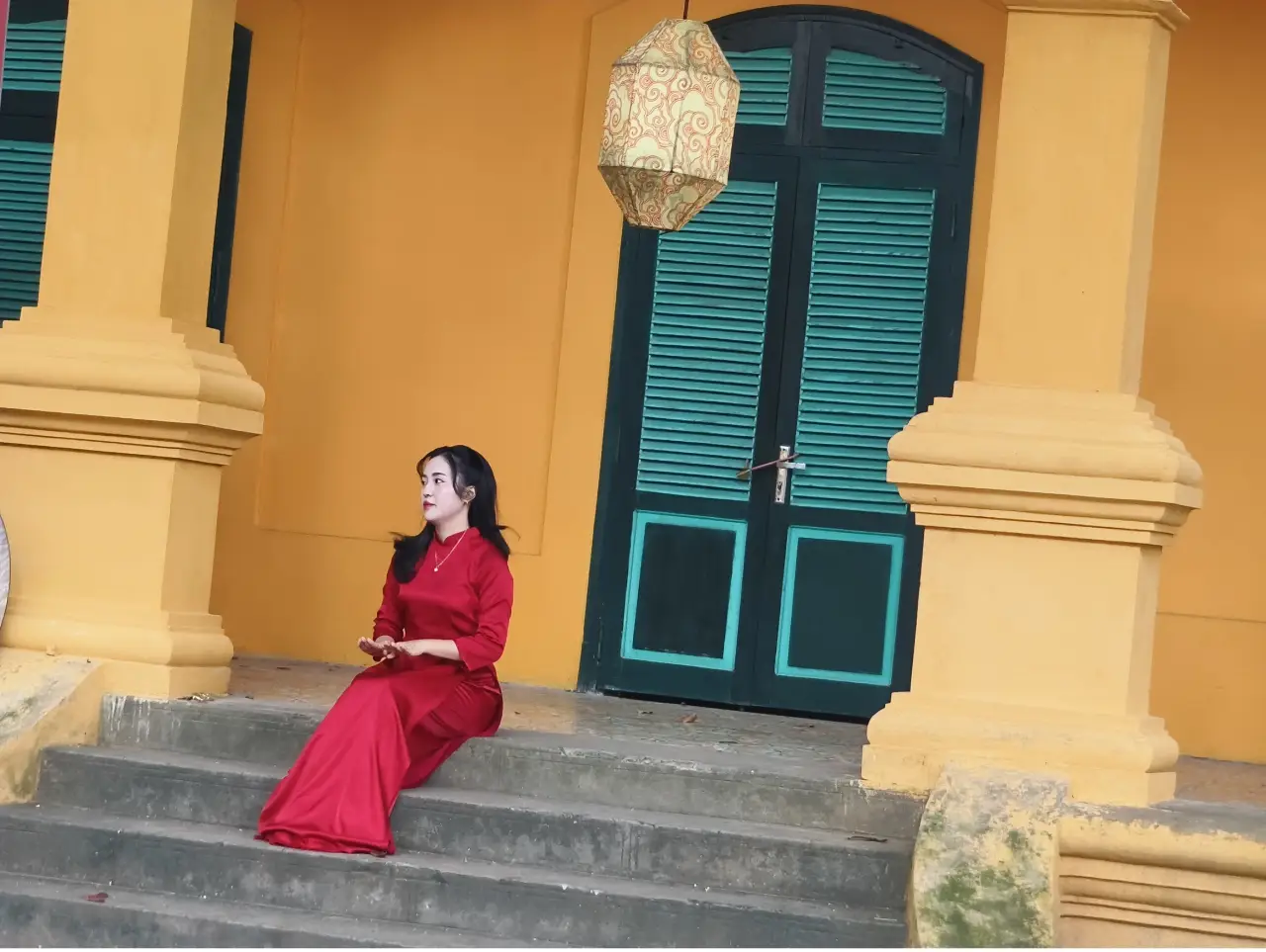
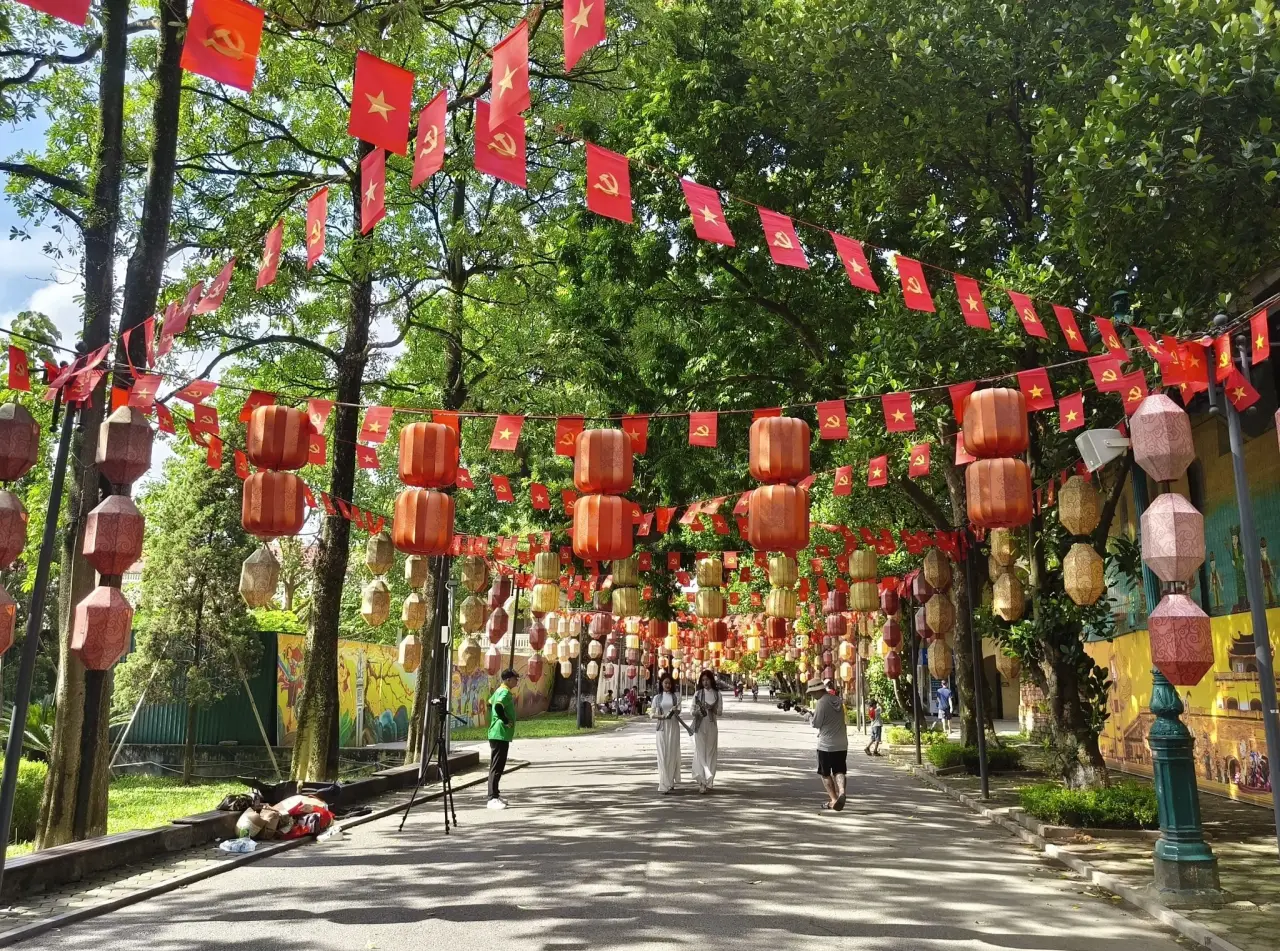
The site is home to annual festivals, traditional ceremonies, and understandably, when I visited end of August, they were preparing the site with staging, lights and decorations in conjunction with Vietnam’s National Day. The local people were also out and about taking photos to celebrate the occasion.
The Main Gate
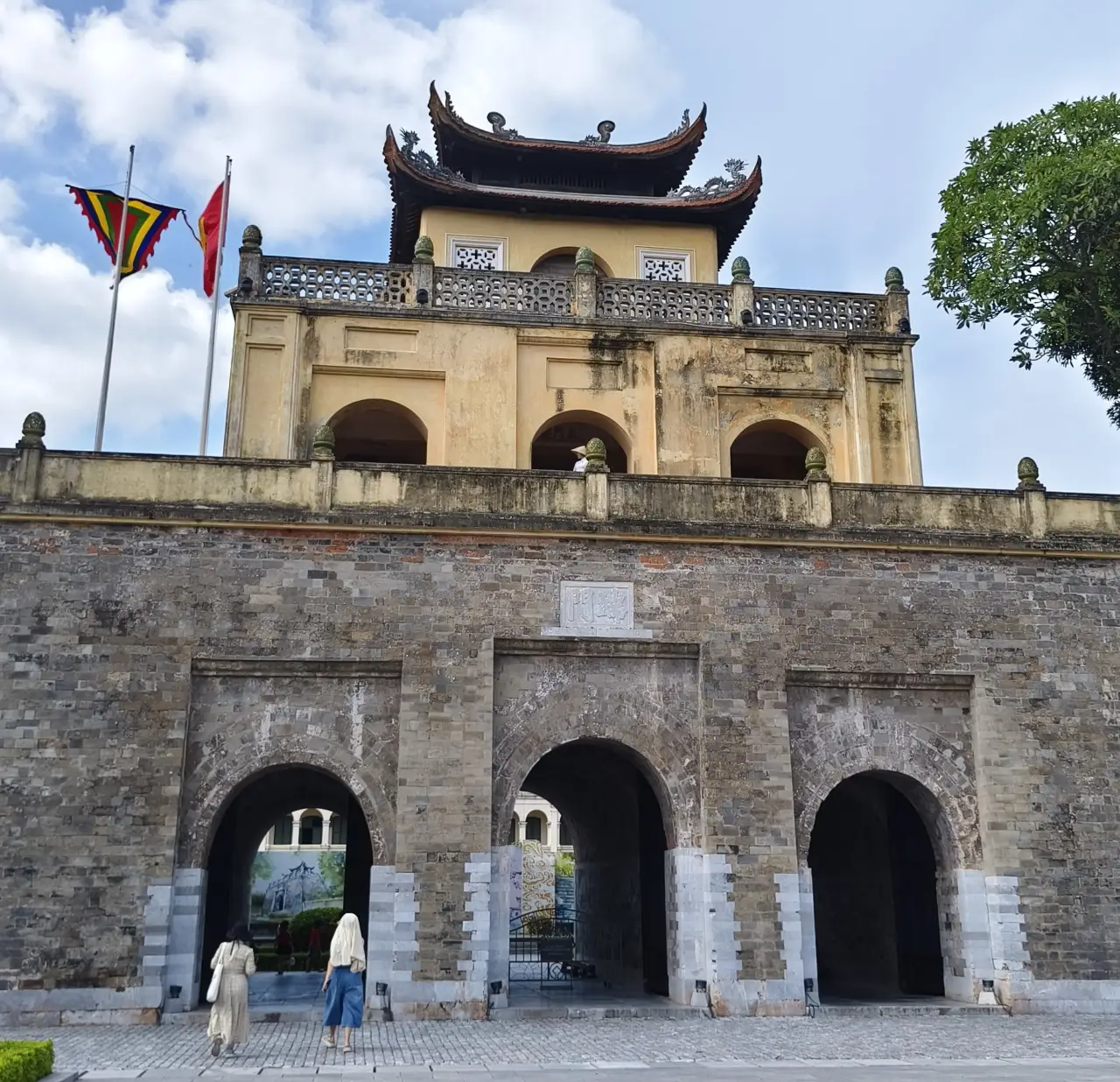
Once you purchase your entrance ticket, the first building you see is the imposing Main Gate, which is the official entrance to the imperial city’s grounds. It is the southern entrance to the imperial palace and one of the best-preserved structures in the complex.
It features five arched entrances, with the central passage reserved exclusively for the monarch. You can imagine the emperor and his entourage passing through the central passageway of the Main Gate with his massive entourage and high-ranking officials.
Hanoi Flag Tower
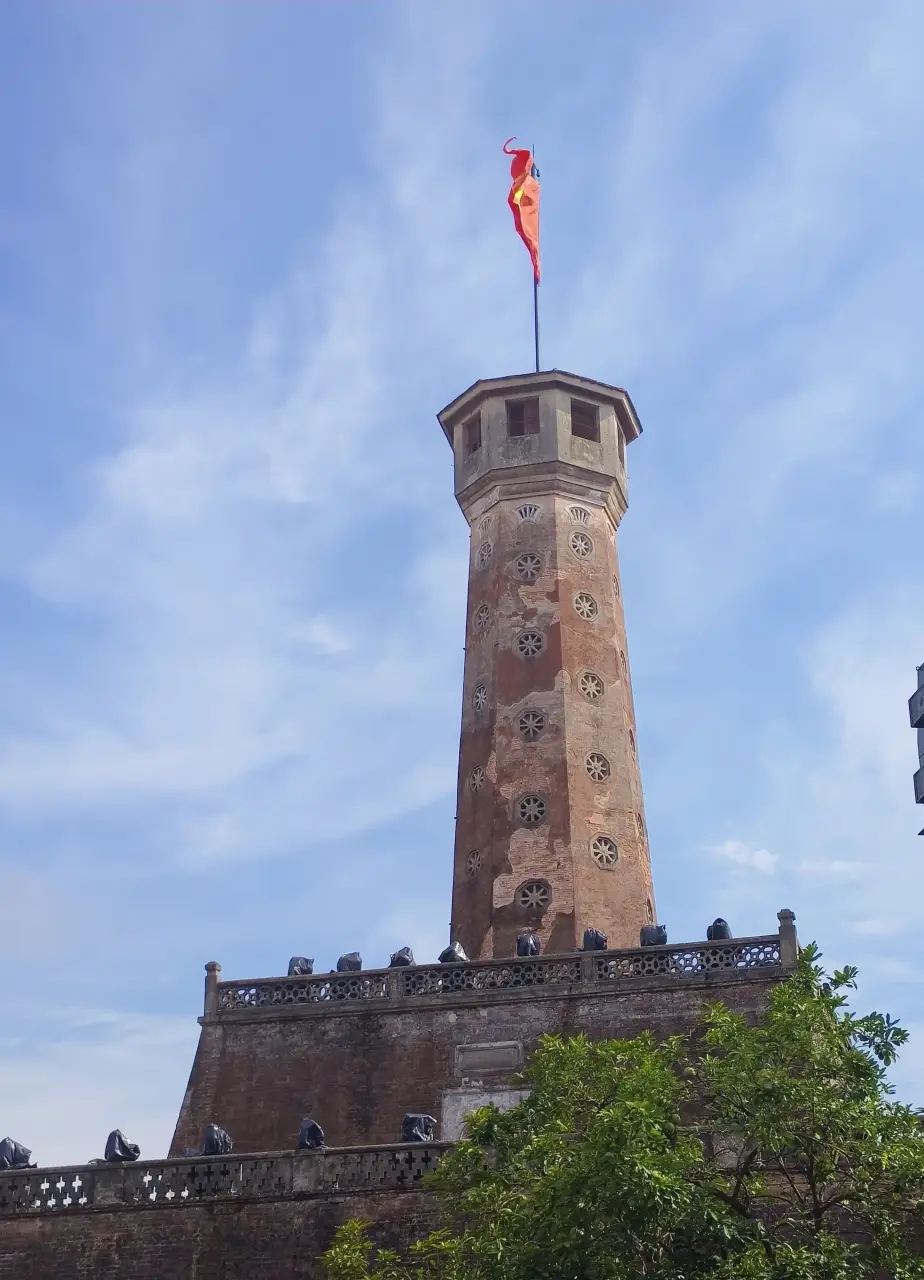
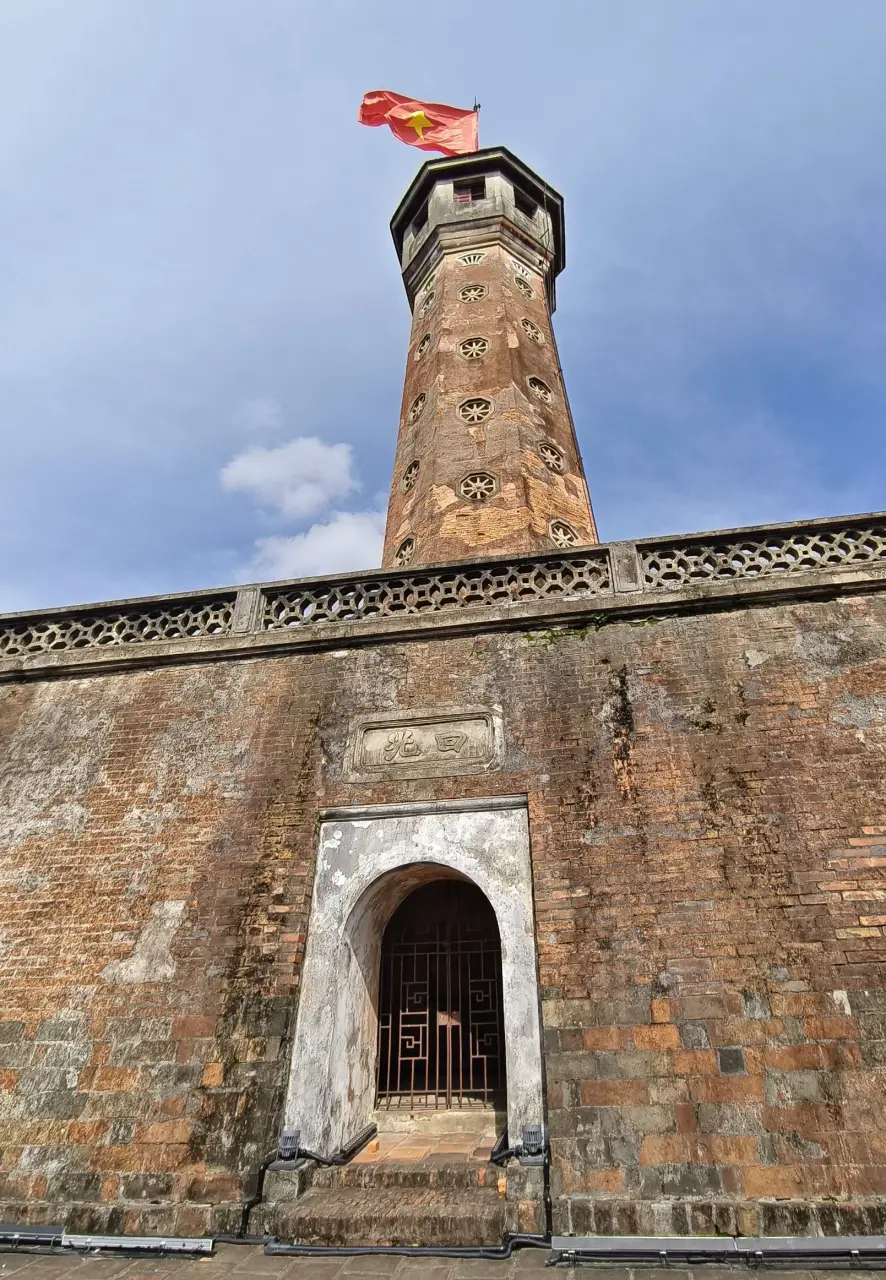
The Main Gate’s central archways are topped by a two-story watchtower, which boasts an incredible view of the whole complex, including the Hanoi Flag Tower, which was constructed in 1812 as a military watchtower. Standing at 33 metres high, it comprises three tiers, each progressively smaller, leading up to the octagonal tower where the Vietnamese flag is proudly displayed.
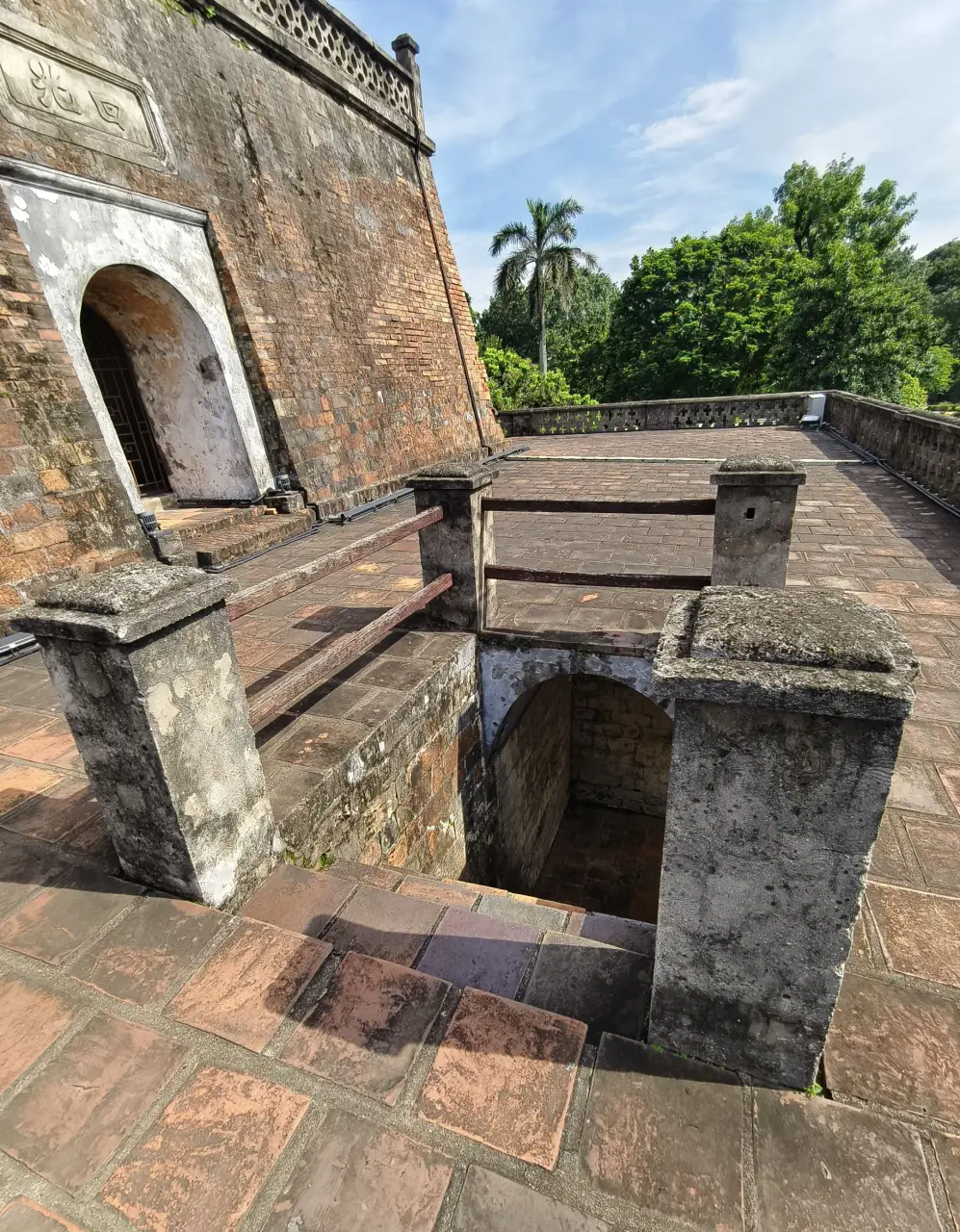
Inside, visitors can explore the spiral staircase leading to observation windows that once served as lookout points. There is also a staircase that leads to the bunker.
Lady Pavilion
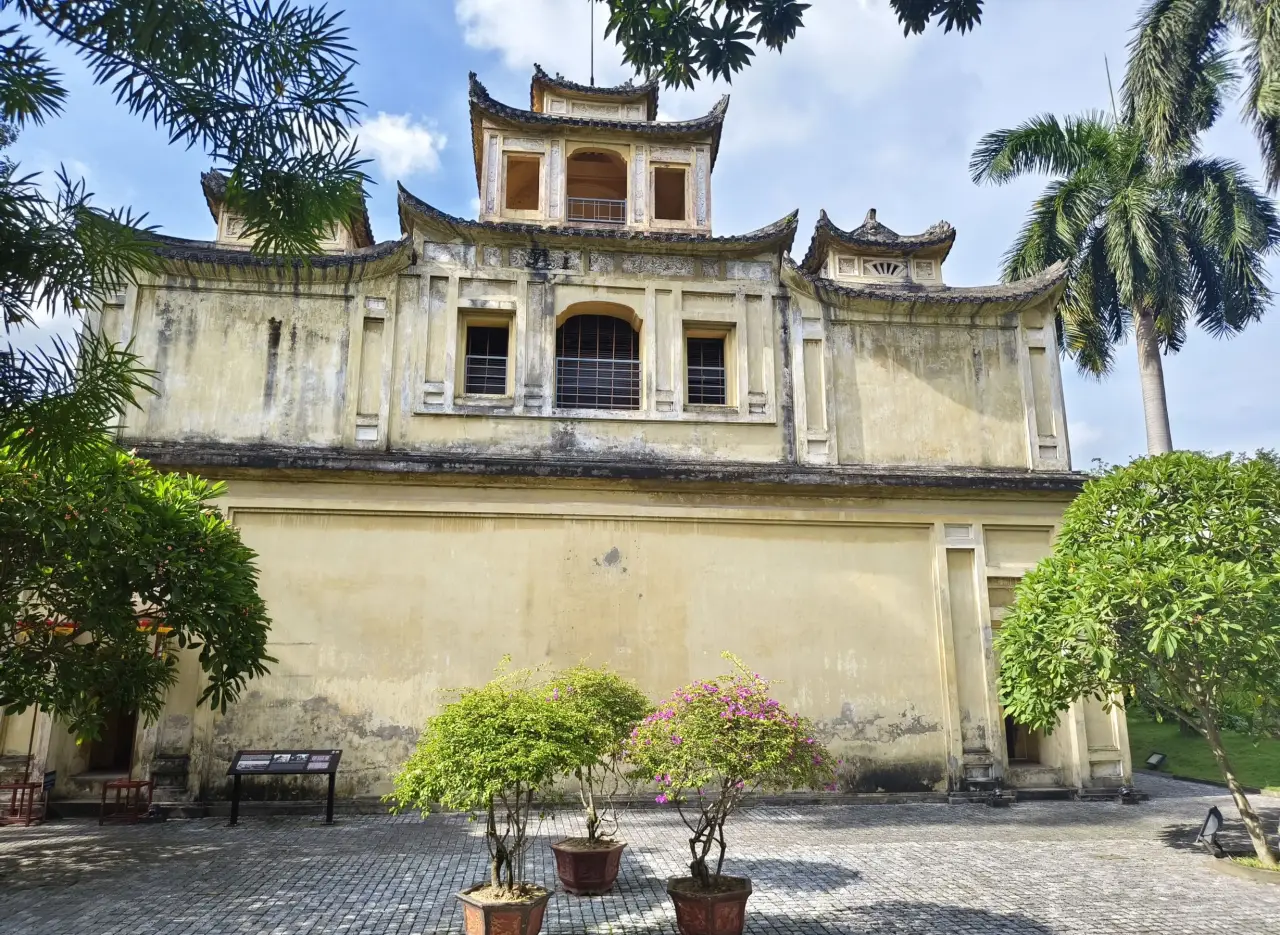
The “Princess’ Palace” or Lady Pavillion is believed to have housed the queen, princesses and female members of the royal family. This elegant building showcases classical Vietnamese architecture and exudes a serene atmosphere, making it a peaceful spot to reflect on the lives of past royalty.
Royal Well
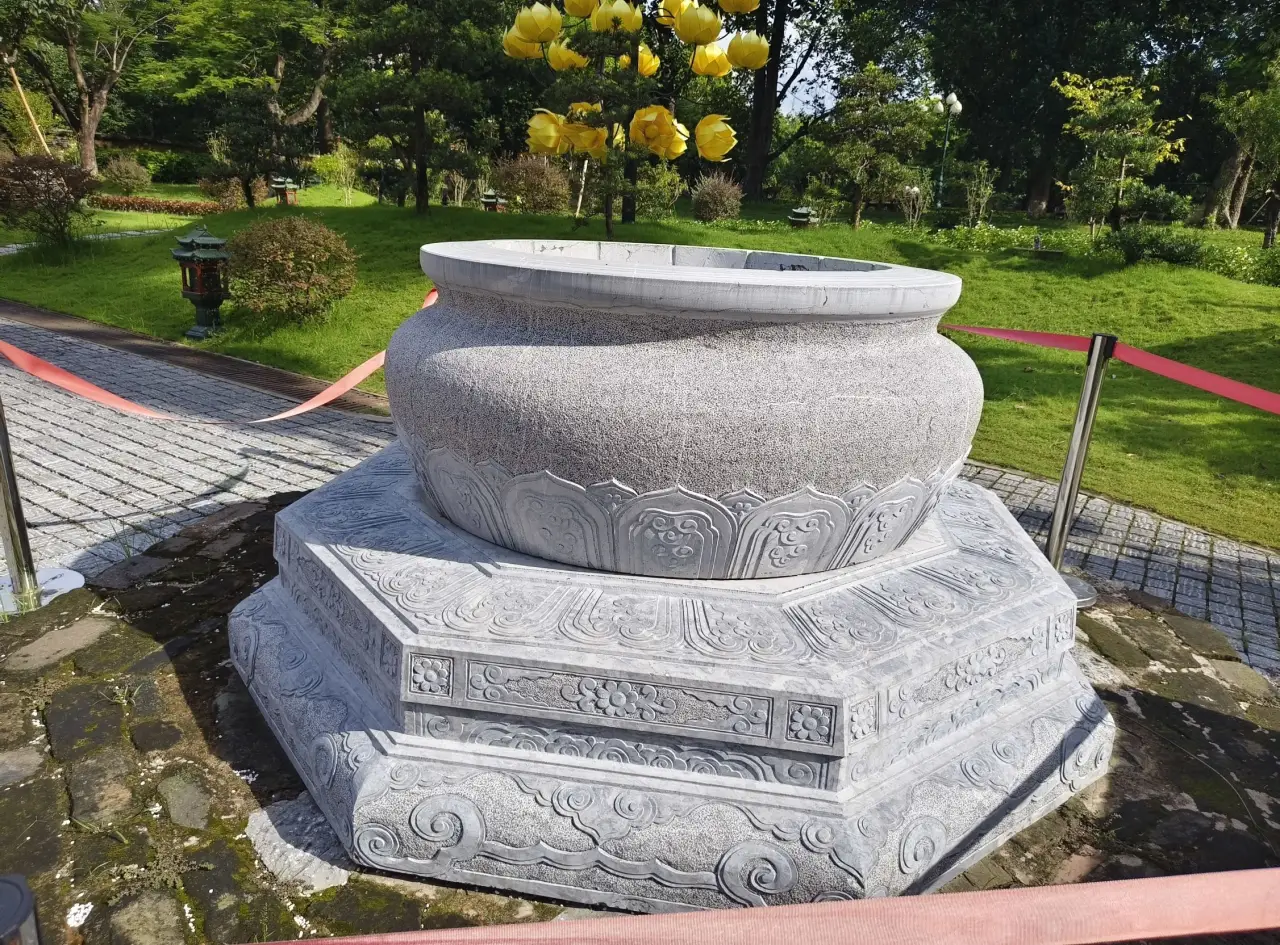
Discovered in 2021, the Royal Well, constructed of stone, provided a direct water source for the daily lives of the emperors. Surrounding the well’s wall are remnants of a grey brick-paved well platform arranged in an octagon shape. Amongst the 30 wells discovered on the citadel grounds, this one is the deepest at over six metres.
Manicured gardens amongst old structures
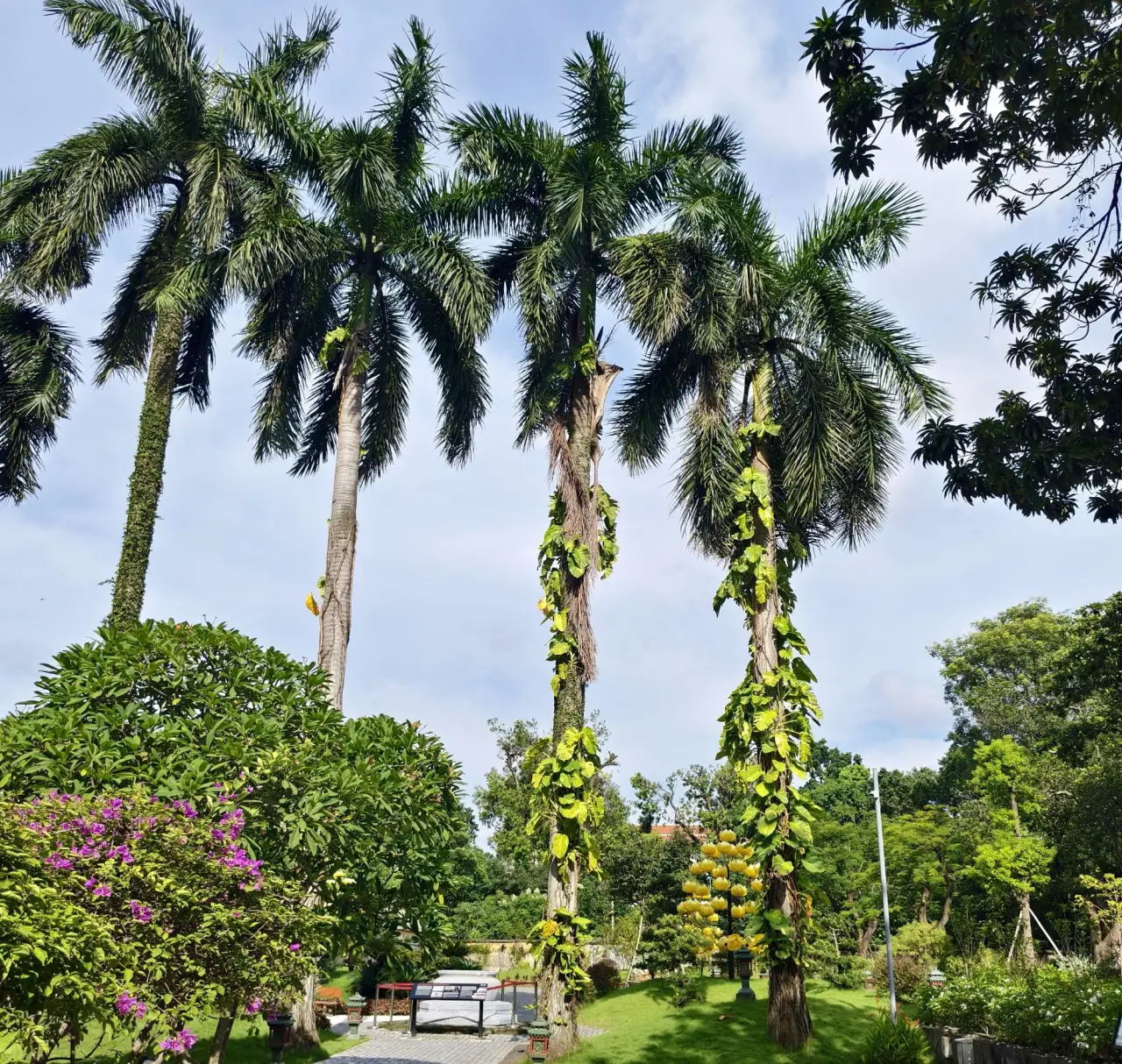
Even though the citadel grounds are enclosed with old structures, there are lovely-manicured gardens that dot the complex, which gives visitors a pleasant and serene feeling when walking around.
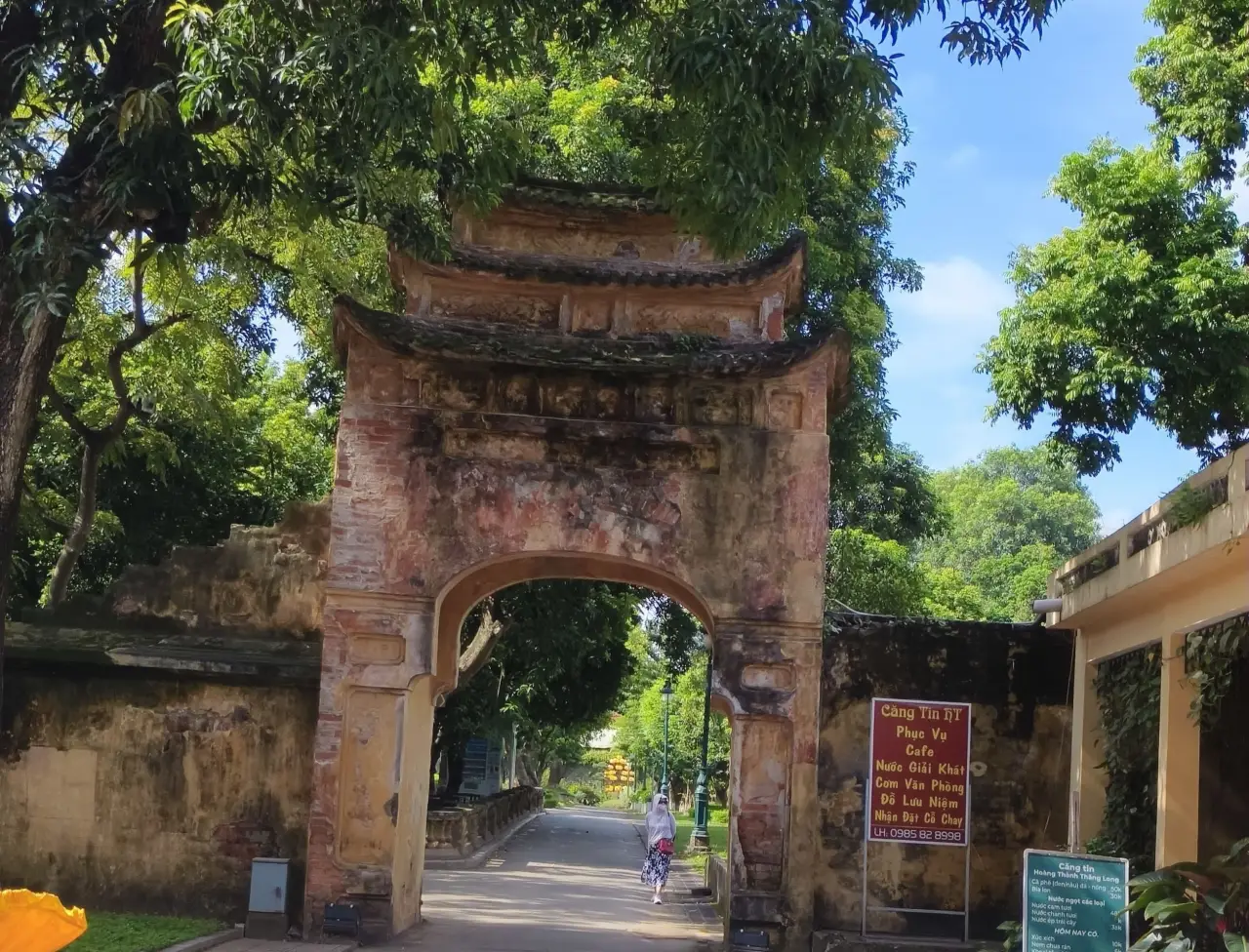
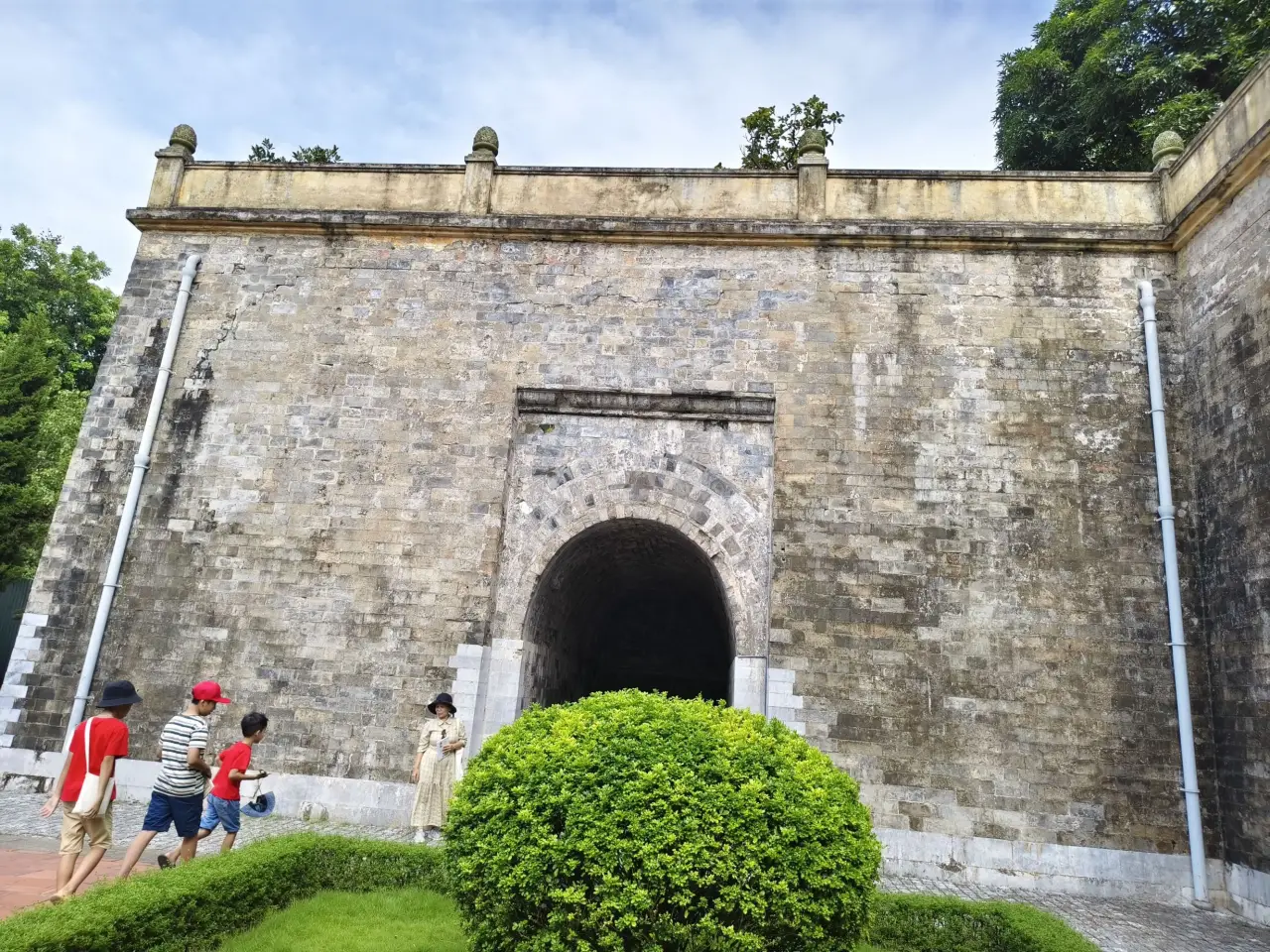
Some of these old structures served as critical defensive structures and bear the marks of fighting or war and invasion but they still stand resilient until today.
Revolutionary House
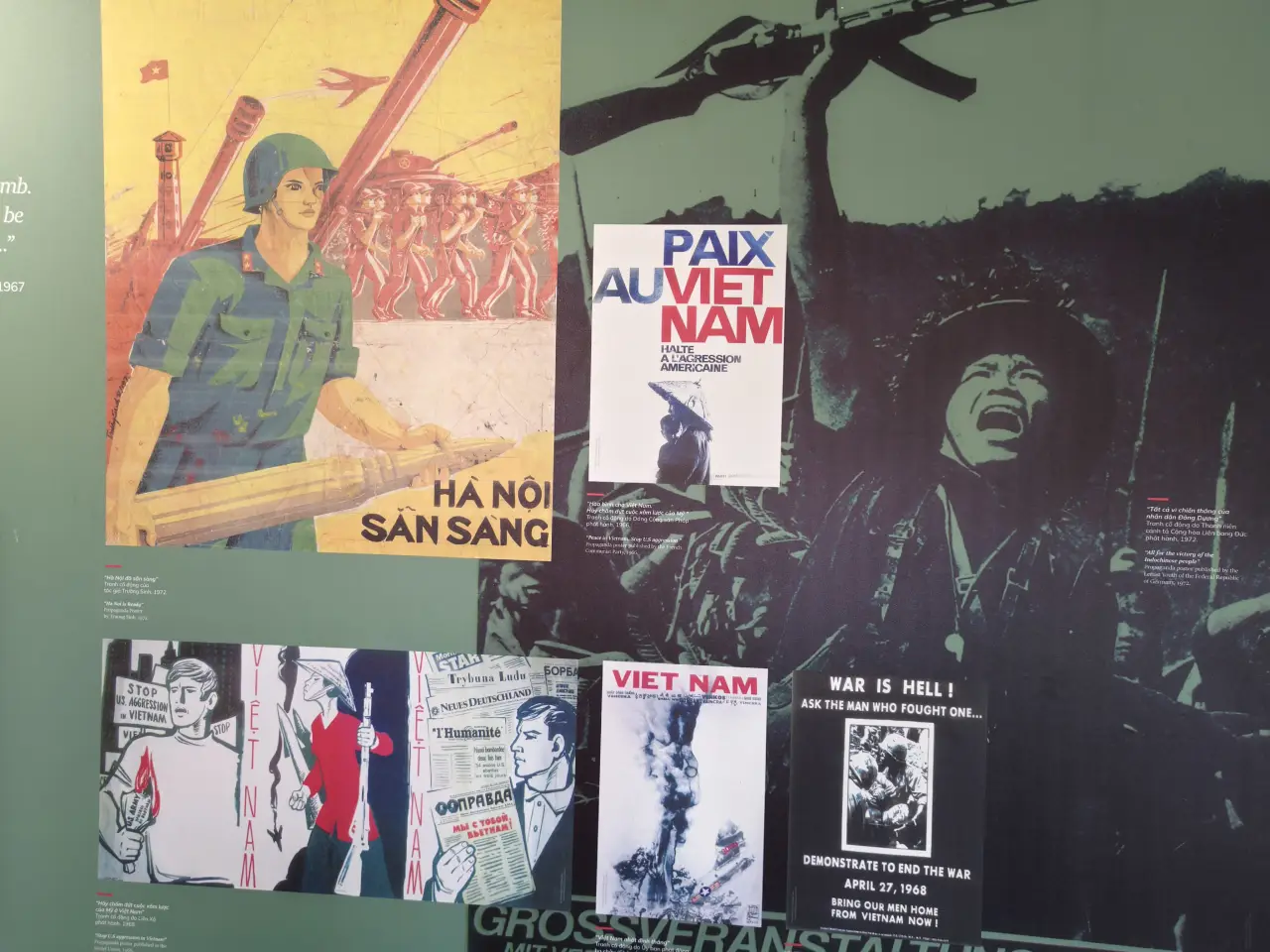
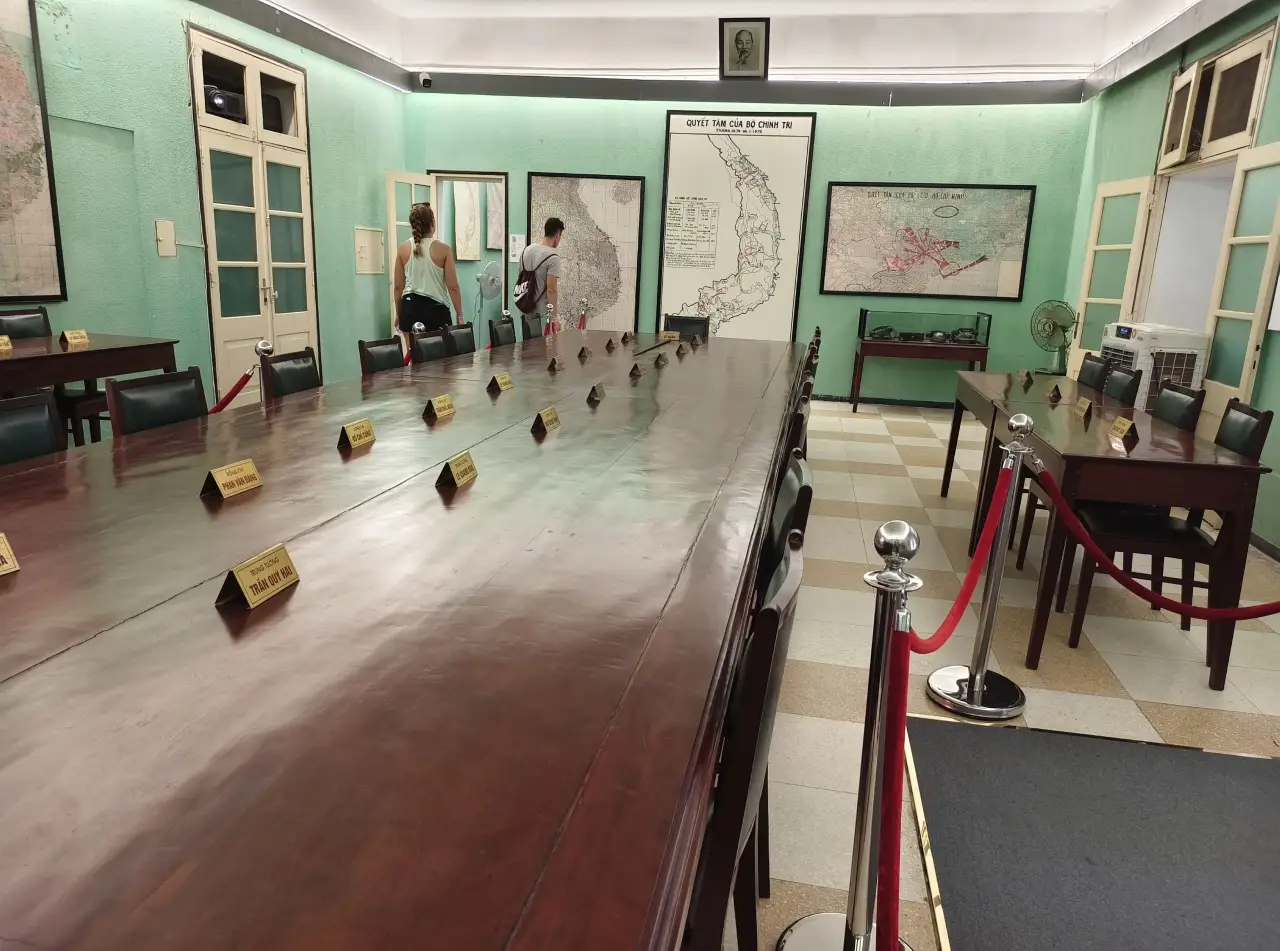
During the Vietnam War, the D67 House served as the headquarters for the Central Military Commission and the Vietnam People’s Army, and it now houses displays of artifacts and historical documents.
The well-preserved rooms inside showcase wartime maps, communication devices, and personal belongings of military leaders, giving visitors a rare glimpse into Vietnam’s wartime command structure. My guide informed me that the house also features a reinforced concrete ceiling and soundproof walls designed to withstand bombings.
Art and Ceramic Exhibits
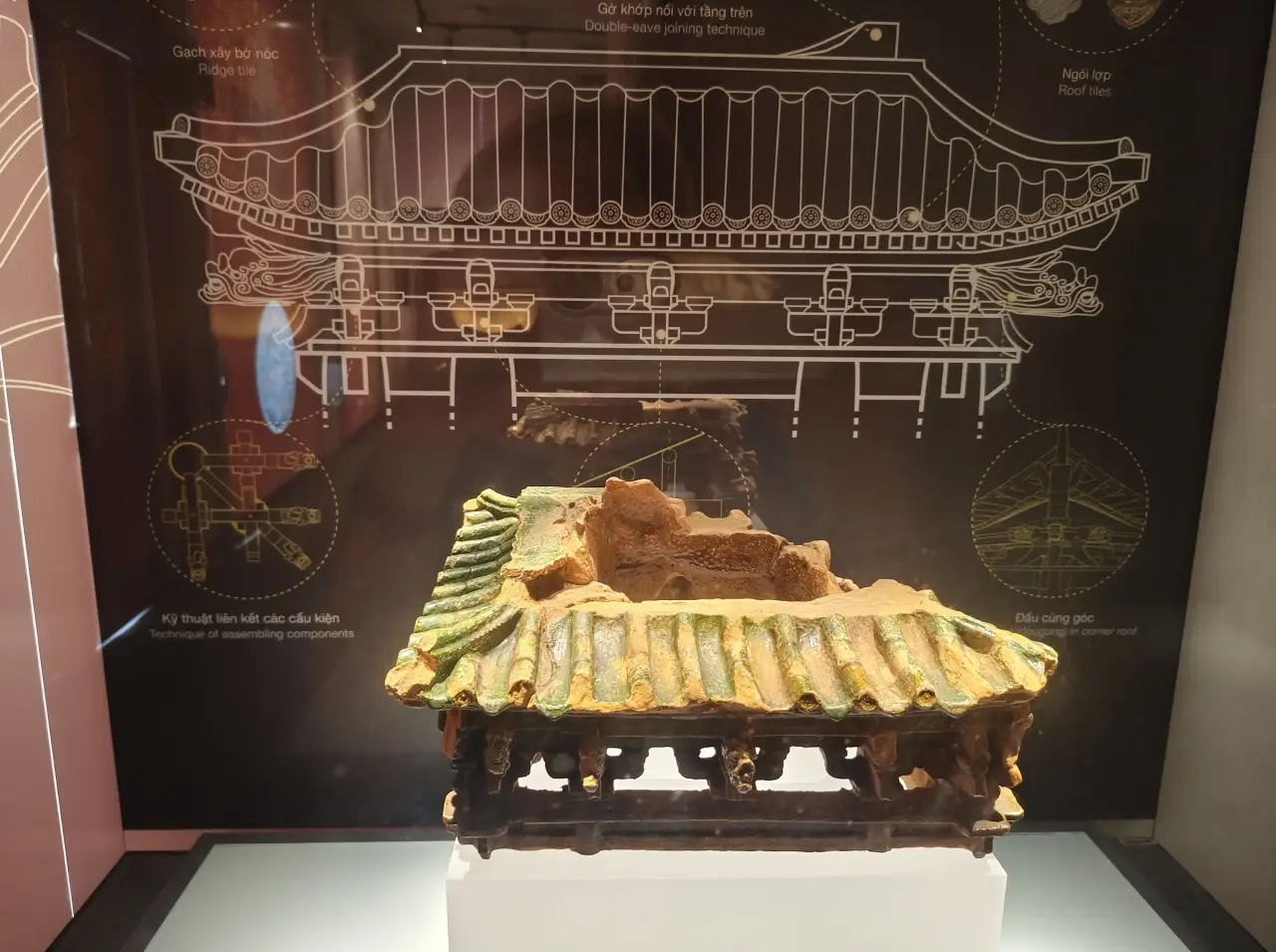
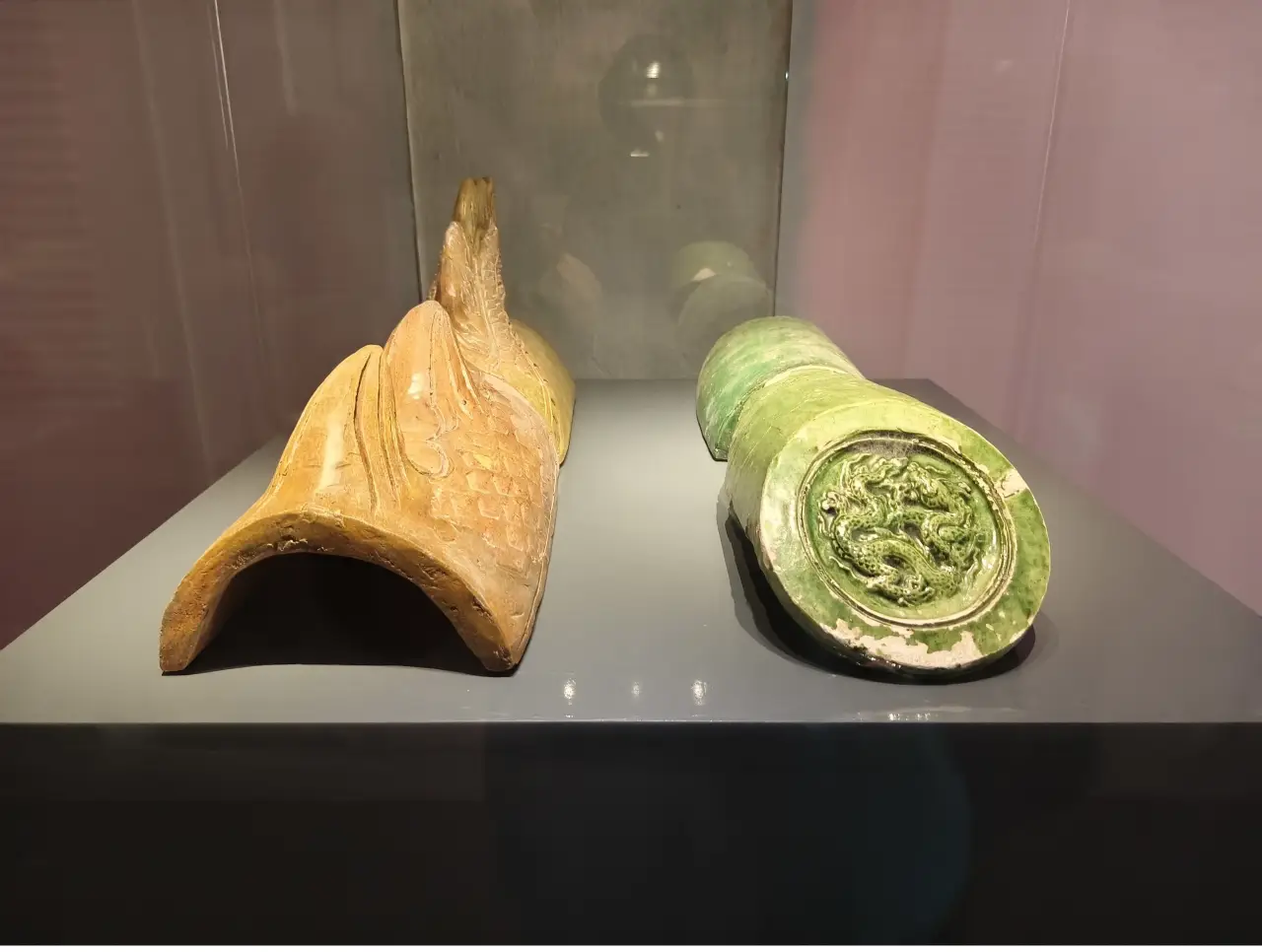
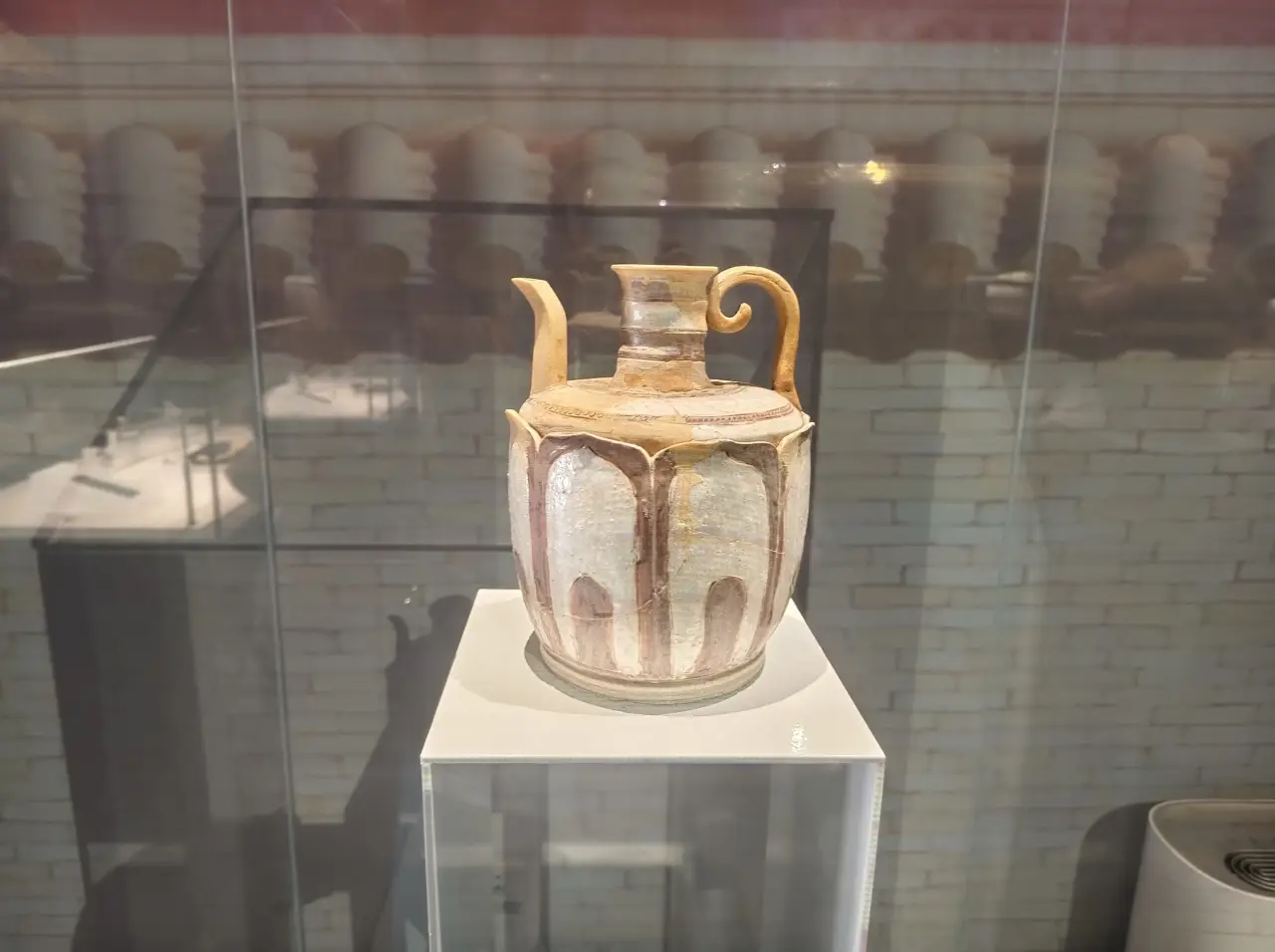
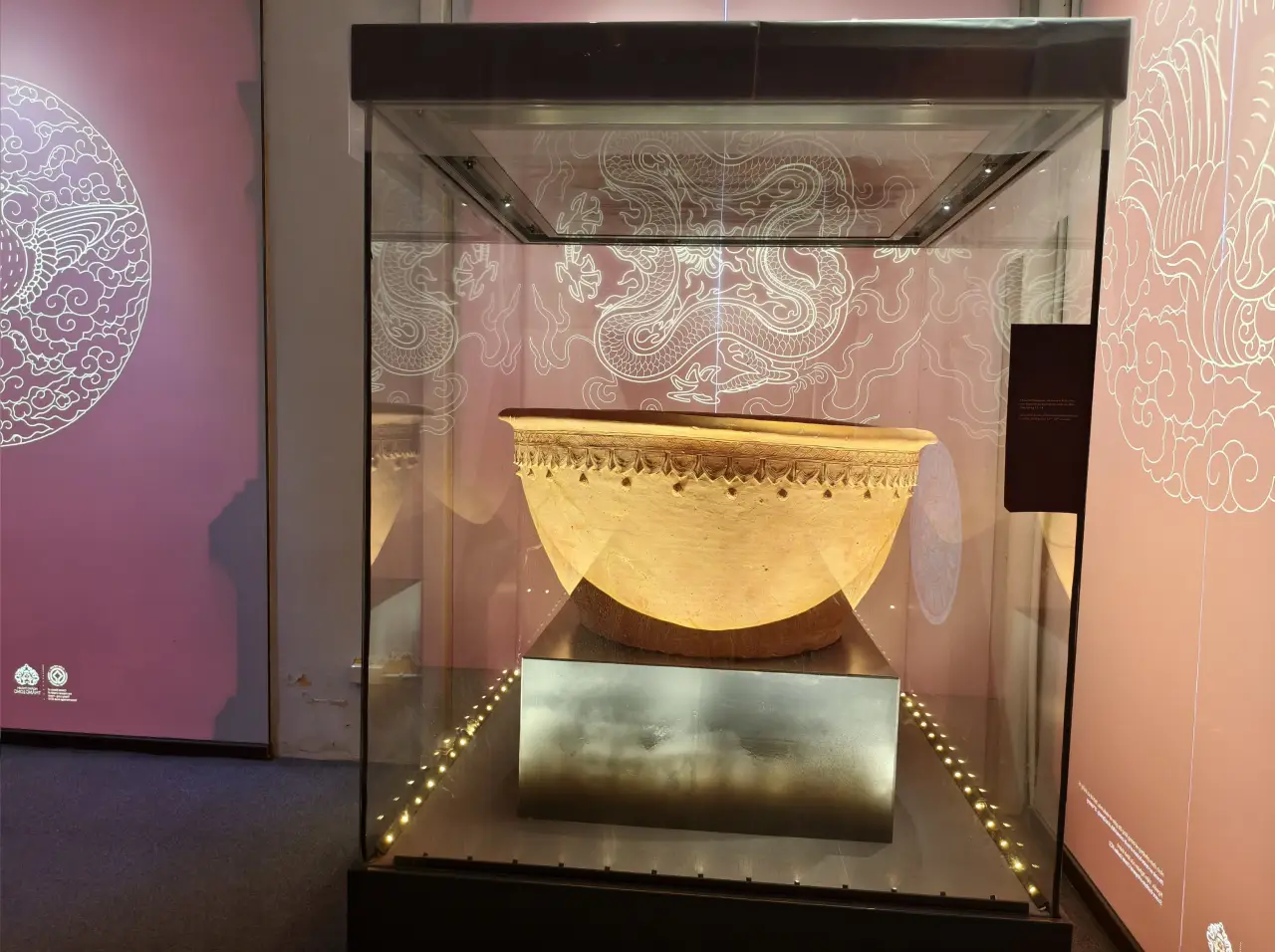
Your ticket to the citadel gives you access to the exhibits housed in historic buildings behind the main gate. One exhibit displays fine and delicate ceramics from the 15th to 18th century.
Archaeological Site
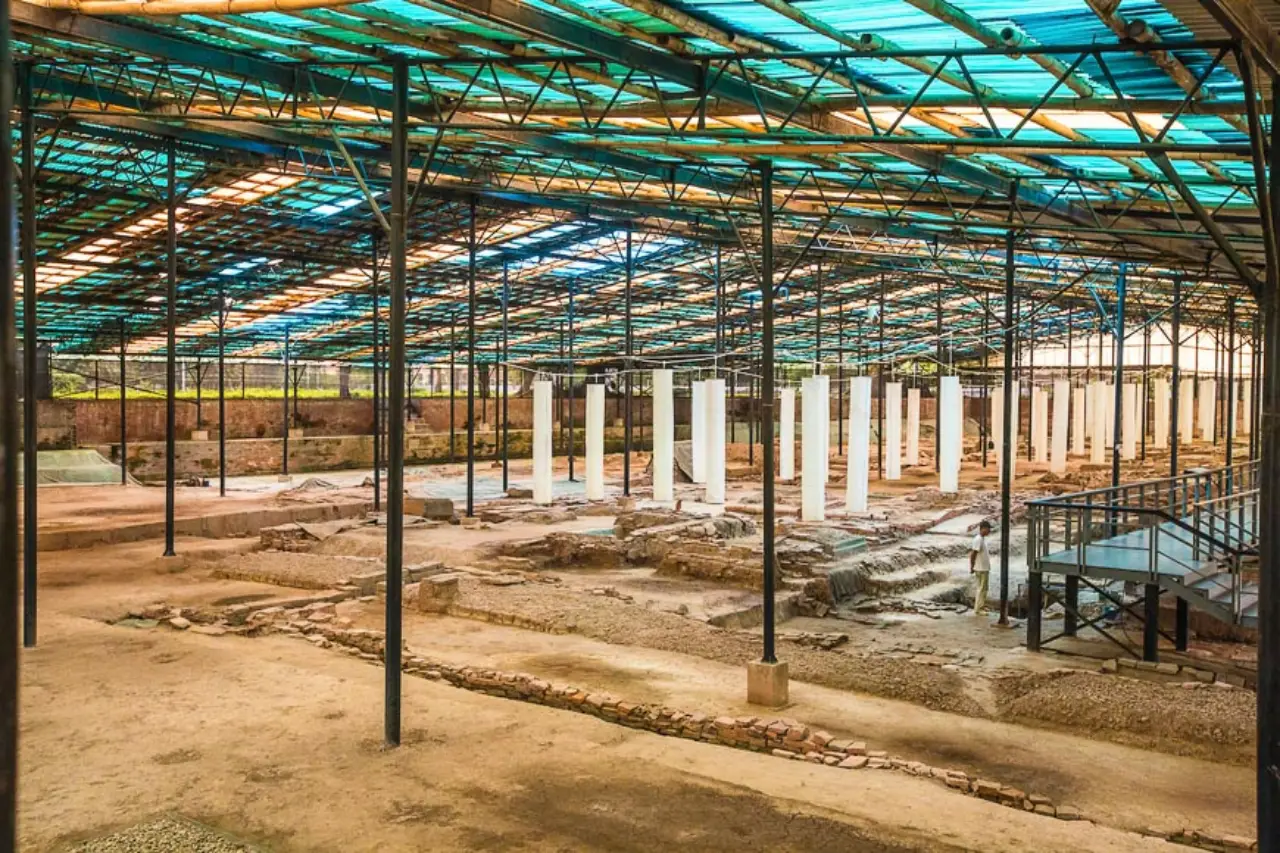
The citadel’s archaeological site is among the most significant discoveries in Vietnamese history. Excavations have unearthed foundations of palaces, ancient roads, ceramics, pottery, and royal relics spanning over a thousand years.