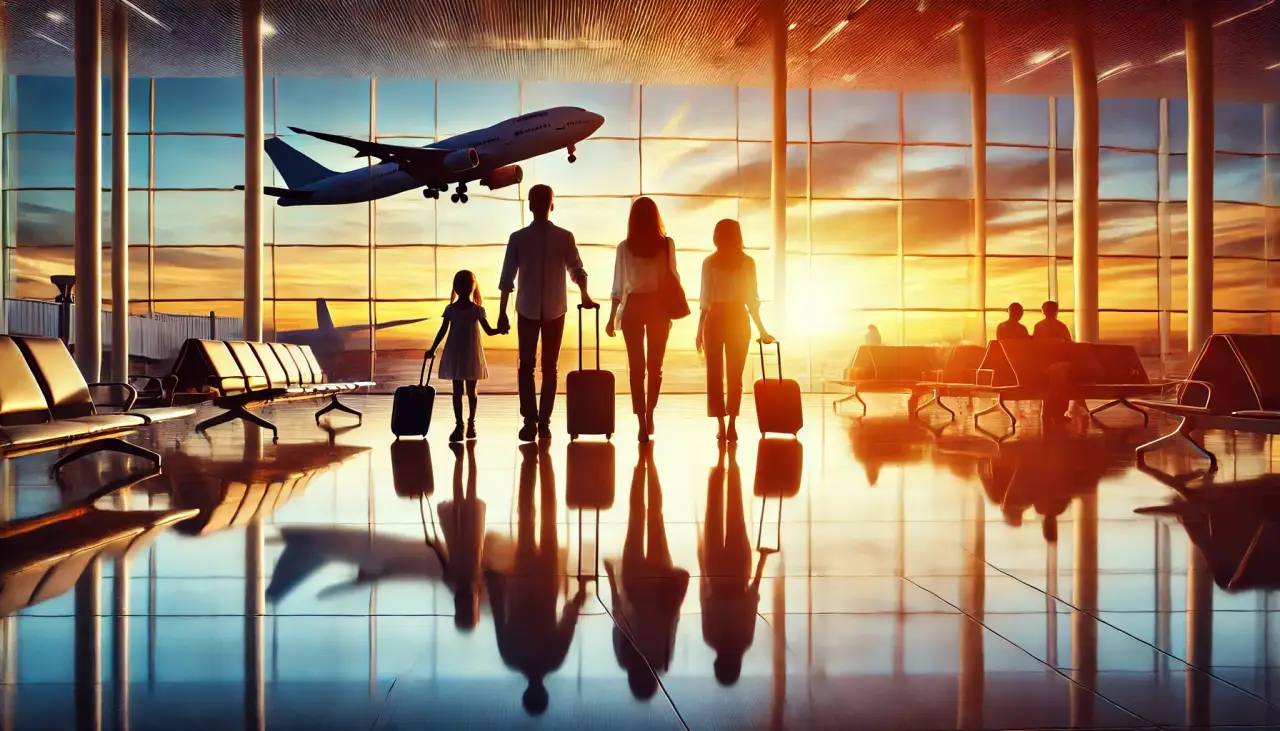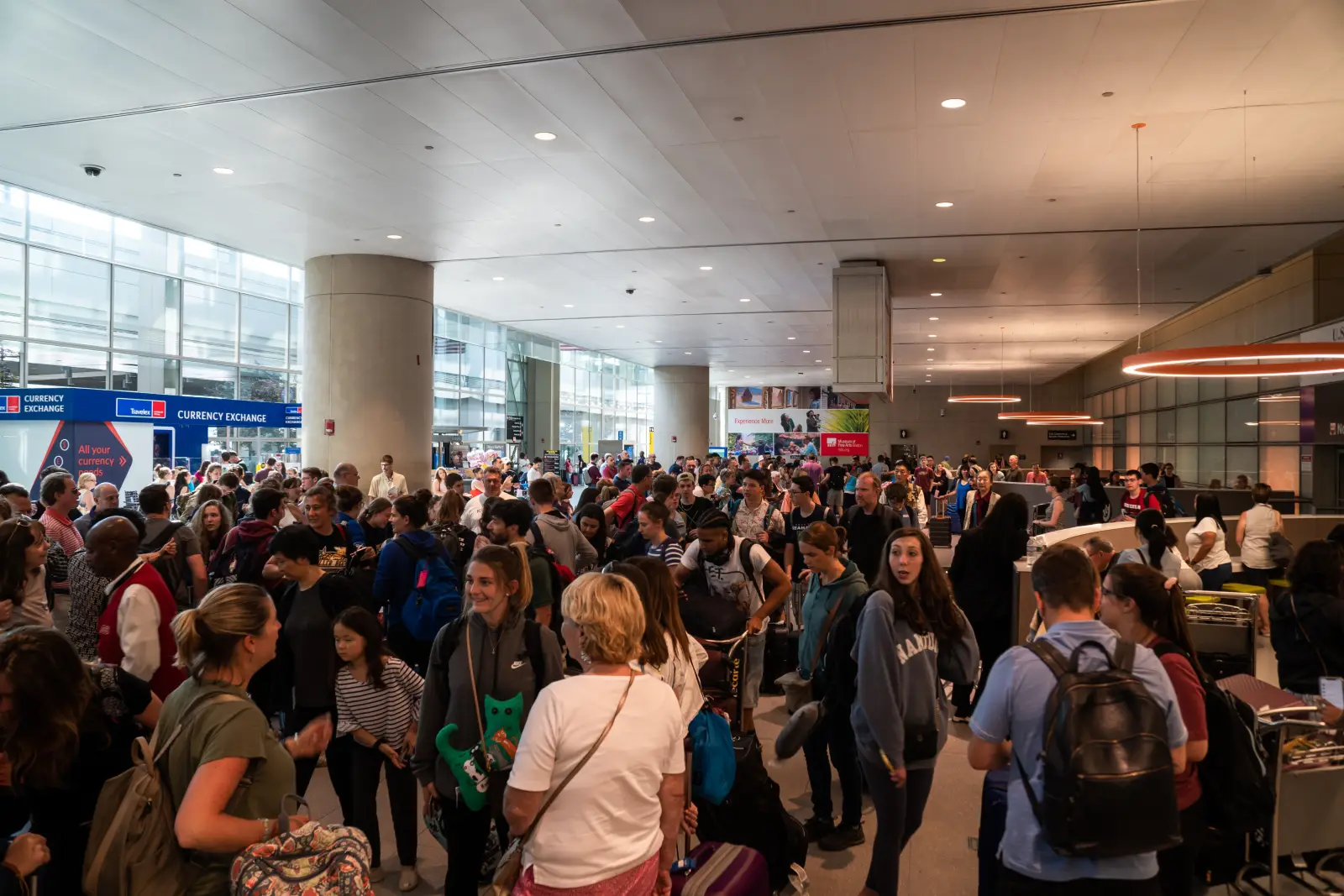
The U.S. Travel Association has warned that the ongoing federal government shutdown could cause widespread disruption for millions of Thanksgiving travelers, urging Congress to act immediately to reopen government operations.
Nearly 500 organizations across the travel industry have joined the call, warning of delays, cancellations, and significant economic fallout if the shutdown continues into the busy holiday period.
The coalition’s letter to congressional leaders emphasized that thousands of federal employees—including Transportation Security Administration officers and air traffic controllers—are working without pay as the travel rush approaches. With Thanksgiving week traditionally ranking among the busiest travel periods of the year, industry leaders warn that safety protocols will remain intact but efficiency will suffer, resulting in longer lines, missed connections, and reduced traveler confidence.
Travel industry urges Congress to end shutdown
“Air travel’s number one priority is safety and while safety will be maintained, travelers will pay a heavy and completely unnecessary price in terms of delays, cancelations and lost confidence in the air travel experience,” said Geoff Freeman, President and CEO of the U.S. Travel Association.
The association’s warning comes as federal services continue to operate with limited staff, straining critical travel infrastructure. Air traffic controllers and TSA workers are considered essential personnel, meaning they must continue working during a shutdown—but without pay until a new funding bill passes. Previous shutdowns have shown that such conditions can lead to higher absenteeism, slower security screenings, and a ripple effect of flight delays and cancellations nationwide.
The letter sent by U.S. Travel and nearly 500 travel industry organizations underscores the high stakes of the situation. The group cited that more than 20 million passengers flew during Thanksgiving week last year, contributing billions of dollars in spending across the U.S. economy. This period, they noted, is vital not only for connecting families but also for supporting small businesses, local tourism, and seasonal employment.
Economic and operational risks grow daily
According to the association, the prolonged shutdown has already damaged public confidence in air travel, with internal polling showing that 60% of Americans are reconsidering or altering their travel plans for the upcoming holiday period. “The damage from this shutdown is growing by the hour,” said Freeman. “Congress needs to do its job. The fastest way to restore confidence and restart travel is to reopen the government by passing a clean continuing resolution.”
Industry leaders warn that continued uncertainty could result in billions in lost revenue, compounding the economic impact of missed trips and flight disruptions. For airports, the effects extend beyond passenger inconvenience: airlines, vendors, and tourism-related businesses rely heavily on the Thanksgiving surge, which fuels a large share of fourth-quarter earnings across the sector.
Thanksgiving week typically marks one of the heaviest travel periods of the year in the United States, with the Transportation Security Administration screening more passengers than at any other time. In 2024, the TSA processed an average of 2.6 million travelers per day during the holiday week, setting new records for daily passenger volumes. Any operational strain, the industry warns, could create a cascading effect across the nation’s airports, especially at major hubs in New York, Atlanta, Chicago, and Los Angeles.
Beyond the immediate logistical risks, U.S. Travel officials argue that the shutdown’s broader economic implications are also significant. Tourism generates substantial tax revenue and supports millions of jobs across transportation, hospitality, and retail sectors. Prolonged disruption during a peak period could slow the industry’s momentum and delay post-pandemic recovery gains made over the past two years.
The travel industry coalition’s message to lawmakers is clear: restore full government operations before the situation escalates into a nationwide travel crisis. With Thanksgiving only weeks away, airlines and airport authorities are already facing pressure to manage staffing levels and maintain service quality despite the uncertain outlook.
While federal officials have assured the public that essential aviation safety functions remain in place, industry representatives maintain that the system’s resilience has limits. Extended shutdowns, they note, not only affect current operations but also disrupt long-term projects, certification processes, and modernization efforts overseen by federal agencies.
For travelers planning to fly during the holiday period, industry experts recommend preparing for potential delays and staying updated on airline advisories. However, stakeholders maintain that the ultimate solution lies with Congress. “Thanksgiving should be about spending time with family, not worrying about flight disruptions or canceled plans,” said Freeman. “Reopening the government is the only way to protect travelers and restore confidence in our aviation system.”
As the nation’s busiest travel week approaches, the industry’s appeal highlights the far-reaching consequences of political stalemate—where the timing of a resolution may determine whether millions of Americans make it home for the holidays without disruption.
Photo Credit: 2p2play / Shutterstock.com