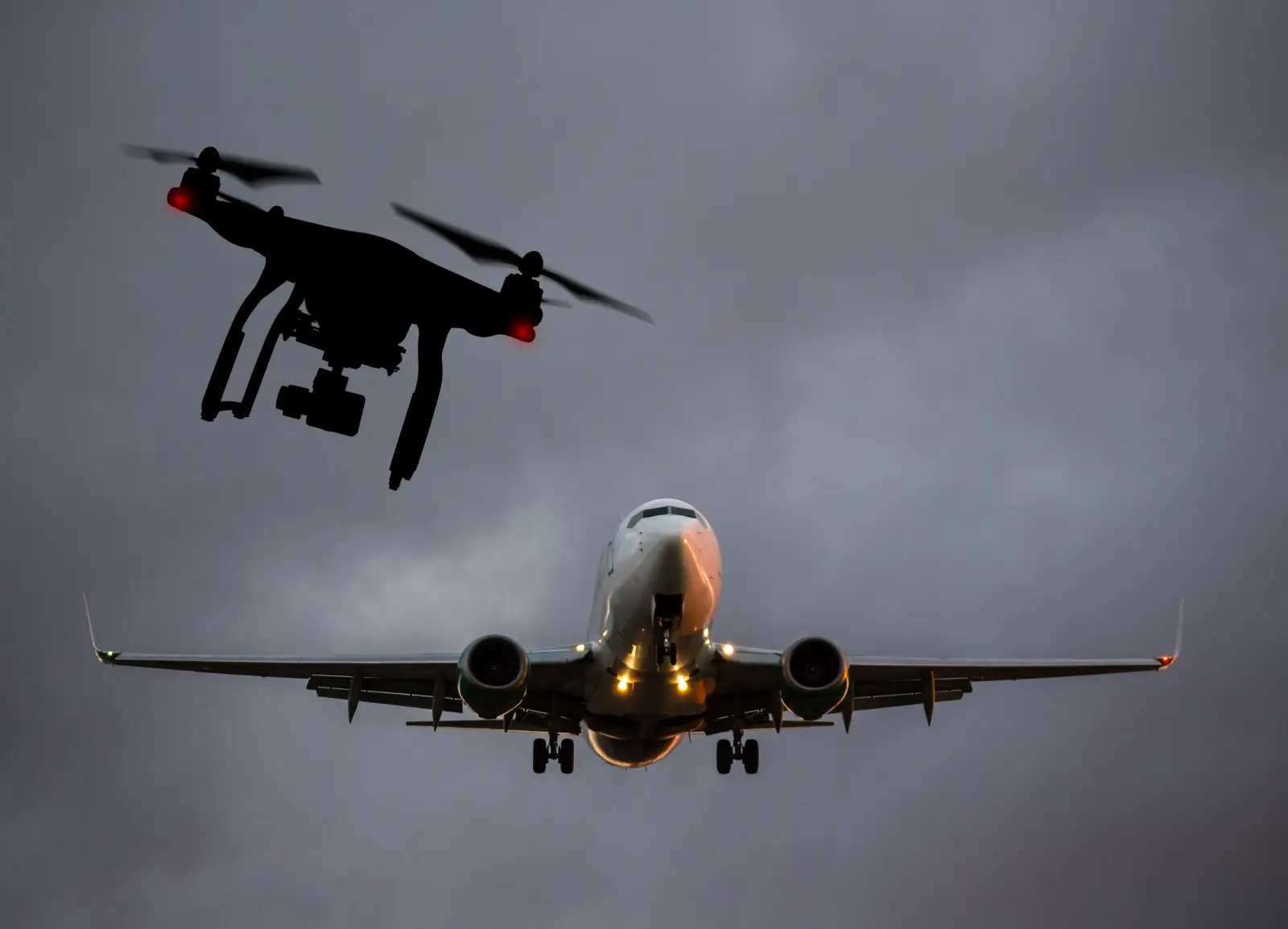
European governments are tightening drone laws as unidentified unmanned aerial vehicle sightings increase across multiple countries, prompting new security measures and legislative proposals.
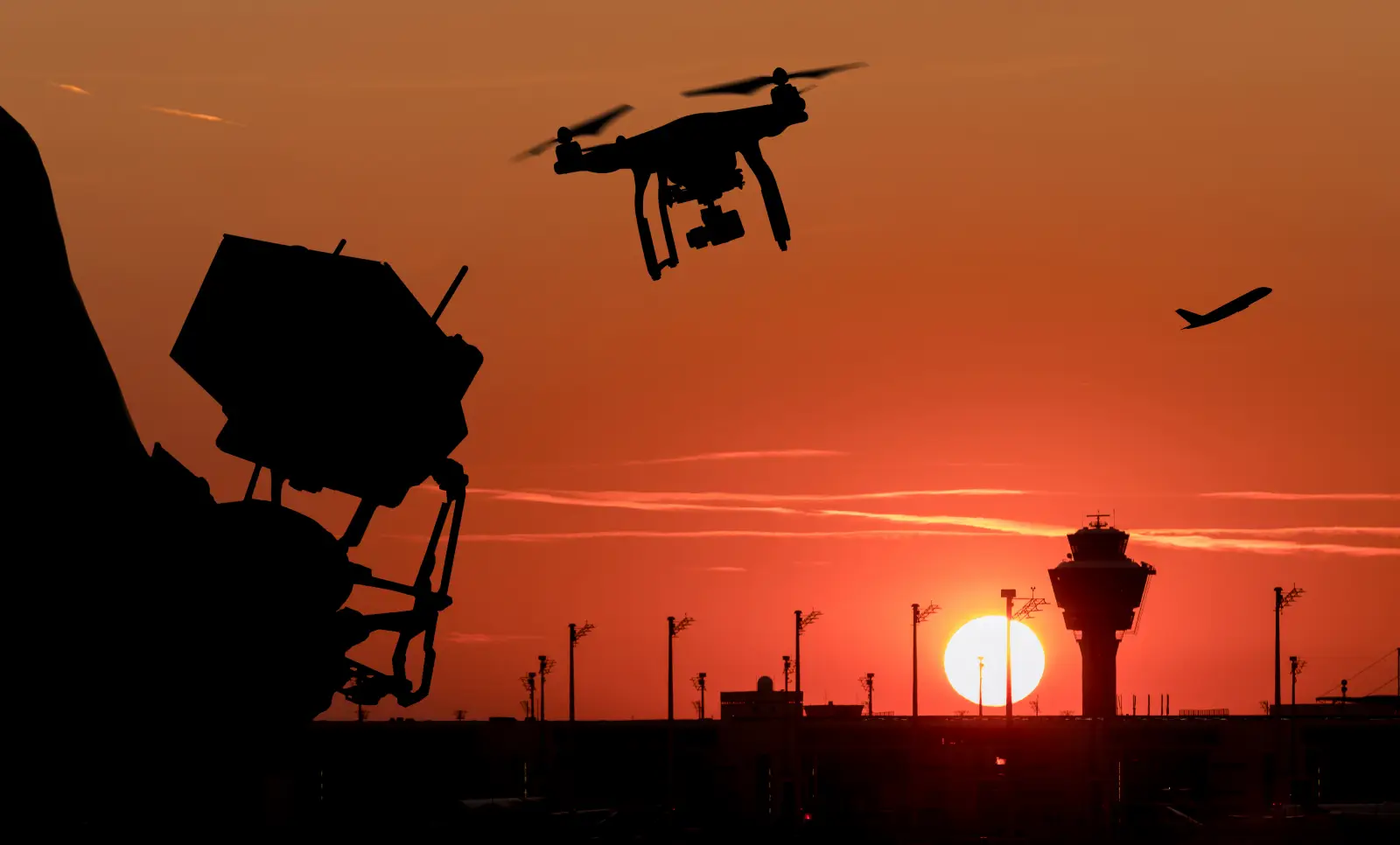
Germany has advanced a draft law that would allow federal police to shoot down drones that threaten airports or critical infrastructure, following recent disruptions linked to unauthorised aircraft in restricted airspace. The surge in activity has led aviation authorities and travel operators to reassess risks as the incidents continue throughout the region.
The developments occur as at least 10 European countries report suspicious drone flights near airports, military sites and energy facilities. The rise in unexplained activity has heightened concerns about airspace security during a period of high travel demand and placed pressure on governments to strengthen counter-drone capabilities. Travel stakeholders are monitoring the situation as potential legal changes may influence operational procedures and security protocols at major gateways.
Germany accelerates legal authority to neutralise drones
Germany has moved into the foreground of Europe’s drone-defence response after the federal cabinet approved draft legislation expanding police powers. The proposed law would explicitly authorise federal police to shoot down rogue drones or disable them using electronic countermeasures when they pose an immediate danger. According to the German Interior Ministry, the legislation is designed to address gaps in existing regulations that limit police interventions during aviation or infrastructure-related emergencies. A detailed report on the measure is available via Reuters.
The proposal follows several high-profile disruptions, including an incident at Munich Airport in which multiple drone sightings forced air-traffic controllers to suspend operations temporarily. Flights were cancelled or diverted as authorities assessed the airspace, affecting thousands of passengers.
German officials say the draft law also envisages creating a federal drone-defence centre, bringing together technical units capable of detection, interception and mitigation. The legislation includes provisions for closer coordination between federal and state authorities, as well as support from the armed forces in exceptional cases. The plan reflects concerns that hostile actors could exploit commercial drone accessibility to target sensitive facilities or disrupt civilian travel networks.
Political leaders emphasise the gravity of the situation. Chancellor Friedrich Merz said the growing number of incidents shows that drones “threaten our security” and that the government intends to ensure police can “counter them more quickly in the future.” Lawmakers argue that delays in establishing explicit legal authority leave airports vulnerable during fast-moving events in which rogue aircraft pose immediate hazards.
Cross-border rise in drone sightings and implications for travel
Beyond Germany, a wider pattern of suspicious drone activity has been documented across Europe. Countries such as Denmark, Norway, Poland, Lithuania, Estonia and France have reported unauthorised drones flying near airports, military facilities or energy installations. Several governments have opened investigations into potential hybrid operations or foreign interference.
France has recently reported drone sightings over a military train convoy transporting tanks and at an ammunition-related facility days earlier. French authorities are investigating the incidents but have not publicly identified a perpetrator. Under current French law, only specific authorised state bodies are permitted to neutralise a drone, which limits rapid response capabilities during potential threats. While France has explored counter-drone technologies, it has not introduced new legislation equivalent to Germany’s draft bill.
For the travel sector, the rise in drone activity has immediate operational consequences. Unauthorized drones can force temporary airport closures, disrupt arrival and departure flows, and impose costly diversions. Airlines, airport managers and aviation regulators are now reassessing surveillance systems and strengthening protocols for rapid detection. Some operators are adopting new monitoring technologies, while others are collaborating with national authorities to refine emergency procedures. Ryanair CEO earlier warned that unauthorized drones would impact the industry for years.
Across Europe, insurance providers and regulatory bodies are also examining how increased drone risks may affect aviation liability frameworks. Airports are preparing for the possibility of more frequent temporary shutdowns if sightings persist. Meanwhile, governments are working to balance safety, legal exposure and proportionality when authorising the use of force against drones in populated or high-traffic zones.
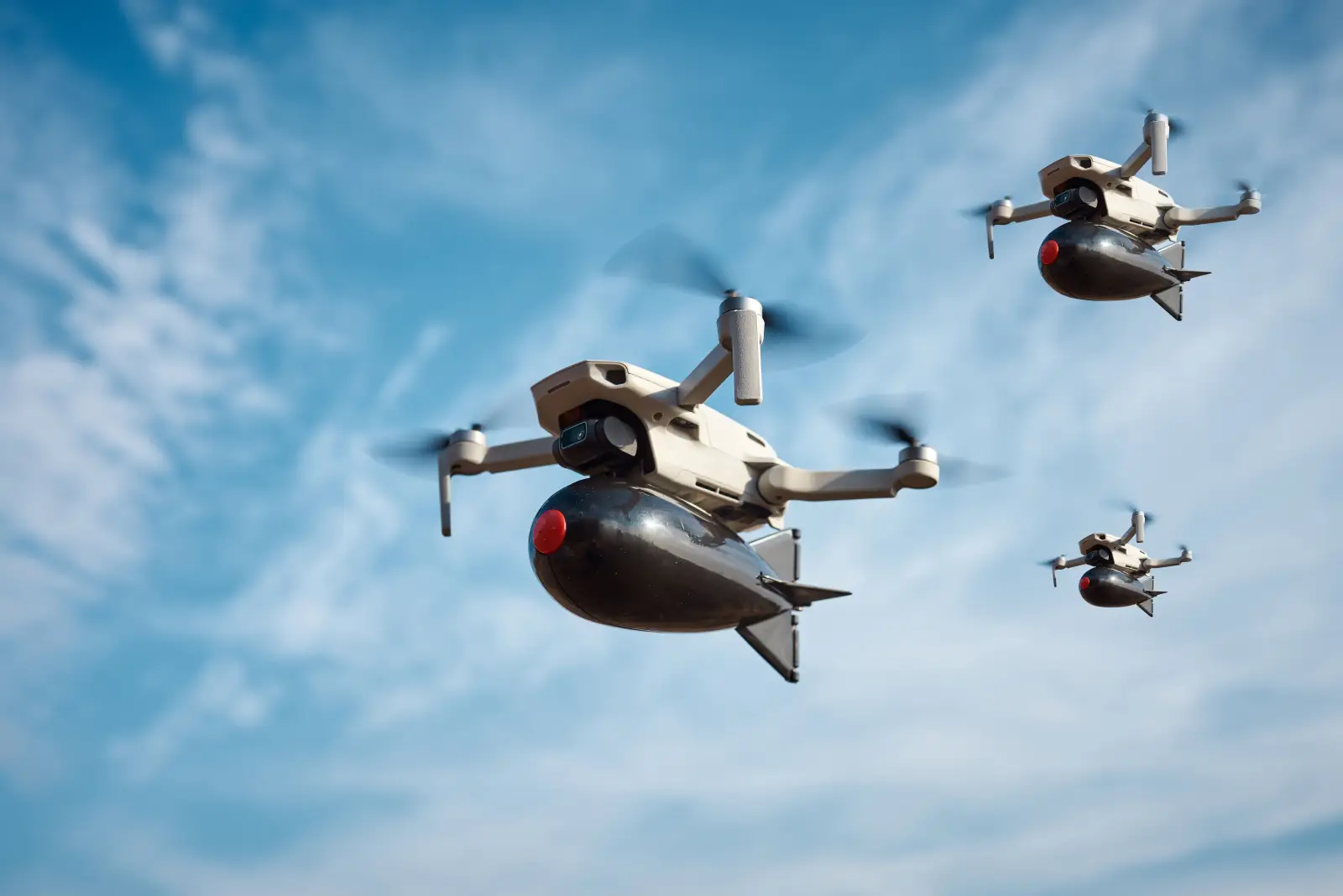
Travel experts note that the situation presents unique challenges as drone activity often occurs without warning and requires immediate response. Unlike conventional aircraft incidents, drone incursions can involve small, fast-moving devices that are difficult to track and may be deployed in coordinated patterns. Authorities say current laws in several European countries remain outdated and not fully equipped to deal with such scenarios, prompting the push for reforms.
As Europe adapts to the evolving threat landscape, travellers may see enhanced airspace monitoring and more visible security measures at major airports. Governments insist the increased vigilance is necessary to protect aviation operations and maintain the reliability of travel networks. With Germany leading legislative action and other countries reassessing their frameworks, drone-defence policy is becoming an increasingly important component of Europe’s broader security environment.
Photo Credit: Lukas Gojda / Shutterstock.com