Italy’s airports face widespread disruption this week as severe winter weather and rail strikes combine to snarl holiday travel across the country and beyond.
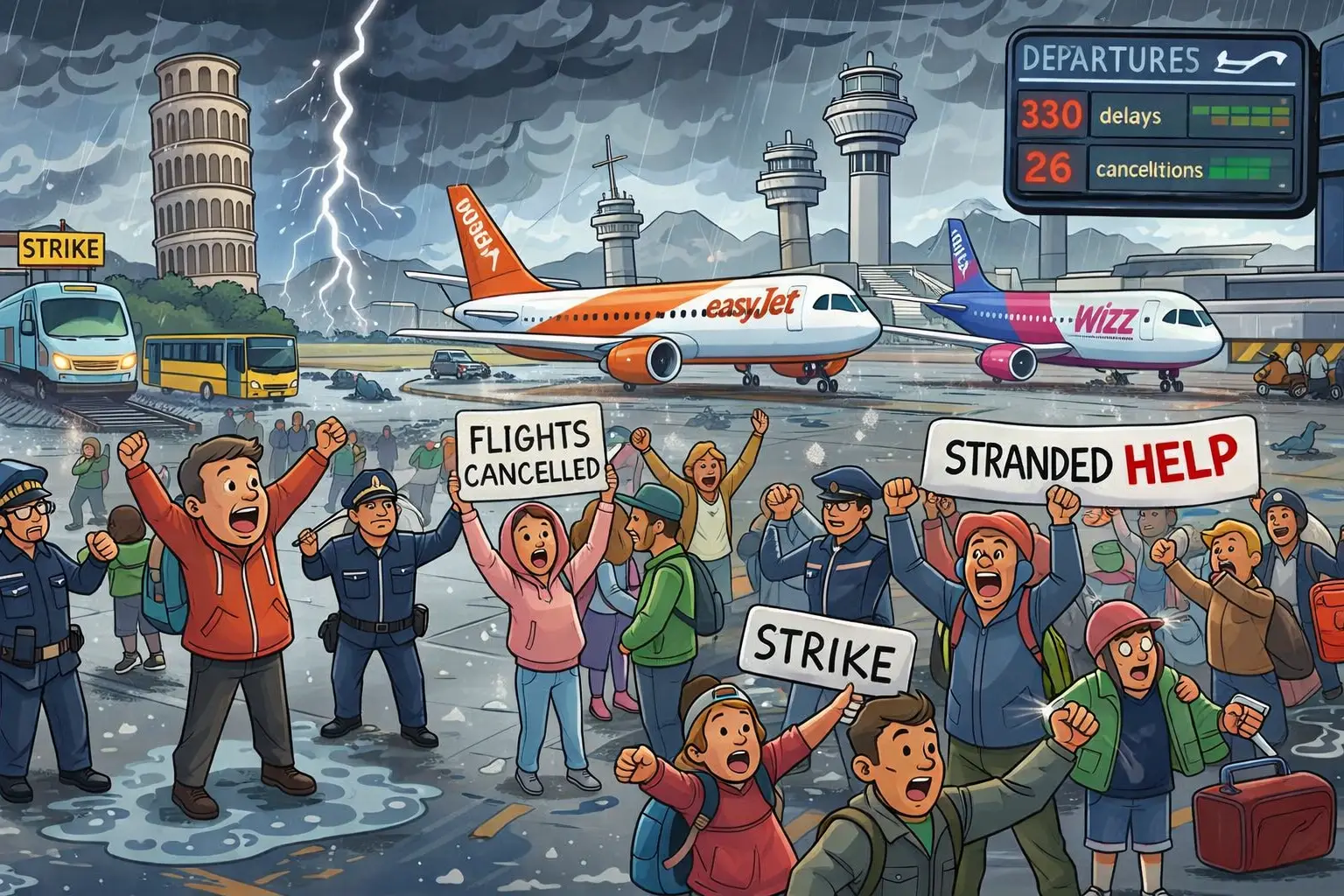
Airports in Rome, Milan, Venice, Bologna and Florence report about 500 delays and more than 2 dozen cancellations, while knock-on effects from congestion at major European hubs worsen the impact. The disruption unfolds on Tuesday and Wednesday as storms, fog and freezing conditions sweep across parts of Europe.
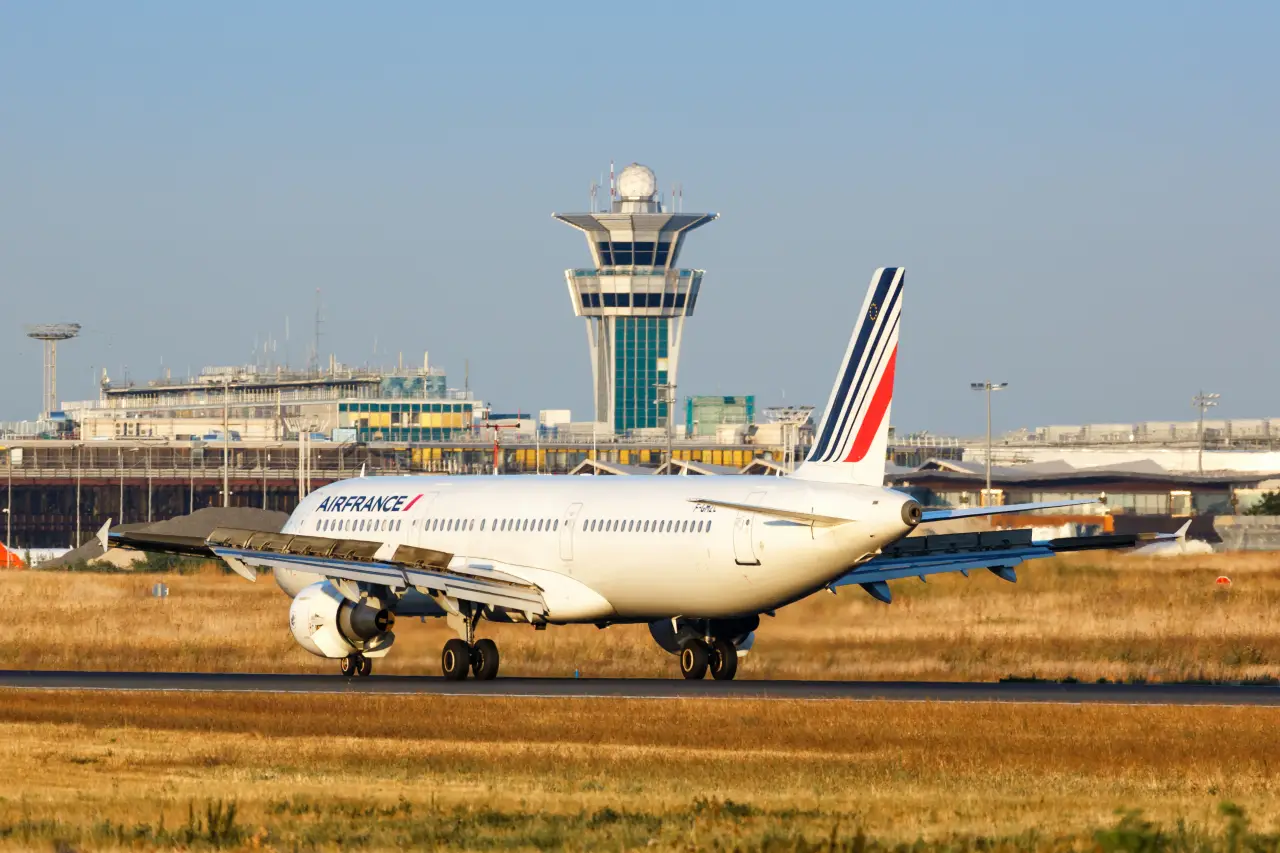
Milan Malpensa handles around 10 diverted flights from Bergamo, where a technical fault and heavy fog trigger major disruption, while airlines including KLM, Wizz Air, easyJet, Air France, British Airways and Lufthansa are among those most affected. At Brindisi airport in Puglia, about 400 passengers on two Albania-bound flights become stranded overnight after diversions, prompting a runway protest that draws police intervention. At the same time, an unplanned 8-hour rail strike in Emilia-Romagna and further planned industrial action add pressure to already stretched transport networks.
Runway protest and airport disruption across Italy
Dramatic scenes unfold at Brindisi airport when two Wizz Air flights bound for Tirana divert due to bad weather over the Albanian capital. Around 150 frustrated passengers breach security barriers and occupy part of the runway on Wednesday, demanding to continue their journey. Police are called to manage the situation as negotiations stretch on for several hours.
Eventually, around 250 passengers agree to travel onward to Albania by ferry from Brindisi port, while another 39 are transferred by bus to Rome Fiumicino to seek alternative flights. Airport authorities later confirm that the protest does not cause additional flight cancellations or delays at Brindisi, though the incident highlights the strain travelers face when diversions cascade into overnight delays.
Elsewhere, northern Italy bears the brunt of weather-related disruption. Fog and technical issues at Bergamo are affecting the region, pushing traffic toward Milan Malpensa and creating congestion on the ground and in the air. Travelers report longer rebooking wait times and limited availability on alternative services as airlines reposition aircraft and crews.
The Italian disruption forms part of a broader wave of winter travel chaos across Europe. Airports in Paris and Amsterdam are among the hardest hit, with Dutch authorities reporting that more than 1,000 travelers are being forced to spend the night at Schiphol, one of Europe’s busiest hubs. Severe cold and snow disrupt operations across multiple countries, reducing runway capacity and slowing de-icing procedures.
The human toll of the extreme weather is also evident. Six people die in weather-related accidents during the cold snap, with five deaths confirmed in France on Tuesday and one woman killed in Bosnia as heavy snow and rain trigger flooding and power outages across parts of the Balkans. The scale of the weather event underlines why recovery across aviation networks can take days rather than hours.
Strikes add pressure as travelers brace for more delays
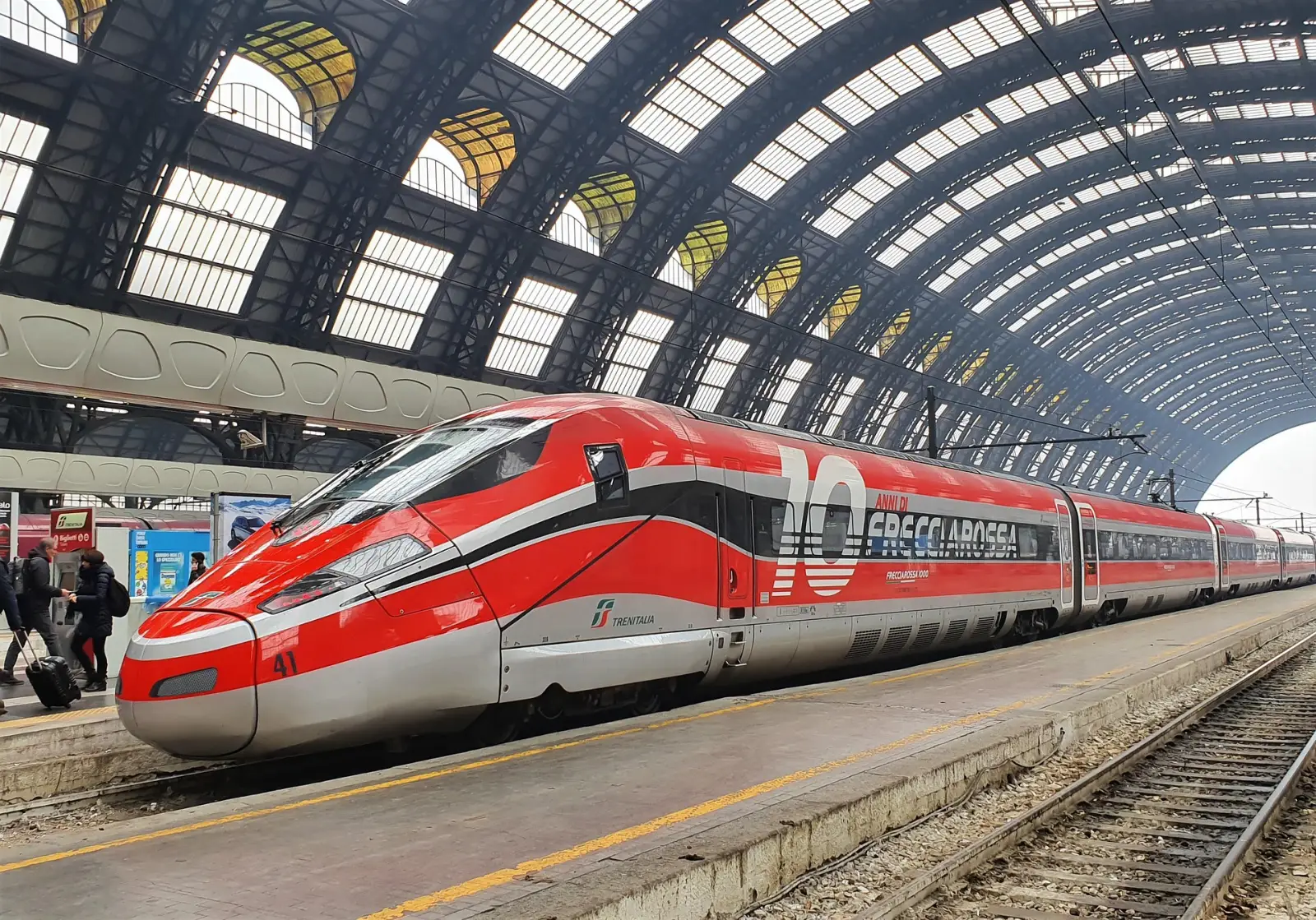
In addition to the weather disruption, rail passengers in Emilia-Romagna face an unplanned 8-hour strike on Tuesday, affecting regional services operated by all companies between 9am and 5pm. Six unions call the walkout after train conductor Alessandro Ambrosio, 34, is stabbed to death at Bologna Centrale station on Monday evening. A 36-year-old Croatian man is arrested in connection with the killing on Tuesday.
Transport officials warn that the combination of disrupted rail links and airport congestion leaves travelers with fewer reliable alternatives, particularly for short-notice journeys between cities and airports. Some passengers choose to delay their trips altogether, while others opt for long-distance coaches or car rentals, which often sell out during peak disruption periods.
Further problems are expected later in the week as additional strikes are planned and a new cold front is forecast to arrive over the weekend. On Friday, January 9th, air transport faces renewed disruption as ground handling staff, easyJet cabin crew, and Vueling staff plan industrial action. Airlines advise passengers to monitor flight status closely and allow extra time for airport procedures.
For travelers, the unfolding situation underscores how interconnected Europe’s transport system has become. Delays at one major hub can ripple across national borders within hours, especially during winter when weather margins are tight and aircraft rotations are less flexible. When rail services also falter, the strain on airports and roads intensifies.
Travel analysts note that winter storms routinely test the resilience of European aviation, but the added layer of labor unrest amplifies uncertainty for passengers and operators alike. While airlines work to accommodate disrupted travelers, rebooking capacity remains limited during peak holiday periods, particularly on popular leisure routes.
Passengers planning trips through Italy and neighboring countries in the coming days are advised to check airline and rail updates frequently, maintain contingency plans, and expect longer wait times at terminals. Although conditions may stabilize once the cold front passes, the backlog of delayed aircraft and displaced crews means recovery could extend well into next week. For now, Italy’s airports remain fragile, illustrating how quickly winter weather and industrial action can turn routine travel into a test of patience and flexibility.