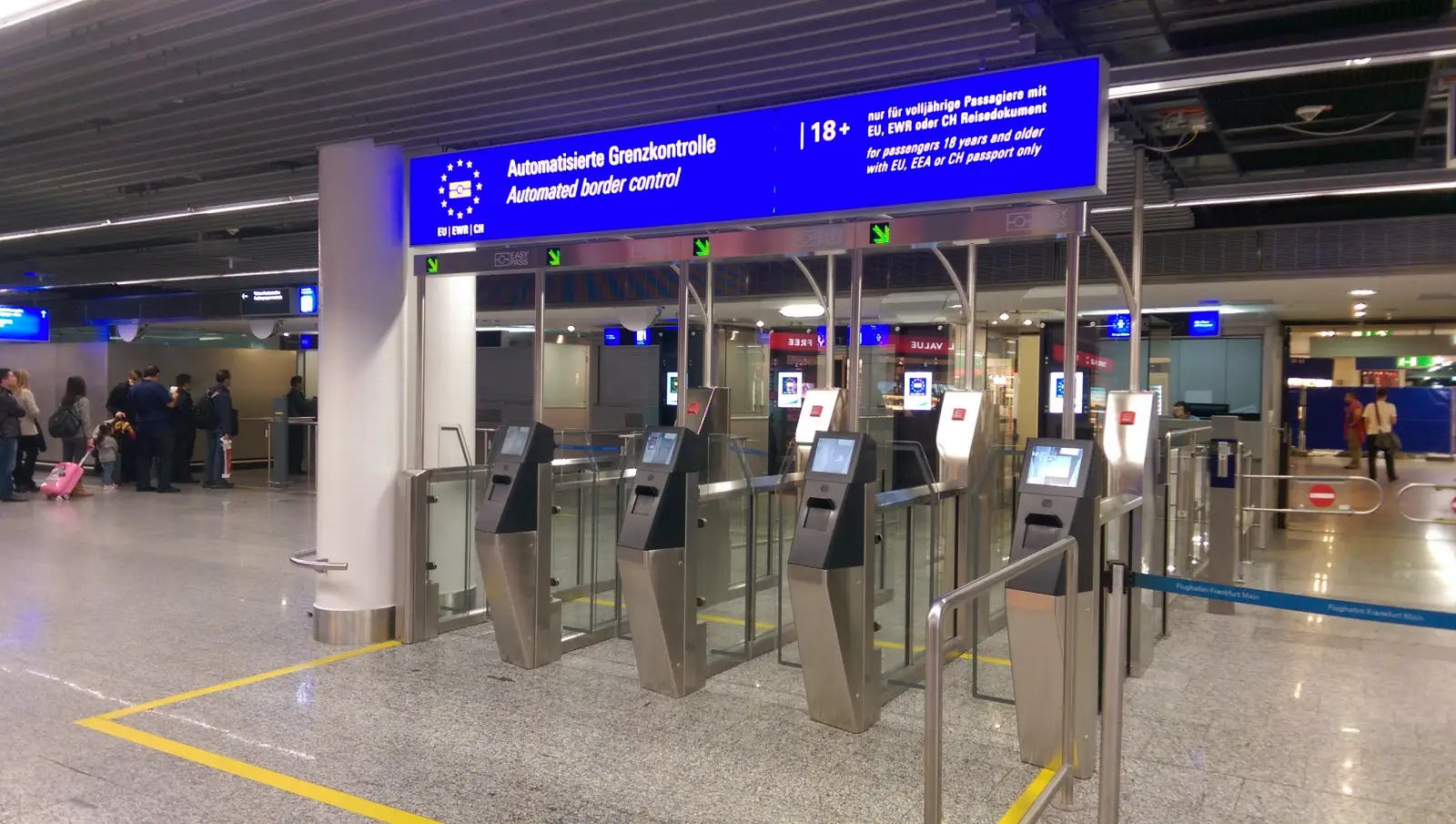
Major European airports are reporting multi-hour border control queues following the phased rollout of the European Union’s new biometric Entry-Exit System, with delays affecting non-EU travellers over the past week as authorities register fingerprints and facial data for the first time.
Airports in several countries report congestion at passport control during peak arrival periods, prompting warnings from travel industry groups that the system is not yet operating at sufficient speed or scale to handle high passenger volumes.
The new controls replace manual passport stamping with digital entry and exit records designed to strengthen border security and track overstays. While officials describe the system as essential for long-term border management, airports and airlines say initial processing times are significantly longer than traditional checks, leading to queues stretching for hours at some terminals.
Long waits reported at major hubs
Travel media and airport operators report the most severe congestion during early morning and evening arrival waves, when several long-haul flights land within short timeframes. Passengers have reported waiting periods of 2 to 4 hours at some locations while border officers guide travellers through new biometric registration steps.
Among the locations cited in recent reports is Geneva Airport, where long lines reportedly extended through the arrival halls shortly after biometric screening was activated for eligible passengers. Similar delays have been flagged at other large European gateways handling high volumes of UK, US, and Middle Eastern travellers.
Airport authorities say the bottlenecks are largely driven by first-time enrolment, which requires additional time per passenger to scan fingerprints and photographs. While repeat travellers are expected to move through faster in future visits, current throughput remains well below pre-system processing levels.
Industry warns of broader disruption risk
Airlines and travel associations are urging border agencies to deploy additional staff, open more biometric kiosks, and use contingency procedures during peak demand periods. Industry groups warn that without operational adjustments, delays could intensify during spring holidays and the summer travel season, when passenger volumes traditionally surge across Europe.
Some EU member states are reportedly considering phased implementation timelines and flexible enforcement approaches to avoid widespread congestion. However, full system deployment remains a policy priority as authorities seek to modernize border controls and enhance security oversight.
The Entry-Exit System is expected to become mandatory across the Schengen Area once implementation is completed. Until enrolment levels stabilize and processing capacity increases, airports anticipate continued pressure on border control infrastructure, particularly at major international hubs handling large flows of non-EU travellers.
For travellers, airlines recommend arriving with ample connection buffers and preparing for extended arrival procedures in the coming months as biometric registration expands across European borders.