Some Italian ski resorts near the Milan-Cortina Winter Olympics are reporting a mid-season downturn in visitor numbers, as regular holidaymakers avoid the area over concerns about congestion and disruption during the Games.
Local newspaper Il Dolomiti reported on Sunday that ski areas in Val di Fassa and Primiero recorded about 10% fewer visitors since the start of the Olympics, compared with expected February levels. At Alpe Cermis, roughly 100 kilometres from Cortina d’Ampezzo, the reported decline was as high as 40%.
Valeria Ghezzi, president of Italy’s national association of cable car operators, told Il Dolomiti that the week had been difficult for lift companies and that demand across the wider Dolomites appeared weaker than anticipated. She said some domestic tourists may have opted for other destinations “out of fear of chaos,” and expressed hope that sentiment would shift later in the season.
The reported slowdown runs counter to pre-Games expectations among parts of the mountain tourism industry, which had anticipated that the Olympics would drive a strong February uplift through increased international exposure and heightened travel interest in the host region.
Why a mega-event can depress regular winter demand
Tourism analysts and destination marketers often describe a short-term “displacement” effect during major international events. Rather than adding net demand across an entire region, a high-profile event can concentrate activity tightly around venues while discouraging routine leisure travel in nearby areas.
In ski markets, that displacement can be pronounced because February is typically a peak period shaped by school holidays, family travel and pre-booked weeklong stays. When prospective visitors believe roads will be busier than normal, parking limited, prices higher or slopes restricted, they may defer travel or choose substitute destinations in neighbouring countries or other Italian regions.
Operators quoted in the report suggested that perceived disruption, rather than on-the-ground conditions, may be driving the slump. Concerns cited include fears of overcrowded Olympic venues, closed slopes and unusually large crowds across the wider Dolomites.
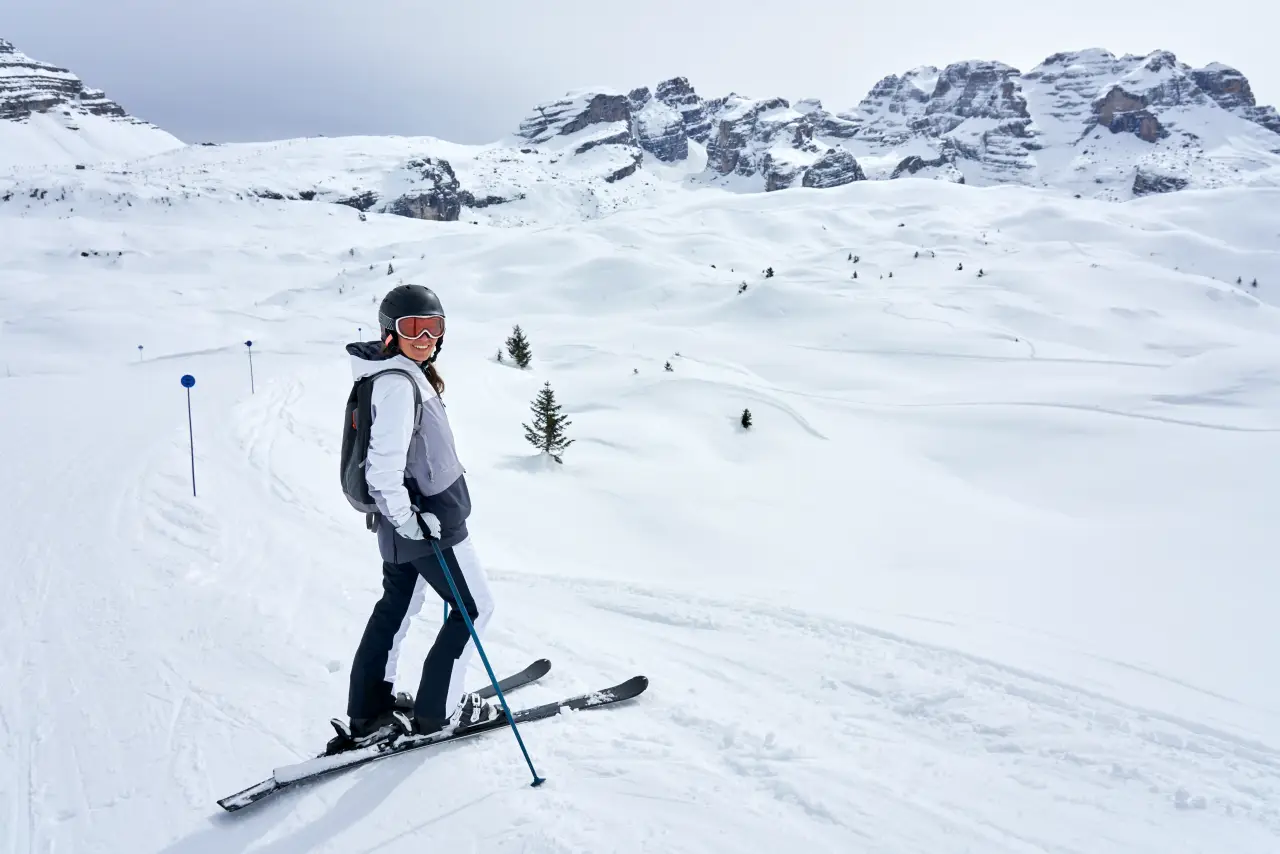
Ghezzi told Il Dolomiti that conditions in the ski areas remain favourable, with “ideal” temperatures and “perfect” slopes, adding that operators are ready for visitors and that there is ample parking. The contrast between these claims and reported visitor declines underscores how expectation can shape travel decisions even when core resort services are operating normally.
A geography problem: one brand, many locations
The Milan-Cortina Winter Olympics are staged across multiple sites rather than a single compact mountain base. The Games end on February 22, and competitions are taking place across six different locations in the region.
For tourists planning a ski break, however, media coverage and word-of-mouth can compress geography. Many potential visitors may interpret “the Dolomites” as a single Olympic zone, even though the resort landscape is distributed and many areas are not directly involved in competition logistics.
That perception is particularly influential for travellers who value predictability: families, older skiers and casual holidaymakers who may be less willing to gamble on traffic, access rules or crowding during a major event window.
What the numbers could mean for local businesses
Even a moderate decline in skier days can ripple through Alpine economies during peak season. Lift ticket sales are closely tied to resort revenues, and fewer visitors typically translate into lower spend for ski schools, equipment rentals, restaurants and local transport providers.
The larger reported drop at Alpe Cermis, if sustained, would be especially significant because the resort’s February business is usually built around high occupancy, group bookings and repeat domestic travel. A sharp reduction in footfall during a high-margin month can be difficult to recover, even if demand returns later in the season.
Industry representatives also point to the composition of Olympic-related travel. Spectators and event-related visitors may book shorter stays, prioritise venue access over ski time, and concentrate spending in specific nodes, limiting spillover benefits to nearby leisure resorts.
Expectations versus timing
In the report, Francesca Misconel, marketing manager of Alpe Cermis, described the Olympics as “a unique opportunity,” while suggesting that the biggest tourism gains may come after the Games rather than during them.
That view reflects a common planning assumption in host regions: the long-term value of a mega-event often lies in brand exposure, infrastructure upgrades and future travel intent, rather than an immediate surge in traditional holiday demand.
For ski resorts, the timing matters. The weeks during the Olympics overlap with a period when many operators expect strong baseline demand without the need for event-driven marketing. If the event discourages that baseline market, the short-term trade-off becomes more visible and more politically sensitive for local tourism stakeholders.
Signals to watch as the season progresses
If resort operators are correct that the decline is driven by fear of disruption, several indicators may show whether demand rebounds once the event window passes or as visitors gain confidence that slopes remain accessible:
- Late-February and March booking curves: a recovery in reservations would suggest postponement rather than a lost season.
- Day-trip volumes: stronger weekend lift-pass sales can indicate returning domestic confidence even if longer stays lag.
- Price sensitivity: discounting or bundled offers may be used to stimulate demand if occupancy remains below target.
- Mobility conditions: stable travel times and clear guidance on access can reduce perceived risk for late planners.
Operators also have an opportunity to recalibrate messaging during and immediately after the Games, emphasising operational readiness, open terrain and the availability of parking and services. The aim is to convert passive Olympic attention into active travel intent without reinforcing concerns about overcrowding.
A familiar trade-off for host regions
The situation described in the report highlights a recurring tension in mega-event tourism. High-profile international competitions can deliver a strong global marketing effect, but they can also create a short-lived deterrent for conventional leisure travel, especially in destinations where visitors prioritise calm, routine and predictable access.
For the Dolomites, the underlying challenge is to ensure that Olympic visibility translates into sustained post-Games growth while limiting short-term disruption to the winter economy. Whether February’s reported slump proves temporary will shape how operators, local authorities and hospitality businesses assess the balance between immediate peak-season performance and longer-term destination promotion.
Photo Credit: Kamil Macniak / Shutterstock.com