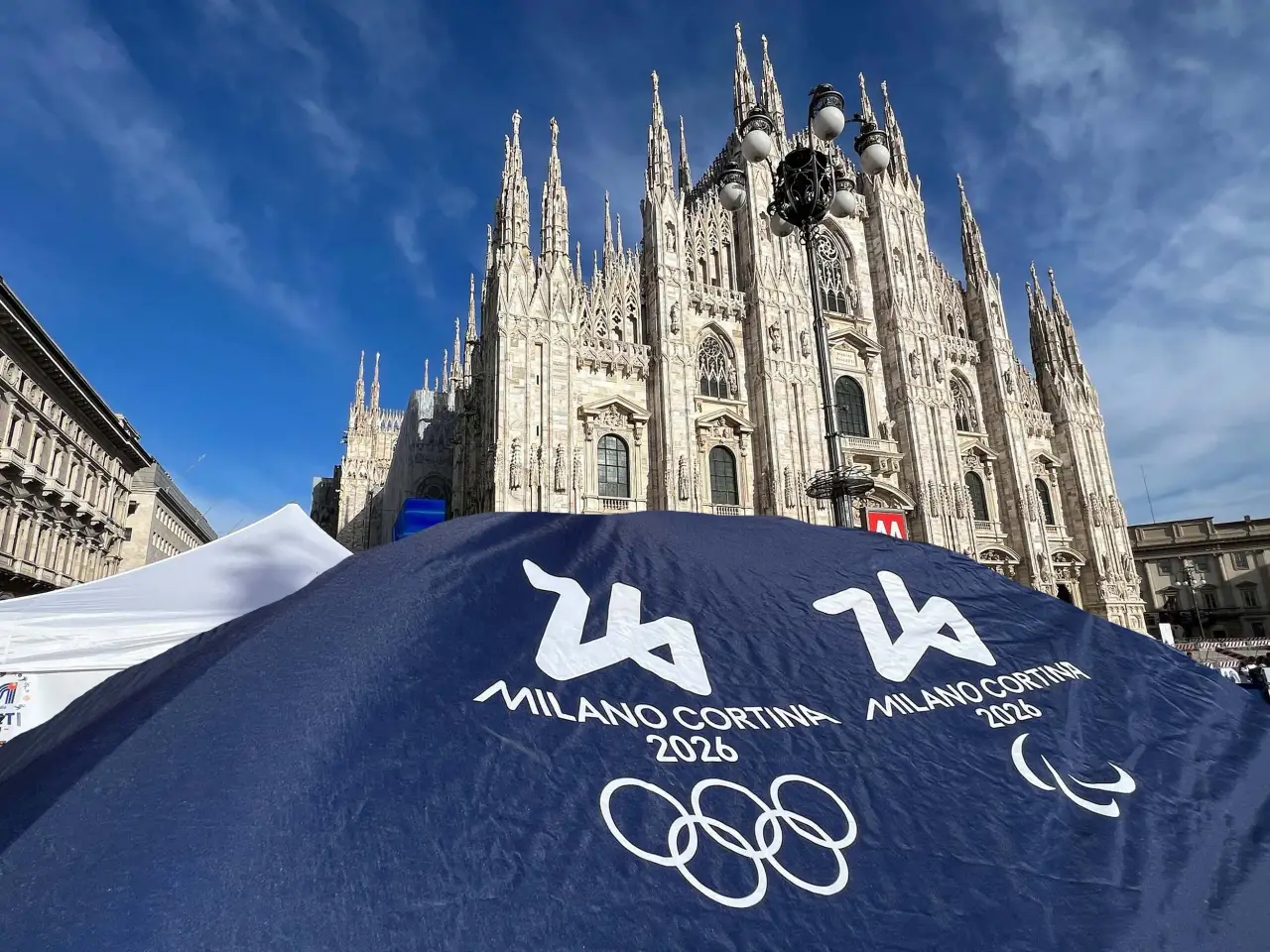
Italy’s February 2026 travel calendar comes with a clear warning: widespread transport strikes collide with peak-season events, including Venice Carnival (31 January–17 February) and the Milano-Cortina Winter Olympics (6 February–22 February, with Games-related impacts extending into mid-March).
Rail, local buses, ports and aviation all face walkouts, with the most disruptive dates clustering around 2–3 February (Lombardy regional rail), 16 February (nationwide aviation), and 27–28 February (national rail). On top of that, Rome starts charging a €2 access fee from 2 February 2026 for close-up entry to the Trevi Fountain basin during set hours.
The strike schedule spans everything from airport ground handling in Milan to motorway staff and local bus networks, while major events pull millions into northern Italy and key cities. The Winter Olympics alone is expected to draw more than 2 million spectators, and authorities warn that transport routes and schedules may change and that public transport will be under strain.
If you are travelling in February 2026, you will likely need to plan around guaranteed service windows, book accommodation earlier than usual, and keep a close eye on last-minute updates from operators.
What’s happening with strikes in February 2026
Italy’s official strike listings show a packed month that can catch visitors off guard because disruptions do not stay neatly within one city. A local rail strike can also affect airport access, and an aviation stoppage can ripple into trains, taxis and hotel stays when flights cancel and passengers rebook at short notice.
The most immediate pinch point for early-February arrivals sits in Lombardy. A 23-hour Trenord strike runs from 03:00 on 2 February to 02:00 on 3 February, affecting regional services and key airport links, including routes associated with Milan Malpensa access. Trenord typically operates limited guaranteed service windows in the early morning and early evening, but travellers should expect cancellations outside those periods.
Mid-month brings the biggest nationwide headache for flyers. Multiple unions call a 24-hour aviation strike on 16 February that affects pilots, cabin crew and ground staff, including operations linked to ITA Airways, Vueling cabin crew, and airport handling at Milan’s Linate and Malpensa airports. Italy’s civil aviation rules limit the guaranteed flight windows to 07:00–10:00 and 18:00–21:00, so anything outside those slots becomes a high-risk booking.
Late February then hits rail passengers nationwide. A national rail strike begins at 21:00 on 27 February and runs to 20:59 on 28 February, with the sharpest impact expected on long-distance and high-speed services as well as knock-on cancellations across regional routes. If your itinerary depends on a tight connection—say, an evening arrival into Milan followed by a morning train to the mountains—build in slack or consider an overnight stop.
Beyond those headline days, travellers should also watch for local public transport strikes that can complicate sightseeing and event attendance. Bolzano’s SASA bus network schedules 24-hour stoppages (including 13 February and another planned later in the month), while other local actions affect places such as Termoli and Udine. Port and motorway-related stoppages also appear in the calendar, which can matter for cruise calls, ferries, freight-delayed supplies, and intercity road trips.
Big events that will crowd trains, roads and hotels
Even without strikes, February 2026 is unusually busy. Venice Carnival runs from 31 January to 17 February, bringing masked parades, themed events and a surge in weekend demand. Venice is already a city where last-minute planning can punish your budget, and the carnival period tends to push prices up while tightening availability.
Then come the Milano-Cortina Winter Olympics, spread across northern Italy and multiple venues. Authorities flag that travel distances between venues are long, some access may be limited to ticket holders, and public transport will strain under the weight of spectators. The knock-on effects will be felt far beyond host towns: Milan, Verona and surrounding transit hubs can see heavier loads on trains, roads and accommodation, especially around big competition days and weekends.
Carnival season also lights up other cities. Viareggio stages multiple major parades in February (including daytime and evening events with fireworks), which can trigger road closures and heavy traffic along the Tuscan coast. Ivrea’s Battle of the Oranges draws large crowds and includes ticketing on its busiest day, while Verona’s Valentine-themed “Verona in Love” (14–16 February) brings extra demand right when many couples already book romantic breaks.
Business and culture calendars add more pressure. Naples hosts the NauticSud International Boat Show (7–15 February), Florence draws dancers and visitors for Danzainfiera (20–22 February), and Sanremo shifts its famous music festival to 24–28 February in 2026, in part to avoid clashing with the Winter Olympics. Milan Fashion Week follows immediately after (24 February–2 March), intensifying competition for hotels, taxis and dining reservations.

Rome’s new Trevi Fountain charge: what it means on the ground
Rome adds one more practical consideration: a €2 fee applies from 2 February 2026 for visitors who want to step down into the close-access area by the Trevi Fountain basin during set times. The surrounding square remains free to enter, but the paid zone aims to reduce overcrowding and manage flow. “I didn’t know that we had to pay, but I have no problem with that,” said Valentina De Vicentis, tourist.
For travellers, this is less about the price and more about timing and queues. If you are squeezing Rome into a tight itinerary—especially on a weekend—expect checks, timed access patterns, and the possibility that you will need to come back later in the day to get close to the water.
Weather can still disrupt travel
Travel in Italy in February may also be affected by weather-related disruptions, particularly in coastal and mountainous areas. Recent storms and alerts in late January and early February underscore how quickly conditions can trigger road closures, port delays and rail adjustments, especially in the south and on islands. If your plans include Sicily, Sardinia, or high-altitude ski regions, keep your schedule flexible and watch official local warnings.
In storm-damaged areas, disruptions can linger after the worst weather passes, as repairs and safety checks affect roads, seafront walkways and infrastructure. “In the coming days, the government will adopt a new interministerial measure to allow the restoration and reconstruction of the damaged infrastructure,” said Nello Musumeci, Civil Protection Minister.
How to plan around February 2026 disruption
- Avoid high-risk travel days: If you can, do not schedule essential flights on 16 February or essential long-distance rail trips on 27–28 February.
- Use guaranteed windows strategically: When you must travel during strikes, aim for services operating in the protected time slots (often early morning and early evening for rail; 07:00–10:00 and 18:00–21:00 for flights on the aviation strike day).
- Book accommodation earlier than usual: Venice during Carnival and northern Italy during the Olympics will sell out faster, and disruption can force last-minute overnights.
- Keep your itinerary modular: Build “buffer days” around event cities, and do not stack tight connections across different transport modes.
- Monitor operator updates daily: Check your airline, rail operator and local transit alerts in the 48 hours before travel, then again on the morning of departure.
- Have a Plan B for airport transfers: If Milan airport handling is disrupted, consider earlier arrivals, private transfers, or alternative airports and rail routes.
Italy in February 2026 can still be an unforgettable trip—carnival masks in Venice, winter sport in the Alps, and music and fashion in Sanremo and Milan—but it is not a month for winging it. Treat strikes and crowds as part of the landscape, plan your routes with extra time, and you can still catch the best of Italy’s winter without letting logistics steal the show.
Top Photo Credit: Real Sports Photos / Shutterstock.com