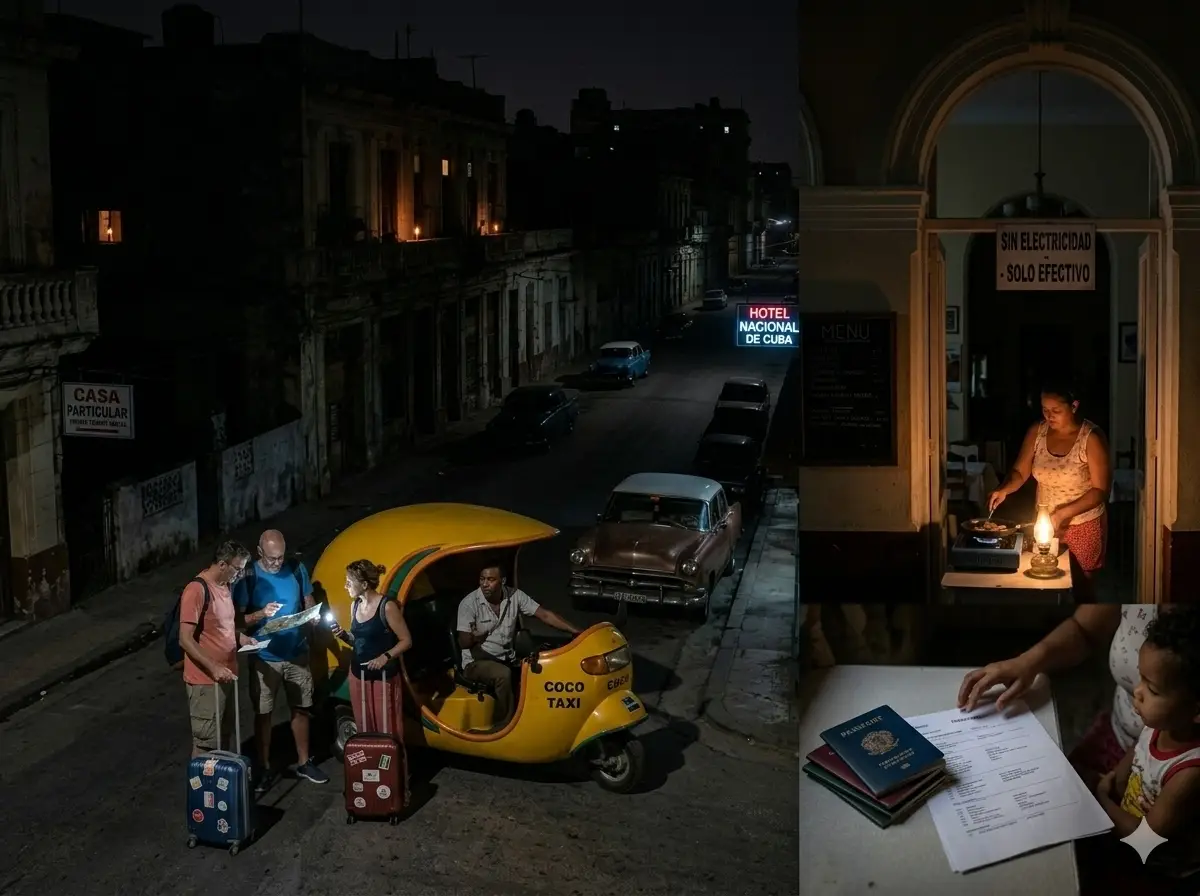
A nationwide blackout in Cuba has disrupted flights, hotels and tourism services across the island after a major failure in the national power grid left millions without electricity.
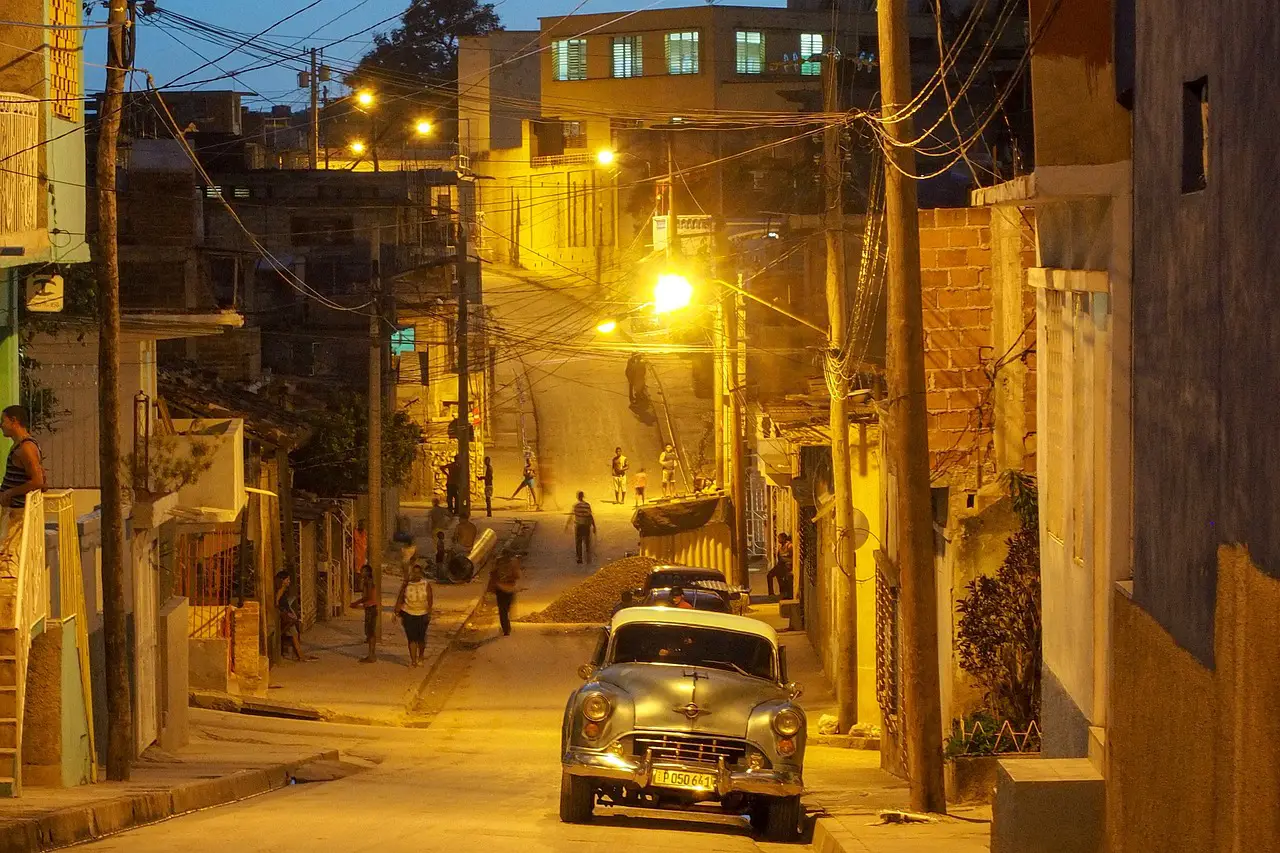
Authorities began restoring power on 5 March after outages spread across western and central regions, including the capital Havana.
The blackout follows the shutdown of the Antonio Guiteras thermoelectric power plant, one of Cuba’s largest electricity generators, triggering widespread power outages and infrastructure disruptions. The energy crisis has also affected aviation operations, hotel services and domestic transport, raising concerns for travelers and the country’s struggling tourism sector.
Flights and airport operations affected
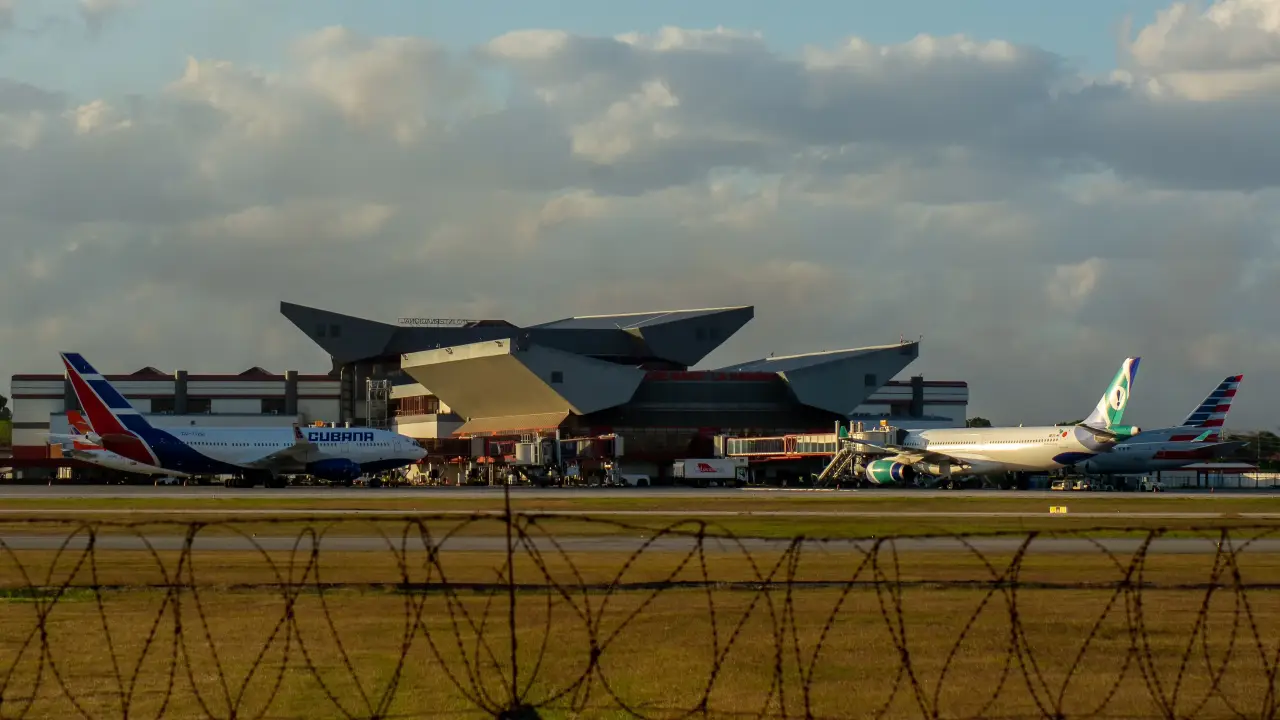
The power crisis has added pressure on Cuba’s aviation sector, which is already facing fuel shortages and reduced airline capacity. Some airlines have struggled to obtain jet fuel at Cuban airports, forcing operational adjustments and complicating flight planning.
AP reported that Air France announced plans to suspend flights between Paris and Havana from 28 March to 15 June. The airline cited operational difficulties linked to the ongoing fuel shortages affecting aviation services in Cuba.
Airlines operating to the island have also been forced to adapt refueling strategies, with some aircraft needing to carry additional fuel or refuel outside Cuba due to limited supplies. These operational constraints reduce flexibility and may affect flight schedules during the peak travel season.
Hotels rely on generators during outages
Hotels and tourism facilities across Cuba have relied on backup generators as repeated power outages disrupt electricity supplies. Some hotels have faced interruptions to air conditioning, elevators and lighting when generator capacity is limited or fuel supplies run low.
Restaurants, water systems and telecommunications services have also been affected because many operations depend on stable electricity supplies. Tourism operators say intermittent power outages can disrupt food storage, payment systems and basic guest services.
Transport infrastructure has also been affected by the broader energy crisis. Limited fuel supplies and electricity shortages have constrained bus services and other domestic transport options used by travelers.
Cuba’s tourism sector has struggled to recover fully in recent years, and the latest power crisis adds new challenges for airlines, hotels and tour operators working to restore international visitor demand.
Authorities are continuing efforts to stabilize the electricity grid while gradually restoring power across the country. However, officials say the broader energy crisis linked to aging infrastructure and fuel shortages remains an ongoing challenge for the island.