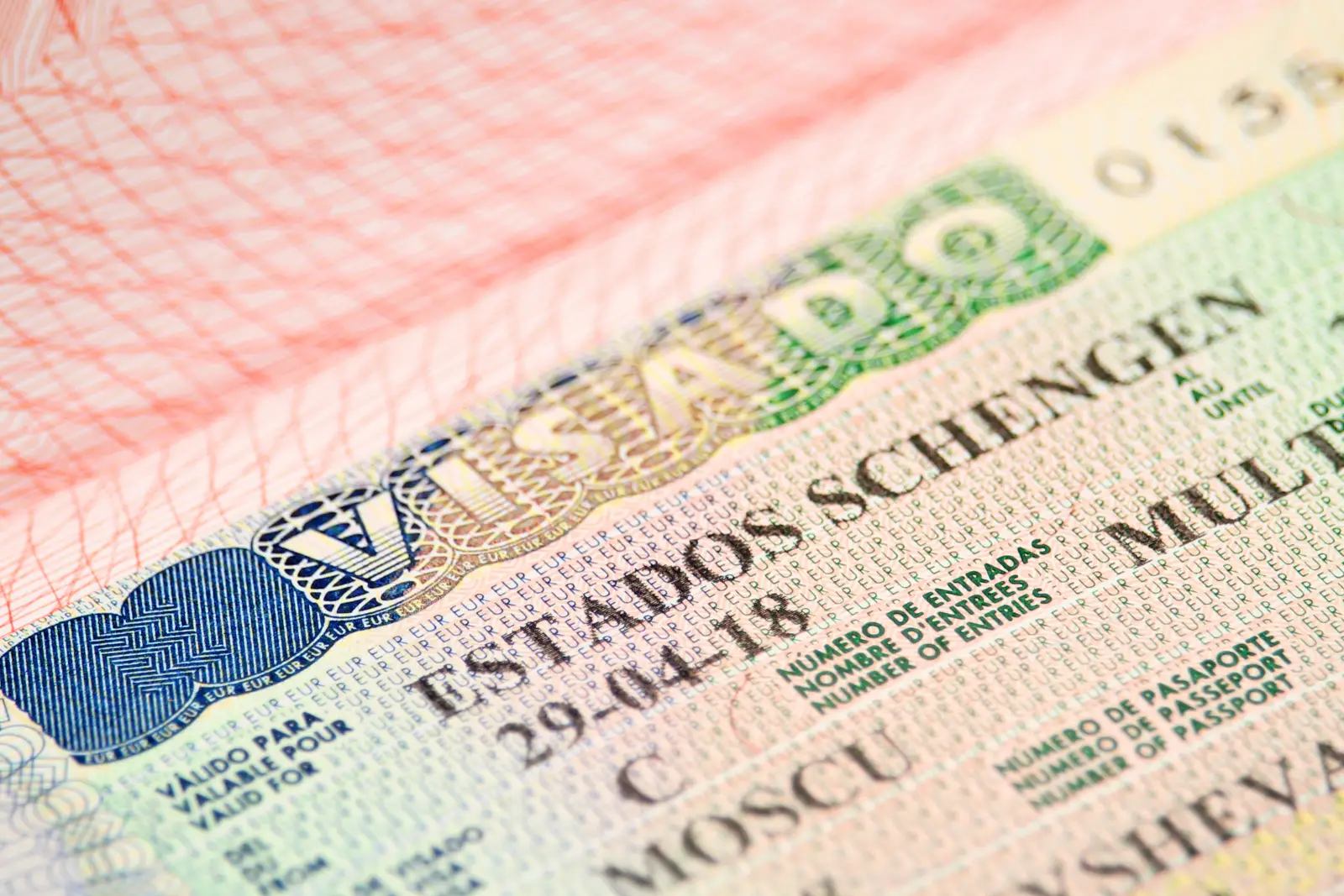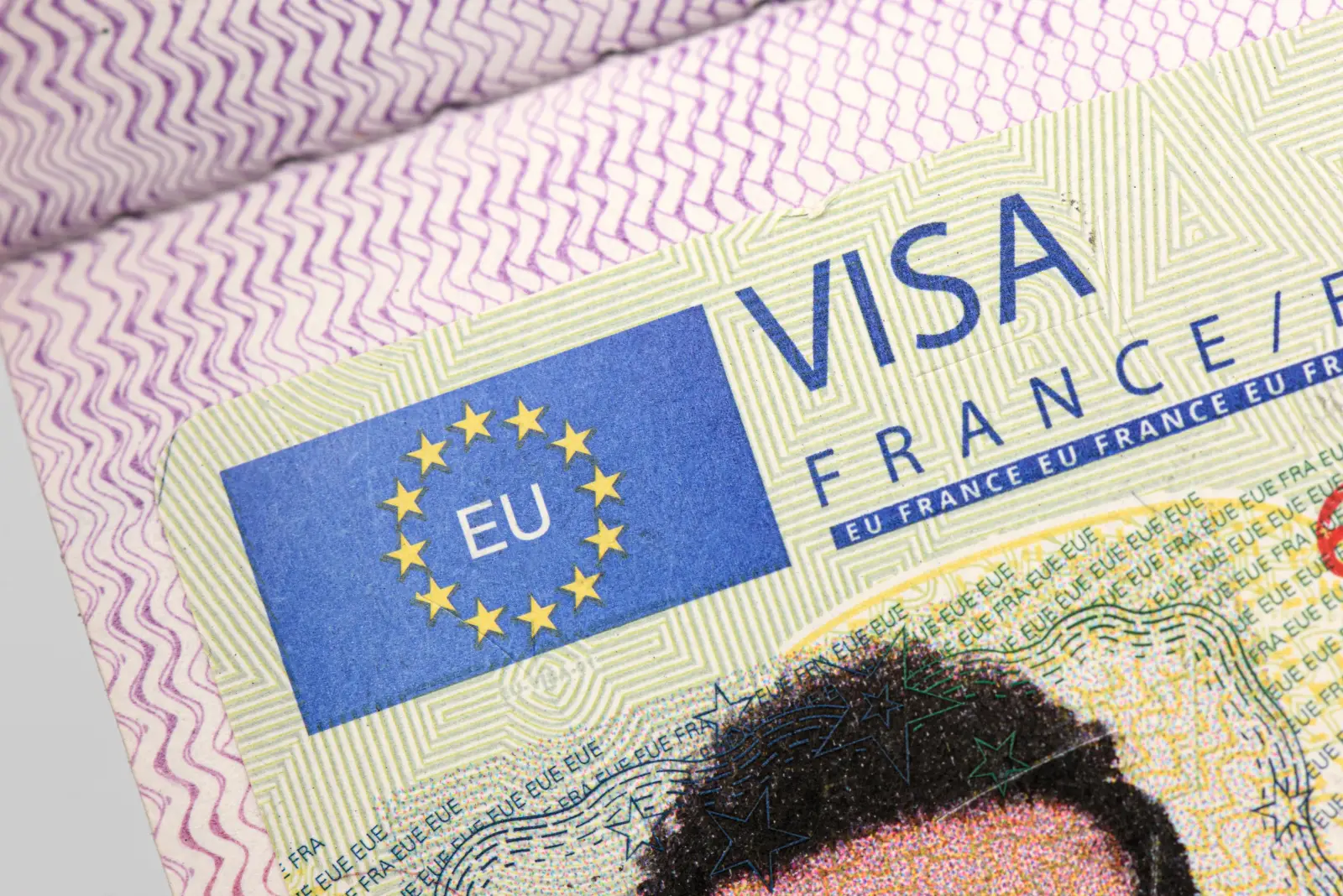
The European Union is replacing the physical Schengen visa sticker with a fully digital system, anchored by an encrypted 2D barcode and a new centralised online application platform called the EU Visa Application Platform (EU VAP).
The platform is set to begin development in 2026 and reach full operation by 2028, after which a seven-year transition period allows all 29 Schengen member states to complete the switchover. The reform will affect an estimated 22 to 25 million visa applications processed annually once the system is fully functional.
The shift forms part of a broader EU strategy to modernise border management across the Schengen Area, which covers 25 EU member states and four non-EU countries — Norway, Switzerland, Iceland and Liechtenstein.
The legal framework underpinning the digitalisation was provisionally agreed by the European Council and European Parliament in June 2023, with formal regulations subsequently published by EUR-Lex. The reform runs alongside two parallel systems — the Entry/Exit System (EES) and the European Travel Information and Authorisation System (ETIAS) — each addressing different categories of traveller.
How the Digital Visa System Will Work
At the centre of the reform is the EU VAP, a unified online portal through which applicants will create a secure account, upload required documents, pay the visa fee, and track their application in real time. The platform will automatically route each application to the correct Schengen country for processing, eliminating a persistent source of confusion for travellers visiting multiple destinations. The digital visa issued through the system will take the form of a 2D barcode, cryptographically signed by the Country Signing Certificate Authority of the issuing member state, and will include a biometric facial image of the holder.
One significant practical change is that applicants will no longer need to surrender their passport to a consulate during processing — a requirement that has historically caused major disruption for frequent travellers. First-time applicants will still be required to attend an in-person appointment to provide biometric data, including fingerprints and a photograph, but once collected, those biometrics remain valid for approximately five years, allowing subsequent renewals to be completed entirely online. Document uploads, including digital biometric photographs, proof of travel, and evidence of financial means, will replace the current requirement for physical submission.
Fees, Timelines and the Transition Period
The adult Schengen visa application fee rises to €90, up from the previous €80, though exemptions and reduced rates remain available for certain categories of applicant.
EU VAP is expected to enter development in 2026, with full transition to the online platform — and the complete replacement of physical visa stickers with digital barcodes — targeted for 2028.
After that, a further seven-year window gives member states time to complete mandatory adoption; universal compliance across the Schengen zone is expected by approximately 2030. During the transition, both the digital system and the traditional paper-based process will run in parallel, and individual member states may opt in to EU VAP ahead of the mandatory deadline.
The reform is accompanied by two related border management overhauls. The EES, rolling out from October 2025, will electronically log entries, exits, and refusals for non-EU travellers, replacing manual passport stamping with a biometric tracking system designed to detect overstays. ETIAS — a separate pre-travel authorisation system for travellers from visa-exempt countries, including the United States, United Kingdom, Canada and Australia — is scheduled to launch in Q4 2026, will cost €20 per application, and will remain valid for three years. ETIAS is entirely distinct from EU VAP; the former applies to visa-free travellers, while the latter applies exclusively to those who require a Schengen visa.
However, the timeline carries caveats. The EU’s own 2025 State of Schengen Report acknowledged that full digitalisation had originally been targeted for 2025, a deadline that passed without delivery. ETIAS itself has faced repeated postponements since its initial launch date of 2024. Observers note that deploying modern technology across a 27-state border zone involves extensive infrastructure upgrades, consulate training, and contractor procurement before the system can reach the scale required to handle tens of millions of applications annually. The European Commission has urged member states, the European Parliament, the Council, and the EU border agency eu-LISA to ensure both EES and ETIAS meet their revised schedules.
“As the world’s largest and most popular area of free movement, we must step up our efforts to further develop, reinforce and modernise Schengen,” said Magnus Brunner, Commissioner for Home Affairs and Migration.
“That means improving security cooperation between law enforcement in Member States, accelerating digitalisation of border management systems such as the Entry-Exit system to prevent security risks and ensure more effective returns.”
Photo Credit: gd_project / Shutterstock.com