Saudi Arabia has confirmed a fundamental shift in its Vision 2030 tourism strategy, moving away from speculative mega-projects toward event-driven demand, private sector participation, and measurable economic returns.
On April 15, the Public Investment Fund (PIF) approved its 2026–2030 strategy, marking a formal transition from rapid growth and acceleration to sustained value creation. Construction commitments have been cut by tens of billions of dollars, and NEOM has been separated from the broader tourism ecosystem and repositioned as a standalone investment pillar.
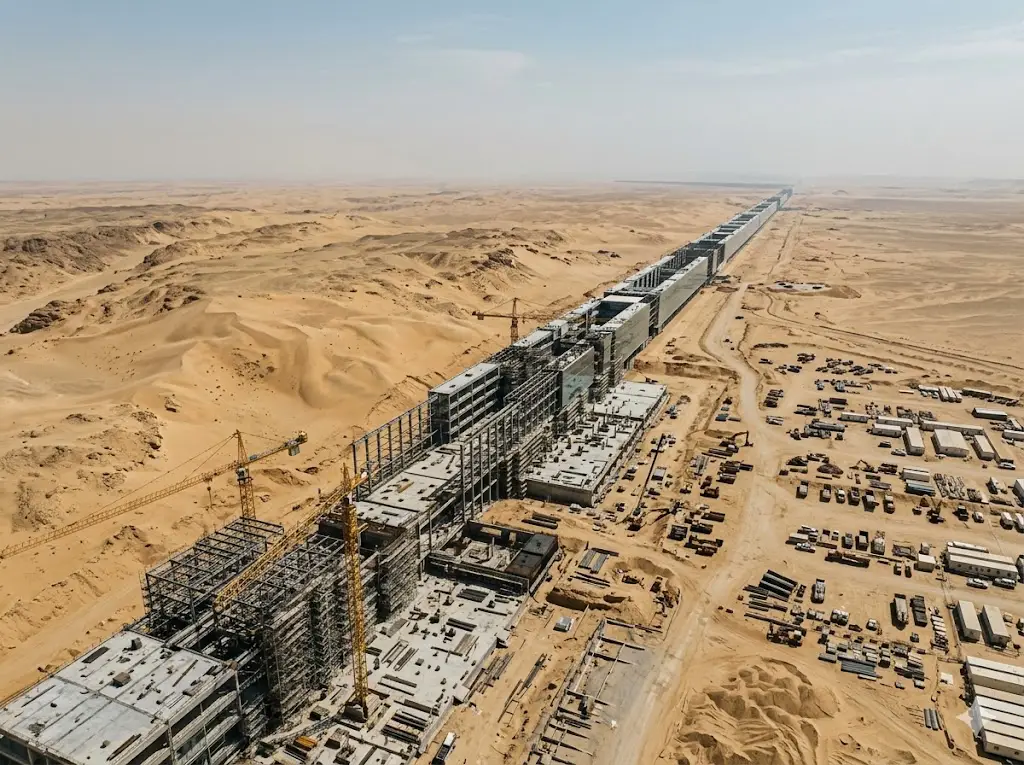
PIF governor Yasir Al-Rumayyan addressed the future of The Line directly at a press conference. “Is it necessary for The Line to be completed by 2030? I don’t think so. It’s good to have, but it’s not a must-have,” he said, adding that Oxagon remains the most vital near-term NEOM component. Delayed NEOM projects were described as not on “the critical path” — a distinction Al-Rumayyan reserved for Expo 2030 and the FIFA World Cup 2034.
The 2026–2030 plan reorganizes the PIF portfolio into six ecosystem pillars: travel, tourism and entertainment; urban development and livability; advanced manufacturing and innovation; industry and logistics; clean energy and renewables; and NEOM as a standalone category. The restructuring effectively decouples NEOM from Saudi Arabia’s near-term tourism targets.
Reports emerging on the same day as the PIF announcement indicated that the fund is also on the verge of cutting its support for LIV Golf, the $5 billion loss-making tour it launched in 2022 as part of its sports diplomacy push.
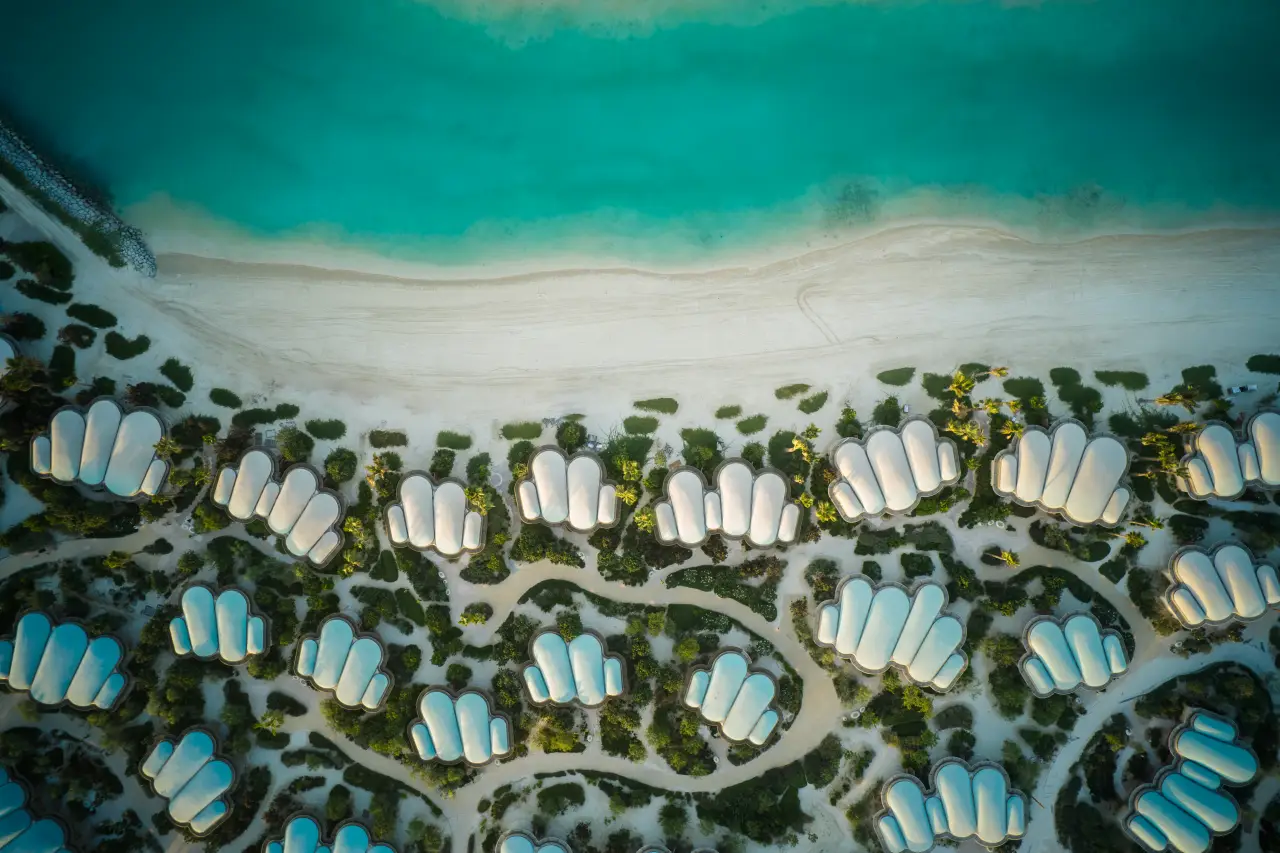
The recalibration follows years of delays, cost overruns and questions over feasibility across flagship developments. The Line, originally scheduled to open in 2024, has been scaled down significantly. Red Sea Global has confirmed continued funding support, with multiple resorts operational and additional capacity scheduled through 2026, though projects such as Amaala are now incorporating external debt financing, reflecting a shift toward blended capital models.
Under the new strategy, around 80% of PIF spending will be directed domestically, a significant increase from earlier phases of Vision 2030 that emphasized rapid global expansion. Tourism projects with clear revenue pathways remain active, while those dependent on speculative long-term demand face reduced state backing.
The strategic pivot places Expo 2030 in Riyadh and the FIFA World Cup 2034 at the center of Saudi Arabia’s tourism ambitions. More than 40 million visitors are expected to attend the Expo, which is themed “The Era of Change: Together for a Foresighted Tomorrow.” The World Cup, Saudi Arabia’s first hosting of football’s flagship tournament, is expected to require more than 230,000 hotel rooms and to accelerate infrastructure investment across the Kingdom.
The second draft of Vision 2030’s tourism strategy emphasizes optimizing existing demand, building networked destinations, and empowering local entrepreneurs and culturally hybrid talent. New metrics for success focus on yield, conversion and infrastructure utilization, replacing the headline visitor number targets that defined the strategy’s first phase. Saudi Arabia’s 150 million annual visitor goal remains on the books, but the path to reaching it has been substantially redrawn.
Tim Callen, former IMF mission chief for Saudi Arabia and now at the Arab Gulf States Institute, noted that previous capital expenditure ambitions had exceeded sustainable levels under current market conditions. Rachel Ziemba of Ziemba Insights was more direct in her assessment of the earlier targets, describing them as too lofty.
Saudi Arabia recorded 122 million domestic and international visitors in 2025, a 5% increase year over year, with tourism spending reaching nearly 300 billion riyals. The Kingdom remains on a growth trajectory, but the era of sovereign-funded spectacle as the primary engine of that growth appears to be over.