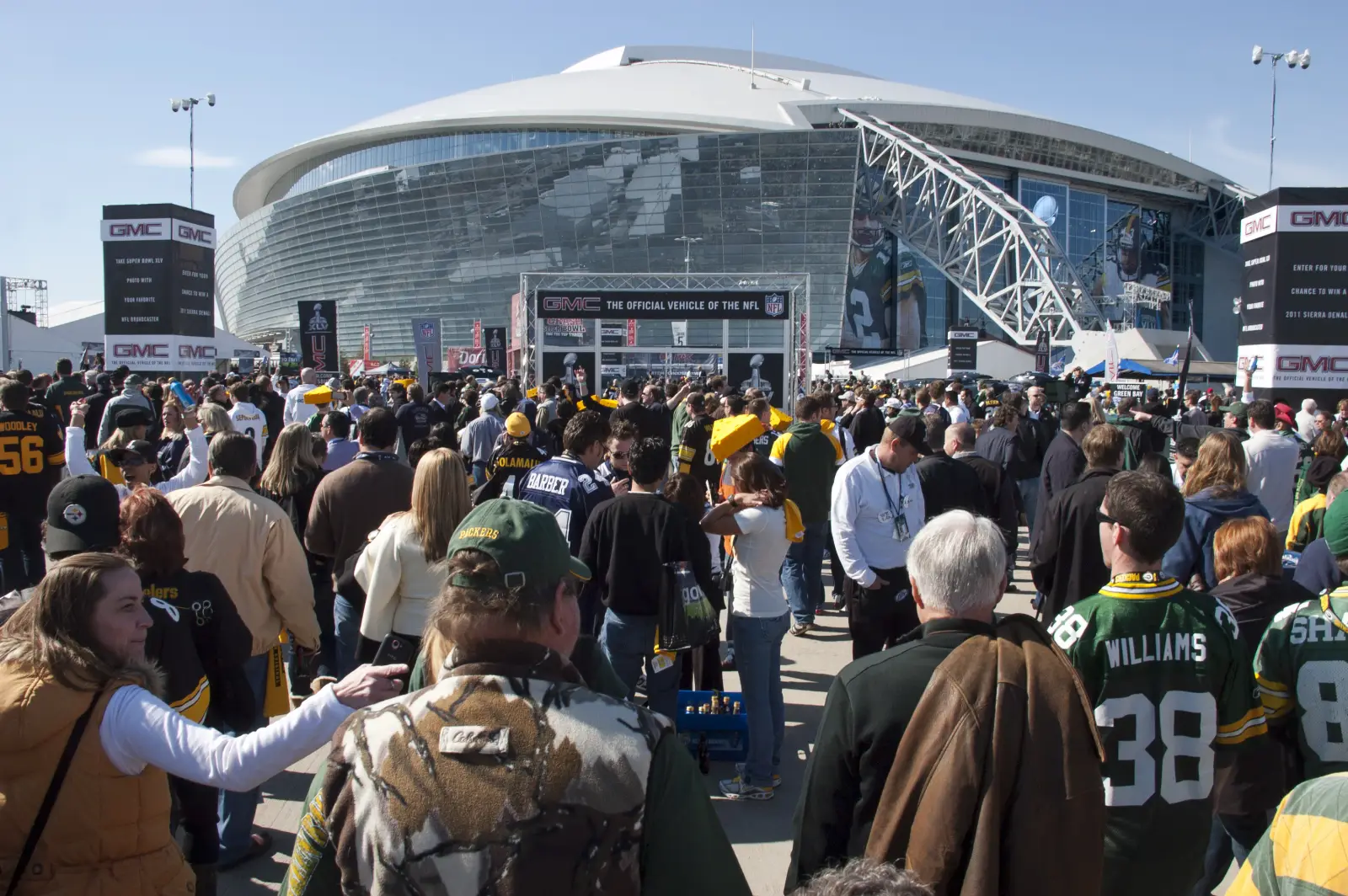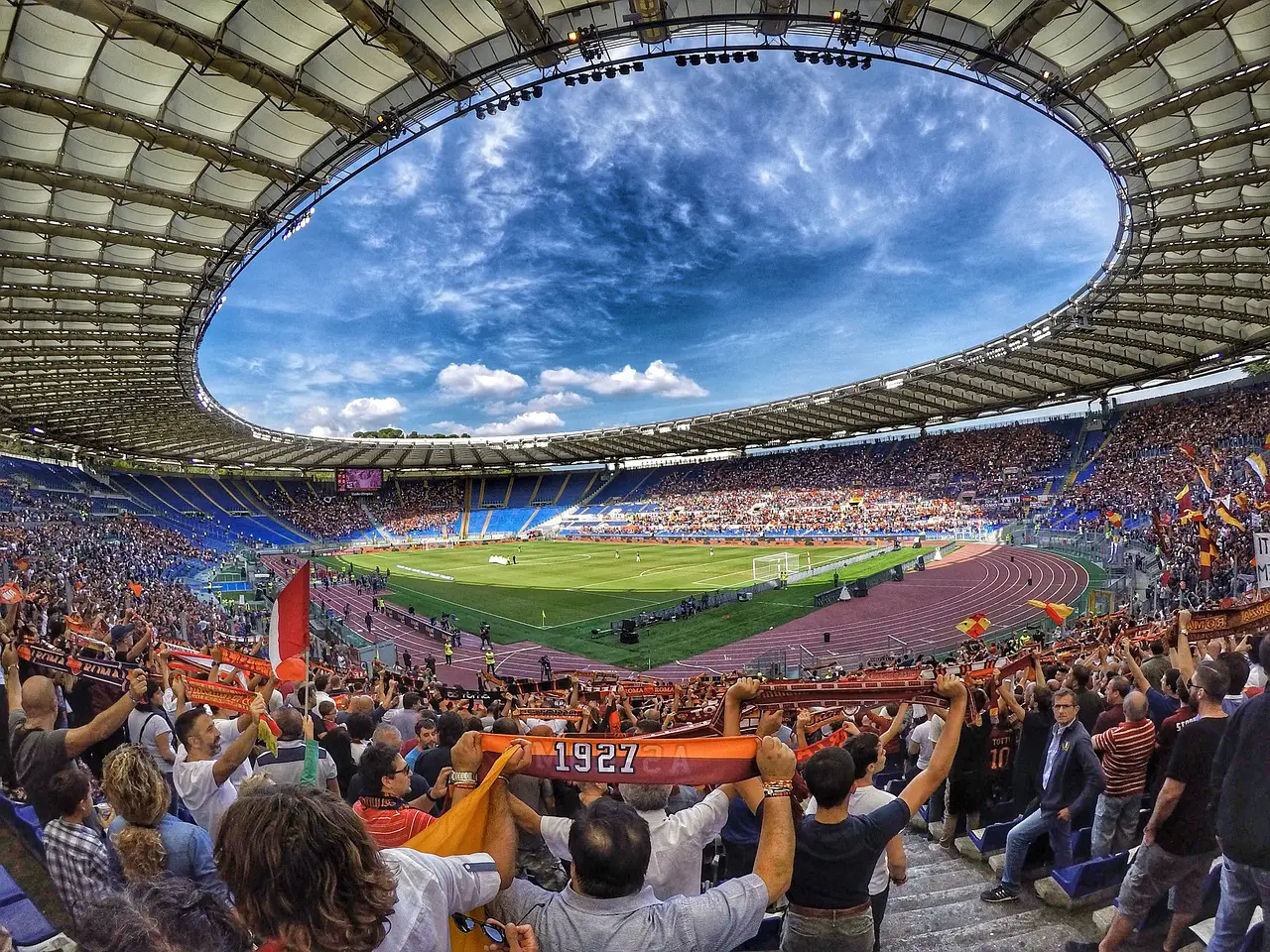
For millions of football fans, the summer of 2026 will not begin with a holiday booking. It will begin with a match schedule. The 2026 FIFA World Cup, spread across 16 host cities in the United States, Canada, and Mexico, is the clearest illustration yet of how sport has become one of the most powerful forces shaping modern travel.
Between 5 and 7 million international visitors are forecast to travel across the three host nations for the tournament, with 1.24 million additional international arrivals projected for US host cities alone. Of those, approximately 742,000 are classified as incremental trips that would not have occurred without the World Cup. These are not fans diverting existing travel plans. They are people who decided to get on a plane specifically because of football.
A Tournament That Moves With the Fan
The 2026 edition is the largest World Cup in history. For the first time, 48 nations will compete in 104 matches, a 50 per cent jump in teams and a 63 per cent increase in games compared to Qatar 2022. With matches distributed across 16 cities in three countries, the tournament is structurally designed to generate travel, not just attendance.
Visitors are not expected to stay near stadiums. They are exploring surrounding regions, planning multi-city itineraries, and looking for ways to experience local culture between matches. Data shows that 53 per cent of sports fans prioritise experiences over possessions, and sports fans are 41 per cent more likely than average to be interested in travel. For many, the World Cup is not a trip built around a match. The match is the anchor for a broader journey.
Instead of anchoring everything to a single 90-minute game, more travellers are embracing the idea of a broader North American adventure built around multiple games, cities, and experiences.
The Economics Behind the Passion
The scale of sports tourism demand generated by a World Cup translates directly into economic impact, though the picture is more nuanced than headline figures suggest.
Average visitor spend for the 2026 tournament is projected at over 5,000 dollars per person, approximately 1.7 times higher than a typical international traveller’s expenditure. Internationally, additional hotel room revenue related to the World Cup is expected to rise between 7 and 25 per cent in June 2026, with the most pronounced increases on match days. In high-demand markets, the effect is sharper: in Los Angeles, where average hotel prices typically sit around 227 dollars per night, costs are expected to rise by up to 90 per cent during the tournament.
Yet economists caution against reading these figures as straightforward economic gain. A report by Oxford Economics finds that US host cities will see only marginal and short-lived gains in GDP and employment, largely concentrated in leisure and hospitality. Much of the activity, the report notes, is likely to displace existing travel rather than create entirely new demand. The impact will vary widely across cities, with smaller markets such as Kansas City expected to see the largest relative employment boost, while major tourism hubs like Miami and New York are forecast to see smaller gains, as they already attract high volumes of international visitors.
Beyond the Scoreboard: The Long-Term Tourism Legacy
The more durable argument for sports tourism is not what a tournament generates in six weeks, but what it leaves behind. After hosting the 2022 World Cup, Qatar saw international arrivals increase by 95 percent into 2023. The country used the tournament as a platform for sustained destination marketing, a model that host cities in North America are actively studying.
A decade earlier, Barcelona used the 1992 Olympics to execute one of the most admired acts of urban reinvention in modern history. Tourism rose from 1.7 million visitors in 1992 to 8.3 million by 2015. The World Cup offers a comparable window of global attention, and cities that convert match-day visitors into long-term destination advocates stand to benefit well beyond July 2026.
The Fan Has Changed
Soccer interest has risen dramatically across North America, with 80 percent of Mexican adults, 55 percent of Canadians, and 42 percent of US consumers now expressing interest in the sport. The tournament is arriving at a moment when the audience for football in the host region is growing fast, giving sports tourism a self-reinforcing dynamic: the World Cup drives travel, and travel drives future interest in the sport.
A World Economic Forum report estimates that the global sports economy could reach 8.8 trillion dollars by 2050, with sports tourism identified as one of its key growth drivers. The 2026 World Cup, the most commercially valuable sporting event ever staged, is arriving at precisely the moment when that trajectory is accelerating.
For the fans making their plans, none of those macro figures will matter much when they hear the crowd roar in an unfamiliar city. But they are the reason the industry is paying very close attention.