Delta Air Lines chief executive Ed Bastian has warned that rising jet fuel costs will feed directly into ticket prices this summer, with the airline planning to pass roughly half of the increased burden on to passengers while absorbing the rest itself.
Speaking on NBC’s TODAY programme, Bastian said the airline was navigating one of the most challenging fuel environments in years. “We are absorbing probably 50% of the cost on our own and probably 50% will go into pricing,” he said. The comments signal that travellers booking Delta flights in the coming months should expect fares to reflect the elevated cost of operating in a high-fuel environment.
Iran Conflict Drives Fuel Surge
The spike in jet fuel costs is closely tied to geopolitical developments. Following a joint US-Israeli military offensive against Iran in late February 2026, the Strait of Hormuz, through which approximately 20% of the world’s oil supply normally passes, has been subject to a US naval blockade that has severely disrupted global energy markets. Oil prices climbed as high as $113 per barrel at their peak in April, before easing back to around $94 per barrel, still some $30 above pre-conflict levels.
Delta has estimated that the fuel price surge could add around $2 billion to its fuel bill in a single quarter. Jet fuel now accounts for close to 30% of the airline’s total operating expenditure, making it the single largest cost driver in its business. Bastian told investors during Delta’s Q1 2026 earnings call that the airline intends to retain any pricing strength gained during the current environment, even if oil prices stabilise. “It’s hard to call anything temporary,” he said, adding that lower fuel costs would “certainly help us boost our margins this year and clearly into next year.”
The remarks drew sharp criticism online, with many travellers frustrated that fares might remain elevated even after the underlying cost pressure eases. Travel industry analyst Henry Harteveldt of the Atmosphere Research Group noted that some carriers had already begun adding fuel surcharges to long-haul international fares, while others have raised checked baggage fees across the board.
Baggage Fees and Ancillary Charges Also Rise
Delta has also increased its checked baggage fees as part of its broader response to higher operating costs. First and second checked bags have risen by $10 each to $55, while third-bag fees have jumped by $50 to $200. For families or travellers checking multiple items, those increases compound the impact of higher base fares.
United Airlines chief executive Scott Kirby has separately signalled that his carrier aims to recover 100% of its additional fuel costs through fares and fees. American Airlines chief executive Robert Isom has also indicated that American would respond to what he described as a long-term issue. The alignment of pricing strategy across the three major US network carriers suggests passengers are unlikely to find significantly cheaper alternatives by switching between them.
Short-Haul Passengers Lose Complimentary Service
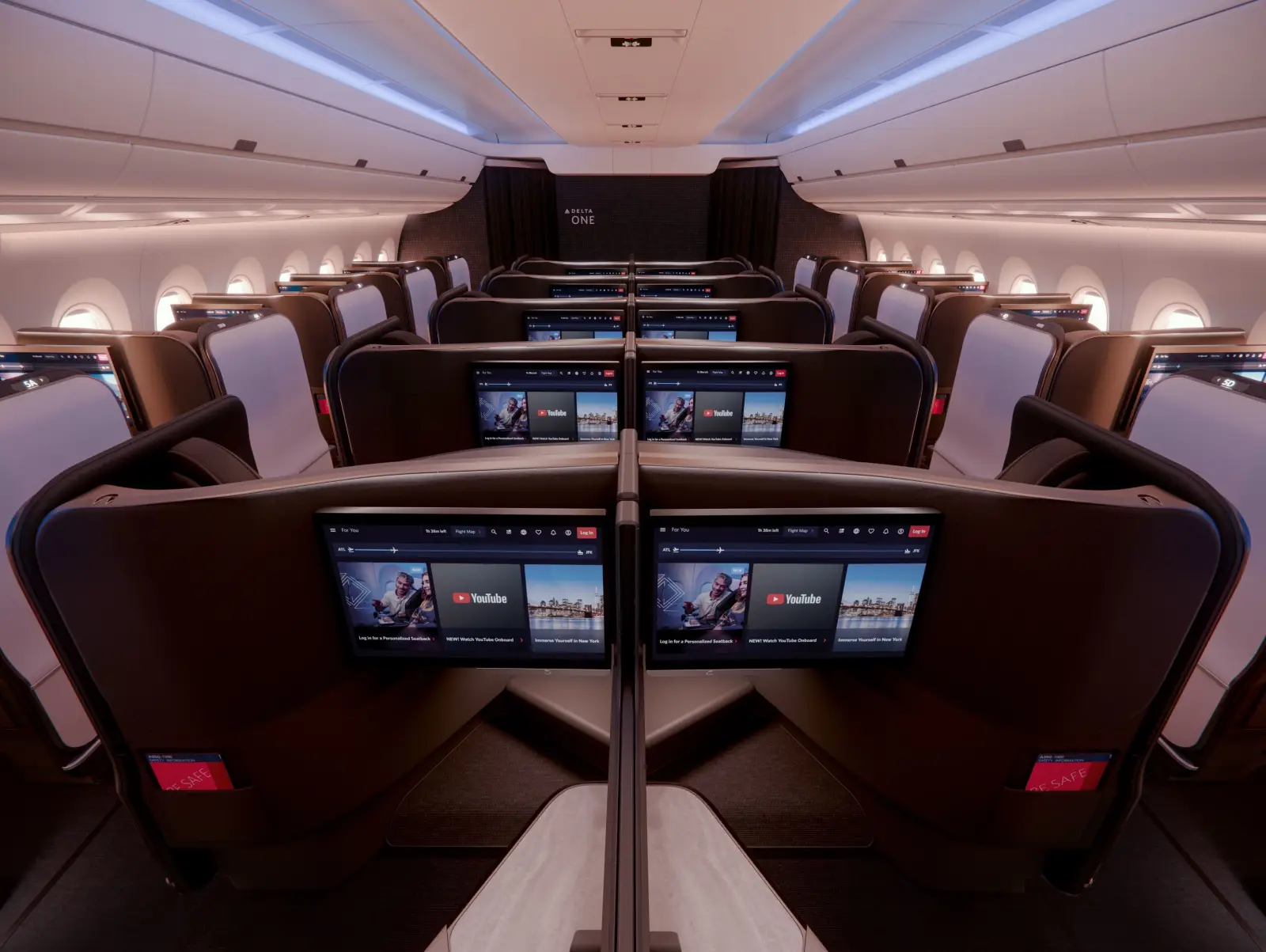
Delta has also confirmed a significant change to its inflight service model that takes effect on 19 May 2026. Passengers travelling in Main Cabin or Delta Comfort+ on flights of fewer than 350 miles will no longer receive any complimentary food or beverage service. First Class passengers on all routes are exempt from the change and will continue to receive full service.
The policy affects around 450 daily flights, or approximately 9% of Delta’s total daily operation. Routes such as New York to Boston, which covers under 300 miles, will now operate without inflight refreshments. Flights from Los Angeles to San Francisco fall just above the threshold and will retain service. Some routes under 250 miles, including Atlanta to Charlotte and Atlanta to Nashville, had already operated without service, meaning the change primarily affects routes in the 250 to 349-mile band that previously received an abbreviated express beverage service.
In a statement, Delta said: “Beginning May 19, Delta is adjusting onboard beverage service to create a more consistent experience across our network. Customers travelling in Delta Comfort and Delta Main on flights 350 miles and above will now receive full beverage and snack service, while shorter flights will no longer offer food and beverage service, with the exception of Delta First which always receives full service. Even on the small number of flights without beverage service, our crew will continue to be visible, available, and focused on caring for our customers.”
The airline is simultaneously upgrading service on approximately 600 daily flights exceeding 350 miles. Those routes, which previously offered a limited express service, will now receive a full beverage and snack menu. Delta says the net effect is that 14% of its daily flights will gain improved service, partly offsetting the cuts elsewhere.
Spirit Airlines Collapse Reshapes the Budget Market
Bastian’s comments arrive in the wake of the abrupt collapse of Spirit Airlines, which ceased all operations on 2 May 2026. The Fort Lauderdale-based ultra-low-cost carrier, which had been operating under its second bankruptcy in less than a year, failed to secure a last-minute rescue package after a key group of bondholders rejected a deal that would have given the US government up to a 90% stake in the airline and provided up to $500 million in rescue financing. Spirit had flown more than 50,000 passengers in its final 24 hours of operation before shutting down overnight.
The carrier’s collapse was accelerated in part by the same fuel crisis now affecting legacy carriers. Spirit’s restructuring plan had assumed jet fuel costs of approximately $2.24 per gallon in 2026. By the time of its collapse, prices had reached approximately $4.51 per gallon, adding an estimated $360 million in unanticipated costs to the airline’s projections and leaving no viable path forward.
The shutdown grounded 353 routes serving 65 airports across the United States, Caribbean, Mexico, Central America and South America, stranding thousands of passengers. US Transportation Secretary Sean Duffy coordinated a response from major carriers, with Delta, United, American Airlines, JetBlue, Southwest and Frontier all offering capped rescue fares for passengers holding Spirit booking confirmations. American and United also opened dedicated job portals for displaced Spirit employees, and major carriers extended travel pass benefits to Spirit staff.
A CBS News analysis of aviation data found that average fares on routes previously served by Spirit had historically jumped by around 23%, or roughly $60 per round trip, when Spirit had previously exited a market. Analysts expect budget carriers including Frontier, Avelo, Breeze and Allegiant to eventually absorb some of the vacated routes, but that expansion is unlikely to happen before the peak summer travel season.
A Difficult Summer for Travellers
The combination of higher base fares, increased baggage fees and reduced inflight service is expected to weigh most heavily on price-sensitive economy travellers, particularly on short domestic routes where the removal of complimentary refreshments is most visible. Travellers in premium cabins and on longer flights are less likely to notice the same level of change.
Delta has not specified by how much fares will rise, and Bastian has acknowledged uncertainty about the trajectory of fuel prices. The airline has reduced its planned capacity growth in the second half of 2026 to flat compared with last year, focusing on protecting margins and cash flow. Despite the pressures, Delta forecast a revenue increase of 10% and expects second quarter profitability of between $1.5 billion and $2 billion.
For the millions of travellers planning summer trips, the immediate message from the industry is clear: book early, budget carefully, and expect the full cost of a journey to include more variables than the headline fare alone.
Photo Credit: Ron Adar / Shutterstock.com