European Union ambassadors reached a final agreement on 13 June 2026 on a sweeping overhaul of air passenger rights, ending a legislative deadlock that had persisted since 2013. The deal updates Regulation EC 261/2004 and requires airlines operating flights to and from EU airports to include both a personal item and a standard cabin bag in advertised base fares. The agreement preserves existing compensation entitlements for delays and cancellations while introducing new transparency obligations for carriers.
The accord closes more than a decade of stalled negotiations between the European Parliament and the EU Council. Under the updated framework, airlines may still offer discounted fares to passengers who opt to travel without a cabin bag, but the right to carry one onboard must be reflected in the base ticket price. The legislation is expected to enter into force in 2027, pending formal adoption by both institutions.
What the Deal Requires of Airlines
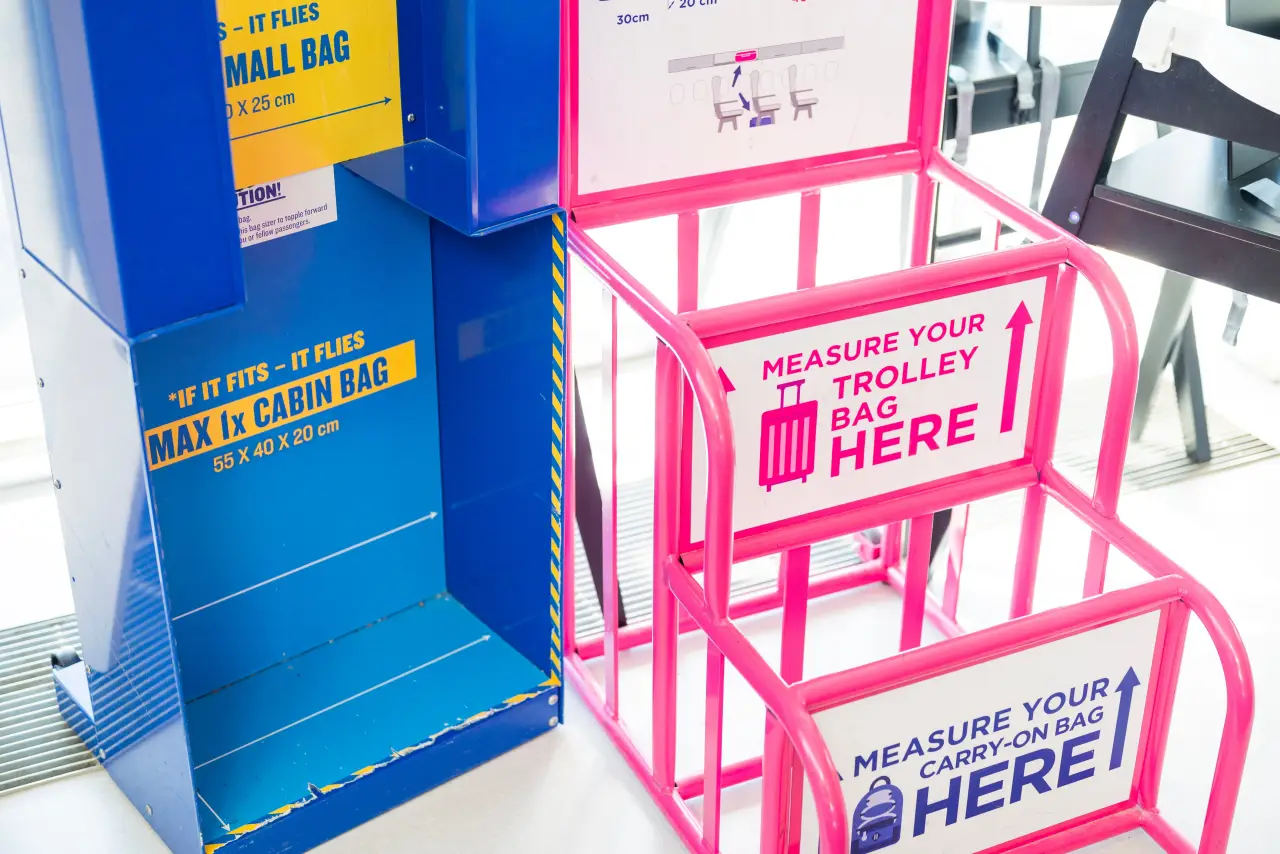
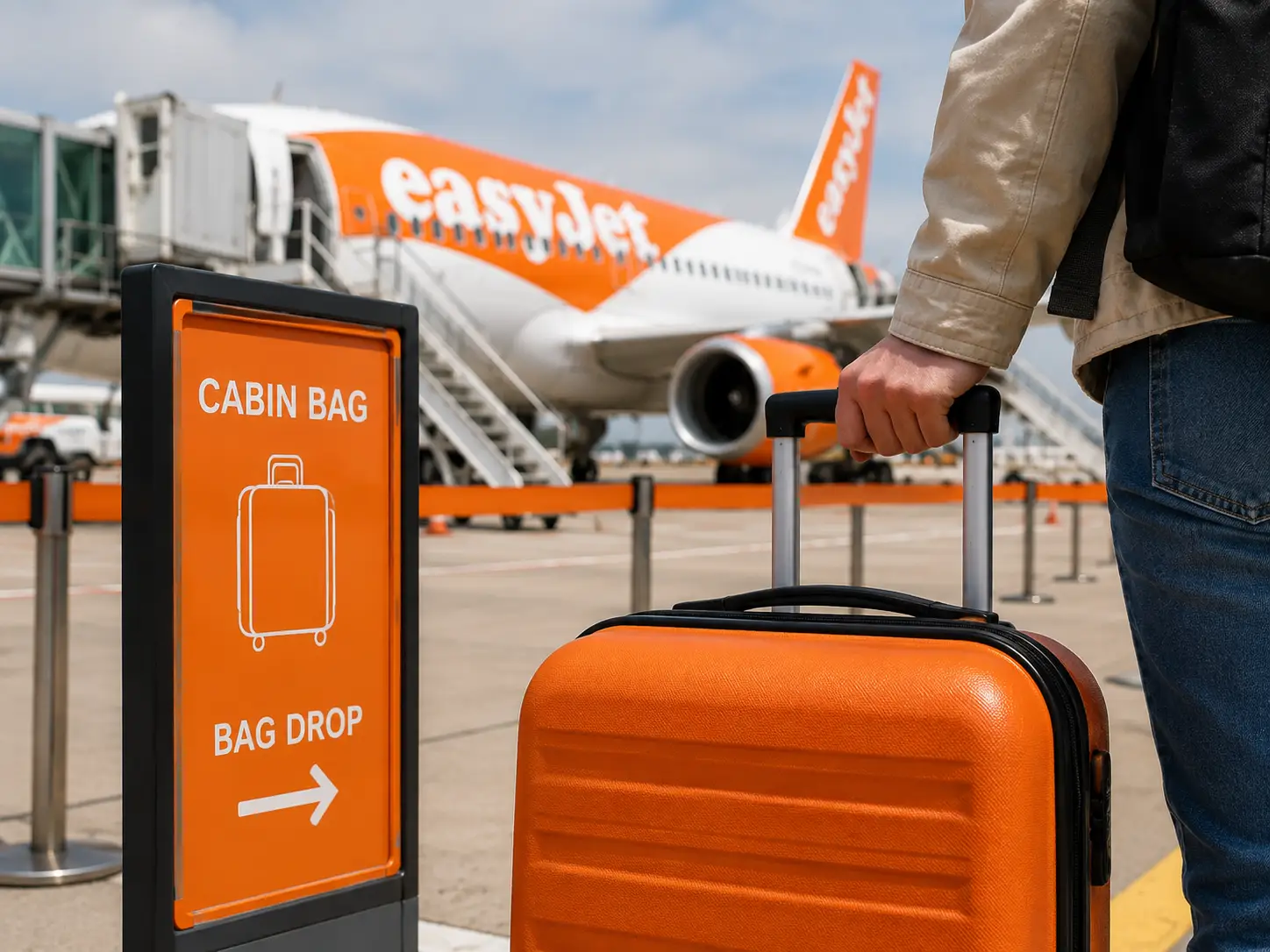
The agreement mandates that every fare displayed to consumers include entitlement to a personal item and a cabin bag. Budget carriers that currently charge separately for overhead-bin luggage — including Ryanair, easyJet, and Wizz Air — will be required to restructure how fares are presented and priced. Airlines retain the right to offer a lower-cost fare tier for passengers who voluntarily waive their cabin bag entitlement.
The European Parliament had originally sought to mandate that a carry-on suitcase of up to 7 kg and combined maximum dimensions of 100 cm be included in every fare without condition. The final text represents a compromise, shifting the obligation from an outright inclusion to a price transparency requirement. Passengers must be offered a fare that includes cabin baggage, with a cheaper alternative available for those who decline it.
The deal also preserves the existing compensation structure under EU261/2004, under which passengers are entitled to between €250 and €600 for delays of three or more hours at their final destination, depending on flight distance. The EU Council had pushed during negotiations to raise that three-hour threshold and reduce compensation bands, but those proposals did not survive into the final text.
Industry Opposition and Legislative Background
The aviation industry mounted sustained resistance to the baggage provisions throughout the legislative process. EasyJet chief executive Kenton Jarvis publicly condemned the proposal during the parliamentary phase, calling it “crazy European legislation” and “terrible for the consumer.” Jarvis said giving all passengers the right to free hand luggage would be a “lunatic idea,” adding that it amounted to “politicians completely not understanding their subject and getting involved with things they shouldn’t.”
The reform process originated in 2013, when the European Commission first proposed a comprehensive update to Regulation 261/2004. Member state resistance kept the file dormant for over a decade. The European Parliament adopted its formal negotiating position in January 2026, voting by a large majority to retain the three-hour compensation trigger and add free cabin baggage, guaranteed adjacent seating for children under 14 travelling with an adult, and a requirement for airlines to send pre-filled compensation claim forms automatically following a disruption.
Trilogue negotiations between Parliament and Council intensified through May and early June 2026, with both sides publicly acknowledging fundamental disagreements. Talks in the final days ran past 5 a.m. on multiple sessions. Parliament’s lead negotiators characterised the Council’s stance as reflecting airline industry interests rather than consumer protection logic. The mid-June 2026 deadline created a binary outcome: a deal locking in at minimum current rights, or a collapse that would have shelved reform indefinitely.
For passengers flying on EU-departing routes this summer, existing protections remain fully in force during the interval before the new legislation takes effect. Claims for delays of three or more hours, cancellations at short notice, and denied boarding continue to be governed by the current Regulation 261/2004 framework.