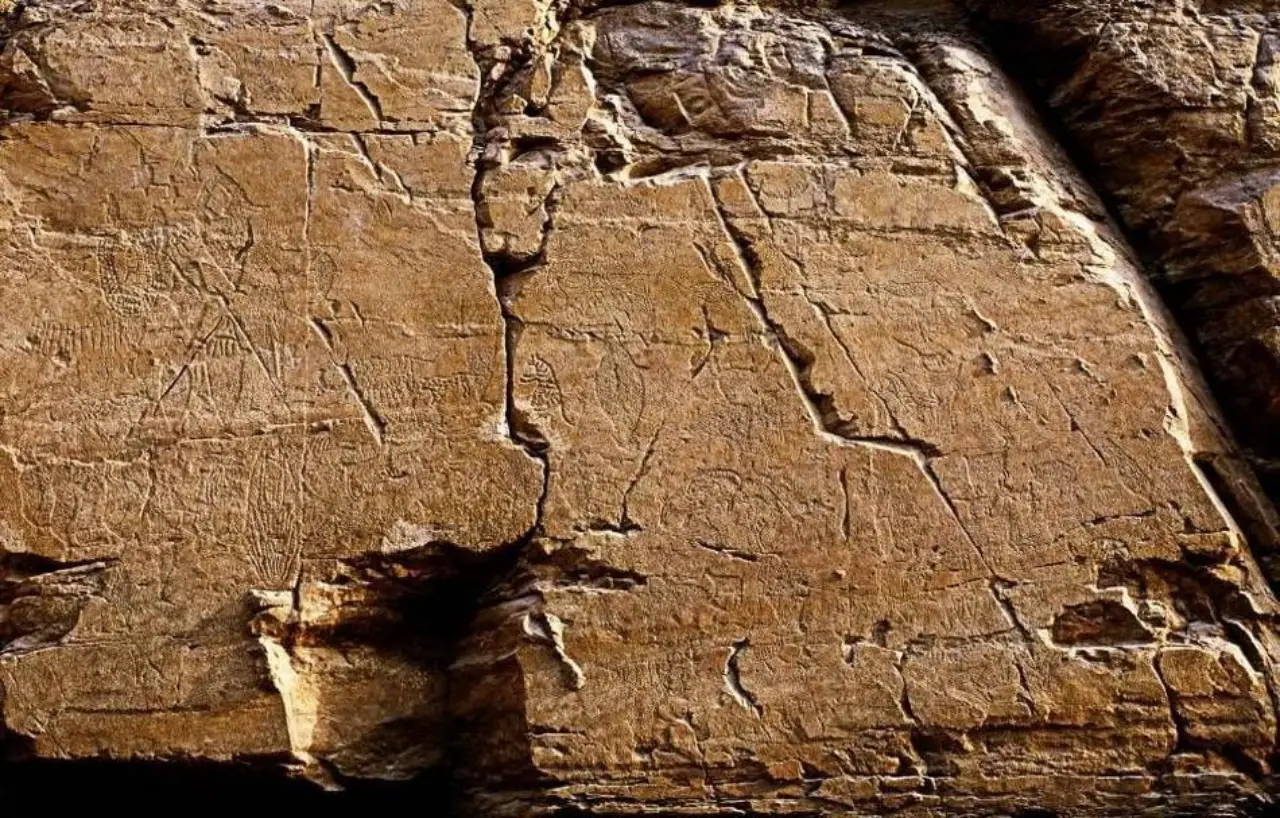
Bangucheon Stream Petroglyphs in Ulsan have officially joined the UNESCO World Heritage List, giving Korea its 17th recognized heritage site. Stretching along the tranquil stream in Ulsan, the Bangudae and Cheonjeon-ri carvings offer travelers an extraordinary glimpse into Korea’s prehistoric past. This new designation elevates Ulsan as a must-visit cultural destination for heritage enthusiasts and global travelers alike.
These petroglyphs are Korea’s first Stone Age World Heritage site, a testament to the country’s deep cultural roots. Archaeologists have long studied the detailed carvings here, which span over 6,000 years of history. For visitors, walking along the Bangucheon Stream is like journeying back to a time when humans first began documenting their lives in stone.
Bangudae and Cheonjeon-ri: A Window to Prehistoric Korea
The UNESCO site encompasses two significant areas. Bangudae Terrace in Daegok-ri is especially renowned for its dynamic carvings of whale hunting scenes. These depictions include whales, sea turtles, and fish, offering insight into the lives of early coastal communities that relied heavily on marine resources. Historians believe these carvings served ritual or educational purposes, reflecting an intimate relationship with nature.
Meanwhile, Cheonjeon-ri presents a broader historical timeline. Its carvings date from the Stone Age through the Silla dynasty, including depictions of humans, animals, tools, and symbolic figures. Together, these two sites preserve Korea’s earliest known rock art tradition, now celebrated for its “outstanding creative genius,” according to UNESCO.
Ulsan’s Cultural Tourism Boost
The city of Ulsan has prepared for this global recognition with enhanced cultural tourism facilities. Travelers can enrich their experience through two specialized museums:
- Ulsan Petroglyph Museum – Features detailed research, multimedia exhibits, and 3D visualizations of the rock carvings.
- Daegok Museum – Highlights the archaeological significance of Bangudae and Cheonjeon-ri, including interactive displays and replicas.
Plans are underway for a dedicated heritage tour program connecting the streamside petroglyphs, museums, and nearby cultural sites. This initiative is expected to make Ulsan an increasingly attractive destination for international travelers seeking authentic cultural journeys.

Suggested Travel Itinerary
For visitors wishing to experience Ulsan’s newest UNESCO site in a single day, a structured itinerary is recommended:
| Time | Activity | Highlights |
|---|---|---|
| Morning | Explore Bangudae Terrace | Marvel at Stone Age whale-hunting petroglyphs |
| Midday | Tour Ulsan Petroglyph Museum | Learn about prehistoric art and marine life engravings |
| Afternoon | Visit Cheonjeon-ri Site | See carvings spanning from prehistory to Silla dynasty |
| Late Afternoon | End at Daegok Museum | Interactive exhibits and reconstructions of early life |
Surrounded by serene natural scenery, Bangucheon Stream also offers opportunities for light hiking and nature photography. Seasonal changes—from autumn foliage to spring blossoms—enhance the beauty of the heritage experience.
Global Significance and Local Pride
With the inclusion of the Bangucheon Stream Petroglyphs, Korea now has 17 UNESCO World Heritage Sites. This recognition not only celebrates the nation’s ancient heritage but also invites the world to witness its rich prehistoric legacy. For Ulsan, it is a source of immense pride and a gateway to sustainable cultural tourism.
The petroglyphs remind visitors that human creativity transcends millennia. Each carved whale, hunter, and ritual figure reflects the earliest chapters of human imagination. By preserving and sharing these stories, Ulsan offers travelers a rare opportunity to walk among the echoes of Korea’s Stone Age past.
Photos by Korea Tourism Organization