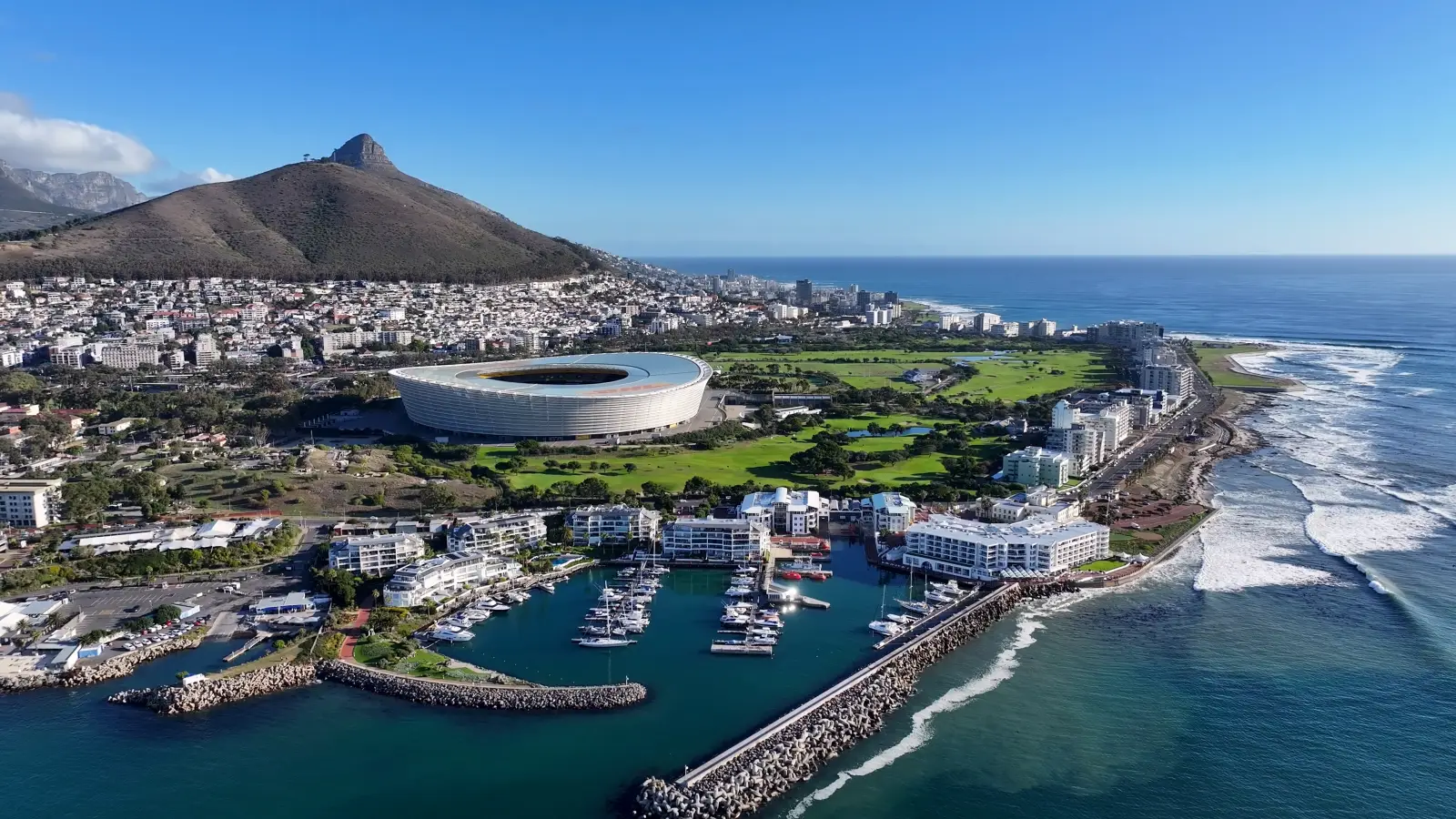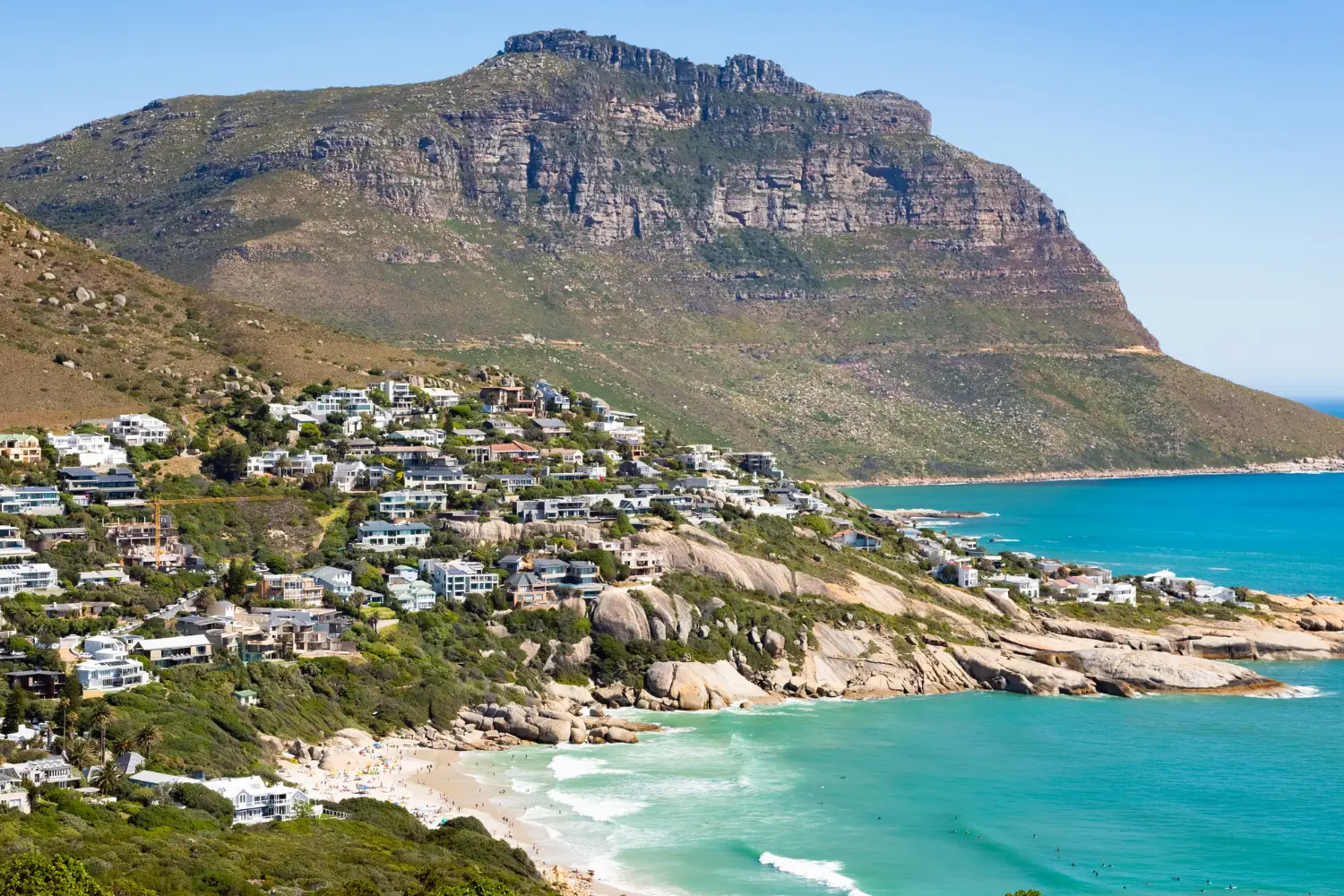
Cape Town hotels see 72.5% occupancy in April 2025, the highest recorded rate across South Africa’s major cities, according to new data from CoStar. This impressive figure highlights the city’s powerful rebound in tourism and positions it as a premier destination for both travelers and investors ahead of the upcoming Future Hospitality Summit Africa (FHS Africa).
The surge in hotel performance is accompanied by a thriving real estate sector, making Cape Town a compelling case study in post-pandemic recovery. With major hospitality and investment leaders set to gather in the city for FHS Africa on June 17–18, the timing could not be more significant. From luxury hotels to lifestyle developments, the city is attracting international attention across sectors.
Cape Town Hotels See 72.5% Occupancy: A National Leader
CoStar’s April 2025 figures put Cape Town at the top of the hospitality charts. The occupancy rate of 72.5% outpaces all other South African cities. The city also saw a remarkable 20.1% year-on-year increase in Revenue Per Available Room (RevPAR), now standing at ZAR 2,286.63. Meanwhile, the Average Daily Rate (ADR) rose by 17.7% to ZAR 3,145.96.
Philip Wooller, Area Director for the Middle East and Africa at CoStar, commented: “Cape Town’s performance reflects a powerful rebound in demand and a growing confidence in the city’s hospitality offerings. The consistent rise in both occupancy and RevPAR shows that Cape Town is not only back on the global travel radar—it’s commanding a premium.”
The entire Western Cape province is benefitting from this momentum. In April 2025, the province recorded an average hotel occupancy rate of 64.6%, well above the national average of 56.3%. Cape Town’s luxury hotel sector also performed well, achieving an occupancy rate of 66.2%, beating Johannesburg and Pretoria.
Real Estate Mirrors the Hospitality Surge
The city’s success is not limited to hotels. Cape Town’s real estate market is booming in parallel. In 2024/2025, the average capital value of property reached R13,400 per square meter, significantly higher than in Johannesburg or Pretoria. This trend is driven by a combination of sustained tourism recovery, international investor interest, and lifestyle-driven development.
Wayne Godwin, CEO of JLL Africa, observed: “We’re seeing a convergence of factors driving the real estate upswing in Cape Town: a robust tourism pipeline, investor confidence, and a renewed focus on mixed-use and lifestyle-driven developments. The city’s appeal is both emotional and financial—it makes sense to visit, and increasingly, it makes sense to invest.”
Future Hospitality Summit Africa Arrives at the Right Time
Against this backdrop of success, the Future Hospitality Summit Africa will take place in Cape Town from June 17–18. As the continent’s leading investment conference for hospitality and tourism, FHS Africa serves as a high-level networking platform where developers, operators, investors, and policymakers converge to discuss growth, innovation, and opportunity.
The agenda will cover hospitality investment, finance, development, capital markets, and dealmaking. The summit is expected to draw major global brands and bold independents alike. Many participants view it as a launchpad for substantial new projects and partnerships.
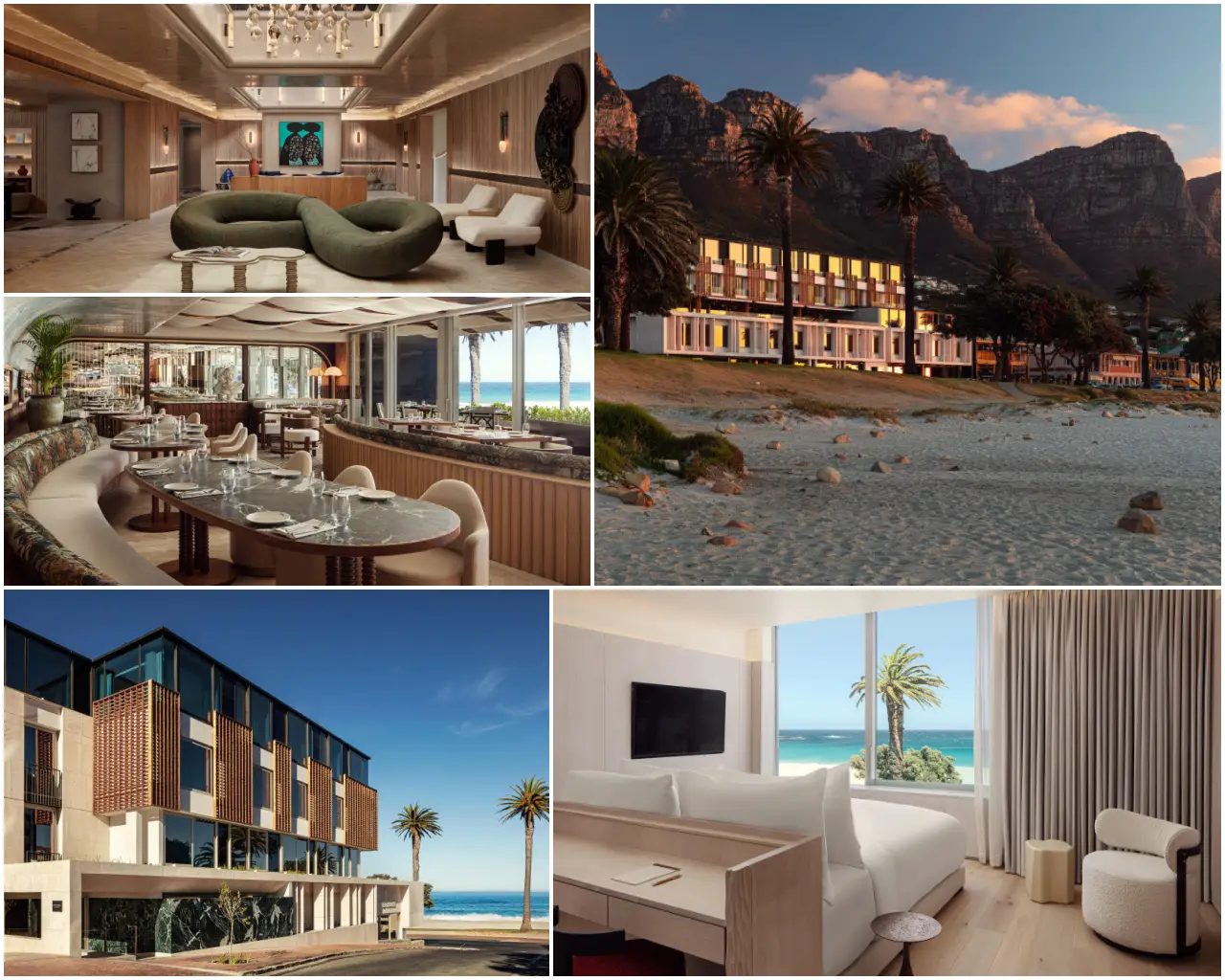
Karim Cheltout, Senior Vice President of Lodging Development at Marriott International, Middle East and Africa, noted: “We’re seeing strong and sustained demand in Cape Town, driven by both international and regional travel. This is creating meaningful opportunities for growth, particularly in the premium and luxury space. The anticipated addition of Morea House, Autograph Collection later this year reflects this momentum and the market’s appetite for distinctive, high-quality hospitality experiences.”
Over 40 New Hotel Projects in the Pipeline
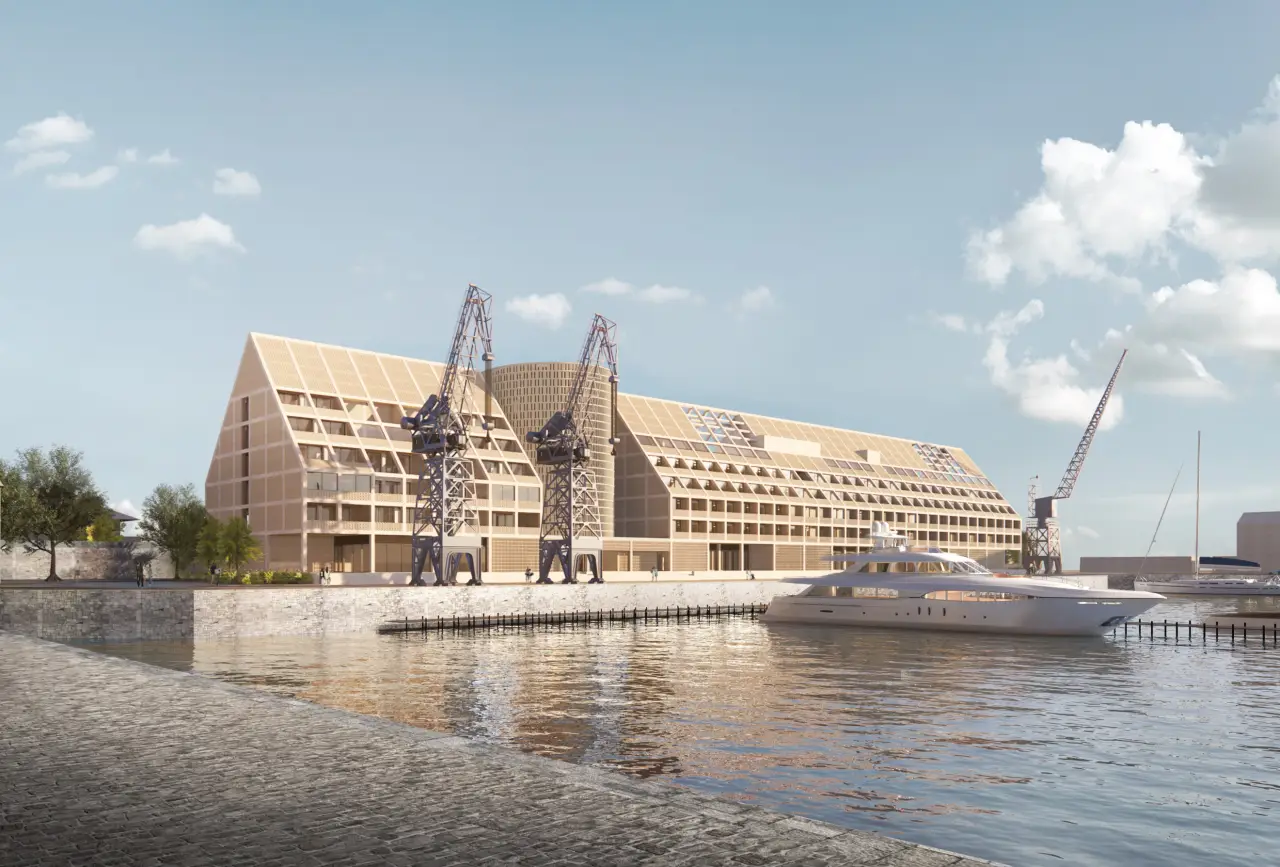
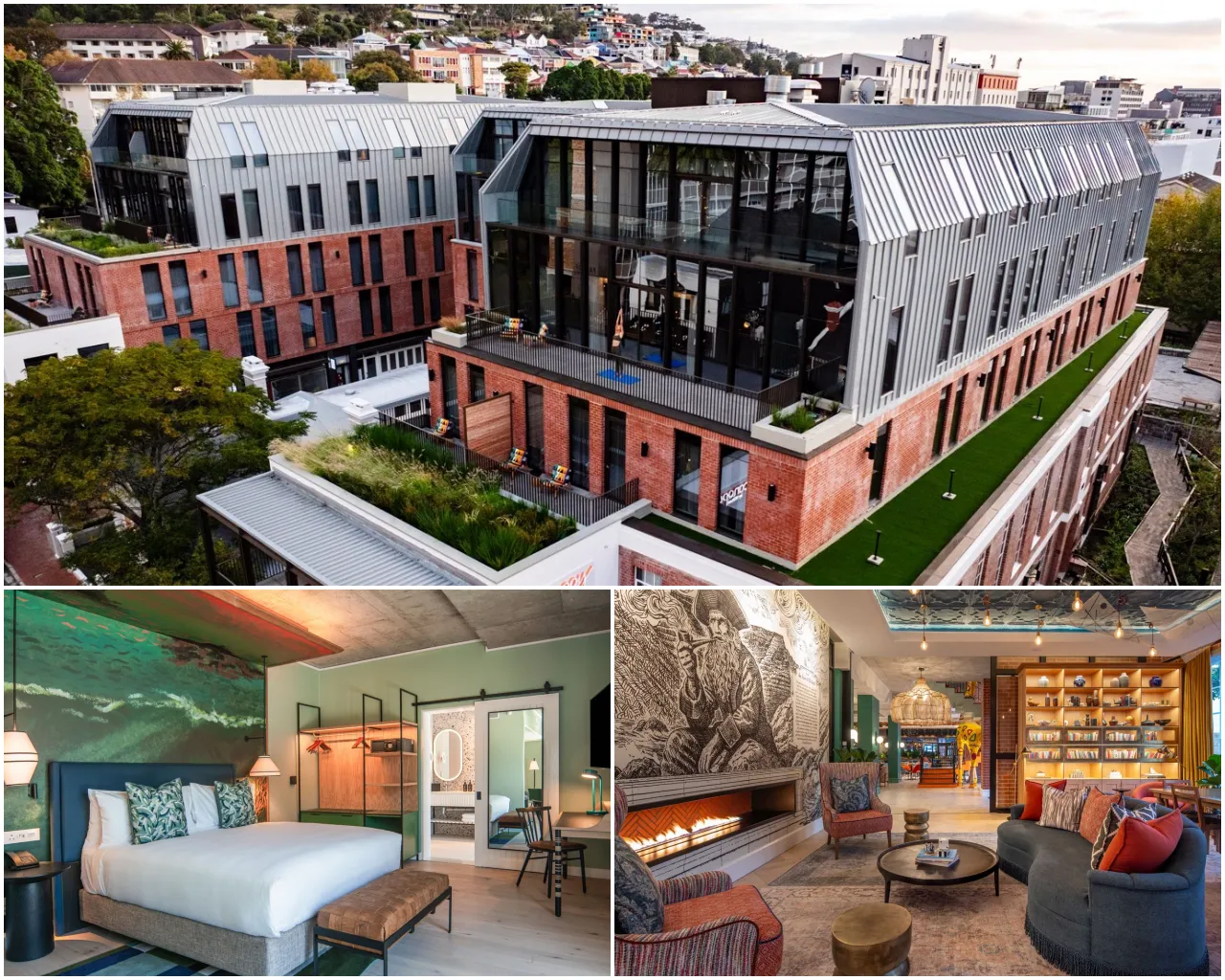
The excitement surrounding Cape Town’s growth is matched by a tangible pipeline of new hospitality developments. Industry insiders estimate that over 40 new hotel projects are currently in various stages of planning or construction. These range from boutique hotels and aparthotels to large-scale urban resorts, indicating a diverse and competitive landscape.
Andrew McLachlan, Founder and Managing Director of Develop Hotels Inc, stated: “Cape Town is buzzing — I’m tracking over 40 new hotel projects, from boutique stays and aparthotels to urban resorts. With global brands and bold independents circling, FHS Africa couldn’t be better timed to help investors, developers and owners align brand, business models and strategy for serious long-term value.”
Cape Town as Africa’s Investment Capital
The combination of surging hotel metrics, expanding real estate values, and international attention positions Cape Town as Africa’s premier destination for hospitality investment in 2025. It’s not just a city bouncing back—it’s a city breaking new ground.
With Cape Town hotels seeing 72.5% occupancy, and real estate showing strong capital appreciation, the local and regional tourism ecosystem is set for further growth. FHS Africa will provide a timely opportunity for stakeholders to exchange ideas, forge new partnerships, and shape the future of hospitality on the continent.