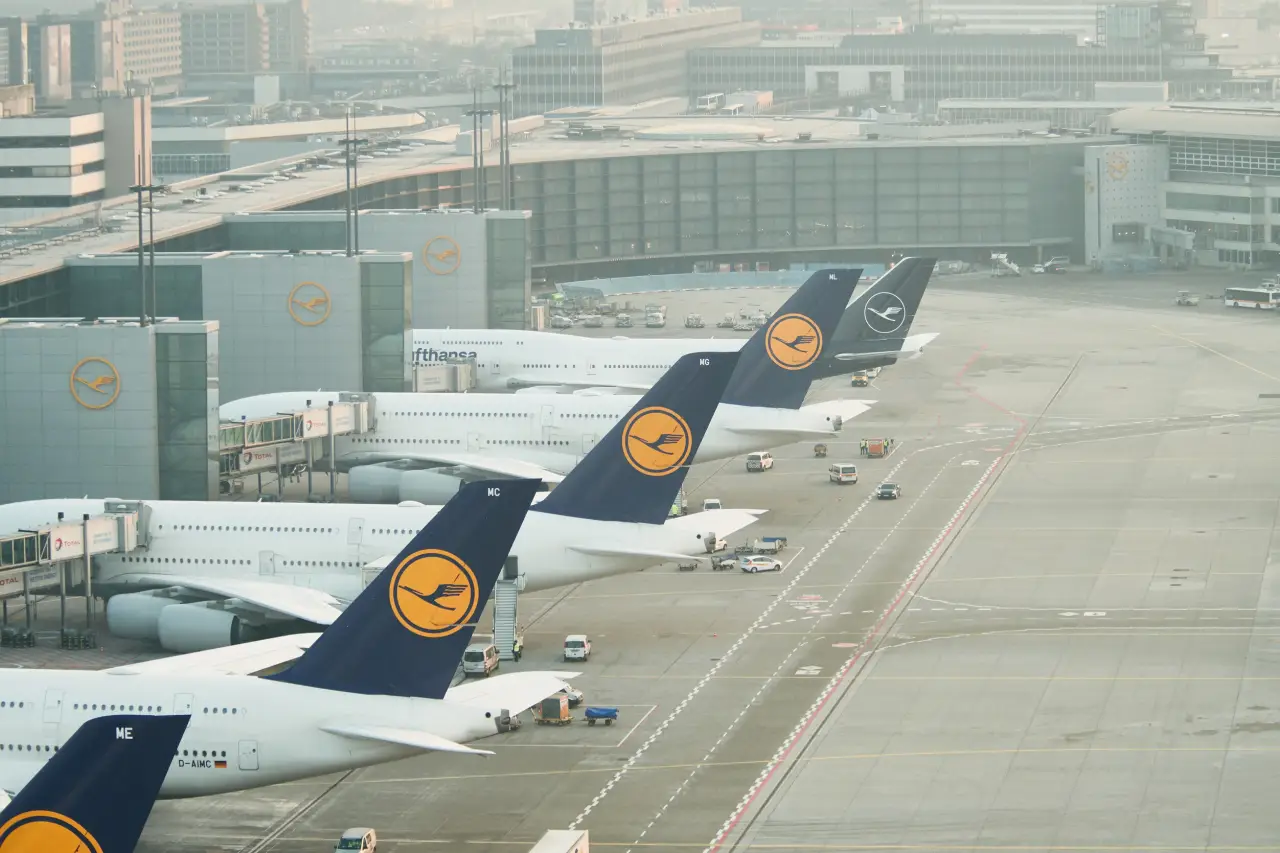
Germany’s coalition government has agreed a major cut to aviation taxes and fees from mid-2026, aiming to save airlines about €350 million a year and strengthen the country’s position as an air travel hub. The package includes reversing a previous increase in the air traffic ticket tax and lowering airport-related charges, a move that could eventually make flights from German airports more competitive in the European market.
The decision follows months of pressure from airlines and airports, which argue that Germany’s high aviation costs have pushed traffic and capacity to neighbouring countries. While the tax rollback targets airline costs rather than setting specific ticket prices, the measures are expected to influence route planning, capacity deployment and fare strategies at major airports such as Frankfurt and Munich.
Reversal of Ticket Tax Hike and Fee Cuts
At the centre of the reform is the rollback of an aviation tax increase introduced in 2024. The air traffic ticket tax, which applies to all passengers departing from Germany, will be reduced from mid-2026 to its previous levels as part of the 2026 federal budget package. For short-haul flights, the surcharge is set to move back from €15.53 per passenger to €12.48, with proportional relief expected across medium and long-haul bands.
The measures are designed to cut overall tax revenue from the sector by around €350 million annually, according to government estimates. Officials have indicated that any shortfall could be covered from the federal transport budget, framing the decision as an investment in restoring Germany’s aviation competitiveness. The package also includes plans to make airport security checks more efficient and to limit increases in air navigation charges in 2026.
Chancellor Friedrich Merz said the move is intended to support an industry still lagging behind the wider European recovery in passenger numbers. He said, “We want the aviation industry in Germany to grow” and added, “We want to get back there,” in reference to pre-pandemic traffic levels. Industry data show that while air travel across the European Union has returned to and slightly exceeded 2019 volumes, passenger numbers in Germany remain significantly lower.
The reforms come after low-cost carriers such as Ryanair and easyJet cut capacity or shifted aircraft to other European bases where operating costs are lower. German airports, particularly secondary and regional gateways, have repeatedly warned that high taxes and charges risk long-term route losses and declining connectivity, especially on short and medium-haul services.
Industry Backing and Environmental Criticism
Aviation groups have welcomed the relief package as a long-awaited response to what they describe as years of mounting fiscal pressure. “The federal government has kept its word and put an end to years of spiralling costs for taxes and fees for air traffic in Germany,” said Joachim Lang, Chief Executive of the German Aviation Association (BDL). The association has argued that the change improves the chances of reconnecting German airports to a broader international route network.
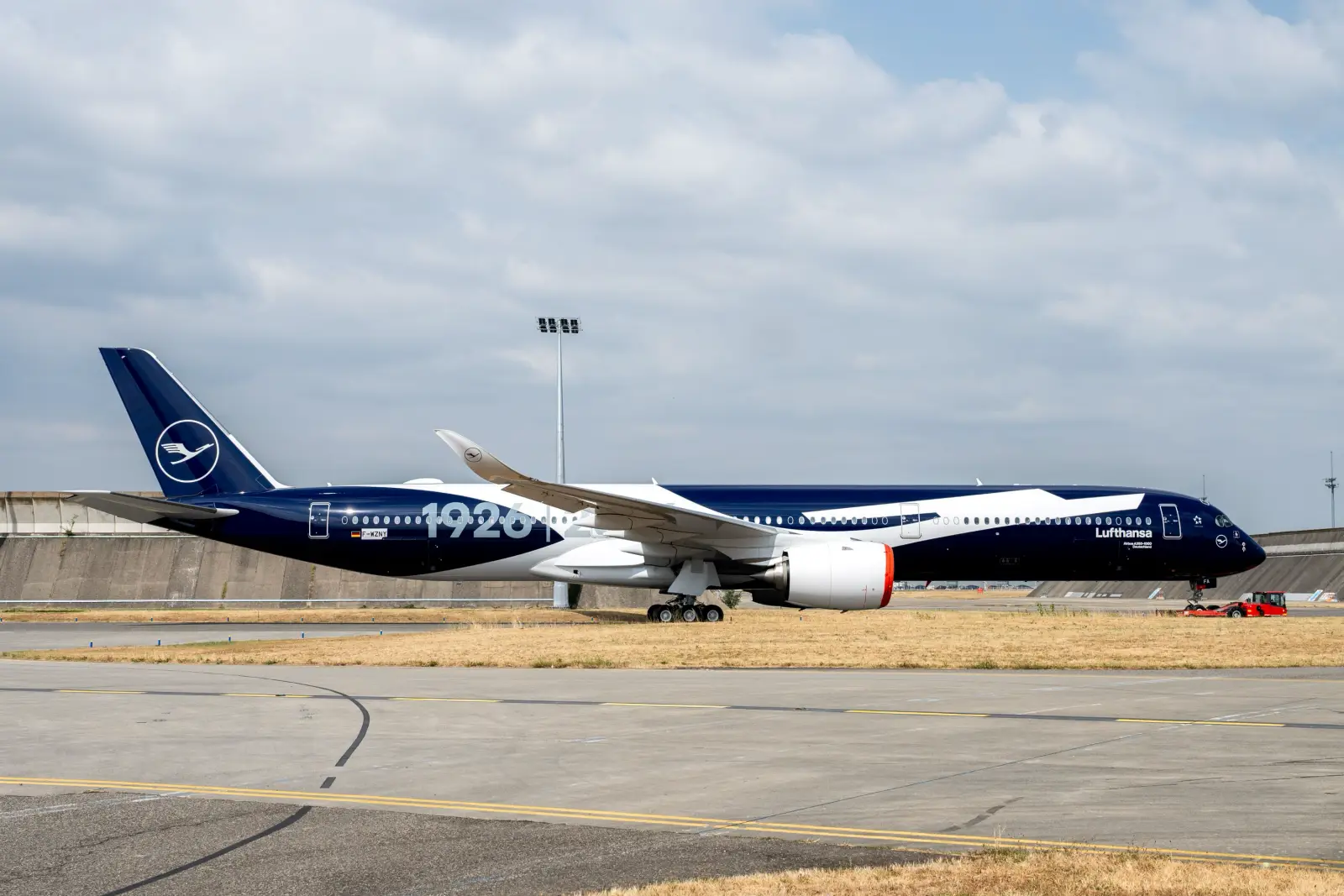
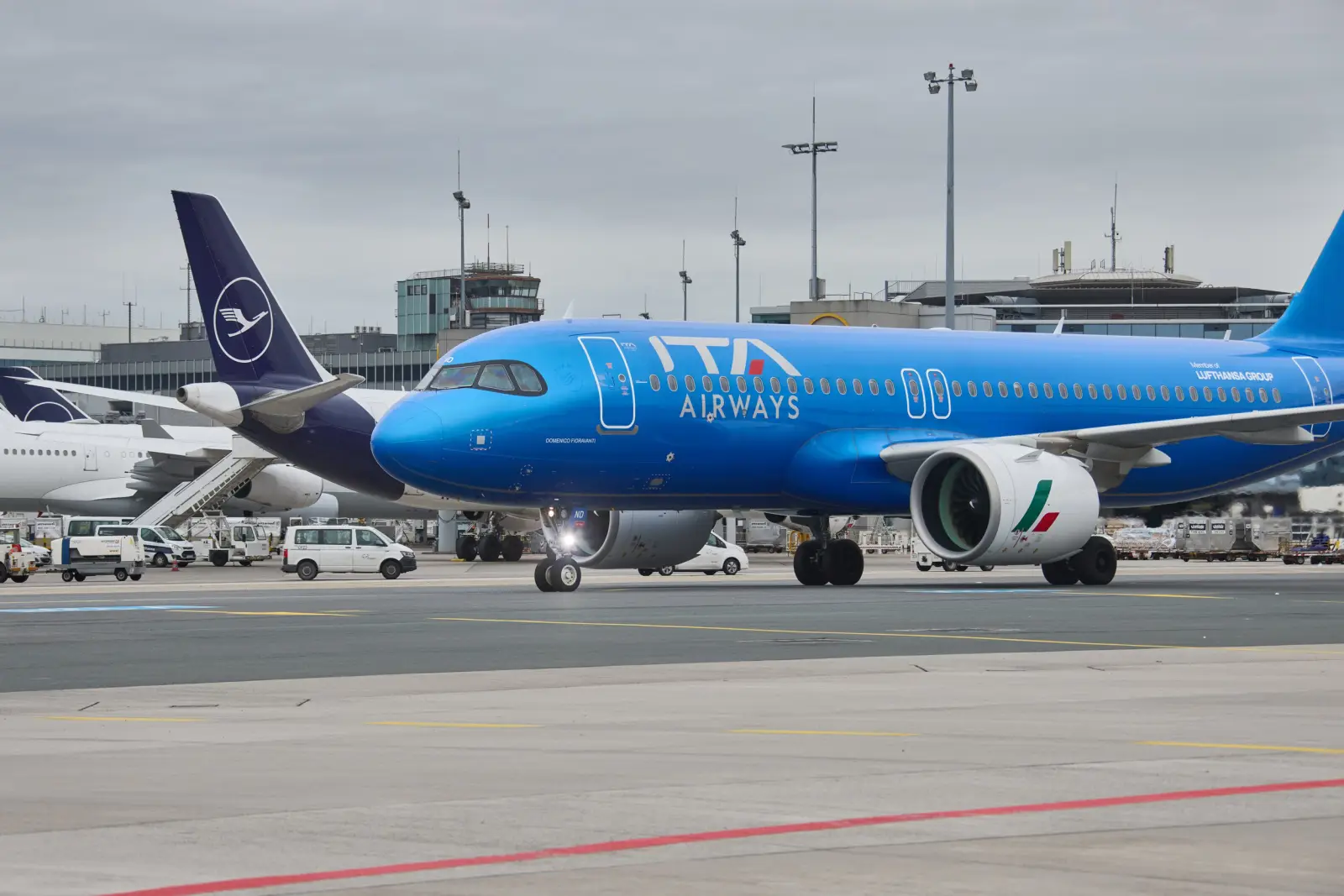
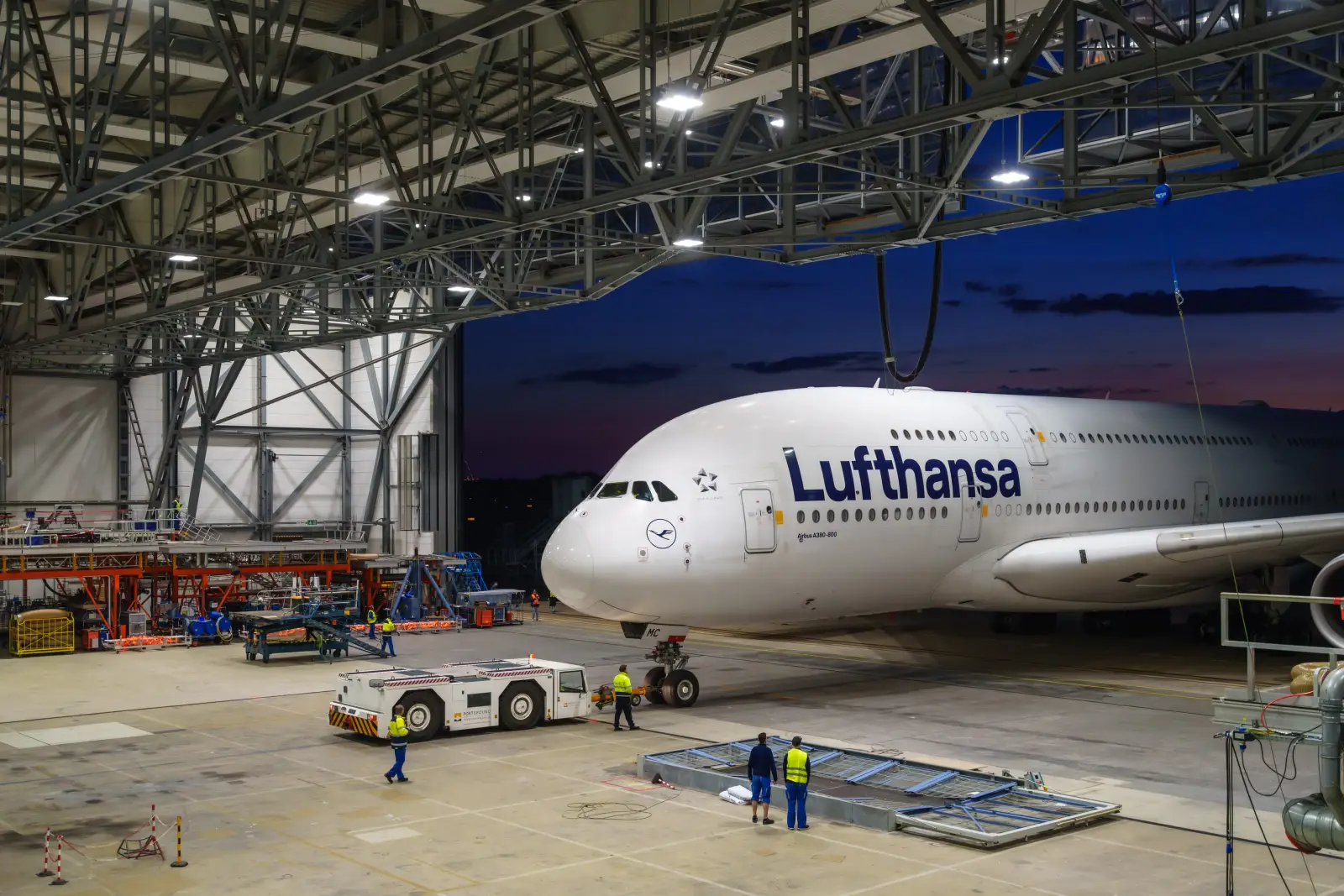
Germany’s flag carrier also backed the decision. A Lufthansa spokesperson called the agreement an important step “because flying in and out of Germany has become too expensive.” The airline has already shifted some growth to subsidiaries in neighbouring markets where aviation taxes are lower, and has consistently highlighted the need for more competitive conditions in its home country.
However, environmental and transport groups have criticised the rollback as a setback for climate policy and for efforts to shift demand towards rail and other lower-emission options. Christiane Rohleder, president of the German Transport Club (VCD), said, “Flying will become cheaper, the national public transport ticket will become more expensive – that’s the coalition’s disastrous message.” Campaigners argue that the decision weakens price signals intended to reduce aviation emissions and could encourage additional short-haul flying.
For travellers, the impact on ticket prices is likely to vary. Airlines will decide individually how much of the tax cut to pass on to passengers through lower fares and how much to retain to support balance sheets or fund network expansion. Some carriers may use the relief to launch or restore routes that had become commercially marginal under the higher tax regime, particularly at regional airports that have seen long-haul and point-to-point services reduced.
Major hubs such as Frankfurt and Munich are expected to be key beneficiaries as the government aims to reinforce their role in global aviation. Lower departure taxes and reduced charges could make these airports more attractive for additional long-haul and transfer traffic, supporting Germany’s tourism and business travel sectors. Improved connectivity may also benefit inbound tourism, making it easier and potentially cheaper for visitors to reach German destinations.
The reform also aligns Germany with a wider European trend in which several countries, including the UK, Italy, Belgium, Sweden and Austria, have adjusted aviation taxes or airport charges to support post-pandemic recovery. Supporters of the German package say it corrects a competitive imbalance that has persisted since the 2024 tax hike and helps prevent further diversion of traffic to rival hubs.
Critics counter that the timing undercuts parallel efforts to introduce higher carbon pricing and to accelerate the use of sustainable aviation fuel, arguing that any relief for airlines should be tied more closely to environmental performance. For now, the government has framed the rollback as a targeted economic measure, with climate objectives to be pursued through other policy instruments at national and European level.
With the package agreed by coalition leaders, the next steps involve incorporating the changes into the 2026 budget legislation and updating the legal framework for the aviation tax. The reduction is scheduled to take effect from mid-2026, giving airlines time to plan their summer and winter schedules under the new cost structure. As carriers adjust capacity and pricing strategies in the coming months, travellers and the wider tourism industry will be watching closely to see how far the tax cuts translate into cheaper flights and improved connectivity from German airports.