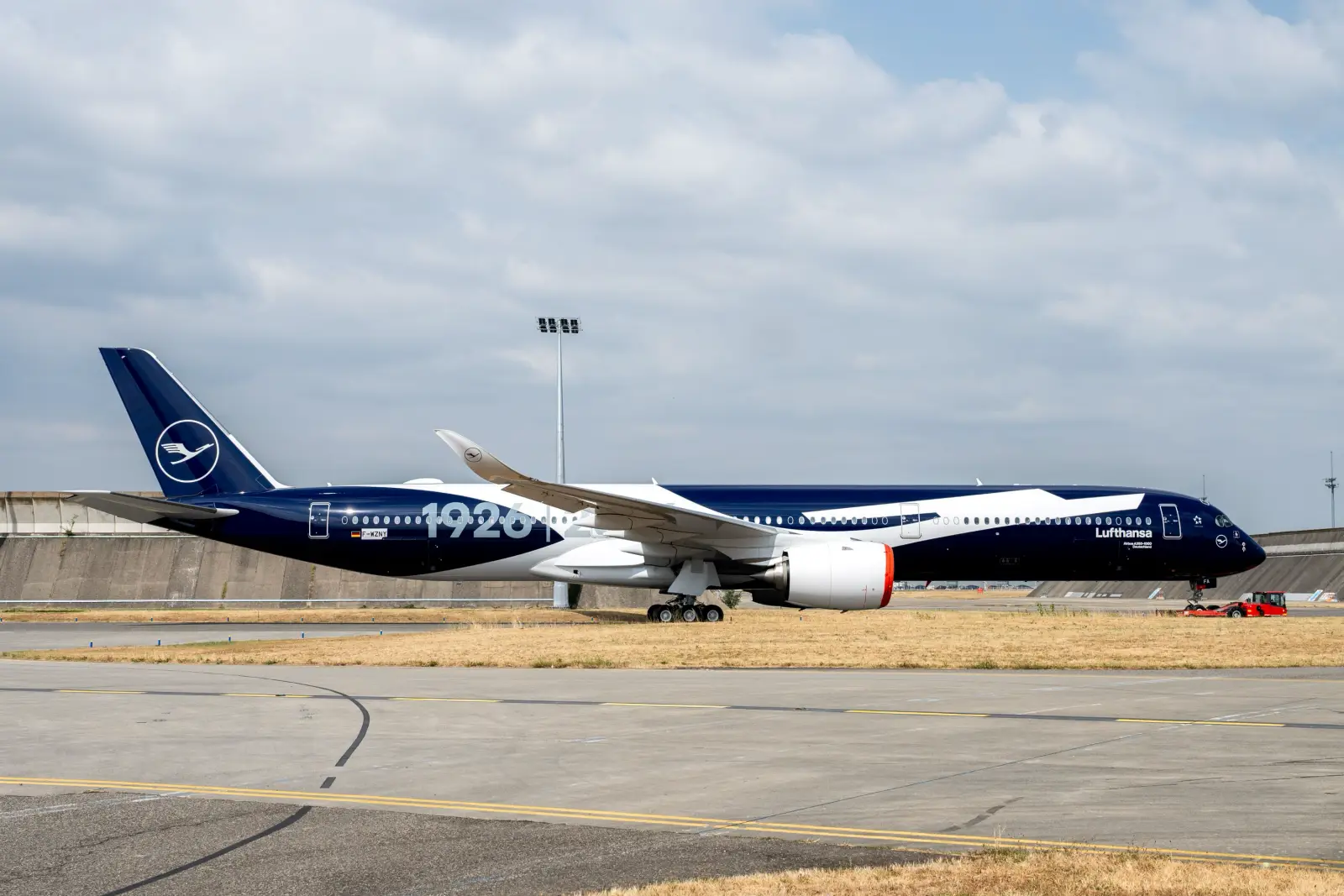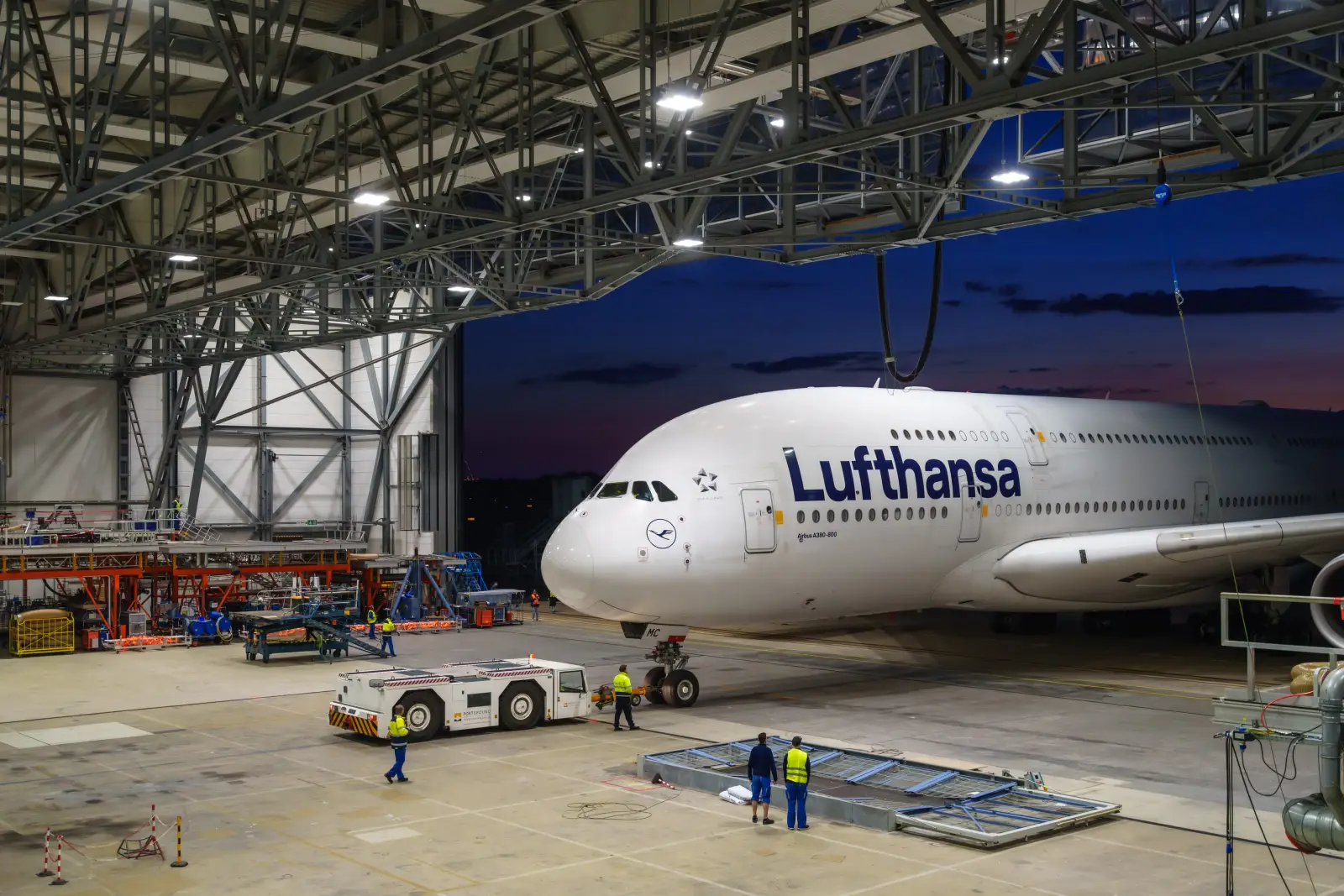
A Lufthansa passenger flight bound for Riyadh was forced to divert to Cairo on March 6 after the airspace around the Saudi capital was temporarily closed, prompting the aircraft to abandon its approach and reroute for safety.
The flight, which had departed Munich the previous evening, changed course mid-journey and landed safely in Egypt.
The diversion occurred amid wider aviation disruptions across parts of the Middle East linked to regional security concerns and airspace restrictions. Airlines operating between Europe and the Gulf have faced route changes, cancellations and delays as authorities respond to evolving safety conditions in the region.
Lufthansa flight changes course en route to Riyadh
The Lufthansa aircraft departed Munich at approximately 20:45 GMT on March 5 for its scheduled service to Riyadh. During the flight, airspace in the Saudi capital was temporarily closed, preventing the aircraft from continuing its planned arrival.
The crew redirected the aircraft to Cairo International Airport, where it landed safely. The diversion was carried out as a precaution while authorities managed the airspace situation affecting Riyadh.
The aircraft remained in Cairo while Lufthansa assessed operational options for the continuation of the journey. According to the airline, the flight was expected to proceed to Riyadh once conditions allowed before eventually returning to Munich.
Passengers onboard were assisted following the unscheduled stop in Egypt, with arrangements made to continue their travel once the flight could resume operations.
Airspace disruptions affect regional aviation
The diversion highlights ongoing operational challenges for airlines flying across the Middle East as regional security developments continue to affect aviation routes. In recent days, several carriers have adjusted flight paths or temporarily suspended services to avoid airspace affected by the incident.
Airlines are monitoring developments closely and coordinating with aviation authorities to ensure the safety of passengers and crews. Airspace closures can require aircraft already in flight to divert to alternate airports, extend routes or delay arrivals.
Industry observers note that such disruptions can have ripple effects across airline networks, particularly on long-haul routes connecting Europe, Asia and the Gulf. Aircraft diversions can cause schedule changes, crew adjustments and logistical challenges for airlines and airport operators.
Several international carriers have reported rerouting flights through alternative corridors in recent days as a precaution. Aviation regulators and airlines typically issue updated operational guidance as conditions change.
Despite the disruption, Lufthansa said the aircraft involved in the Munich-Riyadh service landed safely in Cairo and that passenger safety remained the airline’s priority.
Airlines adapt to changing flight corridors
Airlines regularly adjust routes in response to geopolitical developments, weather conditions or temporary airspace restrictions. Modern flight planning systems allow carriers to identify alternate airports and corridors while aircraft are already airborne.
Airspace closures, even if temporary, can affect hundreds of flights depending on the region involved. For international carriers operating intercontinental services, diversions may involve significant operational coordination.
The Munich-Riyadh diversion illustrates how quickly airline operations can change when access to destination airspace is restricted. While such events are relatively rare, they remain part of contingency planning for global aviation.