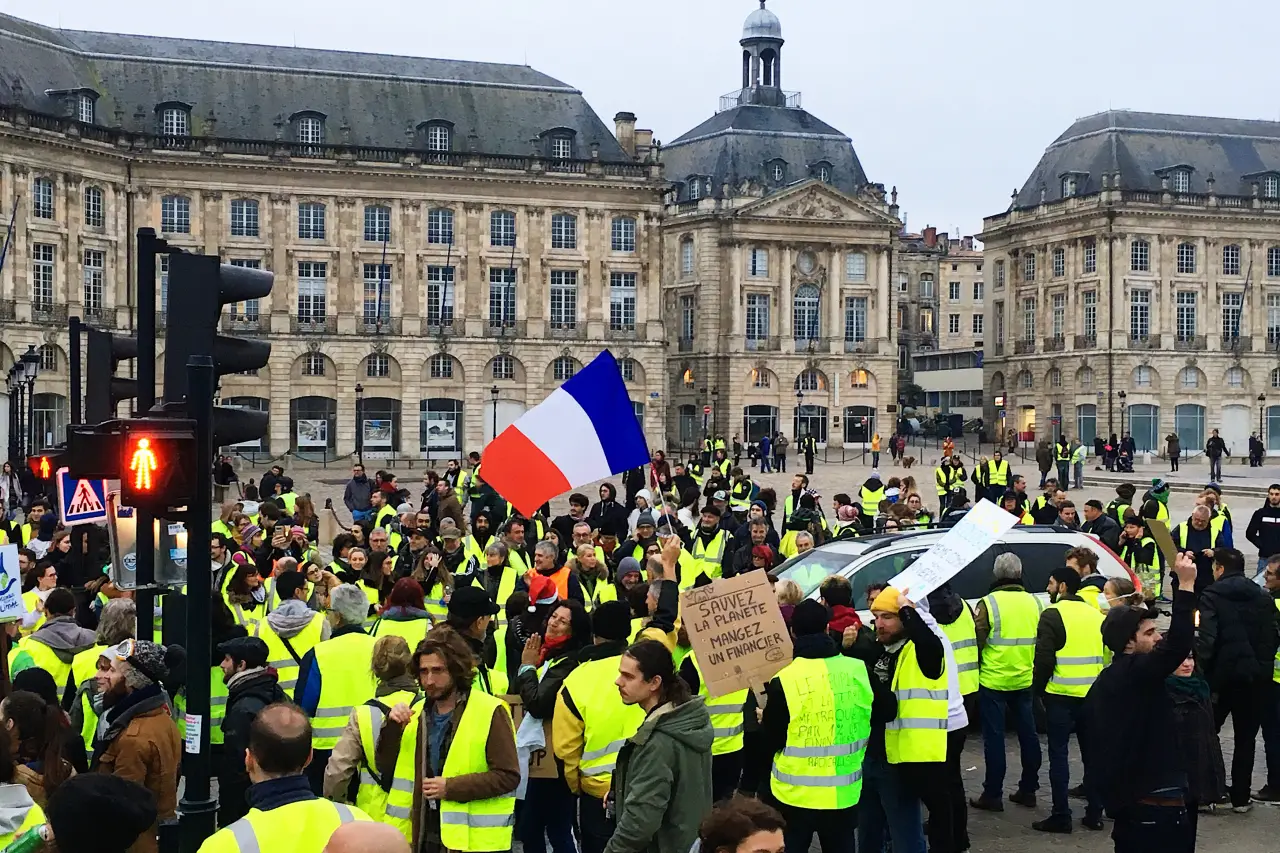
France is preparing for another nationwide day of strikes and demonstrations on Thursday, October 2, with disruptions expected across transport, education, health, and public services. The inter-union coalition has called for the mobilization, which will see marches and rallies in major cities, including Paris, Lyon, and Marseille.
The Paris march is scheduled to begin at 14:00 from Place d’Italie in the 13th arrondissement and proceed to Place Vauban near the Invalides. Authorities have confirmed that 5,000 police and gendarmerie officers will be deployed to secure the procession and respond to potential unrest. The protest follows a similar nationwide strike on September 18 but is expected to draw fewer participants this time.
Transport Operations and Travel Impact
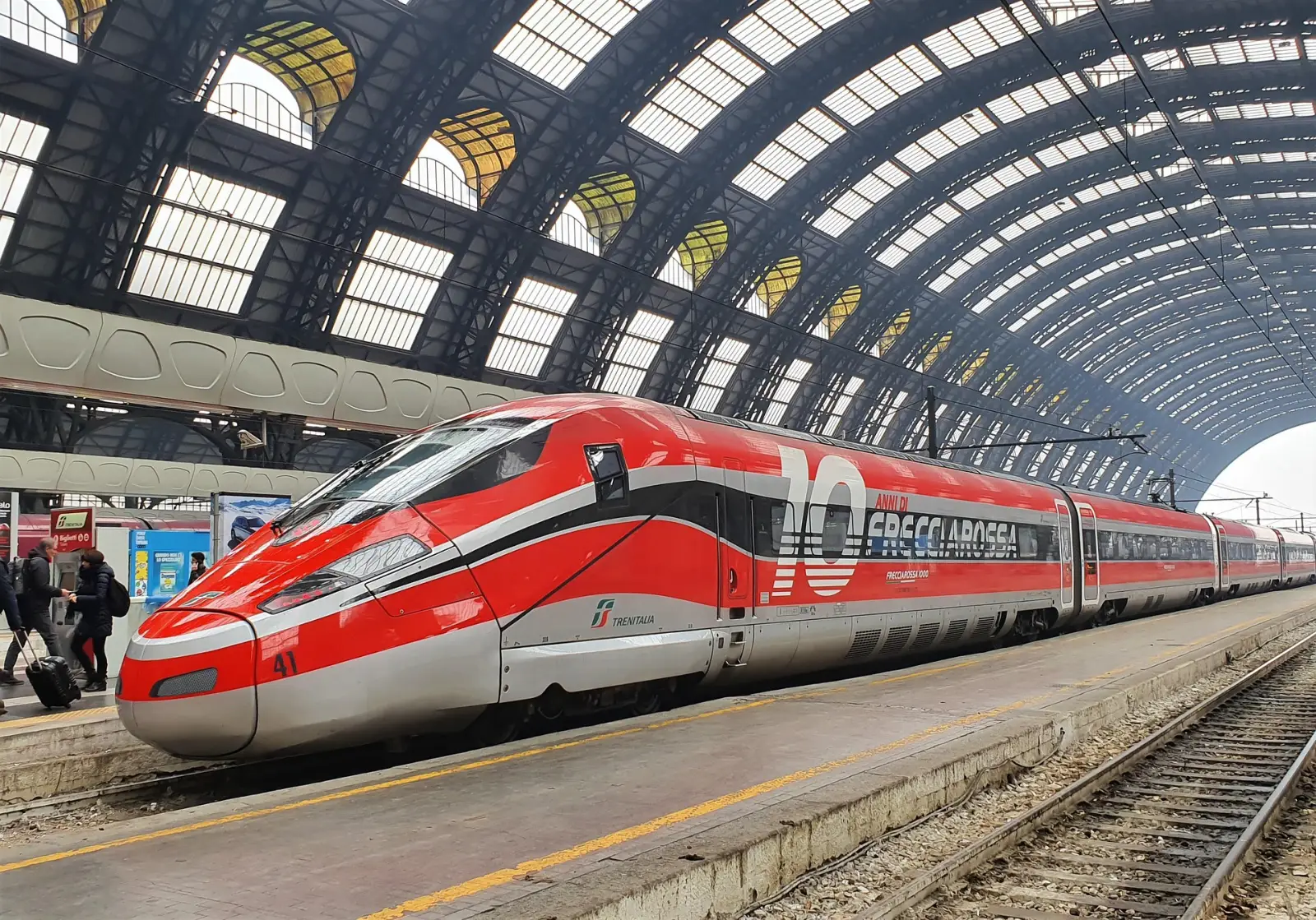
Rail operator SNCF reports that high-speed TGV trains are scheduled to run normally, while regional TER services, Intercités, and some RER and Transilien lines around Paris will see disruptions. The Paris Metro and most RER lines are expected to operate at near-normal levels, although certain lines such as RER D and some suburban routes may experience significant delays or reduced frequency.
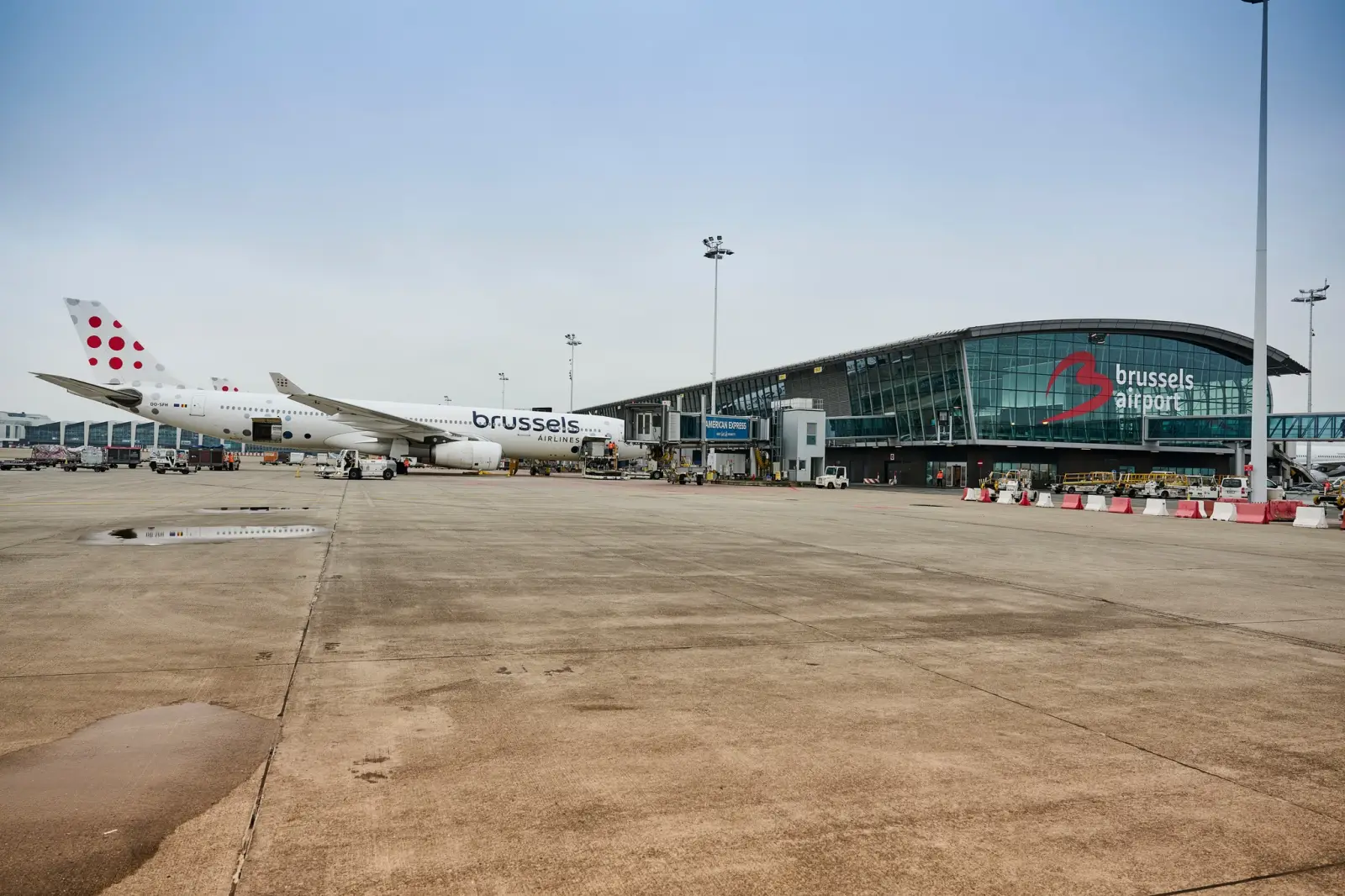
Public transport in other major French cities is also expected to be affected, though to varying degrees. Local unions in Marseille, Lyon, and Lille have issued strike notices, with transport authorities warning of potential cancellations or longer wait times. The civil aviation authority has advised travelers to expect limited delays at airports, although overall impacts on flights are forecast to be minor compared to those on rail and urban transit.
For motorists, union activists associated with the protest movement “Bloquons Tout” (Block Everything) have announced intentions to stage road blockades at certain locations. Police officials in Paris and other cities have said they will intervene immediately to prevent extended disruptions to traffic. “We would immediately unblock any attempt to obstruct transport hubs, schools, or other sites,” said Laurent Nunez, Prefect of Police of Paris, during an interview on TF1.
Schools and Education Sector
The Ministry of Education has confirmed that participation among teachers is expected to be lower than the September 18 strike. The FSU-SNUipp union has estimated that around 10 percent of primary school teachers may walk out, leading to closures or partial closures in some schools. Secondary schools and universities are also likely to see uneven participation, depending on regional union activity.
Parents in affected areas have been advised to check with local school administrations for information about classes and services such as canteens and after-school care. The ministry emphasized that most schools nationwide will remain open despite reduced staffing in certain regions.
Health Services and Other Sectors
Hospitals and clinics will also be affected, as several health sector unions have filed strike notices. Non-urgent medical appointments could be postponed, though emergency services will continue to operate. The CFDT Santé-Sociaux union has urged the government to address staffing shortages and working conditions, citing high levels of burnout among health workers.
Public sector offices, postal services, and some banking institutions may also experience localized slowdowns. In Paris, one bank has already boarded up its branch windows as a precaution, recalling damage from previous demonstrations. Businesses along the planned protest routes are preparing for reduced activity, with some cafés and shops bracing for lower sales on Thursday. “The turnover is like every time there is a strike, it is half as much,” said a café owner located on the parade route.
Public Security and Political Context
The government has framed the mobilization as part of ongoing tensions with unions over wages, public services, and cost-of-living issues. Security officials warn that fringe groups could attempt to infiltrate the demonstrations to provoke clashes with police. “There will probably be individuals who try to make the demonstration degenerate,” said Laurent Nunez. “We will act immediately.”
The CGT union has announced 240 actions nationwide, including rallies, marches, and workplace walkouts. In smaller towns, symbolic demonstrations are planned in front of city halls and prefectures. While turnout is expected to be lower than the mid-September strike, organizers say the protest remains a key signal of opposition to government policies.
Public opinion remains divided ahead of the mobilization. Some citizens interviewed by French broadcasters on Wednesday voiced support for continued participation, citing frustration with economic conditions. Others questioned the timing, suggesting it would be better to wait for further clarity from the new government before taking action.
The October 2 strike will test the endurance of both unions and the government as they navigate a period of economic uncertainty and heightened social tension. While major travel disruptions appear less severe than during previous mobilizations, the nationwide scale of the strike ensures noticeable impacts for travelers, businesses, and public institutions across France.
Photo Credit: Real Sports Photos / Shutterstock.com