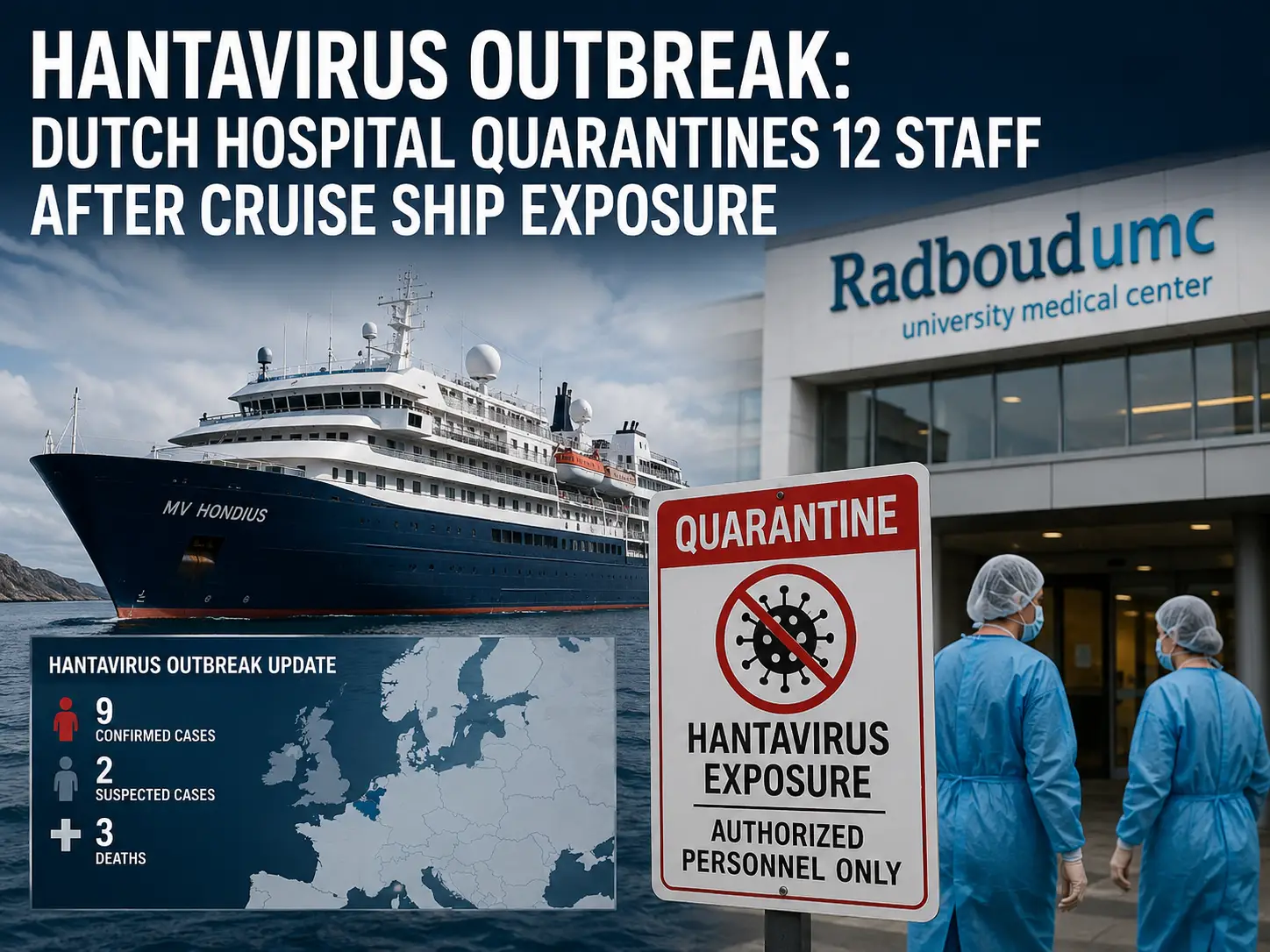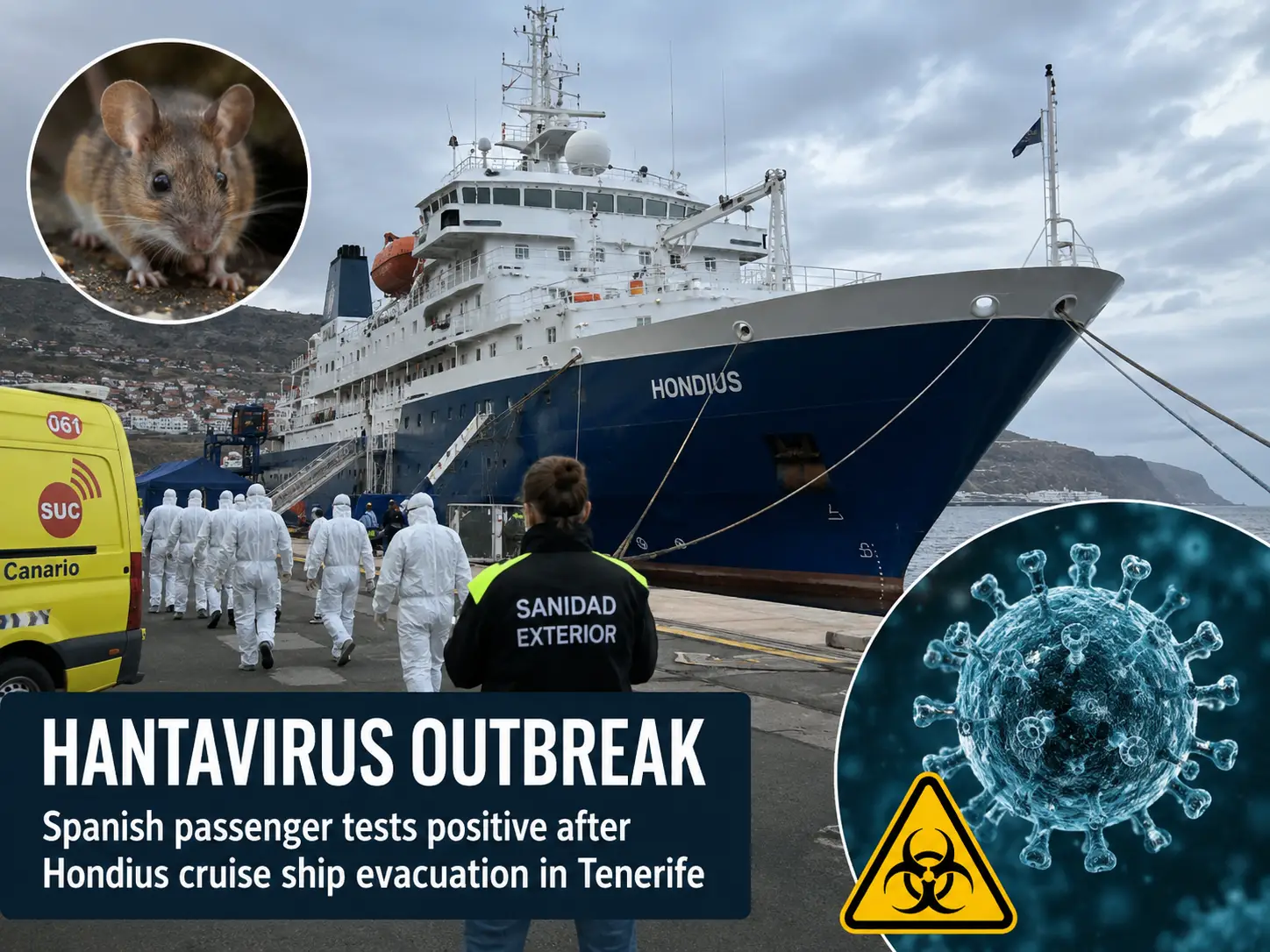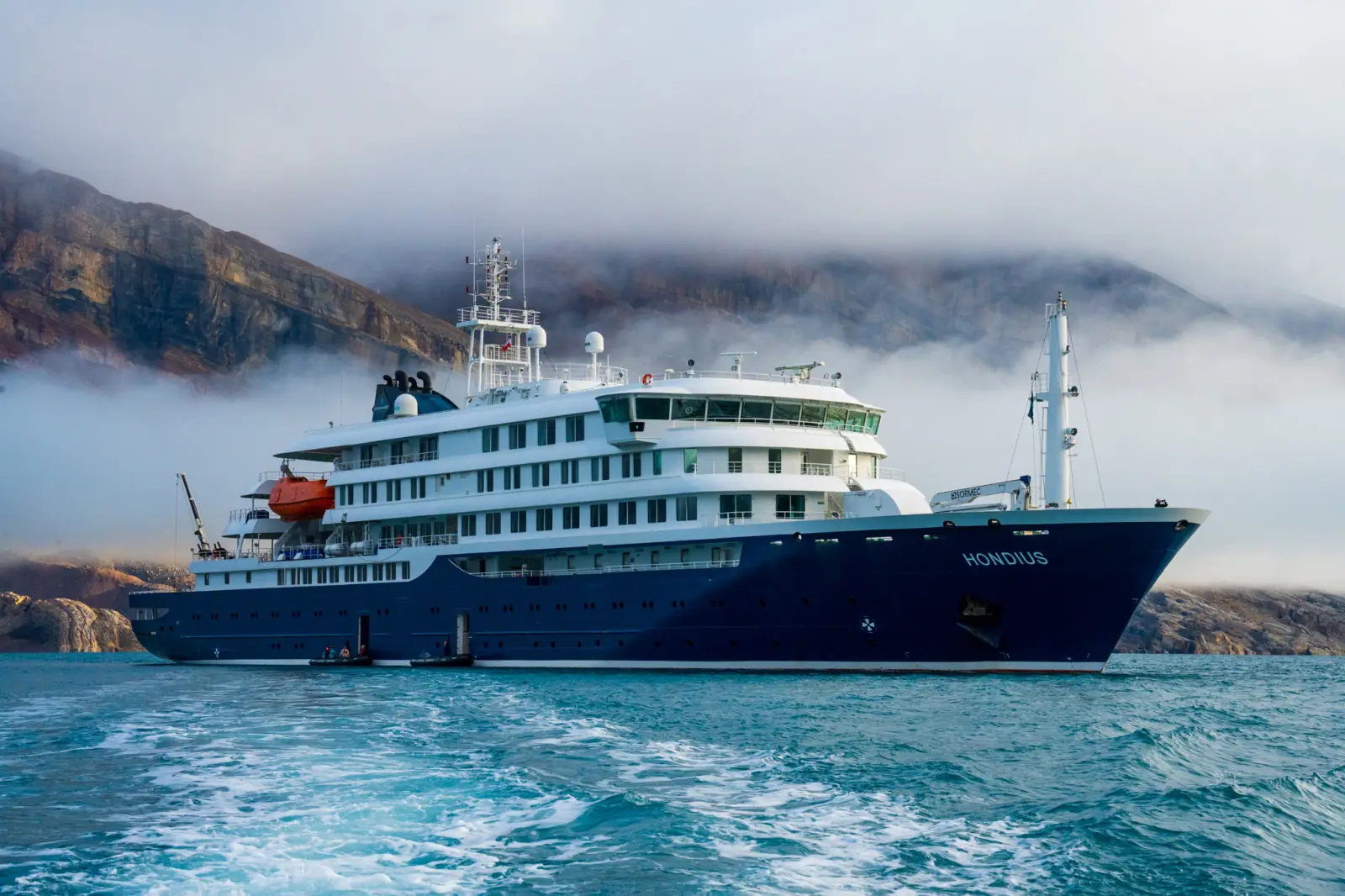
Health authorities and a cruise operator were dealing with a serious medical situation on board the MV Hondius after reports linked deaths on an Atlantic voyage to hantavirus, a rodent-borne infection that can be fatal in humans.
Oceanwide Expeditions, the Dutch operator of the ship, confirmed on Monday that the vessel was travelling from Argentina to Cape Verde when the alert emerged. Hantavirus circulates in rodents and can spread to people, with no specific cure available once infection takes hold.
The case has put a spotlight on a disease that is rare in many parts of the world but can become severe quickly. It also raised questions about how cruise operators respond when infectious threats appear far from shore and medical help may be limited.
France 24 said the report came as deaths on an Atlantic cruise ship were being linked to the virus, though the source text did not provide a confirmed number of cases or fatalities. The operator said it was handling “a serious medical situation” on board, signalling that the response was ongoing as the ship remained at sea.
Hantavirus is spread by rodents, especially through contact with their urine, droppings or saliva. People can become infected when they breathe in contaminated particles or touch infected surfaces, making cabins, storage areas and other enclosed spaces a potential concern if rodents are present.
Although the virus is not commonly transmitted between humans, symptoms can escalate fast in severe cases. Early signs can resemble flu, which can delay diagnosis and treatment, and that makes awareness important for travellers, ship crews and healthcare teams.
The situation on the MV Hondius also underlined the challenges of managing illness during expedition cruising. Ships sailing long routes may be days away from specialist hospitals, so operators must depend on onboard medical staff, isolation measures and communication with port authorities.
Health experts say prevention remains the most effective defence. That means controlling rodent access to food and waste, sealing openings where animals can enter, and cleaning contaminated areas carefully to avoid stirring up infectious dust.
Travellers should be cautious in places where rodents are common, including rural lodges, cabins, warehouses and some outdoor settings. Avoiding direct contact with wild rodents and their droppings can reduce risk, especially in regions where hantavirus is known to circulate.
The latest incident comes amid wider concerns about disease on ships and in remote travel environments, where outbreaks can spread quickly and create pressure on crews and emergency responders. The report did not say whether the MV Hondius had diverted, paused its journey or evacuated any passengers or crew.
Oceanwide Expeditions did not give further details in the source text about the number of people affected, the nature of their symptoms or the next steps in the response. The absence of confirmed public information leaves the scale of the incident unclear.
For now, the case serves as a reminder that a disease carried by rodents can become a serious travel health issue when it appears in confined settings at sea. With no specific cure, fast recognition and strong preventive measures remain the main tools available.
Photo Credit: Seribu Studio / Shutterstock.com