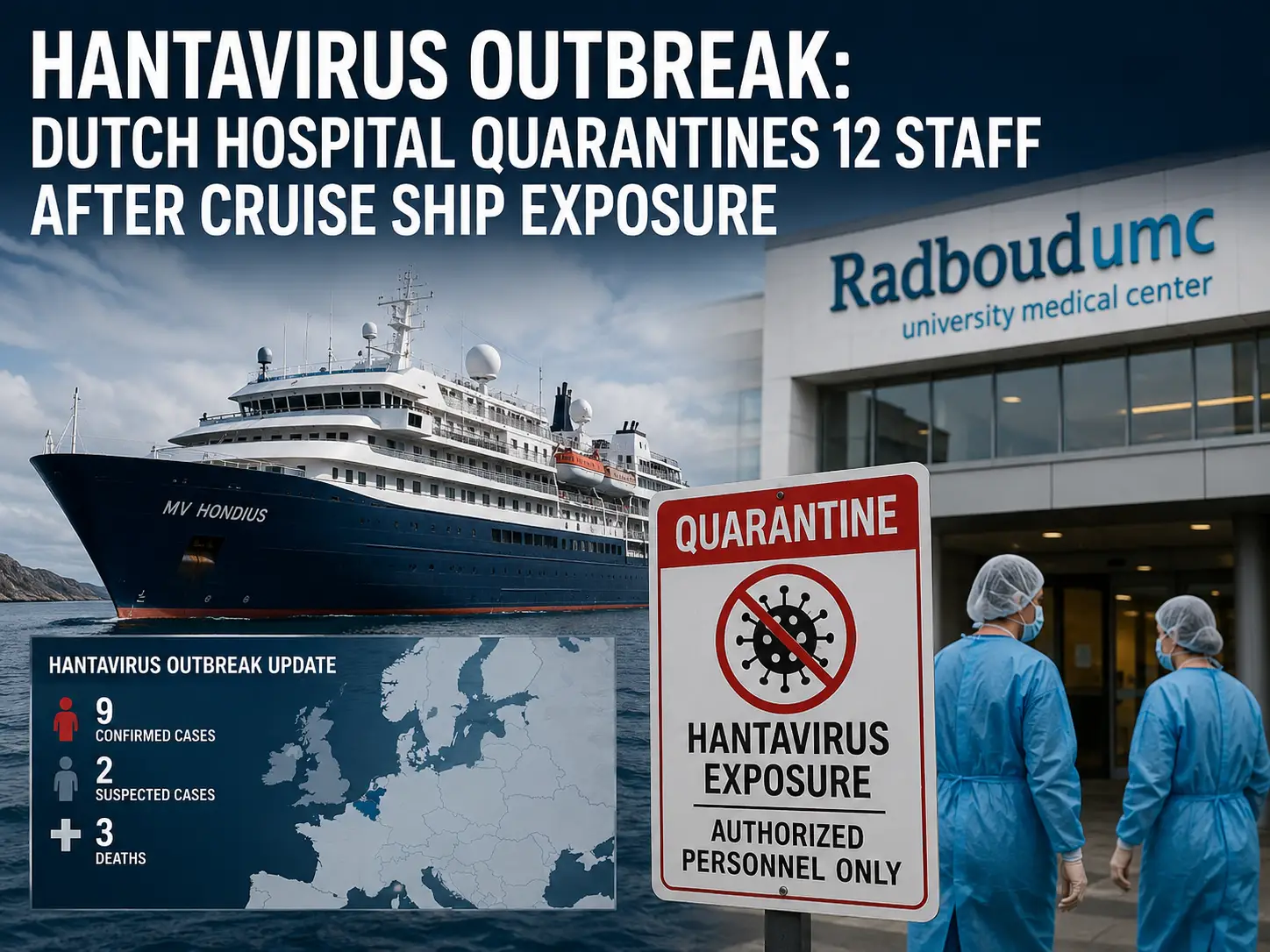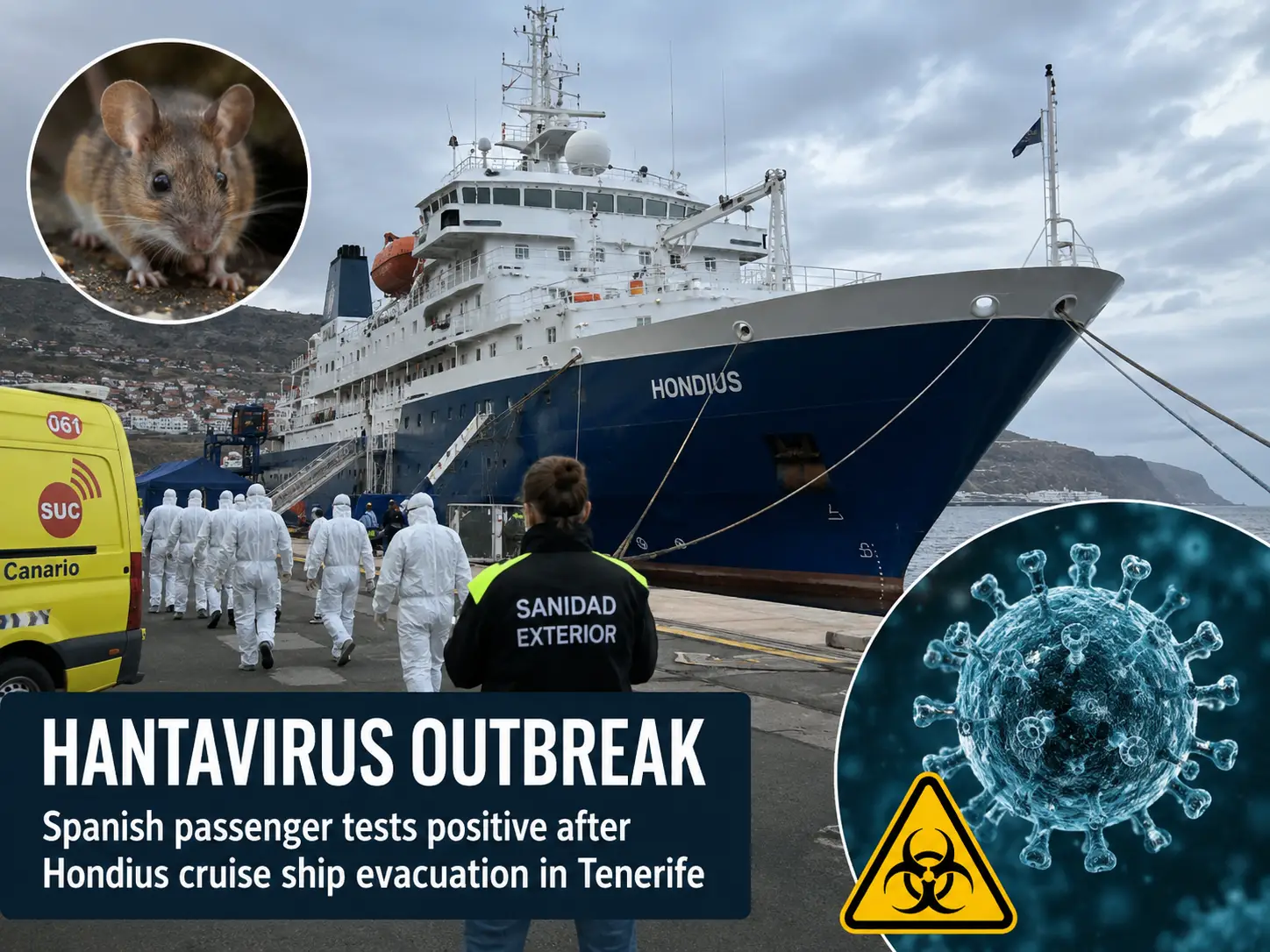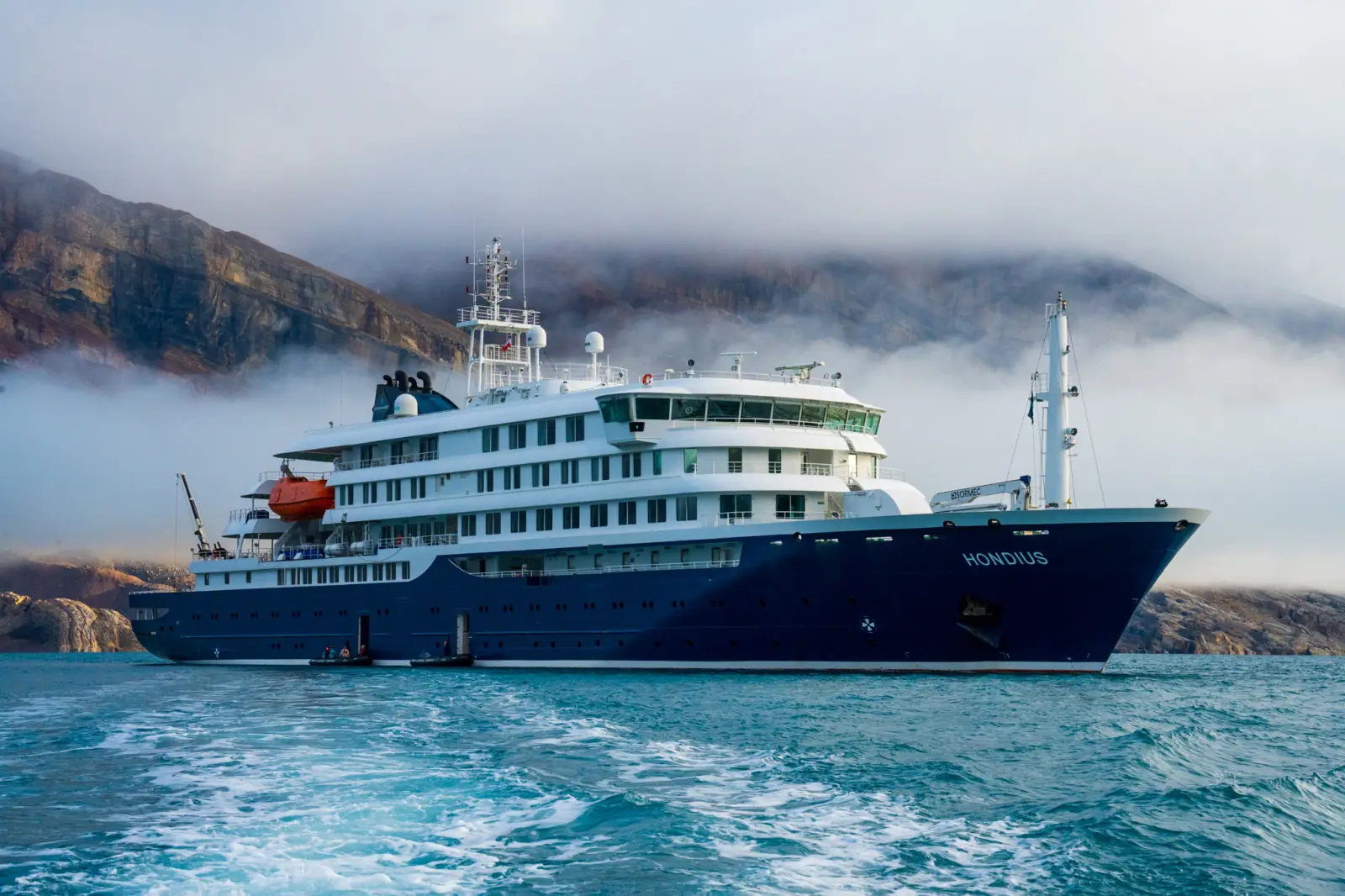
Spanish authorities are preparing to receive more than 140 passengers and crew from a cruise ship affected by a hantavirus outbreak, with the vessel expected to arrive in Tenerife early on Sunday morning.
At least three passengers have died, and several others remain ill following the outbreak aboard the MV Hondius, a Dutch-flagged expedition cruise ship operated by Oceanwide Expeditions.
Virginia Barcones, head of Spain’s emergency services, said passengers would disembark into a fully isolated and cordoned-off area. “They will arrive in a completely isolated and cordoned-off area,” she said, adding that passengers would travel in isolated and monitored vehicles directly to the airport and then onward to their home countries. The airport areas they pass through will also be cordoned off.
The United States has agreed to send a plane to the Canary Islands to repatriate its 17 citizens on board. The British government said it would charter a separate plane to evacuate the nearly two dozen British nationals still on the ship. The European Union has also agreed to send a repatriation flight for its citizens.
The World Health Organization said the risk to the general public remains low. WHO spokesman Christian Lindmeier said on Friday that a KLM flight attendant who had brief contact with an infected passenger had tested negative for the virus, a result he said should ease concern. “The risk remains extremely low,” Lindmeier said. “This is not a new COVID.”
The flight attendant had been working on a KLM service from Johannesburg to Amsterdam on 25 April and later fell ill. She was subsequently transferred to an isolation ward at an Amsterdam hospital. The infected passenger she had contact with was a Dutch woman whose husband had died aboard the ship. The woman was too ill to complete the international flight and was removed from the aircraft in Johannesburg, where she later died.
Health authorities on four continents are still working to locate and monitor passengers who disembarked from the MV Hondius before the outbreak was detected. More than two dozen people from at least 12 countries left the ship on 24 April, almost two weeks after the first passenger died on board, without any contact tracing having been carried out, the ship’s operator and Dutch officials confirmed. It was not until 2 May that health authorities first confirmed hantavirus in a passenger on board, the WHO said.
Oceanwide Expeditions said on Thursday that none of the passengers or crew still on the ship were showing symptoms.
The Netherlands said it was in close contact with the ship’s owner and with officials from countries with citizens on board. Dutch public health authorities are tracing contacts of passengers on the KLM flight who had been in contact with the infected woman before she left the plane.
Hantavirus is most commonly transmitted through inhaling contaminated rodent droppings and does not spread easily between humans. However, the Andes strain implicated in the current outbreak can in rare cases spread from person to person. Symptoms typically appear between one and eight weeks after exposure and can include fever, muscle aches and breathing difficulties.
The WHO confirmed on Friday that the Andes strain was responsible for the outbreak. Health experts advise anyone who suspects exposure to seek medical attention promptly.
Despite the WHO’s reassurances, some Spaniards have drawn comparisons with the early stages of the Covid-19 pandemic in 2020. Spanish health officials and the WHO have both stressed that the risk of the current outbreak spreading beyond those directly exposed remains very low.
The Canary Islands are one of Spain’s busiest cruise gateways. Tenerife serves as a regular stop for vessels on Atlantic and Mediterranean routes, and any disruption at the port can affect wider itineraries and travel connections.
Spanish officials said the main focus was on bringing those on board ashore safely and returning them to their home countries as quickly as possible through a fully controlled disembarkation process.
Photo Credit: Oceanwide Expeditions