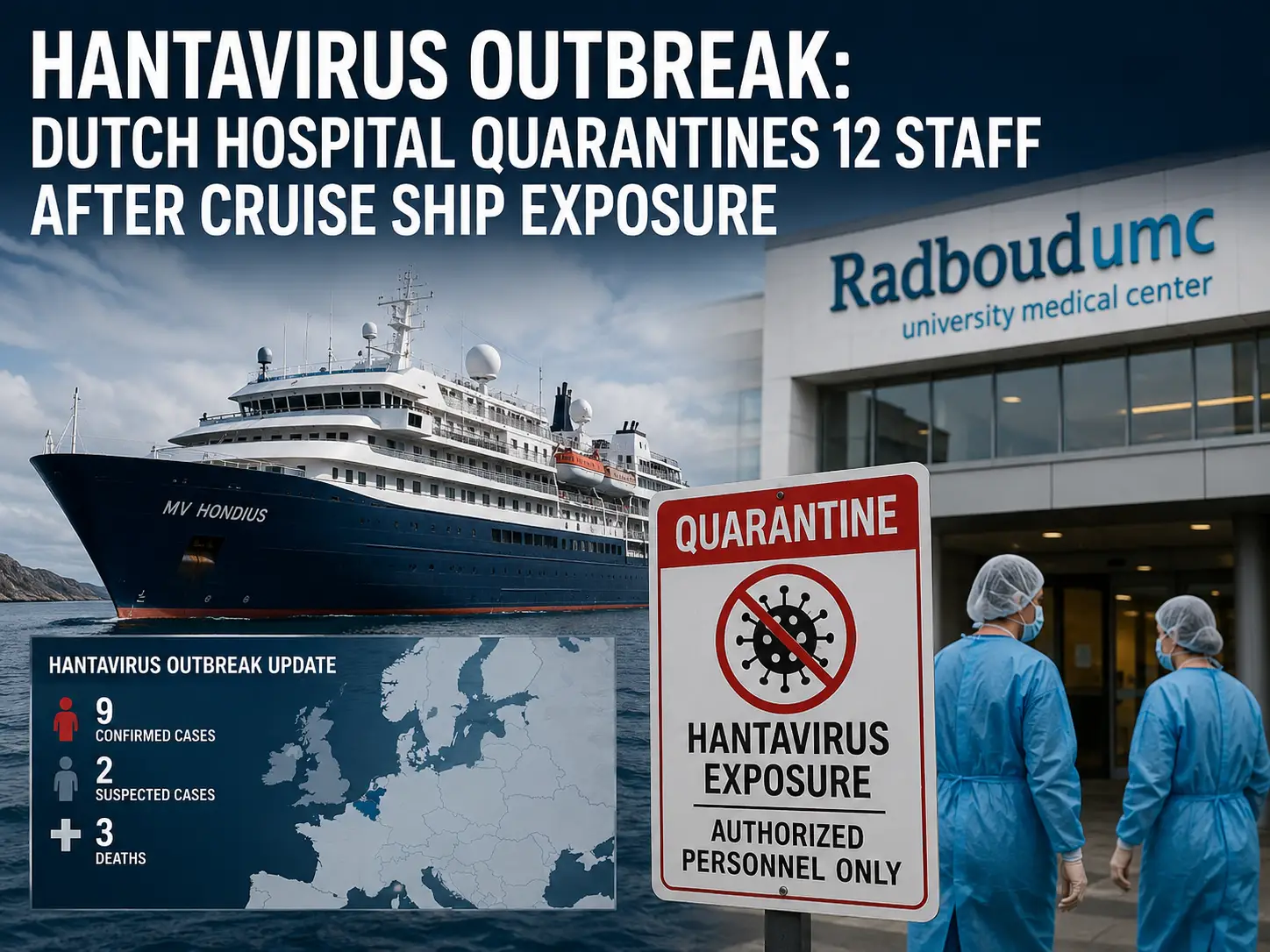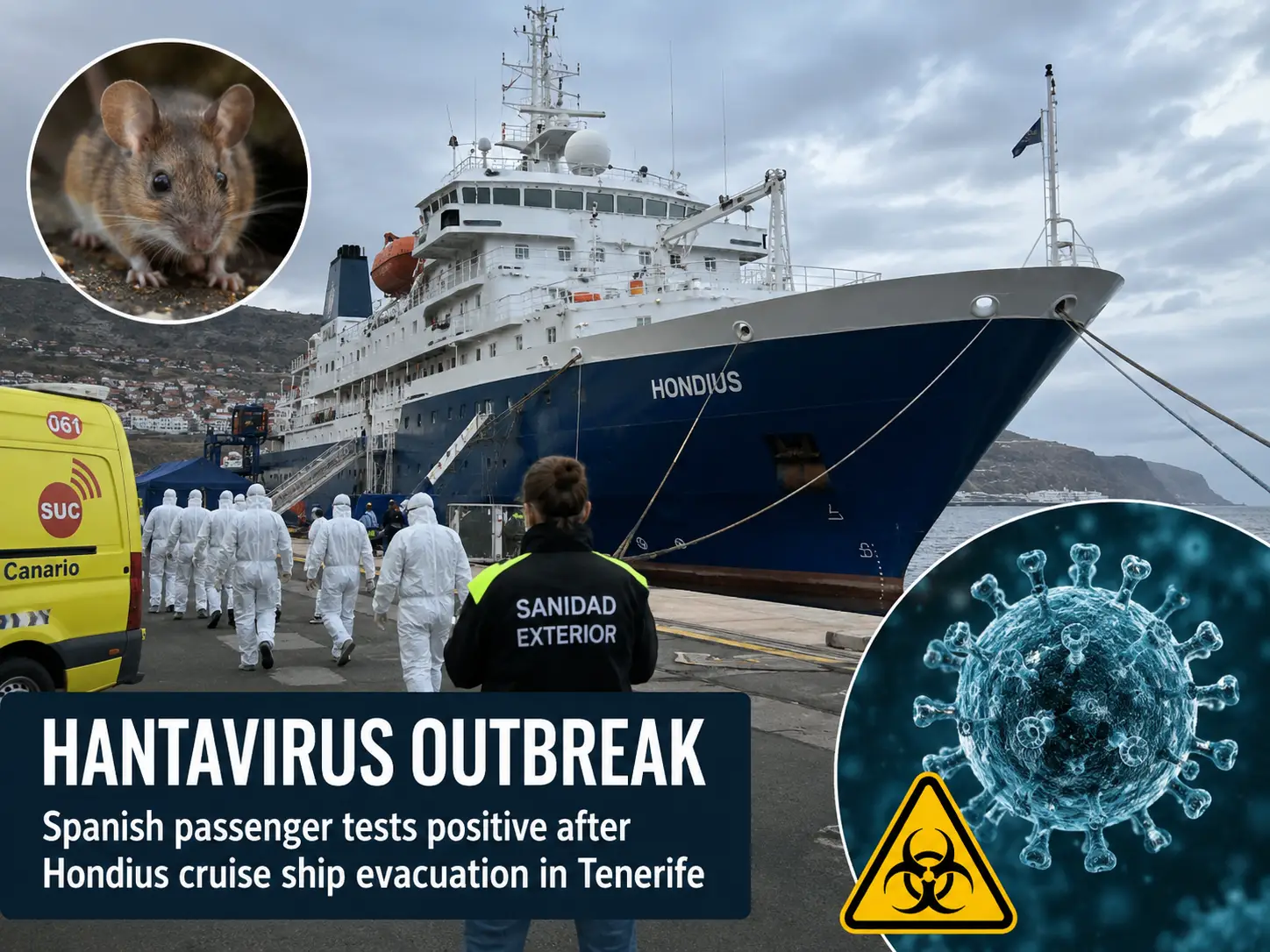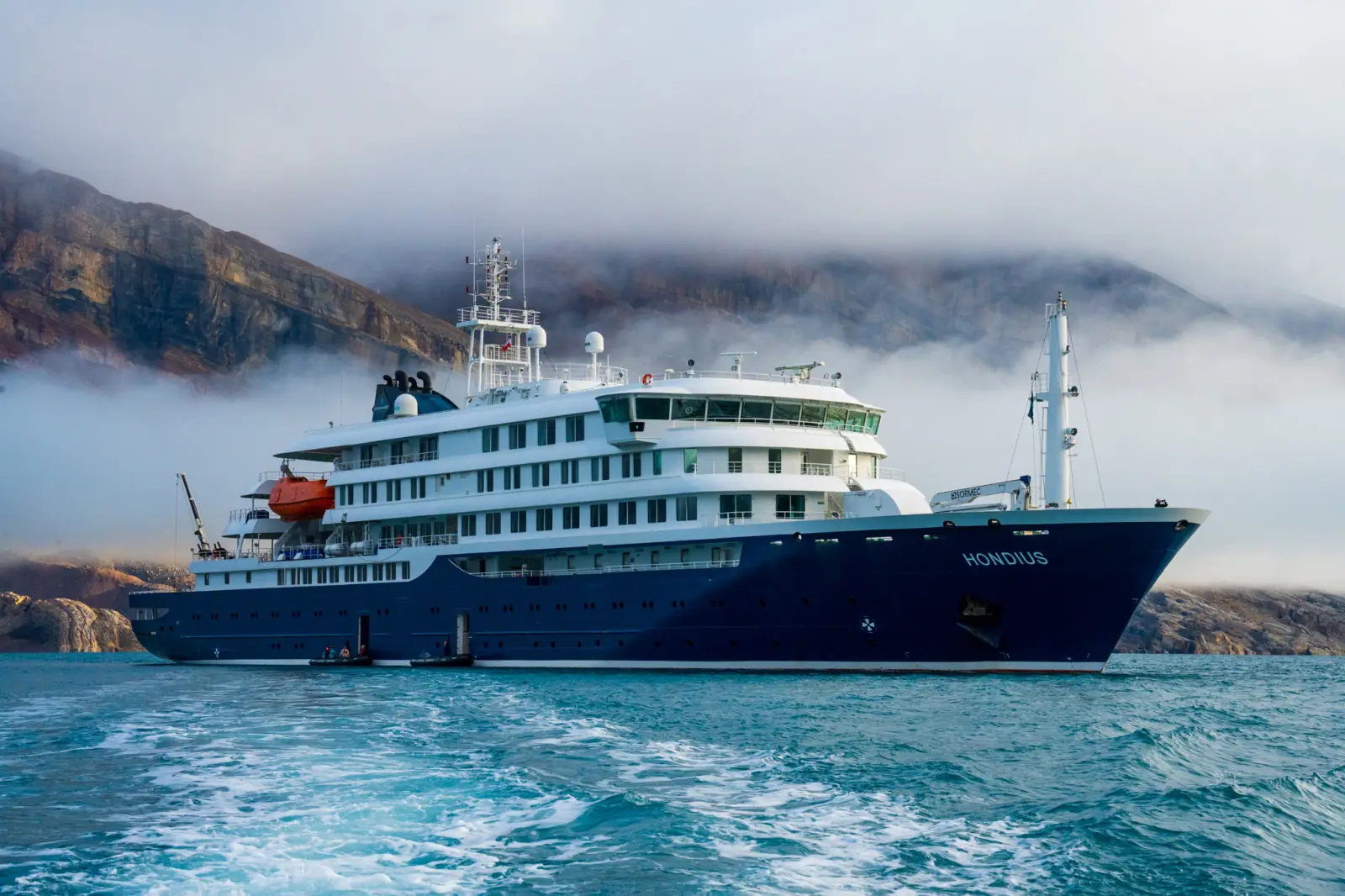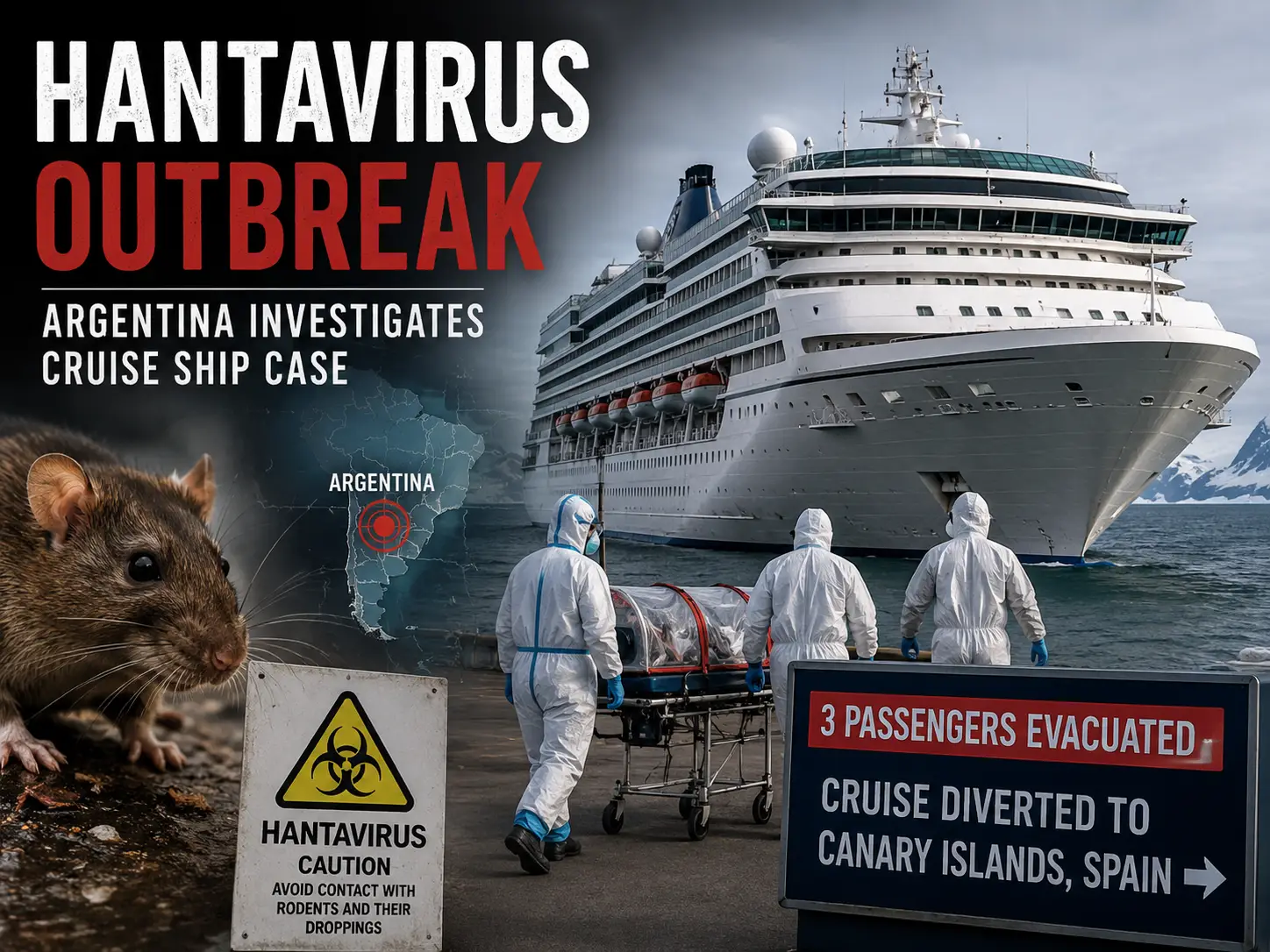
Argentina is investigating whether it was the source of a hantavirus outbreak on an Atlantic cruise after three passengers were evacuated and the vessel headed to Spain’s Canary Islands.
The health emergency has raised concern among officials and experts in the country, which is the departure point for the cruise to Antarctica. Public health researchers in Argentina say the country is also seeing a surge in hantavirus cases that they attribute in part to the accelerating effects of climate change.
The outbreak on board has placed fresh attention on a rare but potentially deadly rodent-borne disease that Argentina already sees more often than any other Latin American country, according to the World Health Organization.
Officials are now working to establish whether any passenger or crew member carried the virus before or during the voyage, and whether the infection spread on the ship or elsewhere. The investigation comes as health authorities across the region monitor seasonal patterns in hantavirus transmission and the conditions that can increase human contact with infected rodents.
Hantavirus can cause severe respiratory illness, and outbreaks can be difficult to trace because symptoms may appear only after exposure and can resemble other infections at an early stage. That makes identifying a source on a cruise ship especially challenging, health experts say.
The cruise was sailing in Atlantic waters after departing for Antarctica from Argentina when the outbreak emerged, according to the report from France 24. The ship later changed course towards the Canary Islands after the evacuation of 3 people.
Argentina has long recorded the highest incidence of hantavirus in Latin America, and local researchers have linked recent increases in some regions to environmental change. The latest outbreak has now drawn global attention because it unfolded aboard an international cruise, where close contact among passengers can speed up the spread of illness or complicate efforts to contain it.
Hantavirus is usually associated with rodents, and infection can occur through contact with contaminated saliva, urine or droppings. In areas where cases rise, public health officials often stress prevention measures such as avoiding rodent-infested spaces and limiting exposure to enclosed areas where the animals may be present.
On the cruise ship, investigators are expected to look at passenger movement, cabin assignments, shared dining areas and the timing of symptoms in an effort to build a transmission map. They are also likely to examine whether anyone boarded with a recent exposure in Argentina before the ship left port.
The case has become another example of how travel and public health risks can intersect at sea, particularly on long-haul voyages that pass through remote regions before reaching major ports. For Argentina, it has also intensified scrutiny of a disease that already remains a persistent national health concern.