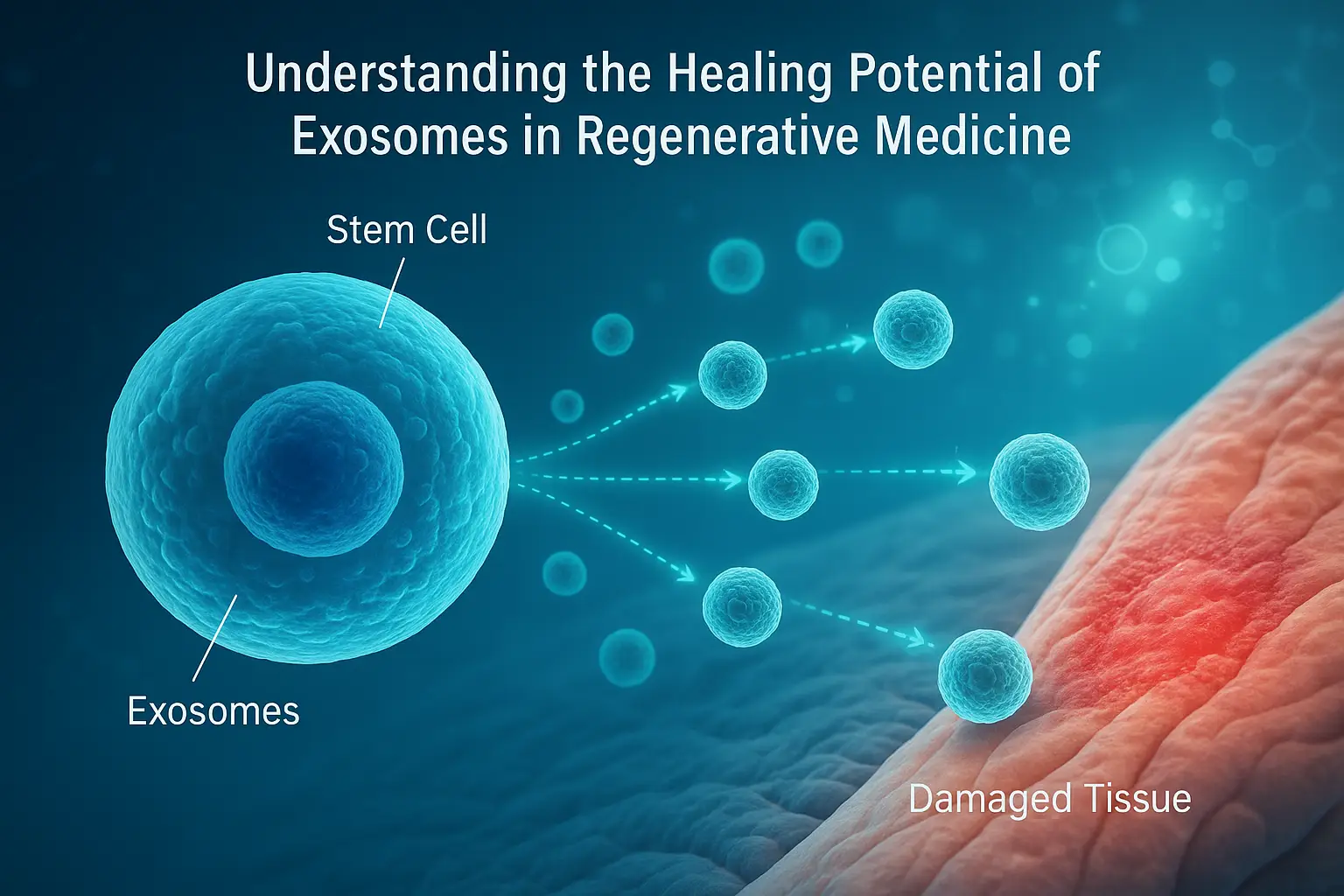
Exosomes are one of the most groundbreaking discoveries in modern regenerative medicine. These microscopic vesicles are released by nearly all cell types, but those derived from stem cells—known as stem cell exosomes—have shown remarkable therapeutic potential. Unlike stem cells themselves, exosomes do not contain a cell nucleus or replicate, but they do carry bioactive molecules like proteins, lipids, mRNA, and microRNA that can influence the function of recipient cells. This allows them to act as highly efficient messengers, promoting repair, reducing inflammation, and modulating immune responses.
In recent years, exosomes therapy has been studied extensively for its role in accelerating tissue repair and reducing chronic inflammation. Conditions such as osteoarthritis, tendon injuries, autoimmune diseases, and even neurodegenerative disorders have been the focus of research involving exosomes. Due to their nano-size and ability to cross biological barriers, exosomes can reach target tissues more efficiently than larger cell-based products. For instance, in neurological disorders, exosomes may cross the blood-brain barrier—something stem cells cannot do easily—making them an exciting tool for future therapies.
Stem cell exosomes are typically harvested from cultured mesenchymal stem cells (MSCs), which are well-known for their regenerative properties. Once isolated, these exosomes can be purified and administered via injection or topical application, depending on the target area. Because they are cell-free, the risk of immune rejection is significantly reduced, and they are considered safer than live cell therapies in many clinical contexts.
Moreover, research suggests that exosomes therapy may enhance the body’s natural healing mechanisms by activating resident progenitor cells and encouraging angiogenesis (formation of new blood vessels). These properties make exosomes highly attractive in areas like orthopedics, dermatology, and even cardiovascular medicine.
Exosomes Treatment: A Promising Alternative to Traditional Cell Therapies
The growing interest in exosomes treatment is not without reason. Unlike full-cell therapies, which require stringent storage, handling, and regulatory oversight, exosome-based treatments are more stable, easier to store, and potentially less expensive to produce. They offer many of the benefits of stem cell therapy—such as anti-inflammatory effects and tissue regeneration—without the associated risks of unwanted cell growth or tumor formation.
Clinical applications of exosomes treatment are expanding rapidly. In aesthetic medicine, exosomes are being used in skin rejuvenation therapies, hair restoration, and wound healing due to their ability to stimulate collagen production and support skin cell turnover. In orthopedics, patients with chronic joint pain or ligament damage have reported improved mobility and reduced discomfort following exosome injections. Early studies in neurology also suggest benefits in conditions such as Alzheimer’s disease, multiple sclerosis, and traumatic brain injuries, though more research is needed to confirm long-term efficacy.
Another exciting area of development is combining exosomes therapy with biomaterials or scaffolds to enhance tissue engineering outcomes. Researchers are exploring how exosomes can be integrated into 3D-printed structures or hydrogels to support organ repair and regeneration in the lab. This has the potential to revolutionize the field of biofabrication and offer hope to patients awaiting transplants or suffering from organ failure.
However, while the early data is promising, it is essential to approach exosomes treatment with scientific rigor and caution. Regulatory frameworks are still being developed, and more randomized, controlled clinical trials are needed to fully understand optimal dosages, administration methods, and long-term safety profiles. Responsible providers like AMSA Biotech are committed to evidence-based practices, quality assurance, and compliance with evolving global standards to ensure that exosome therapies are delivered safely and effectively.
In conclusion, stem cell exosomes and exosomes treatment represent a powerful new chapter in regenerative medicine. As science progresses, these nano-sized messengers may become key players in treating a wide range of medical conditions, offering new possibilities for healing and restoration that were once thought to be out of reach.