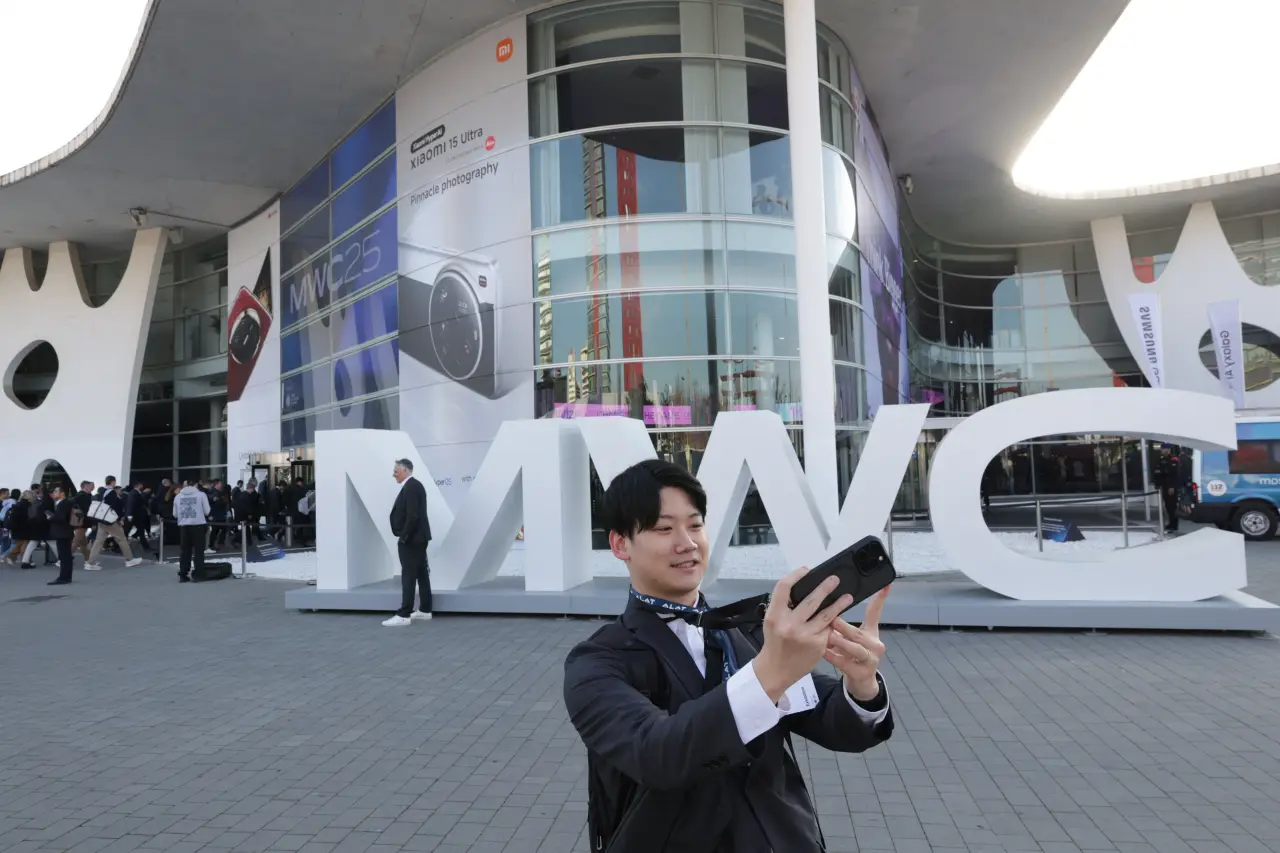
Mobile World Congress is drawing tens of thousands of visitors to Barcelona this week, pushing hotels close to full occupancy while aviation disruptions linked to airspace closures in parts of the Middle East affect travel routes for some international delegates.
The technology conference runs from 2–5 March at Fira Barcelona Gran Via and is expected to attract more than 100,000 participants from over 200 countries.
The annual event is one of the world’s largest gatherings for the mobile and telecommunications industry and regularly generates a major influx of business travelers into the Catalan capital. This year’s edition coincides with disruptions to long-haul air travel caused by regional airspace closures, forcing some attendees to reroute flights or delay their arrival.
Barcelona hotels approach full occupancy
Accommodation demand has surged as delegates arrive for the conference, with hotels across Barcelona reporting occupancy levels close to capacity during the event period. The influx of visitors is typical during Mobile World Congress, which has long been a key driver of business travel to the city.
The conference typically attracts senior executives, technology companies, investors and startup founders from across the global telecommunications ecosystem. Their presence generates a sharp increase in hotel demand each year, particularly in areas close to the Fira Barcelona Gran Via exhibition complex and central districts such as Eixample and Ciutat Vella.
Conference accommodation is coordinated through official partners that allocate thousands of hotel rooms for participants attending the event. High demand during the four-day conference has historically pushed hotel occupancy close to full capacity and raised average room rates compared with typical early-March levels.
The surge in visitors reflects the event’s role as one of Europe’s largest business tourism drivers. Local authorities and tourism bodies have previously estimated that the conference generates hundreds of millions of euros in economic impact through spending on hotels, restaurants, transportation and other visitor services.
Airspace closures disrupt long-haul travel
Travel to Barcelona has also been affected by aviation disruptions tied to airspace closures across parts of the Middle East. The closures followed escalating regional tensions that led several airlines to suspend or reroute flights through affected areas.
Airlines including Qatar Airways, Emirates and Etihad Airways have adjusted operations in response to the restrictions, affecting some routes that connect Asia, the Middle East and Europe. The changes have forced certain conference attendees to take longer routes or connect through alternative hubs to reach Barcelona.
Delegates traveling from Asia, Africa and Australia have been among those most affected because many long-haul routes normally transit Middle Eastern airspace. Some travelers have reported rerouted flights or schedule changes as airlines adapt to the evolving situation.
Despite the disruptions, the conference has proceeded with strong attendance as participants continue to arrive throughout the week. Organizers expect the event to maintain its position as one of the world’s most influential technology gatherings and a major generator of international business travel to Barcelona.
Photo Credit: GSMA