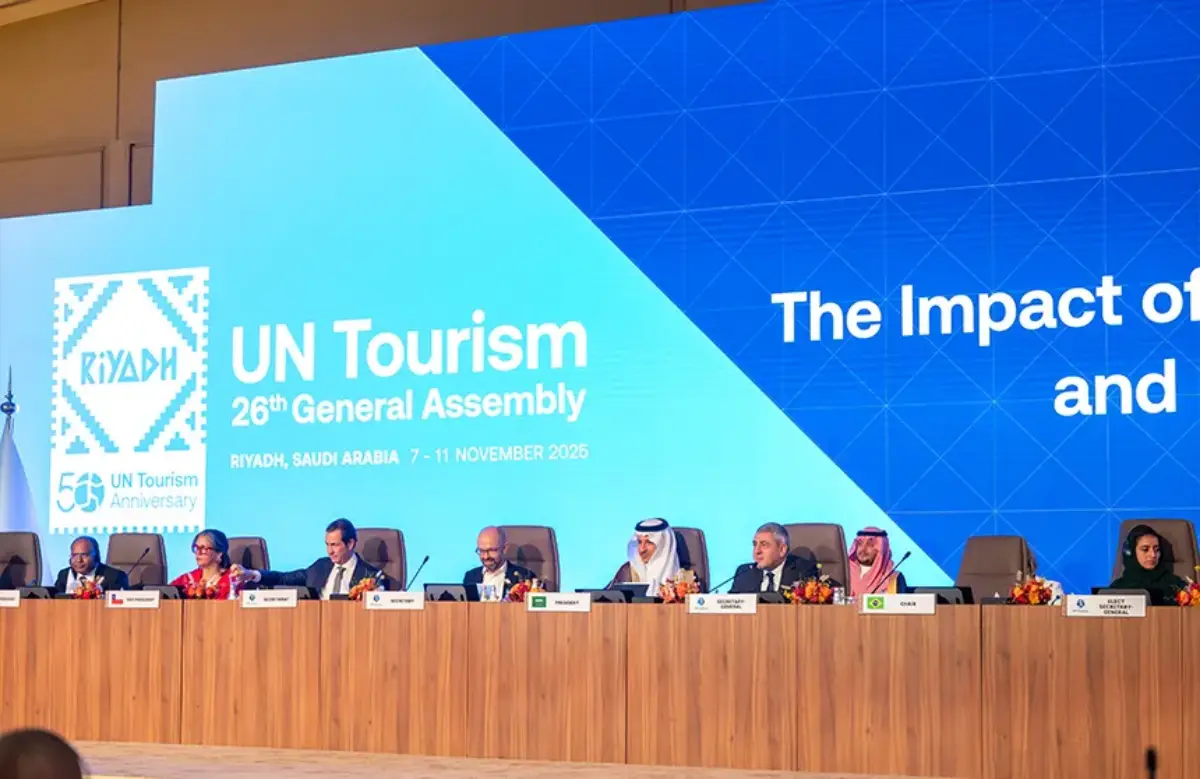
UN Tourism has concluded its largest-ever General Assembly in Riyadh, announcing a new global roadmap to integrate Artificial Intelligence across the travel and tourism sector. The event marked the organization’s 50th anniversary and brought together delegates from 148 Member States, including 90 tourism ministers and 70 ambassadors, to set the agenda for an inclusive and technology-driven future.
The three-day session culminated in the adoption of the Riyadh Declaration on the Future of Tourism, establishing AI and digital innovation as central to the industry’s growth and resilience. The Declaration commits Member States to strengthen international cooperation, invest in digital infrastructure, and harness new technologies to empower local communities and tourism entrepreneurs.
AI and Innovation Take Center Stage
Reflecting its expanded focus on technology, UN Tourism held a thematic session dedicated to the impact of Artificial Intelligence on global tourism. The session gathered representatives from governments, technology firms, and international institutions to examine how AI can transform areas such as travel planning, sustainability, and workforce development.
During the session, Natalia Bayona, Executive Director of UN Tourism, outlined the organization’s AI priorities and the need for coordinated policy development. Over 30 heads of delegation participated in the policy debate, joined by high-level figures including Apostolos Tzitzikostas, EU Commissioner for Sustainable Transport & Tourism, and representatives from Amadeus, Trip.com, Microsoft, and the World Economic Forum.
The organization also hosted the final of the UN Tourism Artificial Intelligence Challenge, celebrating innovators who are using technology to reshape the sector. Smart Tour from Brazil was named the overall winner, recognized for its pioneering use of AI to enhance visitor experiences and promote sustainable travel solutions.

Commitments for a Digital Future
The Riyadh Declaration provides a roadmap for governments and industry partners to take practical steps in advancing tourism’s digital transformation. The commitments include incentivizing investment in digital and AI infrastructure, addressing workforce shortages and skills gaps, and supporting local entrepreneurship through technology-driven initiatives.
Zurab Pololikashvili, Secretary-General of UN Tourism, emphasized the organization’s long-term vision for innovation and inclusivity. “As UN Tourism celebrates 50 years, we look ahead to the next half-century. The sector will be transformed by innovation and Artificial Intelligence. We are proud to support the top innovators and to guide our Member States to fully benefit from the power of AI to diversify the sector, drive inclusive growth and expand opportunities for all,” said Pololikashvili.
The session underscored AI’s growing role in addressing global tourism challenges, from managing visitor flows and optimizing transport networks to developing personalized travel experiences. UN Tourism officials noted that digital transformation would be essential to achieving sustainability goals and creating a more resilient tourism economy.
New Leadership and Global Expansion
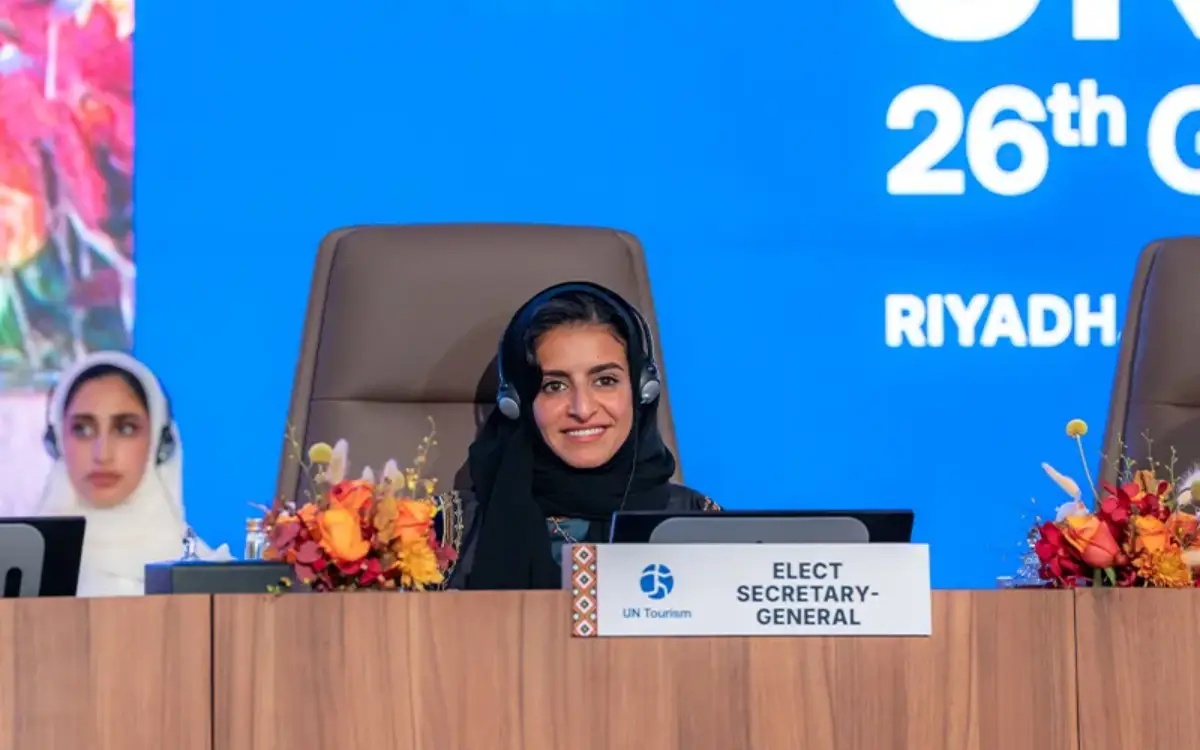
Member States also confirmed Shaikha Al Nowais as the next Secretary-General of UN Tourism. Her appointment marks a historic milestone, as she will become the first woman to lead the United Nations Specialized Agency for tourism when she begins her term in 2026. Delegates formally ratified her nomination during the opening day of the Assembly.
In another key decision, Member States approved the institutionalization of the UN Tourism Africa & Americas Summit as a permanent biennial platform. The initiative aims to strengthen cooperation and policy dialogue between both regions while advancing shared strategies for sustainable growth. The Assembly also endorsed the establishment of a Mechanism for South-South Cooperation to enhance technical collaboration and knowledge exchange among developing countries.
Further expanding its global presence, UN Tourism accepted China’s proposal to open a Regional Office in Shanghai. The office will serve as a hub for innovation, investment, and regional partnerships, reflecting China’s growing role in the international tourism landscape.
World Tourism Day and Future Sessions
Looking ahead, Member States approved upcoming themes and hosts for World Tourism Day celebrations. El Salvador will host the 2026 event under the theme “Digital Agenda and Artificial Intelligence,” while Cabo Verde will organize the 2027 edition focused on “Transforming Tourism through Education.”
Finally, the Assembly selected the Dominican Republic as the host of the 27th UN Tourism General Assembly. The decision highlights the region’s expanding influence and the organization’s commitment to geographic diversity in its major events.
The Riyadh meeting concluded with a renewed commitment to leverage technology and collaboration as tourism adapts to new realities. With AI and digital transformation now embedded in its global strategy, UN Tourism positions itself at the forefront of guiding the sector toward a smarter, more resilient, and more inclusive future.