Digital entertainment is changing the way travelers plan, book, and enjoy their journeys.
On a typical airport lounge sofa, a visitor might stream a favorite show, place a quick wager at https://malinacasino.ie/, compare hotel reviews, and chat with friends—all before boarding. Moments later, the same traveler could test luck with a spin at velobet casino while waiting for baggage or explore city guides that feel like video games. Such habits, once niche, are now mainstream. They show how people expect the same on-demand fun on the road that they enjoy at home. From mobile casinos like www.magiuscasino.ie to immersive flight entertainment, the travel industry is racing to meet these expectations. Airlines, hotels, and tour operators recognize that screens are more than time-fillers; they are bridges to revenue and loyalty. The following sections break down the key trends and explain why smart travel brands treat entertainment as a core service rather than a side perk.
Streaming Platforms on the Go
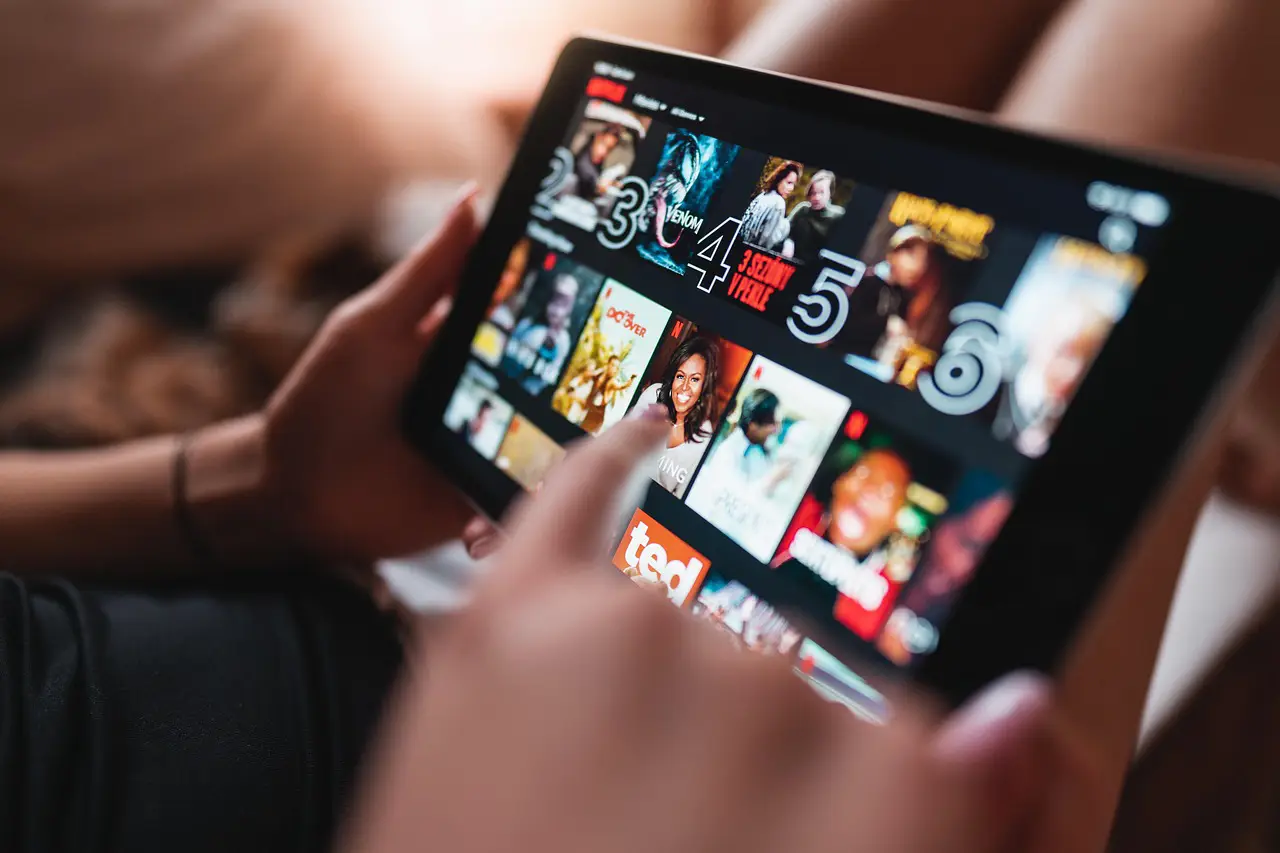
Airlines were among the first travel brands to recognize that customers expected access to content they use at home while flying; yet earlier seatback systems only provided limited options; now Wi-Fi connectivity enables passengers access Netflix, Disney+ and local services while flying. Hotel rooms reflect this approach by featuring smart TVs with casting hubs so guests can easily start watching series without additional login hurdles. Cruise lines, buses and long-haul trains have taken advantage of cloud servers and satellite bandwidth to stream HD videos to remote regions like seas or deserts. Streaming media not only entertains but it can also form positive associations; studies reveal that travelers tend to rate their travel experience more favorably when they can access an uninterrupted show via streaming media. Brands also benefit from collecting viewer data by gaining an insight into how viewers utilize streaming media, opening up opportunities like themed excursions and premium snack bundles tied to specific shows. Since online streaming has become such an essential service, any interruption could spark angry social media posts from those directly affected.
Gamified Loyalty Programs
Earning miles and points was once cumbersome and complicated; thanks to digital entertainment principles loyalty schemes now become engaging! Airlines and hotels often develop mobile applications resembling casual games in appearance and function; with colorful badges, progress bars, and daily challenges that go far beyond simply crediting flight distance. These apps instead reward actions such as sharing trip photos online, reviewing restaurants or inviting friends. Travelers use virtual wheels or untie mysterious boxes before leveling up avatars to unlock airport lounge passes. Psychologically speaking, this concept is straightforward: small doses of dopamine foster repeated engagement while each tap provides valuable behavioral data. Tourism boards have taken full advantage of this trend by organizing city quests where tourists collect digital tokens at key landmarks for later discounts. Fun does not replace fiscal value – points still translate to tangible benefits – it simply keeps their brand at the forefront of consumers’ minds long after purchase has taken place. Many participants report feeling as if these dashboards resemble mobile games with tangible payoffs. Unfortunately for our planet’s sakes, some countries remain home for such activities. To wit: we take them seriously enough.
Virtual Reality Previews and In-Flight Immersion
While virtual reality (VR) used to require cumbersome equipment, modern headsets weigh considerably less, making VR an engaging technology available to travel marketers who offer engaging ‘try before you fly’ experiences with this cutting edge tech. Home travelers can imitate hotel balconies to experience listening to waves below and assess whether their view justifies its cost. Tour operators provide 360-degree jungle trek trails which minimize post-booking regrets or call center complaints. Airlines are expanding virtual reality (VR) technology by providing virtual reality headsets to premium cabin passengers on long flights. By donning these glasses, passengers can use VR to explore museums or concerts or join guided meditations high above. Virtual Reality (VR) may offer more than entertainment; it could help ease flight anxiety by offering visual landscapes to distract from unexpected turbulence. Crew members report calmer cabins and less restless children on overnight flights, and revenue has seen an upswing due to shopping portals which allow users to select souvenirs they see virtually and arrange delivery directly to their next hotel. Furthermore, VR content can now be downloaded offline – providing quick relief from tight seats!
Social Sharing and the Future of Digital Travel Entertainment
Nothing spreads faster than an engaging post shared via social media, which travel companies take full advantage of by adding one-tap sharing buttons at every entertainment touchpoint. After travelers complete virtual reality art tours or collect digital badges, it’s advisable to share their journey using trip hashtags so their friends may view and pose any pertinent queries; book similar experiences; and become potential micro-influencers! Businesses looking ahead to technological disruption have already started testing mixed reality glasses, blockchain-encrypted in-game items and AI chat companions as concierges in order to be ready. Initial pilot studies suggest that as screens get thinner and network connections improve, travel and play may increasingly intersect. Investors who make investments now could set service expectations throughout this decade while loyalty apps might offer five-minute holographic episodes by 2030.