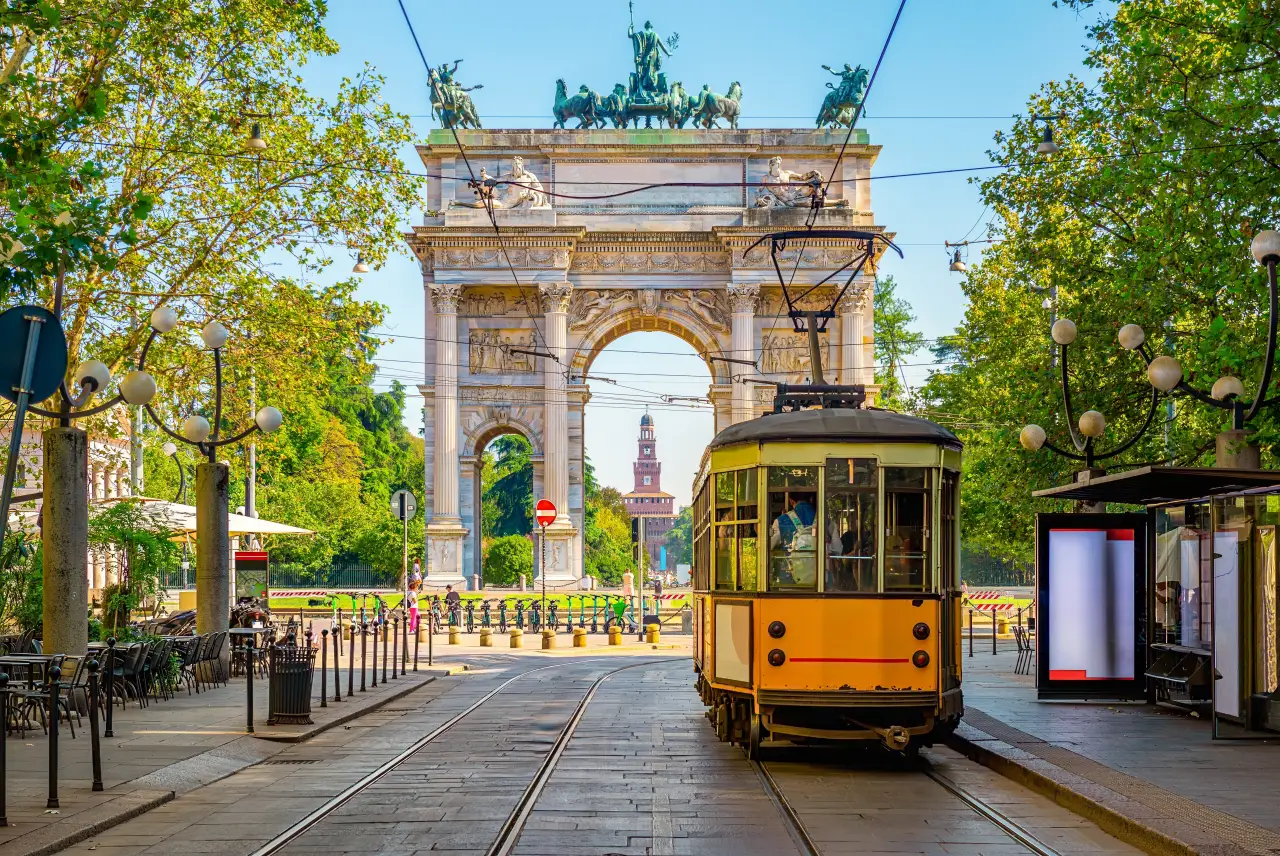
Sustainable travel has moved from a marketing label to a core part of how destinations plan, invest and welcome visitors, with Italy positioning itself as one of Europe’s testing grounds for what responsible tourism looks like in practice.
BIT 2026 and its new Travel Makers Fest place sustainability at the centre of mobility, destination governance, storytelling and innovation, reflecting a wider shift across the travel industry.
The event takes place at Fiera Milano from Tuesday 10 to Thursday 12 February and brings together businesses, communities and policymakers to explore how sustainability can generate long-term value for travellers and host territories alike. Data from ARB SB show that 64% of Italian travellers are willing to pay more for sustainable tourism experiences, while structural challenges — including limited accessibility — remain a major issue.
Sustainability moves from theory to everyday travel
For decades, sustainability sat on the margins of tourism, often confined to eco-labels or niche travel products. Today, it shapes how destinations design transport systems, manage visitor flows, protect heritage and create meaningful experiences. BIT 2026 frames sustainability not as a standalone topic, but as a transversal theme running through every part of the travel value chain.
Central to this approach is the Travel Makers Fest, a new format designed to foster dialogue across the industry. The programme explores storytelling, slow travel, territorial partnerships and mobility as practical tools for building resilient tourism economies. One session, Making Small Things Great: The Power of Narrative in Regenerating Places and Communities, examines how authentic storytelling can bring visibility to smaller or lesser-known destinations and encourage deeper engagement between visitors and local communities.
Italy provides a revealing case study. While demand for sustainable tourism continues to grow, fewer than 10% of Italian accommodation facilities are fully accessible, despite an accessible tourism market estimated at more than €27 billion annually, according to Consumers’ Forum. The gap highlights the challenge of turning good intentions into measurable outcomes that benefit all travellers.
Certification and governance are increasingly seen as tools for accountability. Italy was among the first European countries to adopt ISO 21401 standards for accommodation facilities and continues to strengthen its role in certifications recognised by the Global Sustainable Tourism Council, which sets international criteria for measuring tourism’s environmental, social and economic impacts. These frameworks aim to reduce greenwashing and provide travellers with clearer signals about what sustainability actually means on the ground.

From slow travel to smart technology
Across the country, destinations are testing practical solutions that connect visitor behaviour with environmental and social goals. In 2025, Ravenna launched the Footprints project, inspired by Copenhagen, rewarding travellers for responsible actions such as using soft mobility or joining community activities. The idea is to transform visitors into “temporary citizens”, strengthening the link between personal responsibility and quality of experience.
Managing visitor flows is another priority, especially in mature destinations under pressure from overcrowding. Through the Major Destinations for Sustainable Tourism programme, Naples works to redistribute visitors from the historic centre to surrounding hills and lesser-known districts, helping to relieve congestion while spreading economic benefits more evenly. On islands, where ecosystems are particularly fragile, slow-tourism models are emerging. Capri’s Capri Obliqua project, launched in 2025, promotes cycling routes that reduce environmental pressure while offering new ways to explore the island.
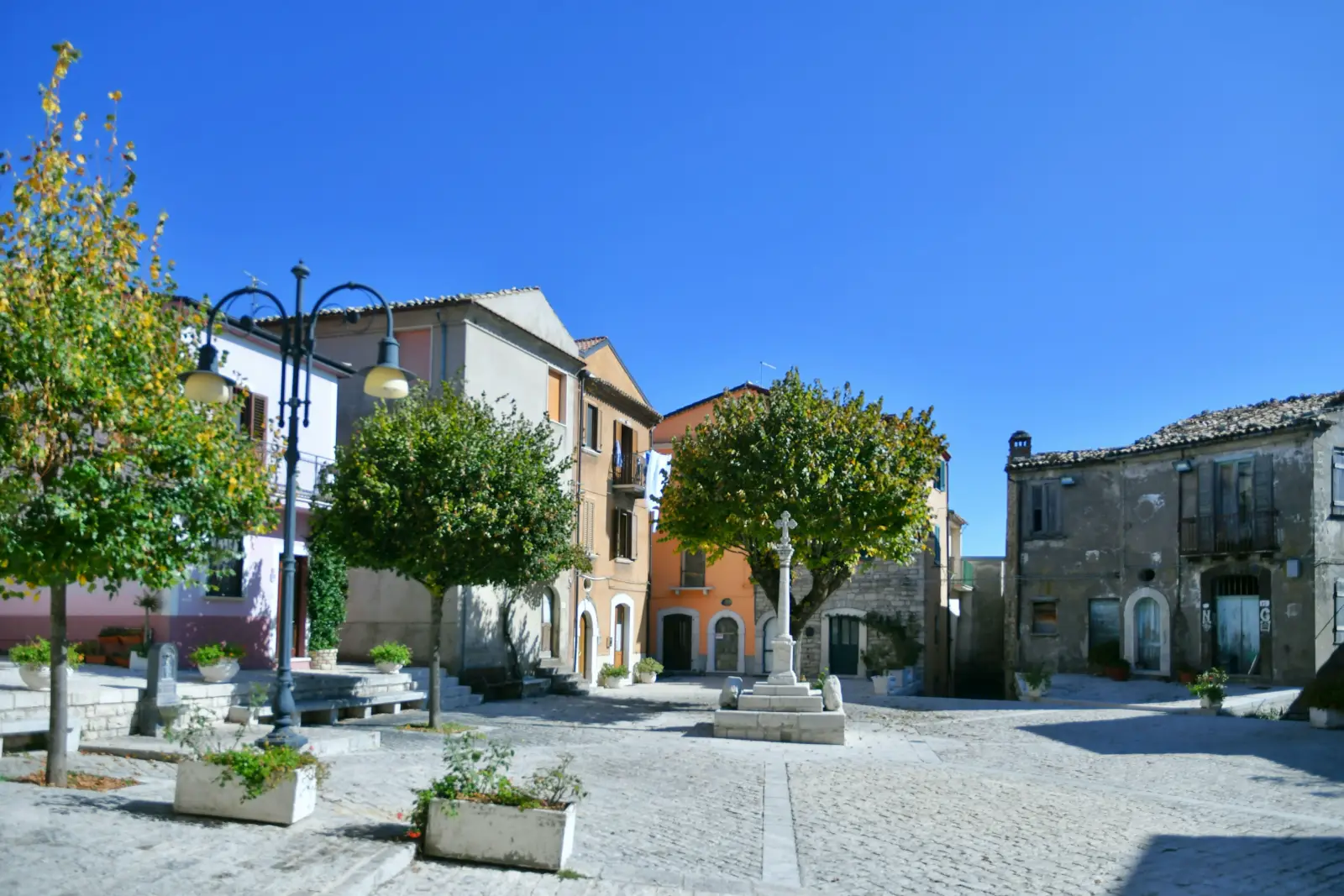
Historic villages are also experimenting with the spread hotel model, converting existing buildings into decentralised accommodation networks rather than constructing new developments. The approach preserves architectural heritage, supports local economies and limits land consumption — an increasingly important consideration as climate pressures intensify.
Technology is playing a growing role in conservation and visitor education. At the Frasassi Caves, digital storytelling tools and access management systems help protect delicate natural heritage while enhancing the visitor experience. Events such as the IT.A.CÀ Festival, which travels to cities including Turin in 2025, use workshops, itineraries and community-led activities to promote responsible travel and deeper cultural understanding.
Sustainability also extends beyond environmental concerns into social inclusion and cultural access. In Mestre, the Parco delle Sculture Banca Ifis combines urban regeneration with accessibility and inclusion, offering art experiences supported by tools such as Braille. Projects like this demonstrate how tourism can broaden participation while strengthening local identity.
European policymakers continue to warn that vague environmental claims undermine consumer trust. According to the European Commission, more than half of sustainability claims remain generic or difficult to verify, reinforcing the need for measurable standards and transparent reporting. Italy’s growing focus on certification, behavioural incentives and data-driven management reflects a broader effort to close the gap between promise and performance.
As travel demand rebounds globally, sustainability is no longer framed as an optional upgrade or ethical extra. It has become a foundational infrastructure that shapes how destinations compete, protect resources and deliver value. BIT 2026 offers industry professionals a space to exchange ideas, test models and explore how responsible tourism can remain both viable and desirable over the long term. BIT 2026 and the Travel Makers Fest will take place at Fiera Milano from Tuesday, 10 to Thursday, 12 February.
Top Photo Credit: givaga / Shutterstock.com