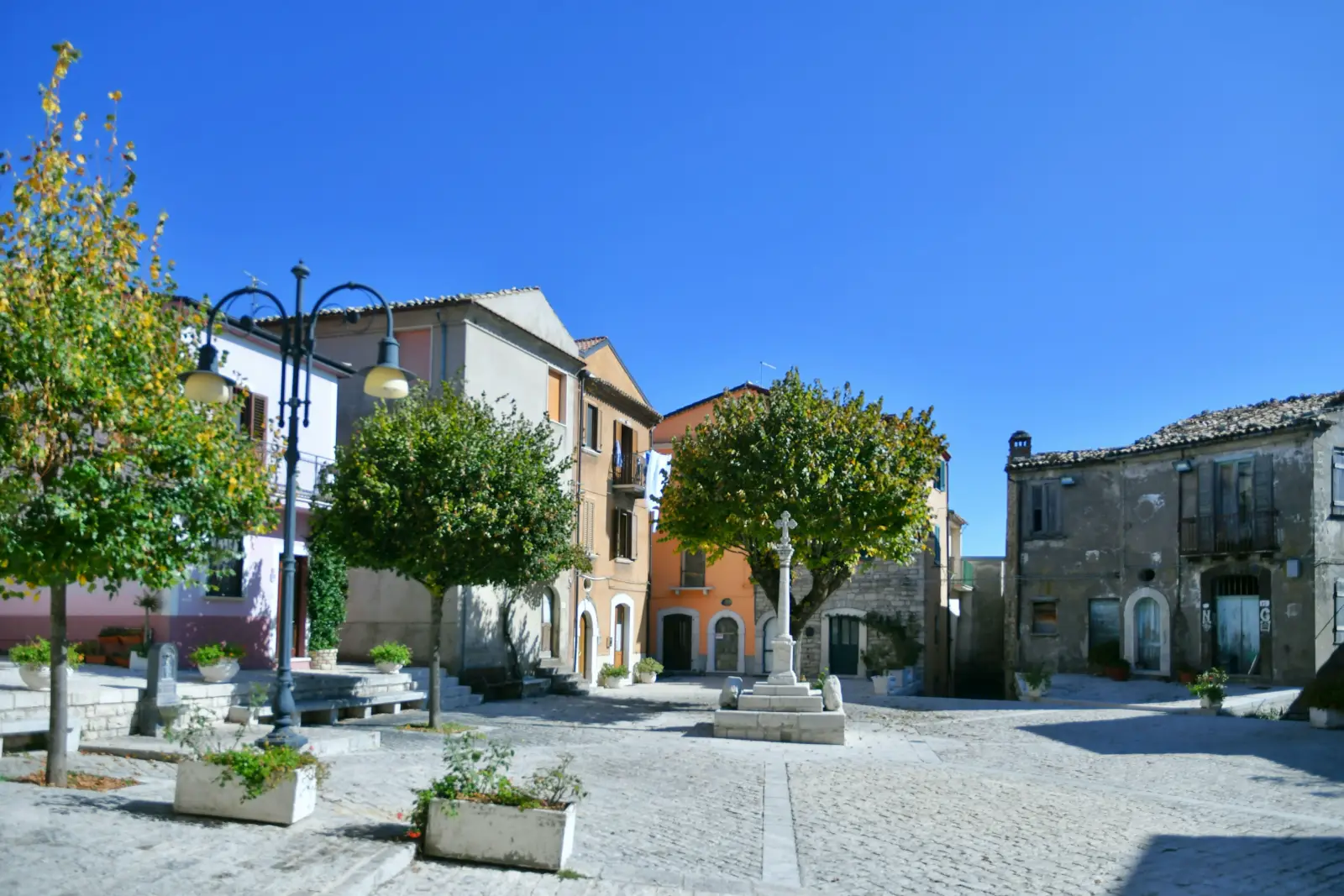
The Pontine section of Italy’s Appian Way opens to international visitors with three coordinated tourism routes designed to showcase archaeology, cycling, and regional food and wine. The initiative, launched by the Province of Latina through the Appia Regina Viarum – Provincia di Latina project, brings together 13 municipalities to create a unified tourism offering across one of the country’s most historic corridors.
The project promotes shared planning between local authorities and highlights the Pontine region’s cultural and landscape heritage just south of Rome. Officials say the effort strengthens regional identity and supports sustainable development by linking ancient sites, cycling paths, and traditional food producers along the route. The initiative forms part of the broader strategy tied to UNESCO’s inscription of the Via Appia as a World Heritage Site.
Integrated Tourism Plan Across 13 Municipalities
The Province of Latina coordinates the project under the leadership of President Gerardo Stefanelli. The administration works with 13 municipalities to develop an integrated model promoting archaeological assets, rural culture, and the area’s natural features. The plan establishes three thematic itineraries—Archaeology, Cycling Tourism, and Food and Wine—intended to connect the region’s historic and contemporary attractions within a single visitor framework.
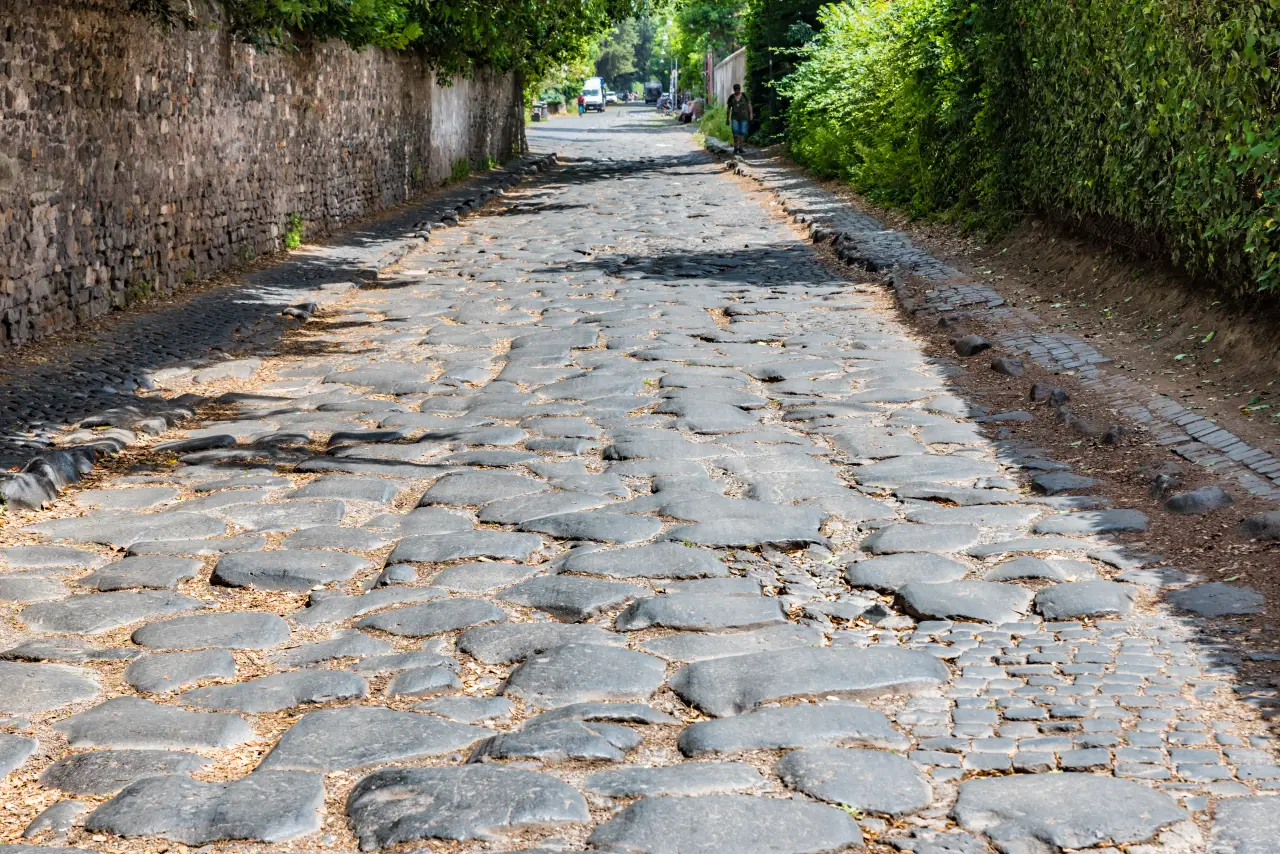
The Archaeology itinerary highlights temples, theaters, mausoleums, and ancient settlements from Norba to Minturnae. Designed for visitors seeking historical depth, the route includes landscapes overlooking the sea and hilltop villages that have preserved elements of the ancient Regina Viarum. Officials describe the area as an open-air museum featuring well-preserved stretches of the original Appian Way.
The Cycling Tourism itinerary offers a long-distance route from Rome through the Pontine Plain and into the Aurunci Mountains before reaching the coast. Cyclists travel through municipalities including Cisterna di Latina, Norma, Sermoneta, Sezze, Pontinia, Terracina, Monte San Biagio, Fondi, Itri, Gaeta, Formia, and Minturno. The route highlights varied terrain, combining rural scenery, archaeological remains, and sea views.
Food and Wine Path Showcases Local Traditions
The Food and Wine itinerary, named Sapore di Appia (Flavour of Appia), guides travelers through agricultural landscapes, rural traditions, and regional specialties. The trail includes the Lepini hills, coastal plains, and historic villages known for long-standing culinary practices. Stops feature PGI and PDO products, small farms, and food producers offering tastings and visitor experiences.
Municipalities along the route emphasize different culinary strengths. Norma offers Lepini Mountains hazelnuts, nougat, and hazelnut tarts. Latina presents Pontine honey and local fruit and vegetables, while Cisterna di Latina is known for its Latina kiwi PGI. Sermoneta highlights Colline Pontine PDO extra virgin olive oil and traditional baked goods, and Sezze promotes its Roman artichoke and wines reflecting the rural history of the area.
Pontinia showcases Pontine buffalo mozzarella with dairy farms open for tours and tastings. Terracina features Moscato di Terracina CDO alongside seafood and regional recipes. Monte San Biagio is recognized for its Monte San Biagio PAT sausage seasoned with coriander and chili pepper. Fondi offers Itri olives, native wines, and vegetables used in local dishes, while Itri itself is known for Colline Pontine DOP olive oil and the Gaeta black olive.
Gaeta highlights its tiella, canned bluefish, and salted anchovies, and Formia offers similar coastal specialties. Minturno completes the itinerary with wines, cheeses, and cured meats tied to its rural heritage. Officials position the route as a journey through the region’s agricultural identity, linking local products with the history of the Appian Way.
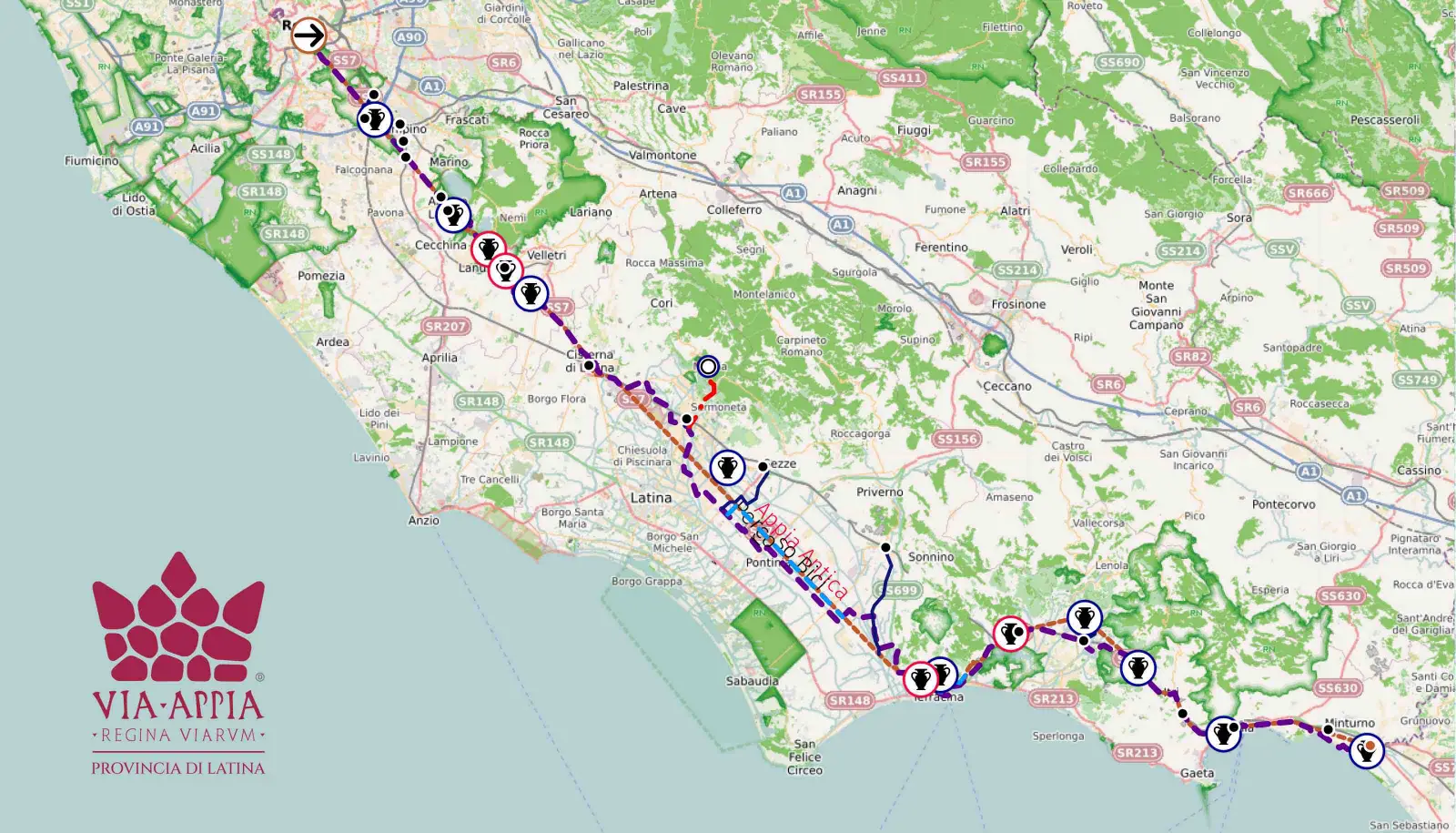
Visitors can access detailed information, itineraries, and booking contacts through the official tourism page. The Province of Latina also directs travelers to its institutional site, noting that the Appian Way’s 900 km of roads, engineering works, and archaeological remains represent a critical cultural and natural heritage route across Italy.
The province notes its participation in the national dossier for UNESCO recognition and its commitment to promoting the Pontine segment of the Appian Way from Cisterna to Minturno. Officials emphasize that the UNESCO designation reinforces the need for coordinated regional action to protect, enhance, and interpret the historic corridor. The tourism initiative aims to balance conservation with broader access, offering travelers structured ways to explore ancient infrastructure and rural landscapes.
Project leaders describe the Pontine Appian Way as a strategic axis for sustainable development and territorial cohesion. By integrating archaeological sites, cycling infrastructure, and food traditions, the plan seeks to create an accessible and diversified tourism model capable of drawing visitors from around the world. The combined routes present the region as a unified destination encouraging slow travel, heritage exploration, and local engagement.
Top Photo Credit: Takashi Images / Shutterstock.com