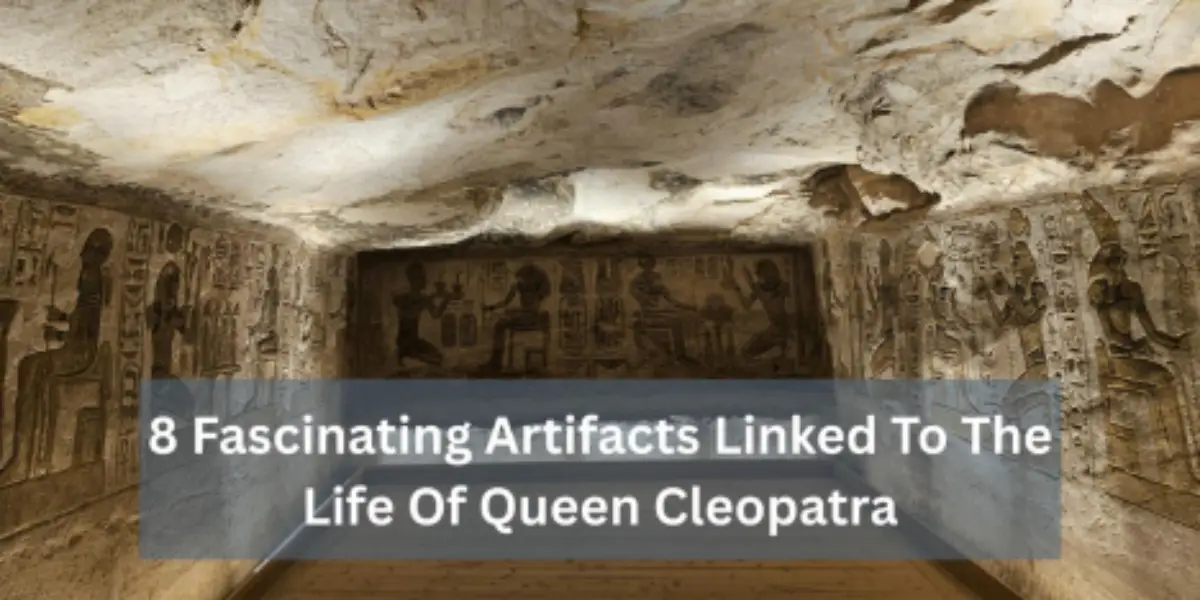
Cleopatra is one of the most familiar figures of ancient times, and her life continues to attract people who want to study the last period of ancient Egypt. She ruled when political pressure was in the air, alliances were forming, and cultural change was underway, which is why the remaining traces of her world become all the more significant.
Nowadays, tourists can learn about her life through objects in museums, temples, ancient ports, and archeological excavations that reveal the world she lived in. These works help individuals imagine the epoch that shaped her reign and her heritage.
Even though not all the objects were directly related to her, some artifacts are closely tied to the time she ruled and offer insight into her reign. Together, they form a more complete picture of a queen who combined diplomacy, intellect, and strength. They enable contemporary visitors to follow her life using locations and items that still carry her story.
This article lists eight fascinating artifacts linked to the life of Queen Cleopatra.
1. Figures Representing Cleopatra, Queen of Egypt
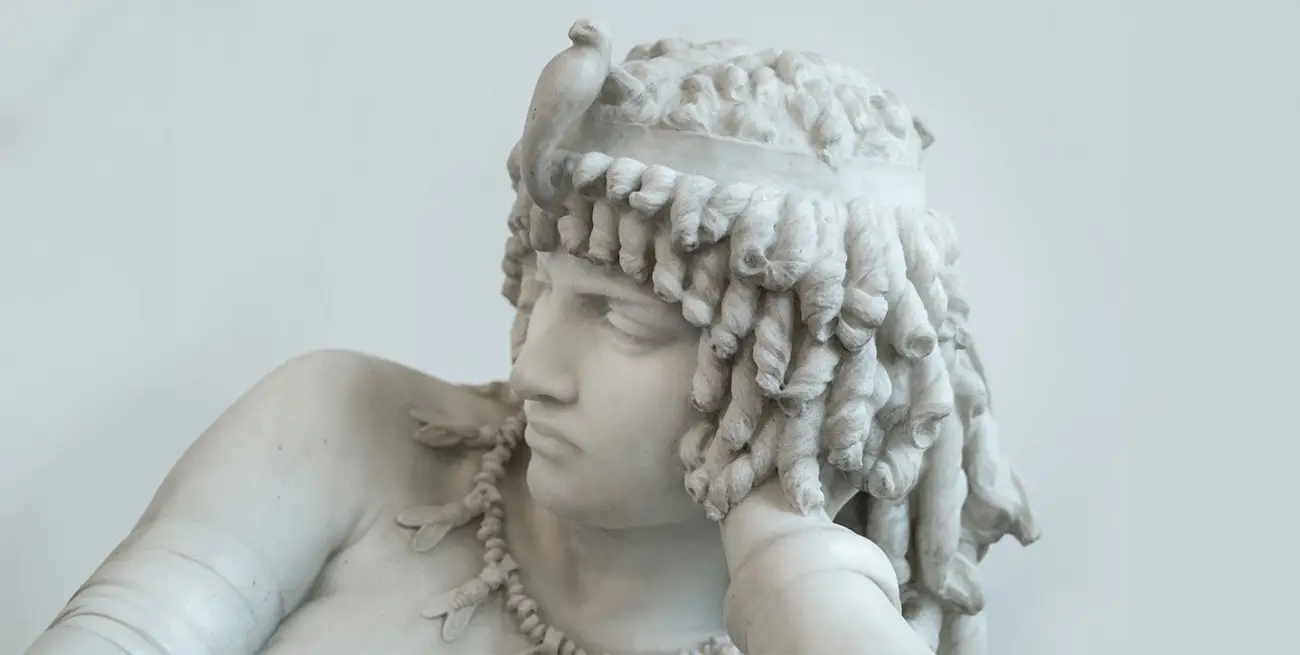
Sculptures are among the most identifiable representations of Queen Cleopatra of Egypt. Many of these statues blend Egyptian and Greek influences, reflecting her status as a ruler who adhered to tradition while also shaping her reign within a broader cultural context.
Other statues depict her wearing the royal crown or traditional headwear worn by the pharaohs as a sign of power and continuity. These sculptures are frequently exhibited in museums and archeological locations as examples of the art that characterized her time.
Although the very identity of a certain statue can be a controversial topic, the style and symbols of the works allow the visitors to get an idea of how the rulers of her era were depicted. They also provide insight into the role art played in establishing authority and the relationship between the monarchy and its subjects.
2. Coins Bearing Her Likeness
The old coins remain among the most significant evidence of Cleopatra’s political leadership. These coins usually depict her and emphasize the characteristics that symbolize her power and authority.
Moreover, they are also indicative of her relation to big political decisions since rulers usually used coins to convey their identity throughout their domains. The coins of her image give us an idea of how she wanted her rule to be perceived.
They also help historians understand the extent to which her influence extended through trade networks. Being a practical reference to the economic and political atmosphere of her era, these coins provide a valuable source of information for modern travelers visiting museums or archaeological collections.
3. Jewelry Connected to Her Era
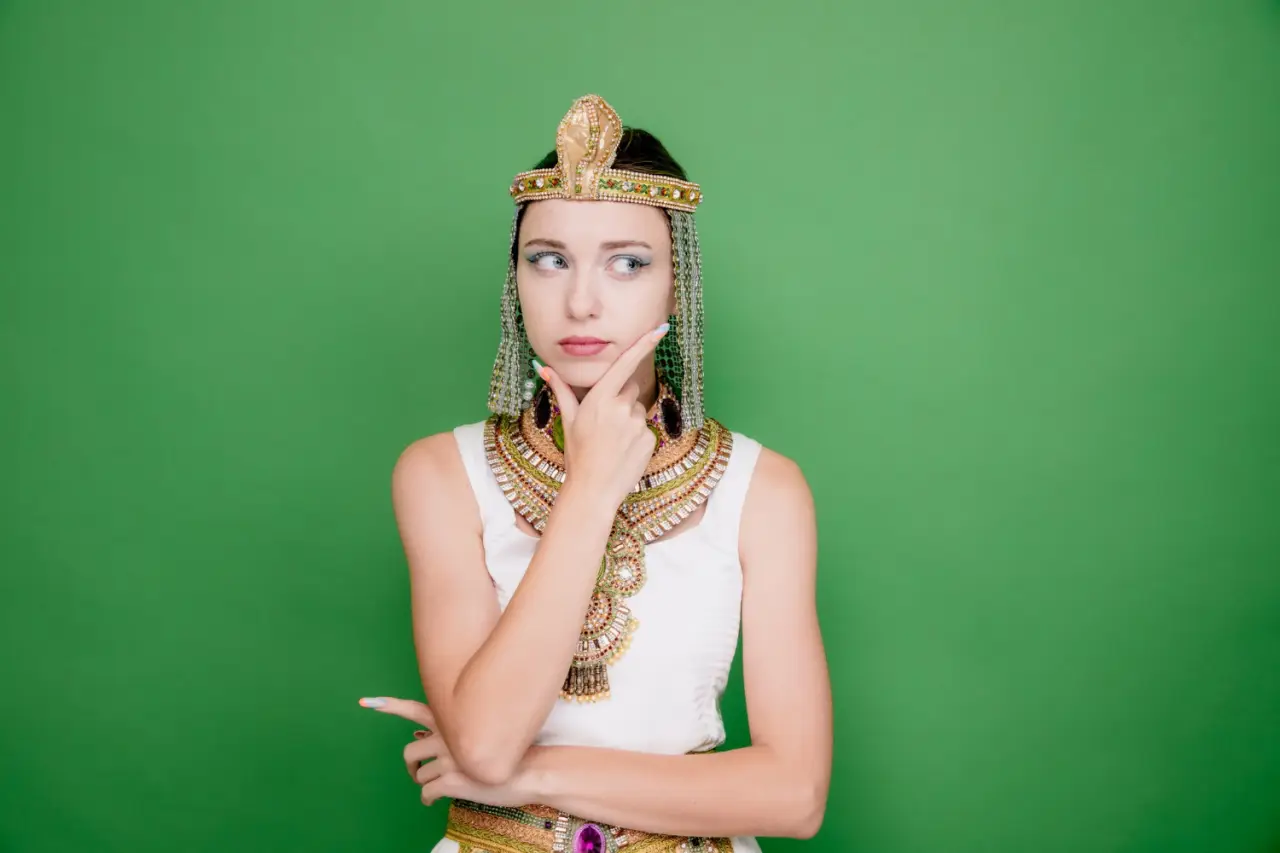
The jewelry of the Cleopatra era bears signs of authority, security, and religion. Motifs such as serpents, lotus flowers, and protective deities are featured on pieces that indicate the artistic style of the late Ptolemaic period.
Although certain objects cannot always be identified as hers, they still indicate the kind of decor that was employed in royal circles. These items allow the visitors to learn how jewelry was not only decorative but also had a religious and social role.
Most of the exhibitions show jewelry of her century to provide people with an estimate of the fine artisanship that was in use during her reign. These artifacts help reconstruct the mood of her court and the values that influenced the everyday lives of the elite.
4. Inscriptions from Temples She Restored
Cleopatra also funded the refurbishment of significant temples, which contributed to the preservation of old religious beliefs. Written records of these locations have shown her involvement in keeping the bond between the state and the deities.
Travelers visiting temples on the Nile often encounter carvings that document her presence during ceremonies or construction.
These inscriptions show that she was committed to defending Egypt’s cultural identity during the period of political instability. They also demonstrate the way in which rulers employed architecture and religion to achieve a unifying effect among their subjects.
5. Archaeological Artifacts of Alexandria

The capital of Cleopatra was Alexandria, a centre of learning, trade, and diplomacy. The artifacts of her world, such as statues, columns, and common objects of the royal district, have been discovered over the years in underwater finds around the ancient port.
These discoveries give us insight into the world where she interacted, including scholars, advisors, and foreign envoys. Though a significant part of the royal quarter is under the sea, research continues to bring to light the significant remains.
6. Reliefs Painted with Ritual Scenes
Relief carvings in her time often depicted rulers performing traditional rituals that indicated their connection to the gods. These pictures can help us understand how leaders secured their legitimacy and enacted their role as defenders of the land.
The reliefs associated with her reign often combine symbols that had been in use throughout Egypt’s long history and demonstrate how she supported the traditions that defined her kingdom’s identity.
7. Papyrus Texts from Her Time
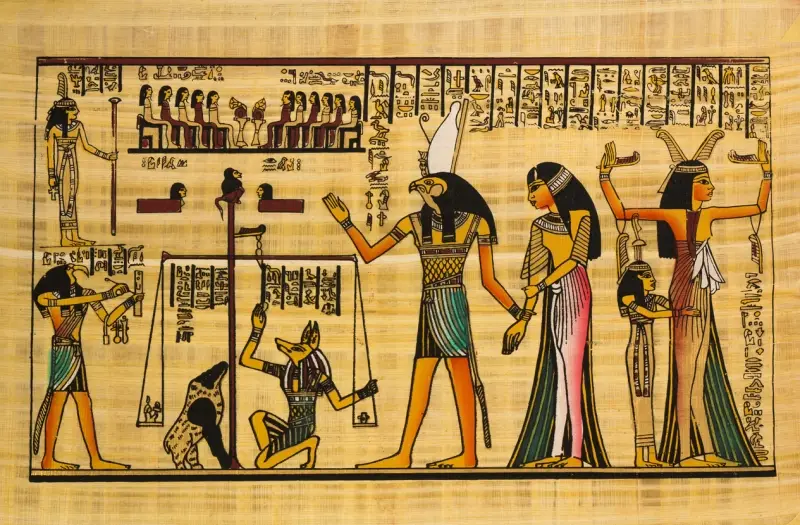
Despite the fact that papyrus fragments seldom mention Cleopatra, numerous writings from the century she ruled provide insight into the society she led.
The order of everyday life in the late Ptolemaic period can be seen in documents like contracts, letters, or administrative records. These writings help historians understand the economy, legal frameworks, and social dynamics that influenced her reign.
8. Mummified Remains of the Late Ptolemaic Period
Although the final resting place of Cleopatra has not been found, the mummified remains of her time still help researchers understand the beliefs and practices that influenced royal and noble burial rituals.
These remnants give an insight into the materials, methods, and symbols at her age. The exhibitions featuring mummies from her time enable visitors to understand how people perceived the afterlife and what rituals guided them. These were significant aspects of the culture that she strived to preserve during her reign.
Final Thoughts
The artifacts, which are connected to the life of Cleopatra, frame a vivid picture of the world that she formed. Every item, whether a statue, inscription, or jewelry, embodies her culture, traditions, and struggles. They are used together to make visitors understand how she managed to balance heritage with leadership in a politically tense era.
Although much of her life remains unknown, the artifacts from her era still carry her image. They enable individuals to delve deeper into her narrative and understand why she remains a figure of enduring interest.