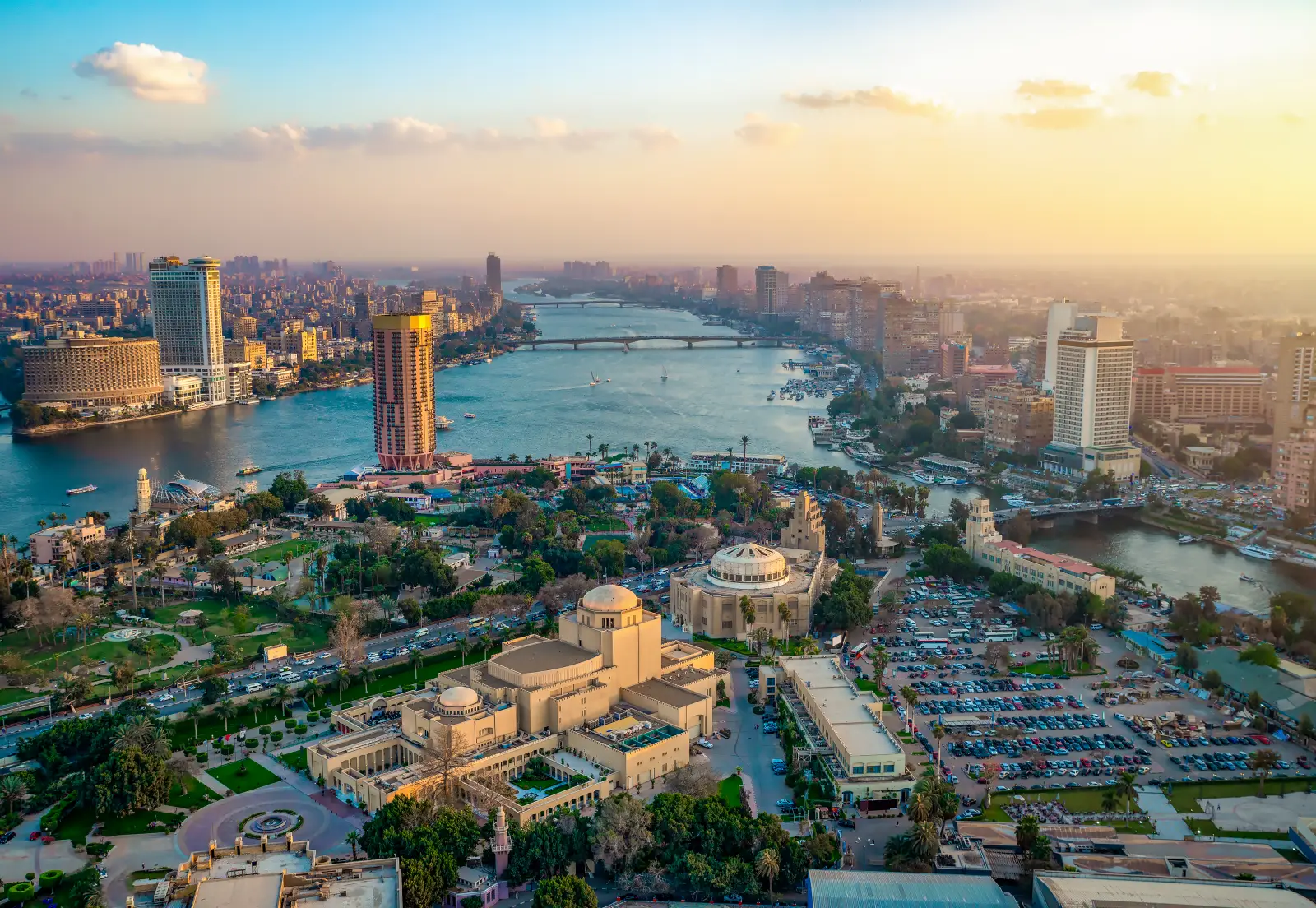
Egypt has introduced new nationwide measures aimed at reducing energy consumption, including higher visa fees and earlier closing times for businesses, as the country navigates an ongoing energy crisis ahead of the Easter travel period.
From March 2026, the visa on arrival fee increases to $30 from $25, while restaurants, cafés and shops are required to close at 9 pm, with extended hours until 10 pm on Thursdays and Fridays.
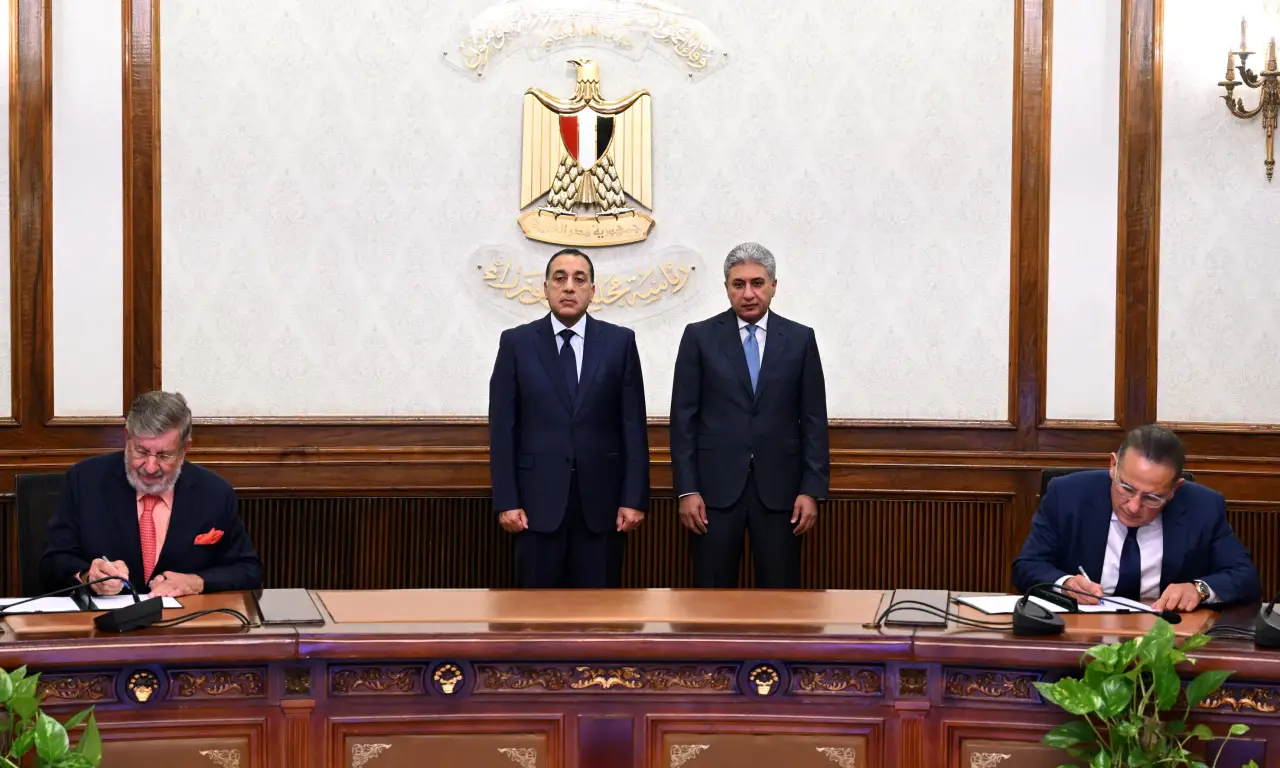
However, in a clarification issued on 26 March, Egypt’s Minister of Tourism and Antiquities, Sherif Fathy, said the restrictions will not affect tourists or their overall experience.
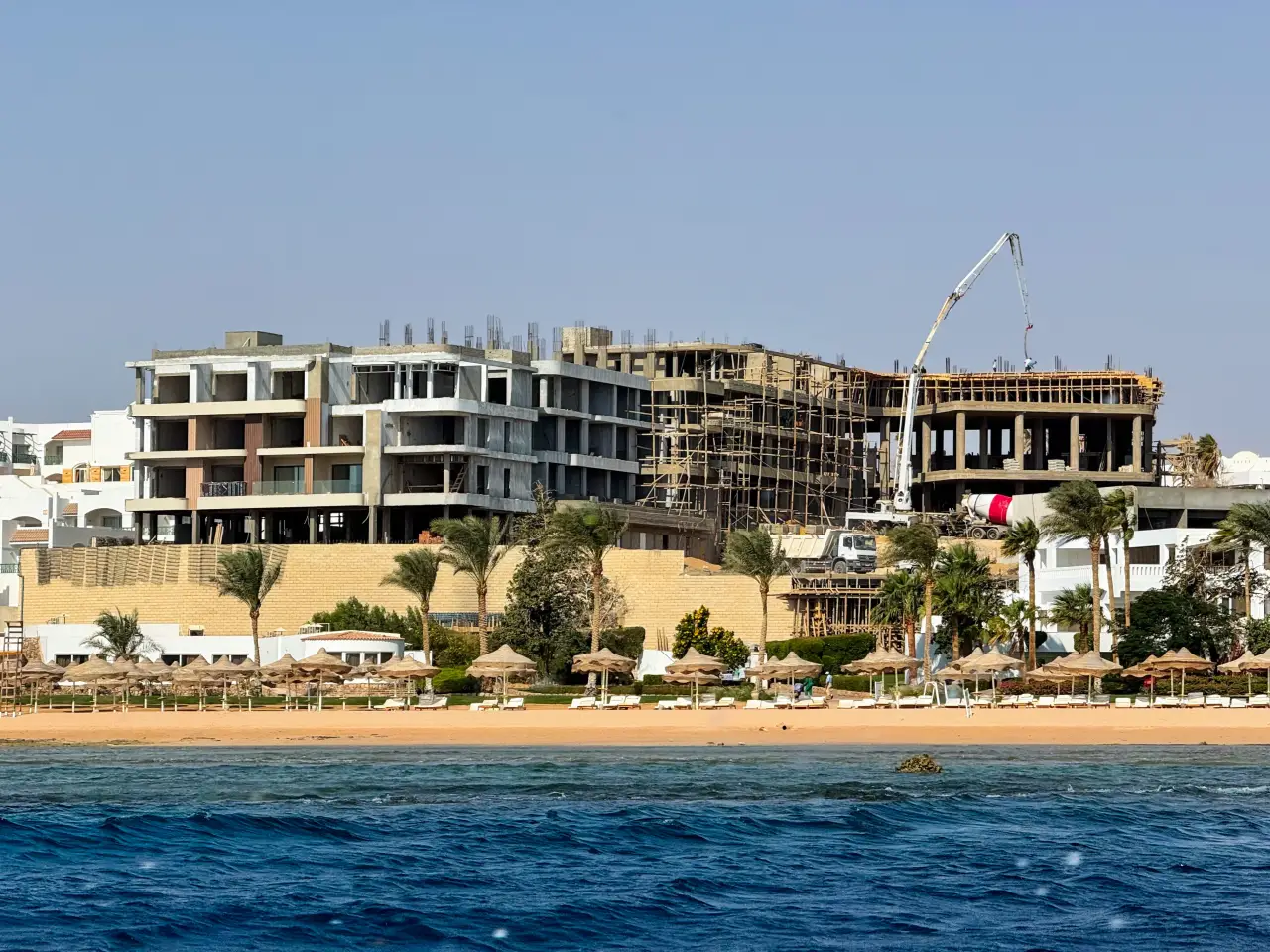
According to the statement, key tourist destinations including Hurghada, Sharm el-Sheikh, Marsa Alam, Luxor and Aswan are exempt from the early closing rules. Tourist restaurants across all destinations, including Cairo, will also continue operating normally, ensuring services remain uninterrupted.
The measures, set to take effect on 28 March for an initial period of one month, are described as temporary and subject to ongoing review.
Authorities say the policy is part of broader efforts to manage electricity demand as rising energy prices and reduced gas supplies put pressure on the national grid.
Travellers entering Egypt can still opt for an electronic visa, which remains priced at $25 and must be obtained online before departure. The e-visa can also help reduce waiting times at airports, offering a practical alternative for visitors seeking to avoid higher on-arrival costs.
While earlier reports suggested the restrictions could significantly alter daily routines for visitors, the latest clarification indicates that the impact will be limited mainly to non-tourist areas and local businesses outside designated destinations.
Hotels were already exempt from the measures, and most resort facilities are expected to continue operating as usual, including dining and entertainment services.
Officials have described the situation as an “extraordinary crisis” linked to global energy pressures. In addition to regulating business hours, authorities are reducing street and advertising lighting and expanding remote working arrangements in parts of the public sector.
Reports of occasional evening power cuts remain, although most hotels in major tourist areas are equipped with backup generators, helping to minimise disruption for visitors.
Tourism remains a key pillar of Egypt’s economy, and the government has moved to reassure international travellers that service standards and safety will be maintained.
Security conditions continue to vary by region. Popular tourist destinations such as Cairo, Luxor and Red Sea resorts are considered comparatively safe, while some areas, including parts of the Sinai Peninsula and border regions, remain subject to travel advisories issued by foreign governments.
The latest statement marks a shift in messaging, emphasising that the energy-saving measures are regulatory and short-term, rather than a direct constraint on the tourism sector.
For now, travellers are still advised to check local arrangements and plan ahead, but disruptions to holiday experiences are expected to be limited.
Photo Credit: givaga / Shutterstock.com