Few travel pleasures feel as universal as relaxing with a cold drink after a long day exploring temples, street markets, or calm beaches. But that easy toast is about to come with new timing rules: Thailand has updated parts of its alcohol framework, changing when, where, and how visitors can order a drink on holiday.
Authorities have confirmed amendments to alcohol control measures scheduled to take effect in November 2025, alongside nationwide guidance on sales and consumption hours. According to official notices and guidance from the Tourism Authority of Thailand, the core aim is to balance public health with the needs of a tourism economy that thrives on dining, nightlife, and resort culture.
In practical terms, most travelers will notice timing and venue rules more than anything else. Retail outlets are generally limited to selling alcohol between late morning and early afternoon, and again from early evening to midnight, while restaurants and licensed venues may serve within their permitted hours. Hotels and international airports typically have wider flexibility so they can serve guests in transit or at registered on-site outlets. As one government order puts it, “sales are permitted between 11:00–14:00 and 17:00–24:00,” with enforcement handled locally and exemptions set out in sector rules.
Additional changes will tighten responsibilities for sellers and clarify penalties for consumers. Licensed venues must verify age (the legal drinking age remains 20) and refuse service to clearly intoxicated patrons. In some circumstances, individuals who drink outside legal hours on licensed premises may face fines, a shift from older practice that focused penalties mainly on operators. The updates also preserve familiar restrictions around religious holidays, election days, and sensitive locations such as government buildings, schools, and temples.

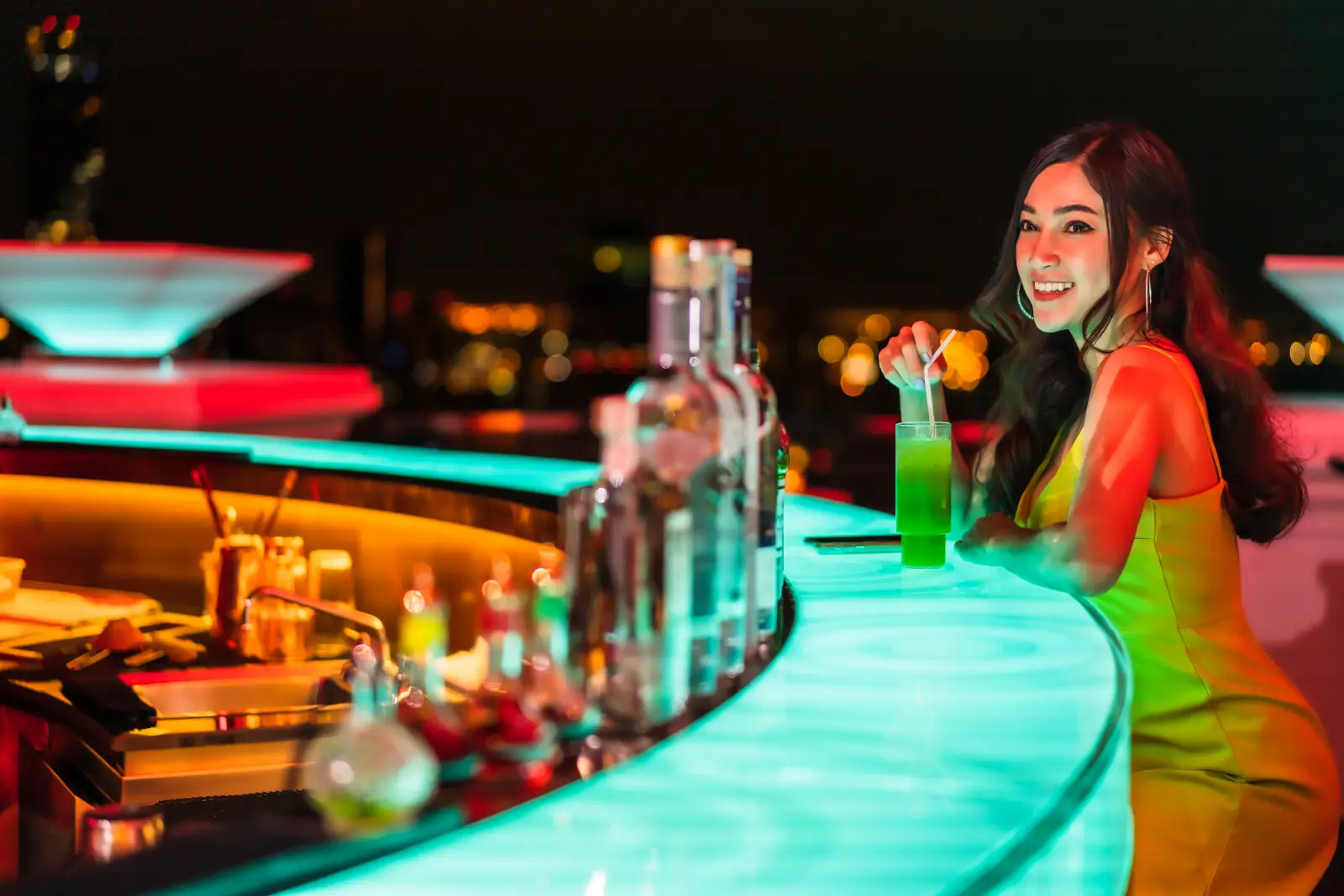
For travelers, the takeaway is simple: plan your evenings. A late lunch cocktail at a beachfront restaurant may be fine when the venue is licensed to serve, but convenience stores and supermarkets can still observe mid-afternoon pauses. Beach towns and nightlife hubs may feel different from one another, too, as local authorities interpret national rules and apply closing times to bars and clubs. Bangkok’s rooftop bars, Chiang Mai’s cafes, and the islands’ sunset beach shacks each follow the law, but the rhythm of service can vary by district and license.
Tourism officials frame the approach as a compromise designed to safeguard visitors while keeping experiences open. “Visitors are advised to check venue hours and follow local regulations,” guidance for travelers notes, adding that hotels can provide the most up-to-date information at check-in. Industry groups expect restaurants to benefit from clearer afternoon service rules, while nightlife operators say consistent closing times will require some adjustment during peak season.
The changes arrive alongside a broader shift in Thailand’s drinks landscape. Recent reforms have encouraged community producers and small distillers, and travelers may encounter more locally made spirits and craft beverages on menus. From northern rice spirits to island-born rums, tasting a regional pour has become another way to connect with place—just be sure to order it within legal serving hours.
As always, context matters. Alcohol is still restricted on major Buddhist holidays, and signage in convenience stores or hotel bars may flag temporary bans or shorter hours. Rail stations and trains are off-limits for drinking. Local rules can evolve, and the safest bet is to ask staff before you order if you’re unsure about timing.
For now, the best strategy is to lean into Thailand’s day-to-night rhythm: early market breakfasts, lazy poolside afternoons, and sundowners that slip neatly within permitted windows. The new framework may change the clock, but it doesn’t change the country’s gift for hospitality—or the magic of a golden-hour view over sea and city.
Traveler resources: For official updates and visitor guidance, see the Tourism Authority of Thailand and recent government notices published in the Royal Gazette and by the Ministry of Public Health.
Top Photo Credit: BaLL LunLa / Shutterstock.com