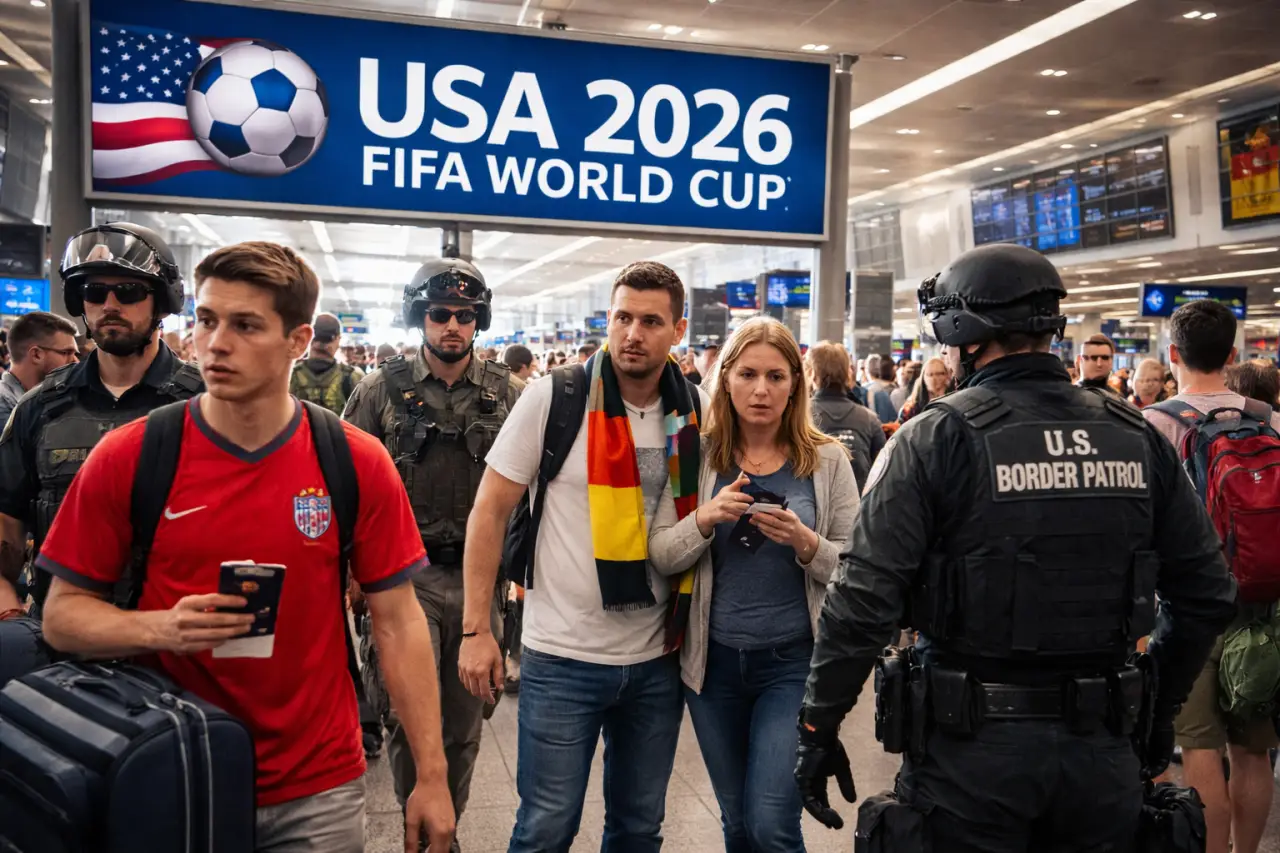
The United States has suspended controversial visa bond requirements for confirmed FIFA World Cup ticket holders from several qualifying nations, easing travel barriers ahead of the 2026 tournament co-hosted by the U.S., Canada and Mexico.
The decision applies to supporters from Algeria, Cape Verde, Ivory Coast, Senegal and Tunisia, countries previously affected by a U.S. policy requiring some visitors to pay bonds of up to $15,000 to secure tourist visas.
The waiver only applies to fans who purchased official World Cup tickets and registered through FIFA PASS, a fast-track visa appointment system introduced by the U.S. government and FIFA to help manage the expected surge in international visitors.
The U.S. State Department confirmed that qualifying team members and staff are also exempt from the bond requirement.
The move was welcomed by the U.S. Travel Association, which said the policy would help strengthen the country’s image ahead of one of the world’s biggest sporting events.
“We welcome the administration’s decision to waive visa bond requirements for confirmed World Cup ticket holders,” said Geoff Freeman, President and CEO of the U.S. Travel Association.
“The World Cup is a once-in-a-generation opportunity to showcase America at its best and strengthen our position as the world’s most sought-after travel destination.”
The bond system was introduced in 2025 as part of broader immigration measures aimed at reducing visa overstays. Under the policy, travelers from selected countries with high overstay rates or security concerns could be asked to provide deposits ranging from $5,000 to $15,000 before receiving a B-1/B-2 tourist visa.
Fifty countries currently fall under the bond program, but only five qualified for the 2026 FIFA World Cup.
The exemption is seen as a significant concession by the Trump administration, which has otherwise maintained strict immigration and border policies ahead of the tournament.
The White House has also established a World Cup Task Force and expanded consular staffing worldwide to speed up visa processing for football fans traveling to the United States.
Last year, the administration launched the FIFA Priority Appointment Scheduling System, known as FIFA PASS, allowing ticket holders to access faster visa interview appointments at U.S. consulates.
Secretary of State Marco Rubio previously said that holding a match ticket would not automatically guarantee entry into the United States, stressing that all travelers would still undergo standard visa vetting procedures.
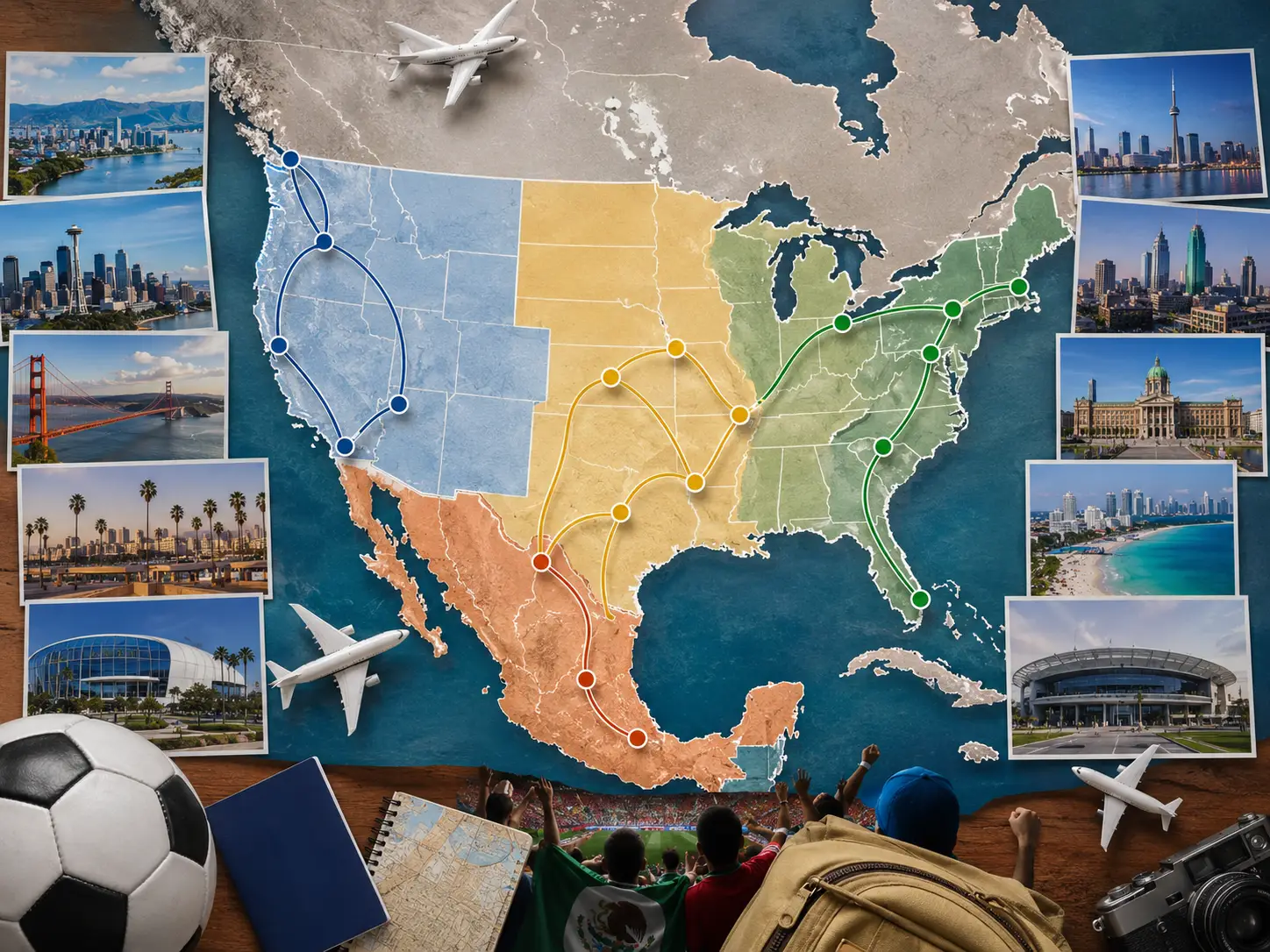
The 2026 FIFA World Cup is expected to become the largest in the tournament’s history, featuring 48 national teams and 104 matches across North America.
The United States will host the majority of matches in 11 cities, including New York, Los Angeles, Miami, Dallas, Atlanta and Seattle.
FIFA estimates millions of international supporters will travel to North America during the competition, generating billions of dollars in tourism spending for host cities, airlines, hotels and local businesses.
However, concerns have persisted over whether stricter U.S. immigration policies could discourage some travelers from attending.
Human Rights Watch and other advocacy groups have previously called on U.S. authorities to limit immigration enforcement operations around World Cup venues and fan zones to avoid intimidating visitors.
Tourism industry groups have also warned that long visa wait times and stricter entry policies could reduce international demand during the tournament.
The latest visa waiver is therefore being viewed by many travel and tourism leaders as an important signal that the U.S. wants to facilitate smoother travel for international football supporters.
The FIFA World Cup begins on June 11, 2026, with matches taking place across the United States, Canada and Mexico through July.