Barcelona is introducing some of Europe’s toughest anti-overtourism measures as the Catalan capital attempts to regain control of its housing market, public spaces and local identity after years of record visitor growth.
The city welcomed around 26 million visitors in 2025, according to local officials, far exceeding the city’s population of roughly 1.7 million residents in the wider metropolitan area. The surge has intensified complaints over rising rents, overcrowding and the transformation of neighbourhoods into tourist zones.
Now city leaders say the era of unlimited tourism growth is over.
“We’ve reached the end of the road,” said José Antonio Donaire, Barcelona’s first commissioner for sustainable tourism. “We don’t want more tourists, not even one more, but we need to manage those we already have.”
The policy shift marks one of the clearest examples yet of a major European tourism destination actively trying to reduce the impact of mass tourism rather than continue expanding visitor numbers.
Barcelona to Remove Tourist Apartments
The centrepiece of the plan is the decision to revoke licences for all 10,000 legal tourist apartments in Barcelona by November 2028.
City officials say the move is aimed at returning properties to the long-term housing market and easing pressure on residents struggling with soaring rental prices. Barcelona’s mayor Jaume Collboni first announced the plan in 2024, arguing that uncontrolled growth in short-term rentals had worsened the city’s housing crisis.
Authorities say housing prices in Barcelona have risen sharply over the past decade, while wages have failed to keep pace. Officials believe tourist apartments have encouraged speculation and reduced the supply of homes available to local residents.
Barcelona already introduced a moratorium on new hotels in the city centre in 2017, but officials say the rapid expansion of short-term rentals through platforms such as Airbnb weakened those efforts. Since 2016, the city has issued thousands of fines against illegal tourist flats and shut down many unlicensed properties.
The city government says landlords will be encouraged through incentives to convert tourist apartments into permanent residential housing.
La Boqueria Market Set for Major Changes
Another high-profile target is La Boqueria, Barcelona’s famous market located off La Rambla.
Once regarded as one of Europe’s leading fresh food markets, La Boqueria has increasingly become associated with takeaway snacks, social media tourism and overcrowded aisles filled with visitors rather than local shoppers.
Donaire said the city wants the market to return to its traditional role serving residents and food professionals. Under proposed rules, stalls selling packaged snacks and ready-to-eat tourist products could disappear if approved by traders.
“Within a year you’ll see the new Boqueria,” Donaire said.
The overhaul is part of a wider attempt to restore everyday neighbourhood life in heavily visited parts of the city.
Shift Away From Party Tourism
Barcelona also plans to reshape the type of visitors it attracts.
Officials said the city wants less dependence on leisure and nightlife tourism while increasing the share of business travellers, conference visitors and cultural tourism.
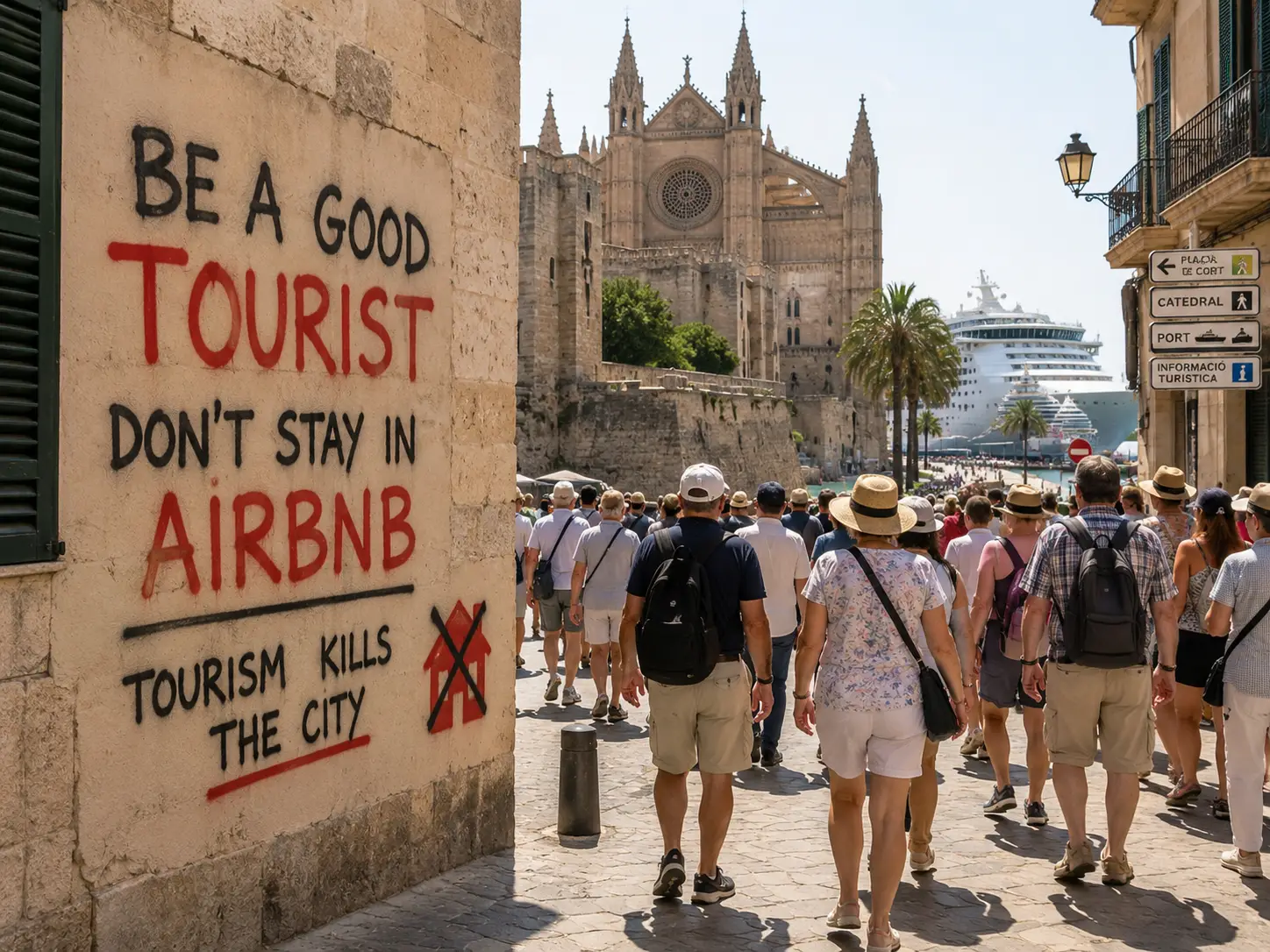
The city has long benefited economically from tourism, with visitors supporting hotels, restaurants, cruise operations and retail businesses. However, anti-tourism protests have become increasingly visible in recent years as residents complain that overcrowding has changed the character of neighbourhoods and pushed locals out of central districts.
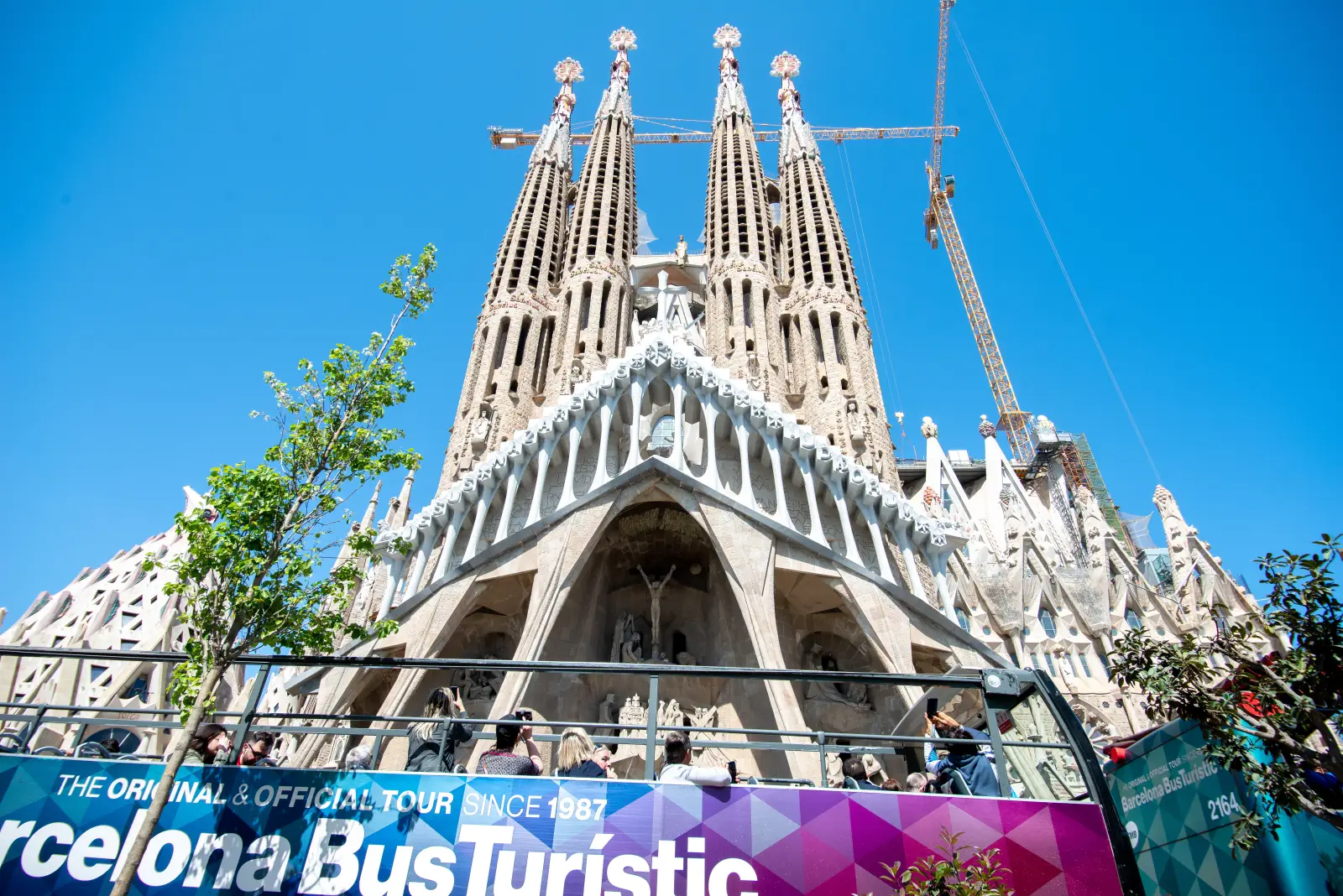
Authorities are now planning measures to disperse visitors beyond the busiest areas around La Rambla, the Gothic Quarter and the Sagrada Família.
The city hopes to redirect tourists towards areas such as Montjuïc and encourage more excursions outside central Barcelona.
Organised pub crawls and disruptive group activities are also expected to face tighter restrictions or outright bans under the new strategy. Donaire said the city was “not interested” in tourism that damages public life, reported The Guardian.
Tourism Tax Revenue to Support Residents
Barcelona also plans to change how tourism tax revenue is used.
Officials said part of the income generated from visitor taxes will now be directed towards supporting local commerce and improving neighbourhood liveability rather than simply promoting tourism growth.
La Rambla, one of Barcelona’s best-known streets, has become a symbol of the pressures caused by overtourism. Local shops have increasingly been replaced by souvenir stores, fast-food outlets and businesses aimed primarily at visitors.
City leaders say the new financial model is designed to help preserve local businesses and maintain community life in central districts.
Part of a Wider European Trend
Barcelona is not alone in attempting to curb overtourism.
Cities including Venice, Amsterdam and Dubrovnik have also introduced restrictions aimed at limiting cruise tourism, short-term rentals and overcrowding.
Across southern Europe, rising housing costs and concerns over the impact of tourism on local communities have fuelled growing political pressure for stricter controls.
Barcelona’s approach is among the most ambitious because it combines housing policy, urban planning and tourism management in a single long-term strategy.
Whether the measures succeed remains uncertain. Similar attempts in cities such as New York to restrict tourist apartments have produced mixed results. Critics also warn that tourism remains a key part of Barcelona’s economy and supports thousands of jobs.
Still, city officials insist the goal is not to end tourism altogether but to reduce its negative impact and make Barcelona more liveable for residents.
“It’s about governing the market, not letting the market govern us,” Spain’s housing minister Isabel Rodríguez said while backing Barcelona’s decision to end tourist apartment licences.