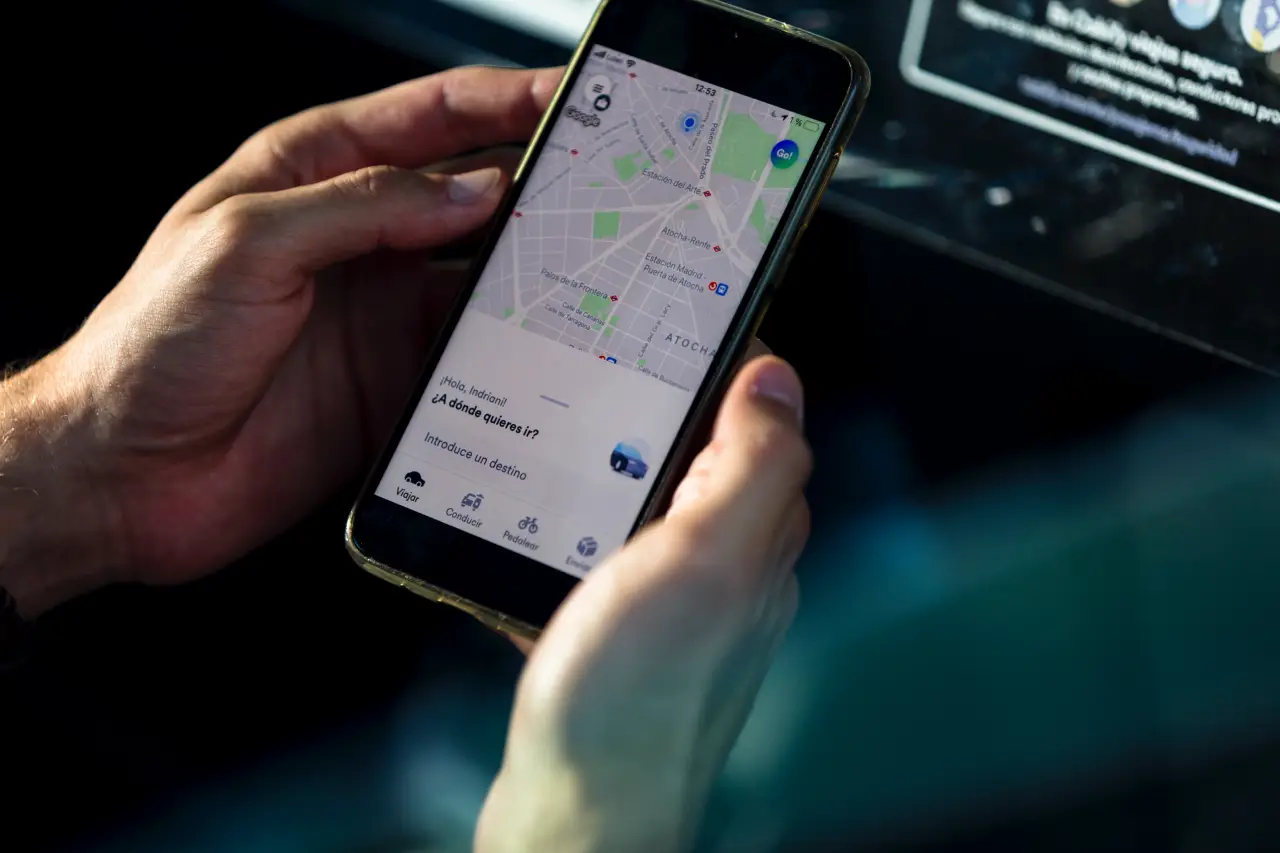
Barcelona is preparing to phase out app-based ride-hailing services such as Uber, Cabify, and Bolt, following a new transport law introduced by the Catalan government.
The legislation will gradually eliminate around 600 urban VTC licenses in the metropolitan area, with the remaining 300 allowed to operate only until their permits expire. The measure, set to take full effect by the end of 2026, is expected to reshape how visitors move around the city.
The initiative seeks to resolve years of tension between taxis and VTC companies while ensuring that taxis remain Barcelona’s primary regulated service. For international travelers, this shift means greater reliance on the city’s extensive taxi network, particularly for trips to and from Barcelona-El Prat Airport and journeys within the metropolitan area.
Impact on Airport Transfers and Local Trips
The new law limits ride-hailing flexibility for visitors. While more than 4,000 interurban VTCs in Catalonia will continue to operate, they will not be permitted for short urban rides in Barcelona. For example, a traveler can still book a VTC from Barcelona to Terrassa with a 10-minute pre-booking, but rides to the airport or across the city will no longer be allowed once the law is fully implemented.
To replace existing services, a new “Alta Disposición” category will apply to VTC operations. This model requires bookings at least two hours in advance, and vehicles must remain available to the customer for one hour. The rules effectively end the on-demand convenience that has made ride-hailing popular among visitors and residents alike.
Taxis, regulated by the Metropolitan Taxi Institute (IMET), will remain widely available. Under the legislation, taxi drivers will face stricter rules prohibiting them from rejecting lower-fare trips in favor of longer, more profitable ones. The government says this will create a fairer system for passengers, ensuring tourists are not turned away or overcharged for short rides.
Tourism Events and Peak Demand
Exceptions will apply during major events that attract large numbers of international visitors, such as the Mobile World Congress. In these cases, interurban VTCs may be temporarily authorized to provide services within Barcelona, supplementing the taxi fleet to meet high demand. The government aims to ensure transport capacity is sufficient during periods of heavy tourism activity.
Authorities also plan to create a geolocation platform to track taxis and VTCs in real time. Vehicles will be fitted with monitoring devices, allowing regulators to detect unmet demand and, if necessary, issue additional taxi licenses. This system could help improve service reliability for visitors during peak travel seasons and special events.
Language Requirements and Visitor Experience
The draft law also proposes raising language standards for taxi drivers. To obtain a license, drivers would need at least a B1 level of Catalan, with some groups pressing for a B2 requirement. The aim is to improve service quality and communication, though most drivers also speak Spanish, and many are able to assist international travelers in English.
While the legislation still requires parliamentary approval, the Catalan government has signaled its intention to move quickly, with the framework expected to be in place before the end of 2026. The reforms come after two years of consultations between government officials, taxi associations, and other stakeholders.
For visitors, the changes mean that Barcelona’s transport landscape will shift away from app-based ride-hailing toward traditional taxis and regulated interurban services. Tourists planning trips to the city should expect to rely mainly on taxis for airport transfers and short journeys, while pre-booked interurban VTCs will remain available for longer routes outside the metropolitan area.