Travelers often accept airport stress as an unavoidable part of the journey, even as technology transforms nearly every other corner of daily life. But a new national poll reveals that one simple funding change could reshape how Americans move through airports — and they want Congress to make it happen.
The finding comes from a U.S. Travel–Ipsos survey showing that Americans overwhelmingly support restoring the 9/11 Passenger Security Fee to its original purpose: modernizing TSA technology and improving airport screening.
The fee, added to every airline ticket, was designed to fund security upgrades. According to U.S. Travel, Congress has diverted roughly $1.5 billion annually from the fund since 2014, redirecting the money to unrelated federal projects. With major global events approaching — including the United States’ 250th anniversary celebrations, the 2026 FIFA World Cup and the 2028 Olympic Games — industry leaders say the country can no longer afford to fall behind.
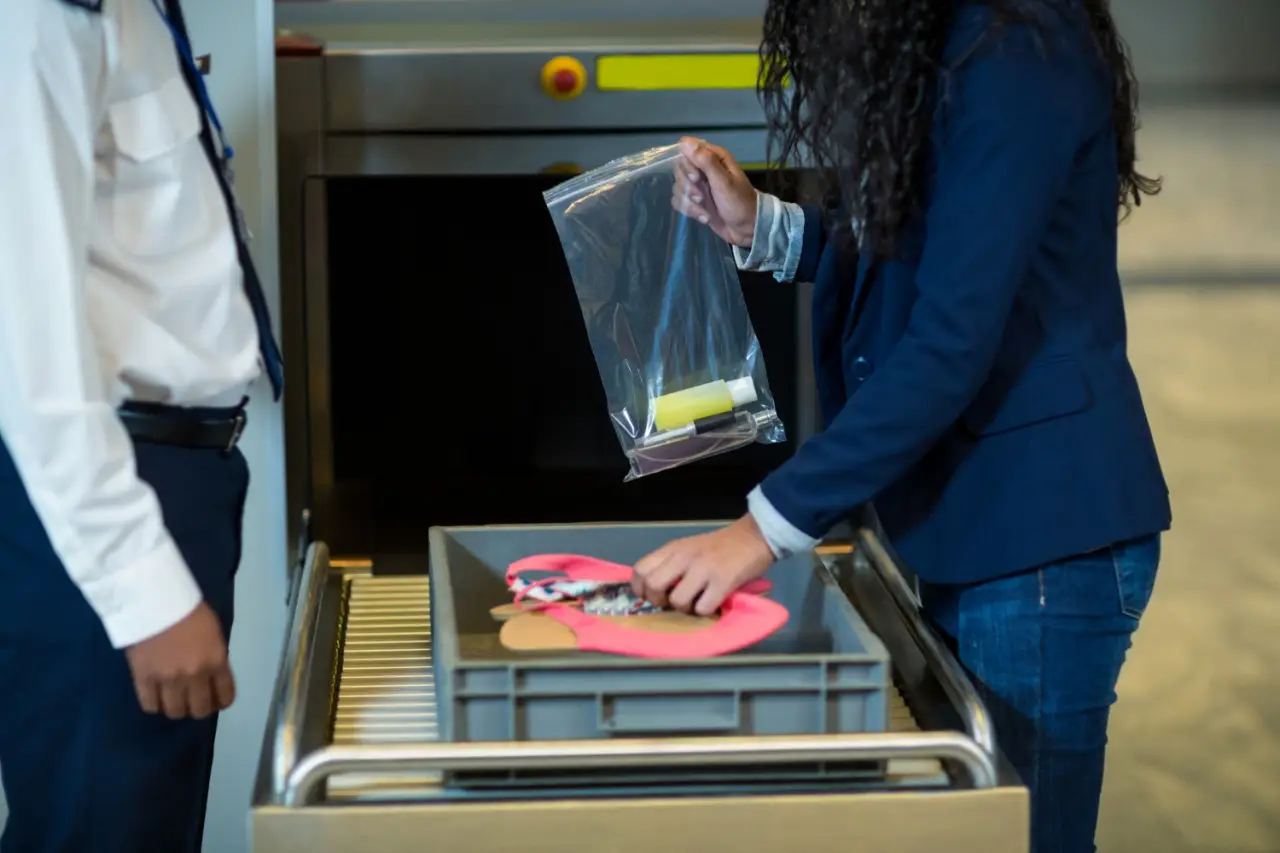
At the heart of the issue is traveler experience. The poll shows that most Americans still view airport screening as cumbersome, even as other nations adopt faster, more seamless systems. Two-thirds of respondents worry that U.S. air traffic control has not kept pace with global standards, and large majorities support common-sense checkpoint updates already under consideration, from allowing greater liquid allowances to keeping laptops and shoes in bags. These preferences point to a desire for smoother travel rather than lighter security.
According to the report, support is especially strong for biometric screening. Facial recognition tools, used by TSA and Customs and Border Protection, can verify a traveler’s identity in seconds with more than 98% accuracy. The poll found that 81% of Americans back TSA’s use of biometrics, and support grows further when privacy protections are clearly explained. For many travelers, these technologies offer a glimpse of what a modern U.S. airport could feel like: faster lines, fewer manual checks, and an experience more in line with global expectations.
U.S. Travel argues that restoring the full security fee would allow that vision to take shape. “Americans want the United States to lead the world in travel efficiency, not lag behind it, and they’re telling Congress exactly how to get there: put the 9/11 Passenger Security Fee back where it belongs,” said Geoff Freeman, the organization’s president and CEO. He added that directing the funds to proven technologies would “speed screening, strengthen security and create a more seamless and secure airport experience.”
For travelers, the stakes extend beyond convenience. The poll shows that 89% believe every dollar of the fee should fund modern security tools, and more than three-quarters say TSA officers and air traffic controllers should continue receiving pay during a government shutdown. With six in ten Americans concerned that the U.S. is falling behind other countries, respondents see reinvesting in security as the quickest route to improvement.
Airports themselves have become a window into national readiness. As North America prepares to welcome millions of international visitors for the World Cup and upcoming cultural milestones, travelers are increasingly aware of how security bottlenecks can shape a journey — or even a global first impression. Other destinations have already embraced next-generation screening, from automated lanes to biometric fast lanes, offering a smoother transition from curb to gate.
For now, Americans appear united on at least one point: the resources to modernize already exist. The question is whether Congress will use them as intended. Restoring the security fee would give airports the means to upgrade aging systems, introduce efficient screening lanes and adopt technologies that reduce wait times without compromising safety. As the report notes, it is a fix that could be implemented quickly, with visible benefits for millions of travelers.