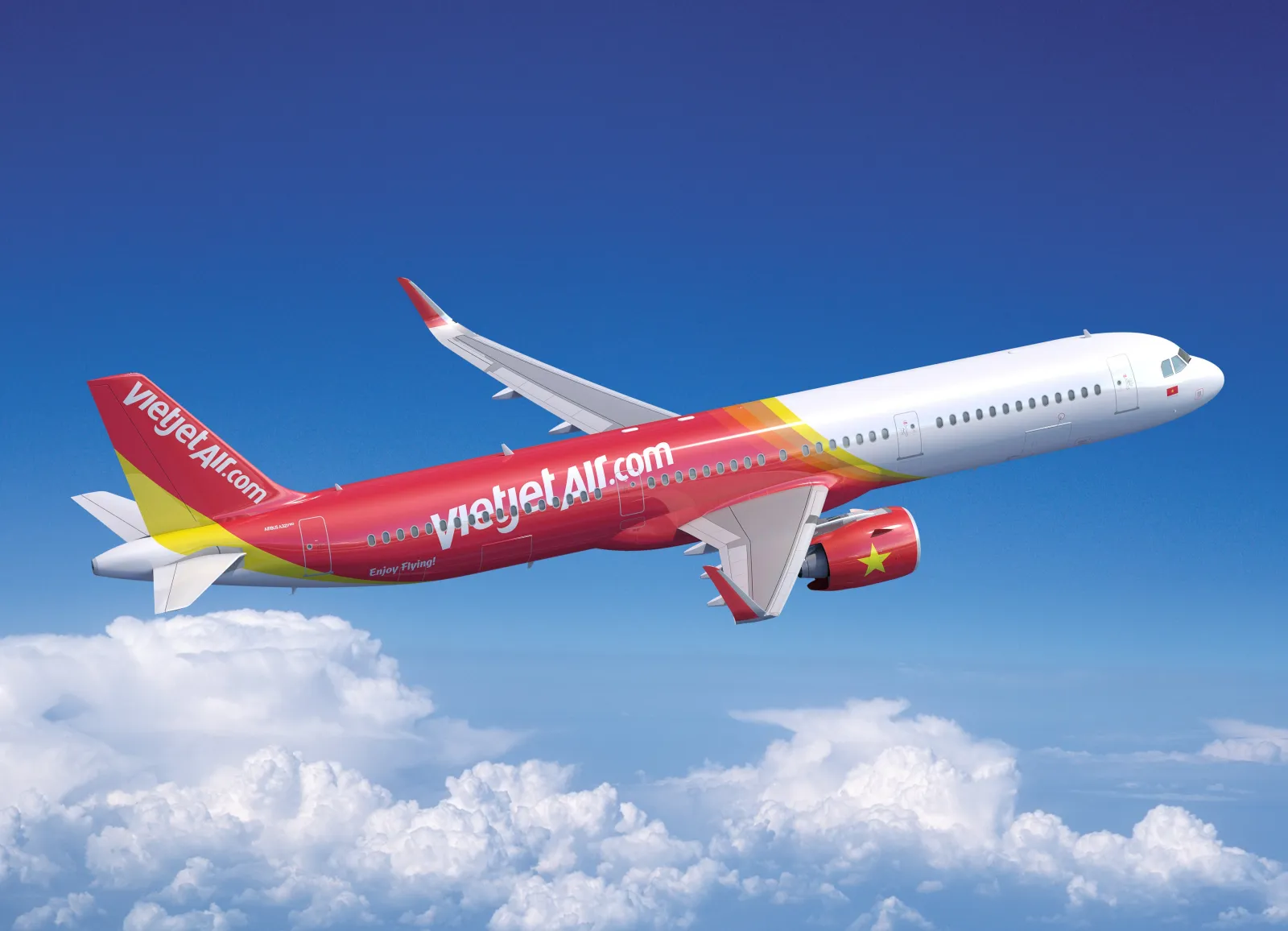
Low cost Vietnamese carrier, Vietjet, has pioneered using sustainable aviation fuel (SAF) produced by Petrolimex Aviation in Vietnam on its flights.
For the first time in Vietnam, Petrolimex Aviation has blended and provided the first 1,200 cubic metres of sustainable aviation fuel (SAF) for Vietjet flights, marking an important milestone in the production and use of sustainable aviation fuel in Vietnam.
The airline said that its fleet, with 576 modern aircraft on order, would increasingly incorporate this fuel. In October 2024, Vietjet had partnered with Petrolimex Aviation to conduct the first two flights being fueled SAF in Vietnam.
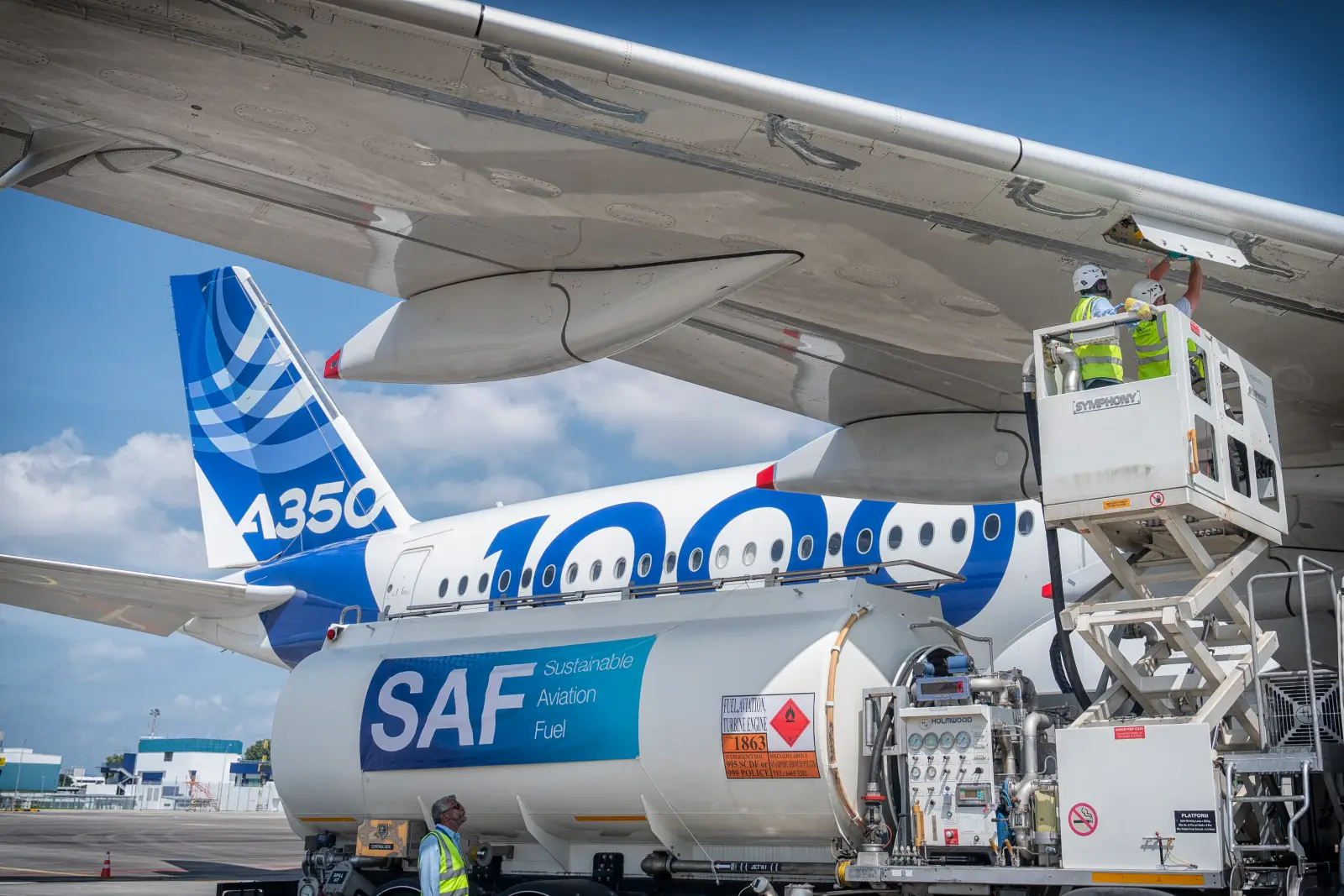
Produced from renewable and sustainable sources such as used cooking oil, agricultural by-products, wood biomass, and urban waste, SAF can help reduce carbon emissions by up to 80% compared to traditional fuels. It meets stringent international aviation standards and is safe for commercial operations.
Before Vietjet, national flag-carrier Vietnam Airlines flew a commercial flight from Singapore to Hanoi in May 2024 using sustainable fuel; that fuel was, however, produced and supplied by international partners.
Petrolimex pioneers blending aviation fuel technology
Petrolimex Aviation is the fuel subsidiary of Petrolimex, which is the country’s state-owned national petroleum company and largest distributor of oil products.
Petrolimex Aviation said that it is the first company in Vietnam to master the technology behind blending aviation fuel that meets international standards. The green aviation fuel it uses is blended in Ho Chi Minh City, using imported synthetic blending components – hydrocarbons produced from biologically renewable feedstocks such as used cooking oil, agricultural by-products, wood biomass and urban waste.
Vietjet continues upward trajectory
In the first six months of this year, Vietjet, including Vietjet Thailand, transported 17.7 million passengers and nearly 65,200 tonnes of cargo.
At the 2025 Paris Air Show, Vietjet placed a new order for 100 aircraft and 50 options for new Airbus A321neo aircraft. This represented the largest aircraft order at the Paris Air Show 2025, positioning Vietjet among the top 10 airlines globally with the largest orders.
Vietjet was awarded the “Best Workplace in Asia” for a record fifth year in a row at the HR Asia Awards 2025. This achievement reflects the airline’s steadfast dedication to crafting an outstanding workplace culture for its 9,000 staff on four continents across 16 countries and territories.
Production cost of SAF remains high
Despite biofuels’ clean energy profile and growing global demand, they cost more to produce and face competition from fossil fuels, said GlobalData in a report in May. Processing advanced biomass sources, such as agricultural and forestry waste, remains expensive, limiting their scalability and widespread adoption.
The International Air Transport Association (IATA) said in June that the production of sustainable aviation fuel is expected to reach two million tonnes or 0.7 per cent of airlines’ total fuel consumption in 2025.
Willie Walsh, IATA’s director-general, said: “Even that relatively small amount will add US$4.4 billion globally to the fuel bill. The pace of progress in ramping up production and gaining efficiencies to reduce costs must accelerate.”
However, he also criticised the European Union’s SAF mandate as a costly initiative that is not helping the environment as regional supplies there remain low. He made this comment during a recent visit to Singapore
Singapore’s Sustainable Air Hub Blueprint
Under the Singapore Sustainable Air Hub Blueprint launched in February 2024, flights departing from Singapore will be required to use this sustainable fuel from 2026; one per cent of the total fuel used for such departures will be of the sustainable type, rising to 3 to 5 per cent by 2030.
Under the Blueprint, the Civil Aviation Authority of Singapore will work with aviation stakeholders to reduce domestic aviation emissions from airport operations by 20% from 2019 levels in 2030 and achieve net zero domestic and international aviation emissions by 2050.
Changi Airport now offers fuelling with this greener fuel. Singapore Airlines and Scoot are already using the fuel produced by Neste, which runs the world’s largest sustainable aviation fuel refinery in Singapore. Neste has a global SAF production capability of one million tons per annum.