Vienna is hosting the 70th Eurovision Song Contest this week, with fans from more than 75 countries converging on the Austrian capital for an event that economists project will generate 57 million euros in value for the local economy.
The contest runs from 10 to 17 May 2026, with the first semi-final at the Wiener Stadthalle on 12 May, the second on 14 May, and the Grand Final on 16 May. Austria won the right to host after JJ won the 2025 contest in Basel with the song “Wasted Love”. This is the third time Vienna has staged the event, having previously done so in 1967 and 2015.
Scale of the tourism impact
Austria’s Tourism State Secretary Elisabeth Zehetner has described Eurovision 2026 as “the world’s biggest tourism campaign” for the country. Up to 88,000 additional visitors are expected during the contest period, generating around 21 million euros in direct economic value and a total estimated impact of 57 million euros across hotels, restaurants, attractions and service providers.
The advertising value of the global media coverage surrounding the contest is estimated at approximately 730 million euros. For every euro invested by the Austrian state, the event is projected to return 1.70 euros in added value.
What visitors can do in Vienna this week
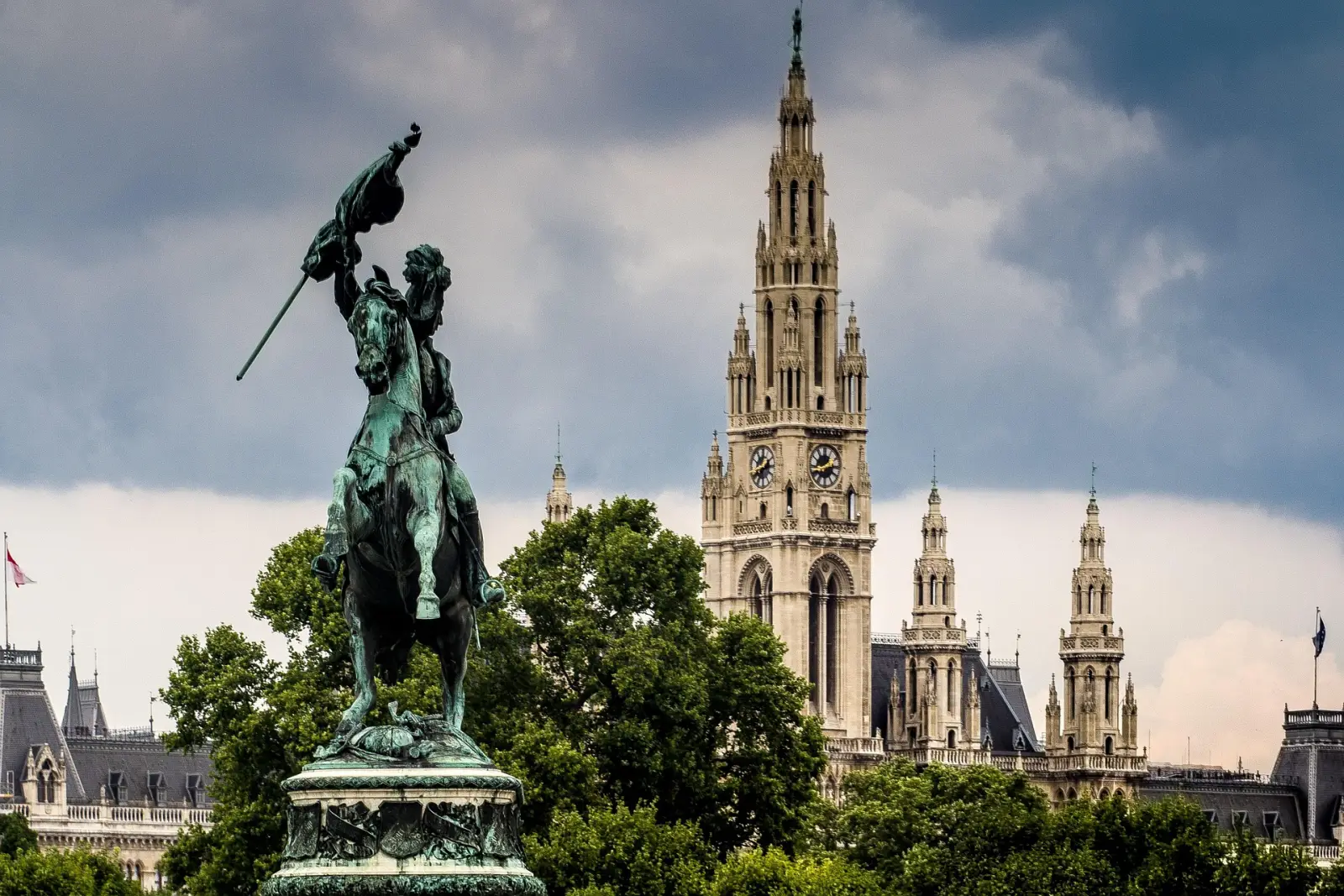
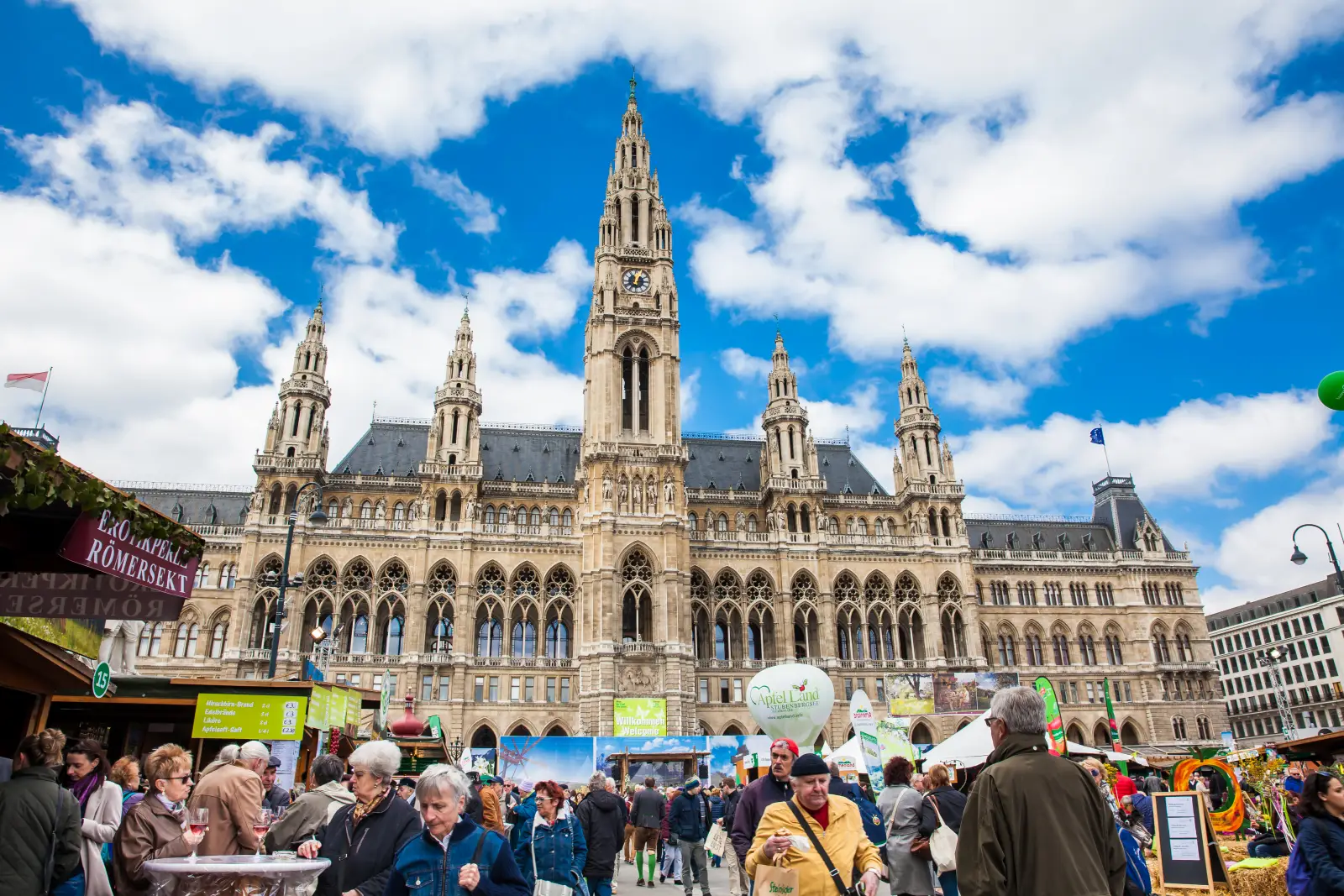
The Eurovision Village at Rathausplatz, Vienna’s City Hall Square, is the free public centrepiece of the event. It is open daily from 14:00 until midnight from 10 to 17 May, with live performances by competing artists, DJ sets and public screenings of all three live shows broadcast from the Wiener Stadthalle.
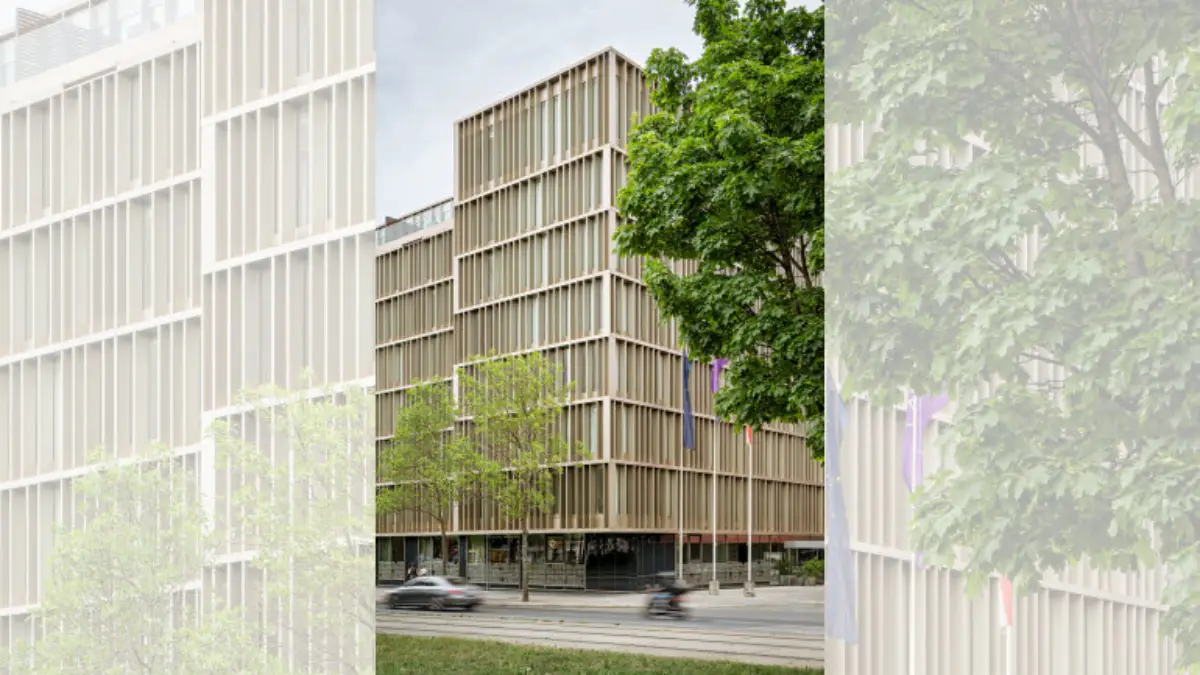
The Volksoper opera house is hosting free public singalongs of Eurovision hits on 11, 13 and 15 May, with a screening of the Grand Final in its auditorium. Free tickets have been available from 9 May. Watch parties are also being held at Strandbar Hermann on the Danube canal, the Ottakringer Brewery and several other venues across the city including the Museum of Applied Arts and the 25Hours Hotel rooftop bar.
EuroClub, the official after-party venue for delegations and fans, runs nightly from 11 to 16 May at the Prater Dome, which spans three floors with a capacity of around 2,500 people.
Getting around
Vienna’s public transport network has added special Eurovision signage at major hub stations, with announcements directing passengers to key venues. Travellers arriving by air can use the City Airport Train with a 25 percent discount available to ticket holders. Welcome announcements on public transport are being made in German, English, Spanish, Italian and French.
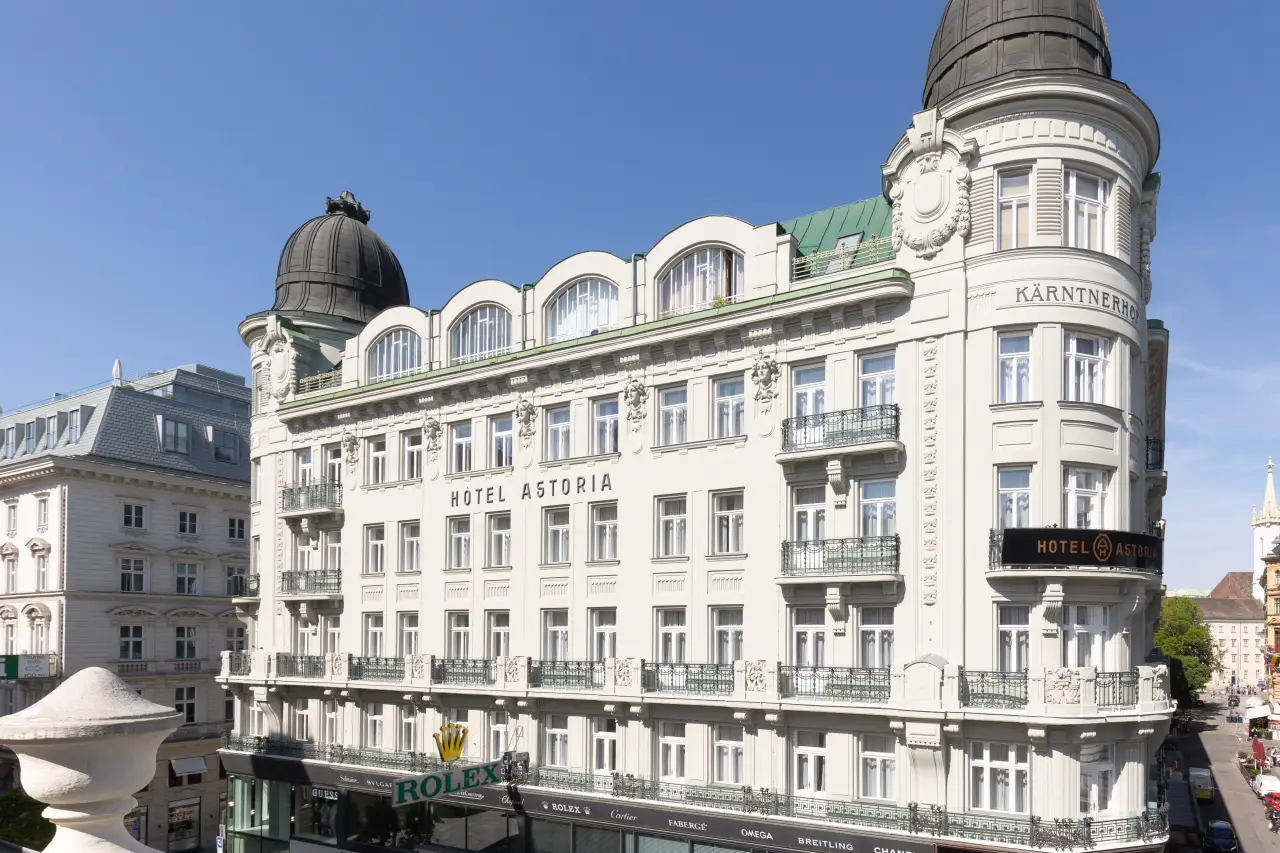
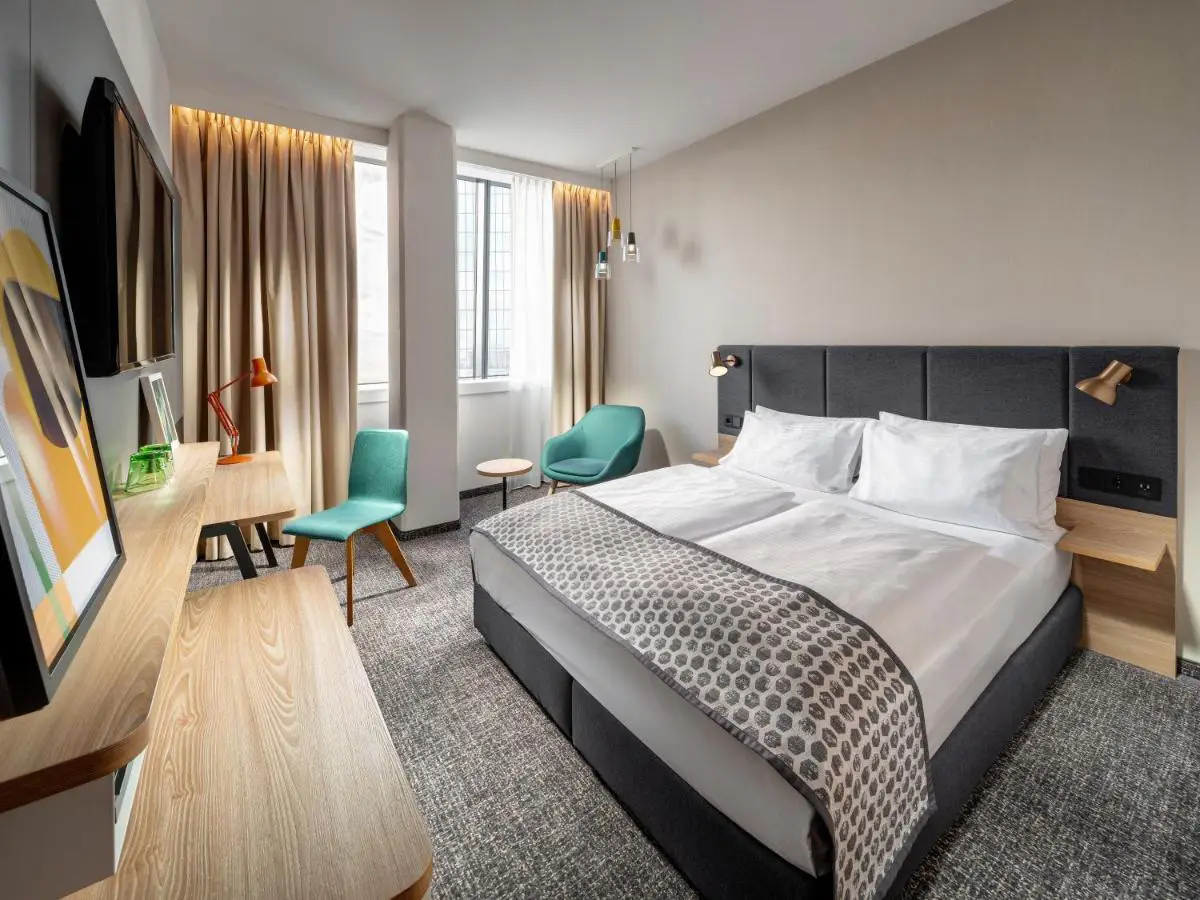
Vienna has approximately 84,600 hotel beds across more than 42,400 rooms, an increase of around three to four percent on the previous year. Market analysts have noted that accommodation prices, while reflecting seasonal demand, have been stabilised by the volume of available supply.
The boycott and the contest backdrop
The 70th contest is taking place against a backdrop of significant political tension. Five countries, Iceland, Ireland, the Netherlands, Slovenia and Spain, have withdrawn from the competition in protest at Israel’s continued participation, citing the conflict in Gaza and evidence of Israeli government campaigns to influence public voting in 2024 and 2025. This marks the largest number of boycotting countries since 1970 and leaves the traditional “Big Five” group of major broadcasters incomplete for the first time since Italy joined in 2011.
Thirty-five countries are competing in 2026, the smallest number since 2003. Vienna police have confirmed preparations for protests during the contest week.
Vienna beyond Eurovision
Visitors extending their stay beyond contest week will find a city with a deep musical heritage. Vienna was home to Mozart, Beethoven, Schubert and Johann Strauss, and the Wiener Philharmoniker remains one of the world’s leading orchestras.
Major attractions include Schönbrunn Palace, the Hofburg Imperial Palace and the Mercado de Abastos equivalent, the Naschmarkt food market.
TUI River Cruises has launched a dedicated Eurovision package linking Vienna to other Danube capitals, including Budapest, Bratislava and Linz, reflecting wider industry efforts to use the contest as a gateway to longer regional itineraries.
Photo Credit: Anamaria Mejia / Shutterstock.com