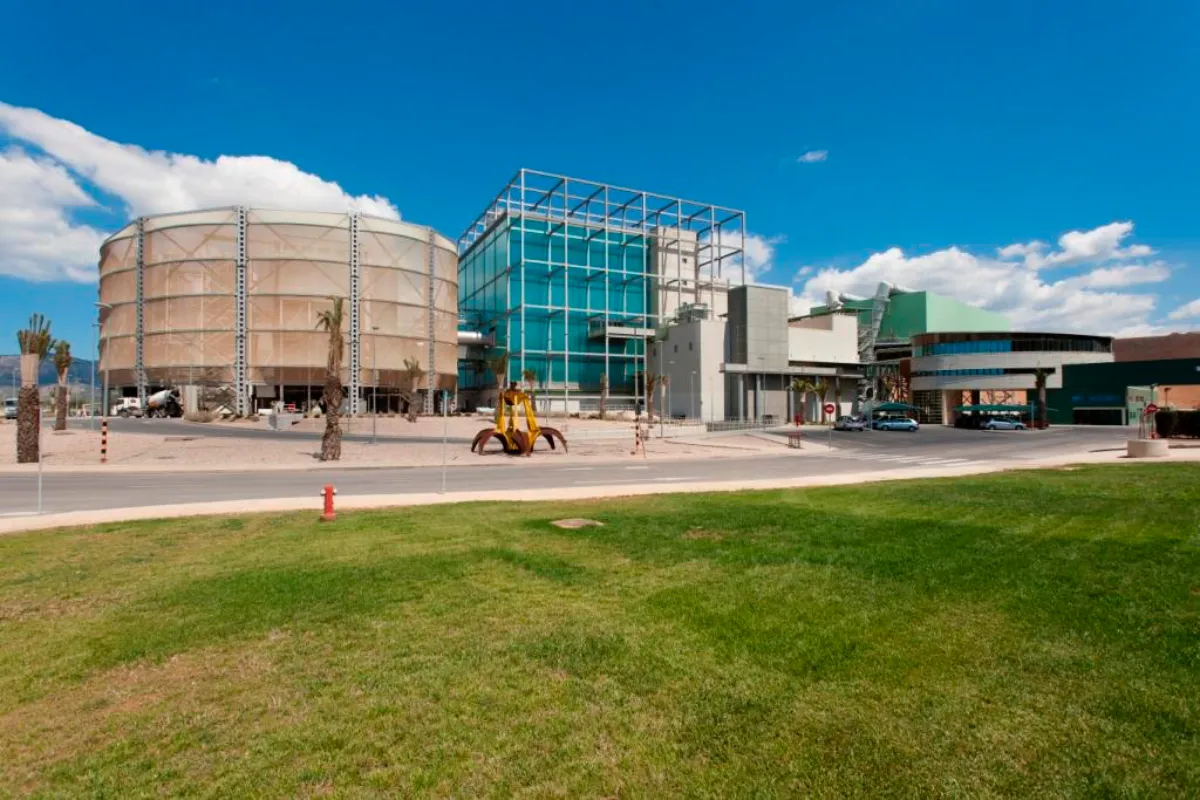
RIU Hotels & Resorts is taking a bold step in its sustainability journey by partnering with TIRME, Mallorca’s Environmental Technology Park, to ensure that all electricity consumed in its Balearic Islands properties is 100% renewable and locally sourced. This landmark agreement sets a new standard for the hospitality industry, making RIU the first hotel chain to sign such a pact with TIRME, guaranteeing zero-carbon electricity for its operations in Majorca, Formentera, and its corporate offices in Playa de Palma.
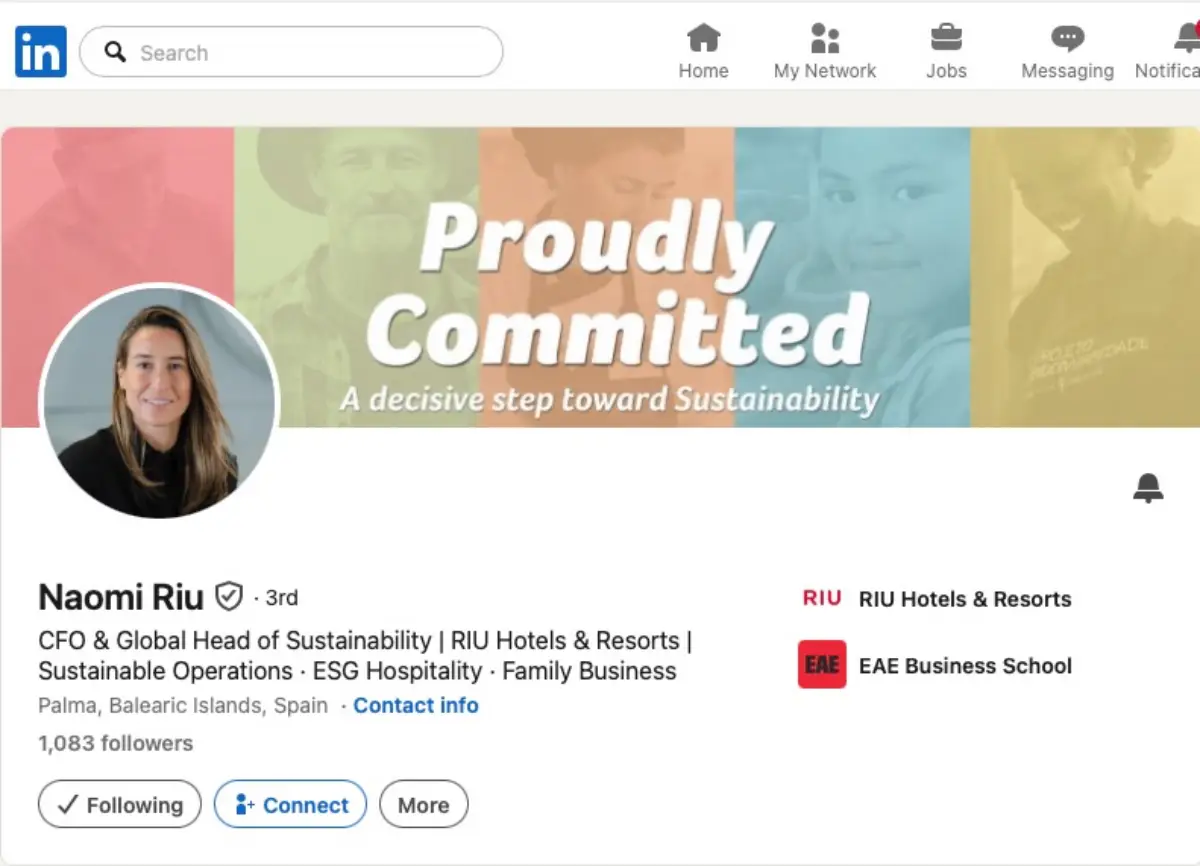
As part of its Proudly Committed sustainability strategy, RIU’s latest move underscores its determination to reduce its environmental impact and align with global climate goals. This agreement is not just a local initiative but part of a broader effort by the hotel chain to transform its energy consumption worldwide. Since 2022, RIU has ensured that more than half of its destinations receive certified renewable electricity, spanning twelve countries. This initiative in the Balearic Islands is designed to push that commitment further, providing a model for how hotel groups can combine local partnerships with global climate responsibility.
RIU and TIRME: A Pioneering Local Energy Partnership
The new agreement between RIU and TIRME is valid for 2025, 2026, and 2027. During this period, all RIU hotels in the Balearic Islands will receive electricity generated exclusively from local renewable sources, guaranteeing that every kilowatt-hour consumed will have a certified zero-carbon footprint. This arrangement is especially significant in an island context, where energy imports and fossil fuel dependency have historically been high. By investing in local generation, RIU is also contributing to the Balearics’ broader goals of energy sovereignty and sustainability.
This deal covers five RIU hotels in Majorca and its single property in Formentera, in addition to its corporate offices in Playa de Palma. For guests, this means that their stays will directly support local green energy production while reducing carbon emissions associated with travel. For the islands, it represents an opportunity to showcase how tourism, often criticized for its environmental impact, can become a driver of positive change through innovation and collaboration.
Supporting Mallorca’s Energy Transition
The partnership with TIRME is emblematic of a growing recognition among tourism businesses that sustainability requires local solutions. TIRME, as Mallorca’s Environmental Technology Park, specializes in managing waste, promoting recycling, and producing renewable energy from local resources. By committing to buy 100% of its electricity from TIRME’s certified renewable output, RIU is helping to create a stable demand for clean energy that supports the development and maintenance of local infrastructure.
Moreover, this collaboration aligns with the Balearic Islands’ own ambitious sustainability targets. The local government has made climate action a central priority, with policies aimed at decarbonizing the energy system, protecting natural landscapes, and transitioning toward a circular economy. The tourism sector, which accounts for a significant share of the region’s GDP and emissions, is under increasing pressure to reduce its environmental footprint. RIU’s decision to lock in 100% local renewable energy is therefore not only good for its brand but also for the islands’ long-term sustainability.
RIU’s Global Strategy for Carbon Reduction
RIU’s agreement with TIRME is a local expression of its global Proudly Committed sustainability strategy, which places strong emphasis on measurable carbon reduction. In the past three years, the hotel chain has achieved an impressive 64% reduction in emissions per stay across scopes 1 and 2. This has been made possible through a combination of initiatives, including energy efficiency measures, investments in solar power, and transitioning to certified renewable energy contracts in multiple markets.
Currently, RIU has installed photovoltaic solar panels in 22 of its hotels worldwide, creating a decentralized renewable generation capacity that helps further reduce reliance on fossil fuels. The company’s commitment to renewable energy is underpinned by certification systems to ensure that the electricity it purchases is verifiably green. By combining onsite generation with carefully sourced green electricity, RIU aims to make every guest stay as low-carbon as possible without compromising comfort or service quality.
Photovoltaic Expansion and Certification
RIU’s solar program is a central element in its sustainability roadmap. By installing panels at dozens of properties, the hotel chain reduces its draw from external grids while showcasing visible commitments to guests. These installations not only lower operating costs in the long run but also serve as an educational tool for travelers interested in sustainable tourism. For RIU, it’s a way to connect the guest experience to environmental values without requiring sacrifices on comfort or amenities.
At the same time, RIU has moved aggressively to source certified renewable energy wherever possible. As of 2022, this strategy already covered hotels in twelve countries, representing more than half of its portfolio. The agreement with TIRME in the Balearic Islands further consolidates this approach by guaranteeing not only renewable origin but also local generation, reducing the carbon intensity of transmission and supporting local economies.
The Business Case for Sustainability in Hospitality
RIU’s move is not purely altruistic. Sustainability has become a crucial element of business strategy for hotel chains seeking to maintain relevance in a changing market. Today’s travelers are increasingly aware of climate change and are demanding more responsible options. By delivering on these expectations, RIU can enhance its brand reputation, attract environmentally conscious guests, and even reduce costs through energy efficiency and renewable sourcing.
Industry trends show that green investments often pay off. Energy-efficient systems lower utility bills, while local partnerships reduce exposure to volatile global energy prices. Moreover, regulatory pressure is rising in many markets, with governments introducing taxes, caps, and reporting requirements for carbon emissions. Companies that get ahead of these trends can avoid future compliance costs and maintain their license to operate in sensitive destinations like the Balearics, where tourism must coexist with environmental conservation.
Setting an Example for the Industry
RIU’s partnership with TIRME also sets a benchmark for other hotel chains operating in the Balearic Islands and beyond. By proving that it is possible to secure 100% locally generated renewable electricity for multiple properties, RIU is demonstrating a viable pathway for competitors to follow. This could spark a virtuous cycle of green investment, increasing the scale of renewable generation on the islands and reducing overall emissions from the tourism sector.
For local policymakers and environmental advocates, this kind of initiative shows that private businesses can be part of the solution to climate challenges. Rather than seeing tourism as an environmental liability, the Balearic Islands can promote themselves as leaders in sustainable travel, attracting visitors who want to minimize their footprint while enjoying world-class hospitality. RIU’s decision to make its electricity zero-carbon, locally generated, and certified sends a powerful message about the future of responsible tourism.
RIU’s Proudly Committed sustainability strategy is about more than energy. It encompasses a wide range of goals, from reducing waste and conserving water to protecting biodiversity and supporting local communities. The agreement with TIRME fits within this larger framework by addressing the single largest source of emissions in many hotels: electricity consumption. By tackling this challenge head-on, RIU is making real progress toward its goal of radically lowering its environmental impact.
Guests staying at RIU hotels in Majorca and Formentera will know that their holiday supports local green energy production, reduces reliance on fossil fuels, and helps protect the stunning natural beauty of the islands. This transparent commitment can become a competitive advantage in a market where travelers are increasingly seeking authentic, responsible experiences. At the same time, it can foster pride among staff and local stakeholders who see their community benefiting from sustainable development.
As the hospitality industry faces unprecedented challenges from climate change, initiatives like RIU’s partnership with TIRME point the way forward. By combining ambitious sustainability goals with practical local solutions, hotels can reduce their carbon footprints, strengthen their brands, and support the communities they depend on. RIU’s example in the Balearic Islands demonstrates that with commitment and collaboration, the path to zero-carbon tourism is not only possible but profitable and inspiring for the entire sector.