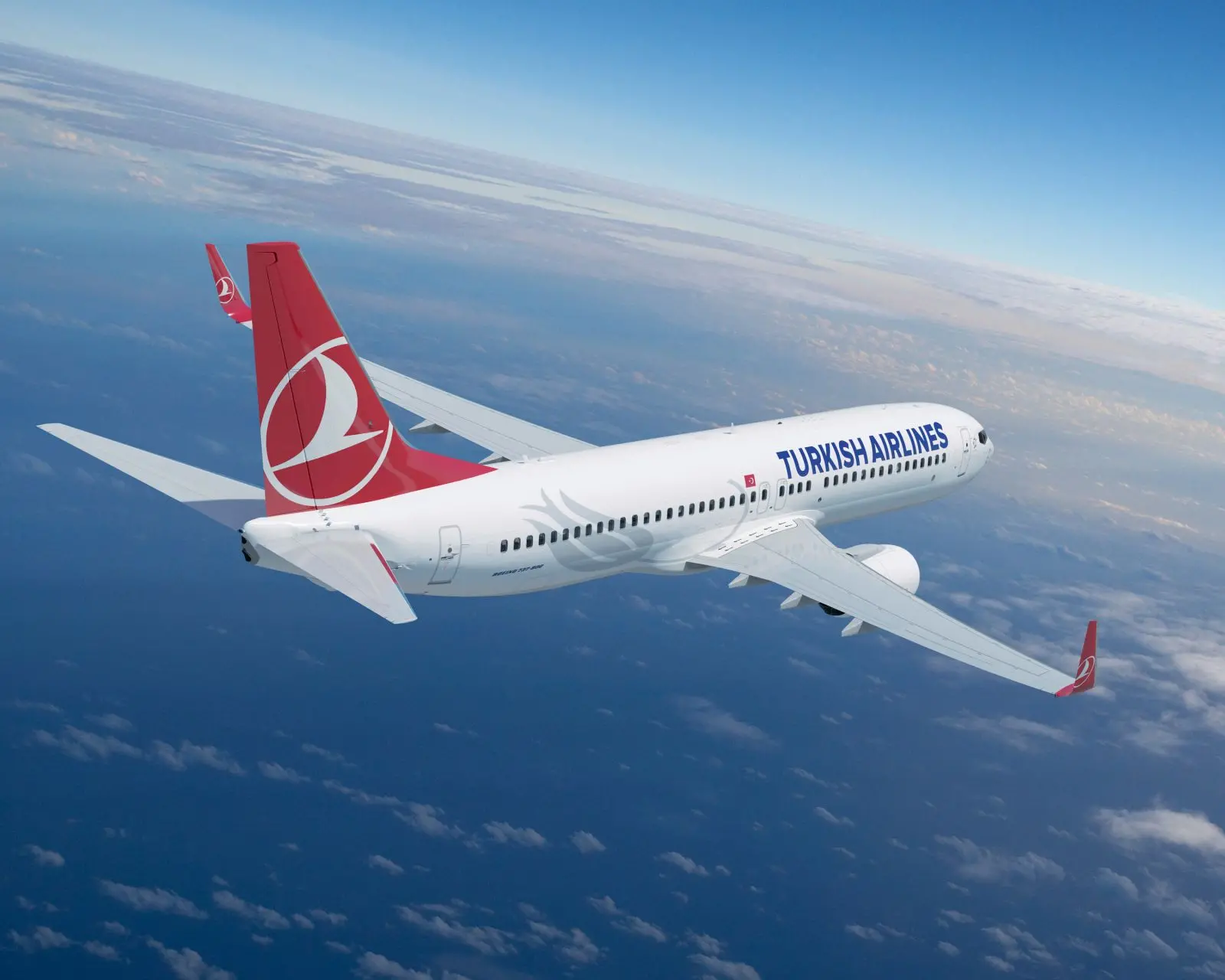
Turkish Airlines is in talks over what could become one of Boeing’s largest aircraft deals, with up to 300 jets under discussion and the outcome tied to a high-stakes meeting between Turkish President Recep Tayyip Erdoğan and U.S. President Donald Trump.
Speculation intensified after opposition leader Özgür Özel of the Republican People’s Party (CHP) claimed that Erdoğan requested the meeting with Trump to negotiate the acquisition. Trump later confirmed he would meet Erdoğan on 25 September, saying the agenda includes “many trade and military agreements,” among them a large-scale Boeing aircraft sale, an F-16 deal, and the continuation of talks on Turkey’s participation in the F-35 program.
Turkish Airlines’ Position
In response to reports about a multi-billion-dollar order, Turkish Airlines emphasized that no contract has been signed. “This is an issue we have been discussing with Boeing for a long time, but a final decision has not been made yet,” said Yahya Üstün, Communications Director for Turkish Airlines. His remarks underlined that while negotiations are advanced, the company has not yet committed to specific numbers or timelines.
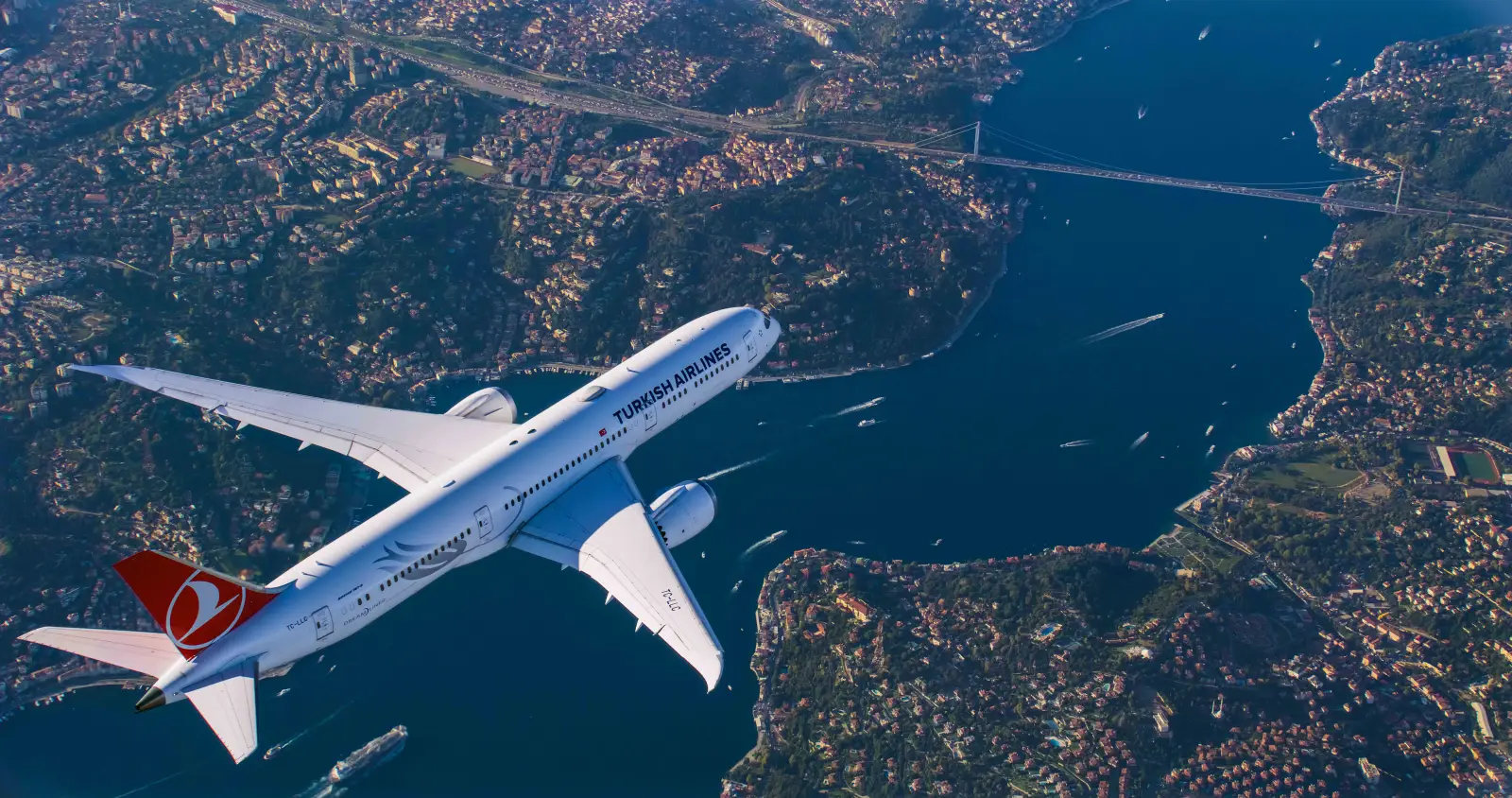
Industry analysts note that the reported scale of the deal, potentially involving 250 to 300 aircraft, would represent one of Boeing’s largest single orders if concluded. The package could include narrow-body 737 MAX aircraft for regional routes and wide-body 787 Dreamliners for long-haul operations, though exact fleet composition has not been confirmed by either side.
Political Context and Wider Implications
The potential Boeing order has become entwined with broader U.S.-Turkey relations. Trump said in his public remarks that the two leaders are working on “significant” agreements spanning both trade and defense. In addition to the aircraft purchase, he referenced ongoing talks about a U.S. sale of F-16 fighter jets to Turkey and discussions over the stalled F-35 program, from which Turkey was suspended in 2019.
The timing of the negotiations, coming shortly after the United Nations General Assembly in New York, highlights the strategic and diplomatic weight of the discussions. Analysts suggest that combining commercial aviation orders with defense negotiations could allow Ankara and Washington to advance multiple issues in a single political framework. However, the approach also increases uncertainty for Turkish Airlines, as commercial decisions risk being tied to the outcome of high-level political bargaining.
Opposition figures in Turkey have criticized what they see as the politicization of a corporate procurement process. Özel argued that the scale of the Boeing deal makes it inseparable from Turkey’s foreign policy and defense agenda. His comments, and Trump’s confirmation of discussions, further fueled speculation that the agreement could be announced alongside or after the leaders’ meeting.
Boeing has not issued a formal statement regarding the potential Turkish Airlines order. The U.S. manufacturer continues to market its aircraft aggressively as it competes with Airbus for large-scale fleet renewals worldwide. A purchase of the magnitude being discussed would represent a significant boost for Boeing, which is seeking to strengthen sales after years of production and regulatory challenges with the 737 MAX and 787 programs.
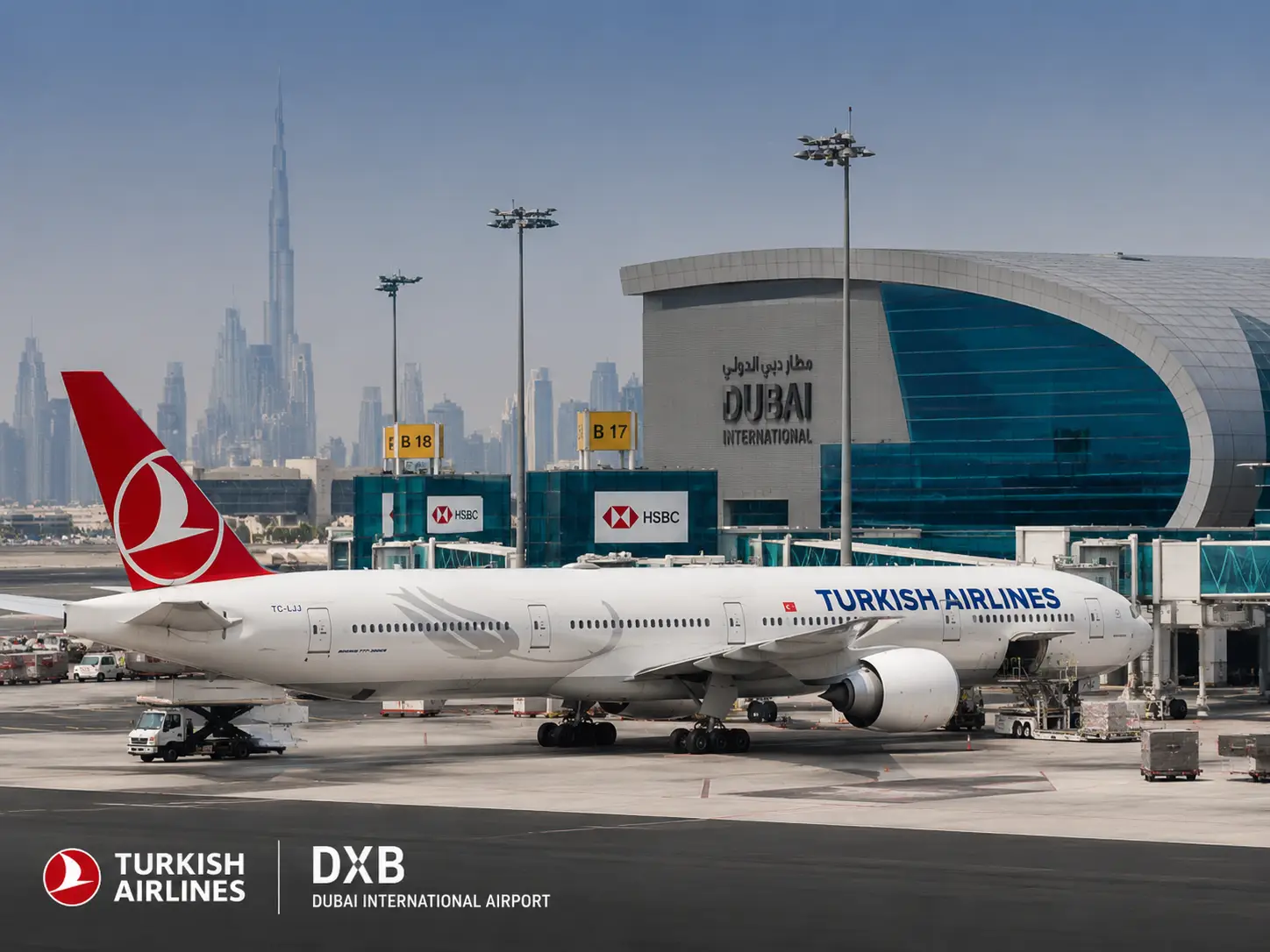
For Turkish Airlines, a new fleet order would align with its growth strategy as it expands its hub operations at Istanbul Airport. The carrier has positioned itself as a global connector, serving more than 340 destinations across Europe, Asia, Africa, and the Americas. Expanding both narrow-body and wide-body fleets would support increased frequencies and new routes, but the scale of the investment raises questions about financing and long-term fleet balance.
As of 22 September, the outcome of the talks remains uncertain. The scope, timing, and terms of any deal are yet to be finalized, and Turkish Airlines continues to stress that negotiations with Boeing are ongoing. Industry observers expect greater clarity following the scheduled Erdoğan–Trump meeting in Washington, where trade and defense agreements are expected to dominate the agenda.