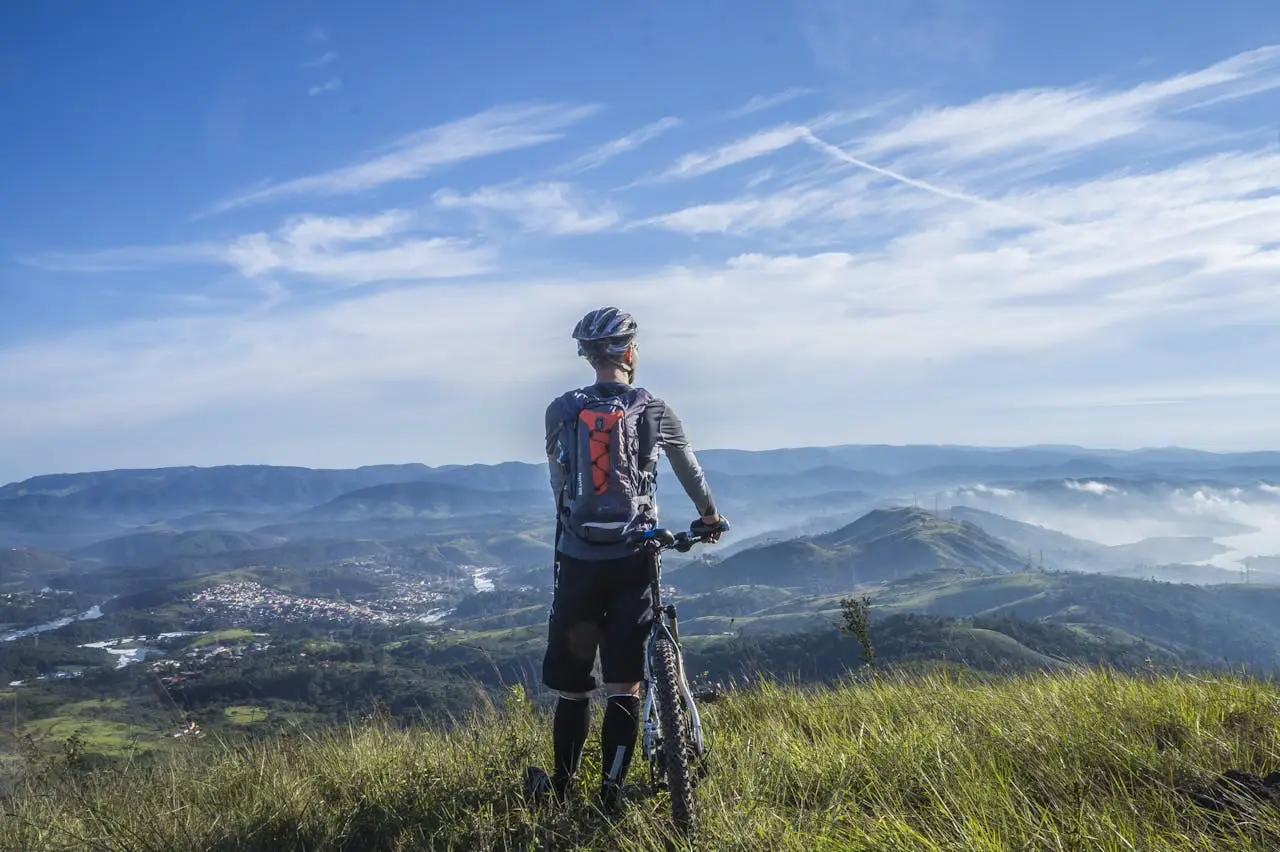
Cycling tourism has grown 40% over the past decade. More travelers now choose bikes over cars to explore foreign destinations. This shift shows people want slower, more immersive travel experiences.
Bikes let you notice details that disappear at higher speeds. You can stop whenever something catches your eye. The best trips abroad combine physical activity with real nature encounters. Many travelers seek Bike Tours across Portugal and similar destinations with strong cycling infrastructure. Smart route planning makes all the difference.
Select Routes Through Protected Natural Areas
National parks offer some of the best cycling experiences abroad. These zones limit vehicle traffic and protect native habitats. You get clear views of plants and animals without crowds. Many countries build cycling paths through conservation areas specifically for visitors.
Portugal’s Ria Formosa Natural Park has 60 kilometers of coastal paths. The trails wind through salt marshes and lagoons. Cyclists there spot flamingos and spoonbills regularly. Spain’s Doñana National Park offers similar protected routes. Italy’s Po Delta Regional Park does too.
Check park requirements before you go. Some reserves need permits or close during certain seasons. Wildlife protection sometimes limits access during nesting periods. Most reserve websites list current trail conditions and restrictions.
Time Your Rides for Dawn and Dusk Activity
Wild animals avoid midday heat. Early morning rides give you the best wildlife viewing. Cyclists who start at sunrise often see deer and foxes. Evening rides bring out bats and owls. Nocturnal species begin their activity cycles then.
Temperature works in your favor during these hours too:
- Morning rides start cool and warm gradually
- You cover longer distances before afternoon heat
- Evening rides begin warm and cool toward sunset
- Golden hour lighting improves photos dramatically
Plan your route to reach viewpoints during these times. Coastal areas gain stunning light effects. Forest trails become easier to photograph. Wildlife gathers near water sources during dawn and dusk. This concentrates activity in predictable spots.
Choose Coastal and River Routes for Varied Ecosystems
Water routes give you access to multiple habitats quickly. A single coastal ride might pass beaches, cliffs, and forests. River paths connect wetlands, meadows, and wooded areas. Each zone supports different species.
The National Park Service reports higher biodiversity along water trails. Cyclists observe aquatic birds, amphibians, and fish species. You also see terrestrial wildlife. The changing habitat creates natural stopping points for observation.
Portugal’s Atlantic coast shows this diversity well. Routes between Lisbon and Cascais follow ocean cliffs. You spot seabirds and marine mammals there. Inland Douro River paths wind through vineyards and oak forests. Both routes stay flat. Recreational cyclists handle them easily.
Pick Self-Guided Tours for Flexible Nature Stops
Group tours follow fixed schedules. They limit spontaneous stops. Self-guided options let you pause whenever you want. This flexibility matters for nature watching. The best moments often happen unexpectedly.
Self-guided tours typically include these features:
- Detailed route maps with turn-by-turn directions
- Luggage transfers between your accommodations
- Emergency support if you need mechanical help
- Suggested itineraries you can adjust freely
You control your own pace and stops. Found a good bird-watching spot? Stay as long as you like. Want to explore a side trail? Adjust your schedule accordingly. Many services provide information about natural features along routes. Written guides identify plant species and geological formations. They note where animals frequently appear.
Opt for Routes With Minimal Vehicle Traffic
Heavy traffic forces your attention onto cars. You miss the scenery around you. Rural routes and dedicated bike paths work better. You can look around safely. Bird calls become audible without engine noise.
European countries have expanded cycling infrastructure significantly. The Netherlands and Denmark lead in dedicated lanes. Spain, France, and Portugal have grown their networks too. These paths often follow old rail lines through countryside. They pass through areas cars rarely reach.
Traffic-free routes reduce stress and physical demands. You maintain steady, comfortable paces. This matters on longer tours with 40 to 80 kilometer days. Lower stress helps you notice natural details. You actually enjoy the ride instead of just surviving it.

Planning Your First Nature-Focused Cycling Trip
Strong cycling trips require research beyond standard tourist routes. Look for destinations with established bike infrastructure. Check for varied natural environments and cyclist-friendly accommodations. Weather patterns matter too. Rain or extreme heat limits comfortable riding windows.
Be honest about your fitness level. Self-guided tours suit experienced cyclists comfortable with navigation. Fully supported guided tours work better for beginners. Either option provides solid nature experiences if routes prioritize natural areas. Skip the urban sightseeing routes.
Start with shorter trips to test preferences. A three to five day tour reveals what you like. You discover whether coastal routes, mountains, or riverside paths appeal most. These initial trips help you choose bigger adventures later. Portugal offers varied terrain perfect for testing different styles.