From 25 February 2026, the UK will require visitors from 85 countries who do not need a visa to obtain an Electronic Travel Authorisation before travelling, as part of a drive to digitise the immigration system and move towards a contactless UK border.
The change means carriers must confirm that passengers from countries such as the United States, Canada, and France have digital permission to travel in advance or risk being unable to carry them legally. The policy effectively introduces a UK to require travel permission from 85 countries approach to short stays, including for travellers who connect through the country and pass UK passport control.
The UK government describes the Electronic Travel Authorisation requirement as a key step in enforcing a fully digital permission-to-travel model across the border. Since the ETA scheme launched in October 2023, more than 13.3 million visitors have applied, with most receiving decisions in minutes and benefiting from faster processing at the frontier. Officials now regard ETA as a fundamental part of travel into the UK, and full enforcement from February 2026 is intended to standardise checks for the majority of non-visa nationals.
How the new ETA rules will work
Under the expanded rules, everyone who wants to come to the UK for a short visit and who does not already require a visa will need digital permission through either an ETA app or an eVisa. Carriers will be responsible for confirming that passengers have valid approval before boarding, creating an additional layer of pre-departure checks alongside passport and ticket controls. Authorities say this will apply equally to those starting their journeys overseas and to visitors who take connecting flights and pass through UK passport control in transit.
Applying for an ETA is designed as a digital-only process via the official UK ETA app and online channels. The fee is set at £16, which the government characterises as competitive by international standards. Most applicants currently receive a decision automatically within minutes, though travellers are advised to allow up to 3 working days to account for a small proportion of cases that require additional review before approval is granted.
The enforcement phase marks the end of a gradual introduction period during which ETA requirements were not strictly applied to all eligible travellers. During rollout, authorities focused on awareness and adaptation, while allowing passengers some leeway if they arrived without an ETA in place. Officials point out that this mirrors the approach used by other countries with similar systems, including the United States and Canada, where advance electronic permission has become standard for many visa-exempt visitors.
Once enforcement begins, a traveller who falls under the scheme but arrives without an ETA or eVisa may be unable to board their flight or could be refused permission to enter. Airlines, ferry companies and other carriers will therefore need to integrate ETA verification into their check-in and boarding processes. The government expects that this shift to pre-travel screening will reduce last-minute issues at border control and support smoother flows for those whose documents are in order.
Impact on travellers and the UK border
The UK to require travel permission from 85 countries is framed by ministers as a security and service upgrade rather than simply a new layer of bureaucracy. “ETAs give us greater power to stop those who pose a threat from setting foot in the country and gives us a fuller picture of immigration,” said Mike Tapp, Minister for Migration and Citizenship. “ETAs are also better for travellers. Digitising the immigration system ensures the millions of people we welcome to the UK every year enjoy a more seamless travel experience.”
The government argues that by checking visitors before departure, border staff can focus more attention on higher-risk cases at the point of arrival. Data collected through ETA applications is expected to give agencies a clearer overview of inbound travel patterns and to support long-term planning around capacity and security. At the same time, travellers with approved ETAs should experience quicker processing at eGates or staffed passport control lanes.
British and Irish citizens, including dual citizens, are exempt from needing an ETA for travel to the UK. However, authorities strongly advise dual British nationals to travel with a valid British passport or certificate of entitlement from 25 February 2026 onwards. This is intended to reduce the risk of boarding denials or delays for passengers whose nationality status may be unclear at check-in if they attempt to travel on a non-British passport.
The ETA scheme is part of a wider effort aimed at digitising the immigration system and ultimately creating a contactless UK border for many passengers. Officials view the current phase as laying the groundwork for future upgrades that could further automate checks while maintaining or enhancing security. For airlines, tour operators and travel agents, the new rules will require sustained communication to ensure that customers understand the need for advance digital permission before committing to itineraries.
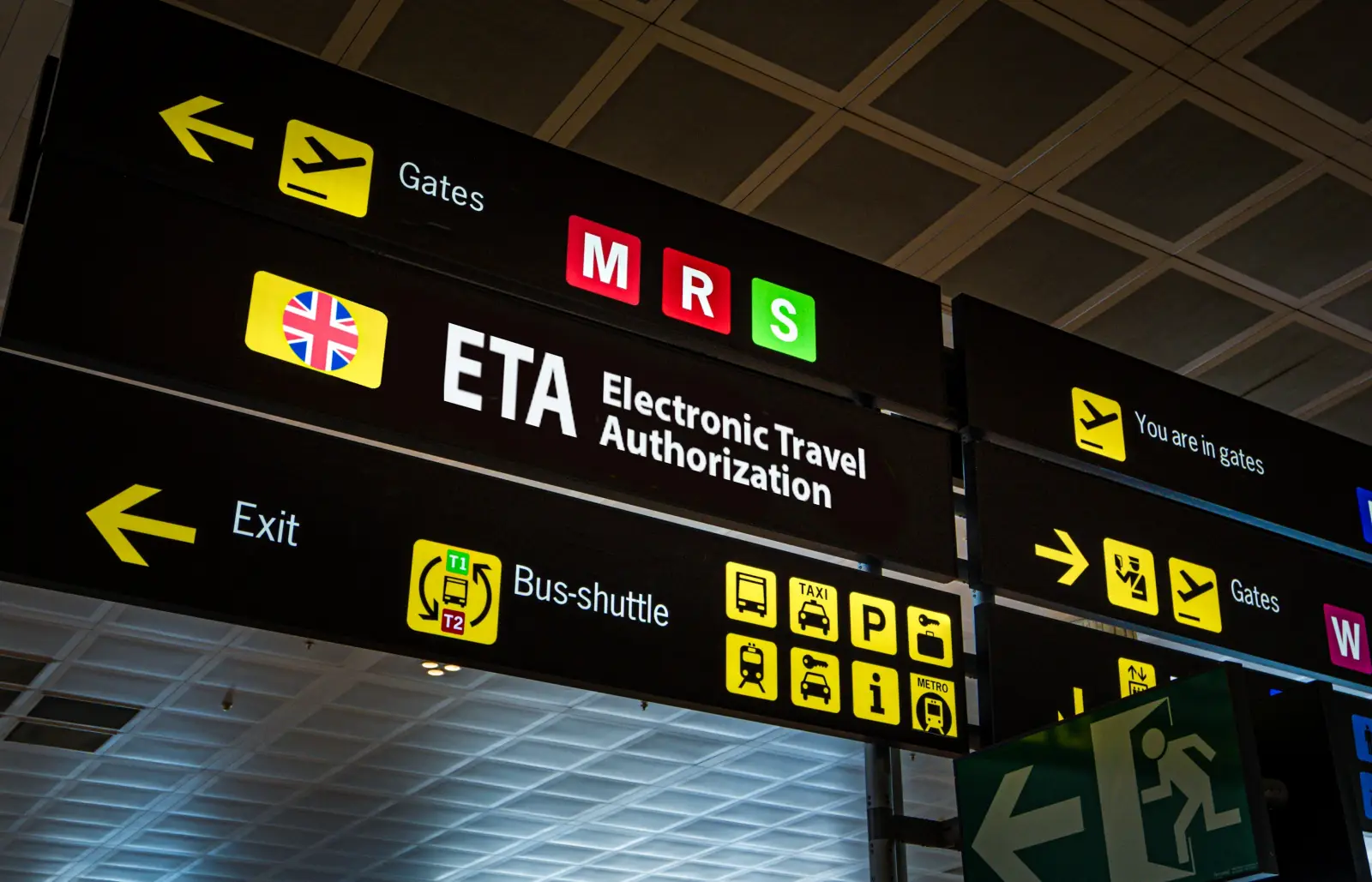
For the global travel industry, the February 2026 enforcement date will become a key planning milestone, especially for markets where large numbers of leisure and business visitors regularly travel to the UK without visas. Clear information on the UK ETA scheme, the £16 fee and the recommendation to apply up to 3 working days before departure is expected to feature increasingly in booking flows, pre-trip emails and airport signage. As with similar systems elsewhere, the success of the rollout is likely to depend on how quickly travellers and carriers adapt to a model in which digital permission is as integral to a journey as a passport or a boarding pass.
Photo Credit: Ivan Marc / Shutterstock.com